The Hidden Risks of Ignoring Wisdom Tooth Pain
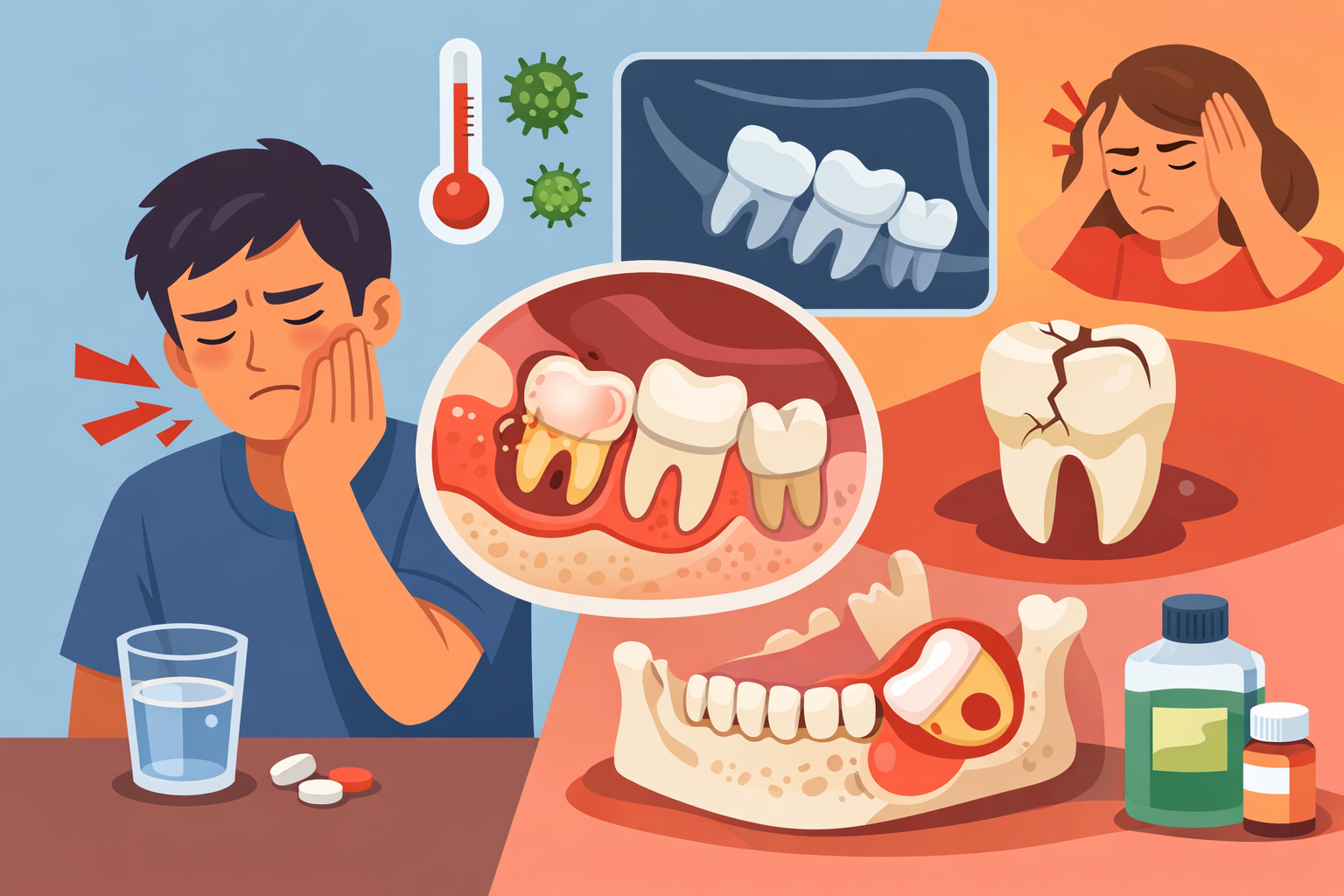
Wisdom tooth pain is easy to brush off at first. It might feel like a dull ache, occasional pressure, or mild gum irritation that comes and goes. But what many people don’t realize is that ignoring wisdom tooth pain can lead to serious oral health problems over time.
In fact, what starts as minor discomfort can quickly develop into infections, structural damage, and complications that are far more difficult—and costly—to treat. Understanding the risks early on can help you take action before things escalate.
This guide breaks down the hidden dangers of ignoring wisdom tooth pain, what symptoms to watch for, and when it’s time to seek professional care.
Why Wisdom Tooth Pain Should Never Be Ignored
Wisdom teeth are the last set of molars to emerge, typically appearing in your late teens or early twenties. Because they erupt later in life, there’s often limited space in the mouth, which can lead to crowding, impaction, or improper alignment.
Pain is your body’s way of signaling that something isn’t right. When wisdom teeth begin to cause discomfort, it usually means there’s underlying pressure, inflammation, or infection developing.
Common Causes of Wisdom Tooth Pain
- Impacted teeth trapped beneath the gums
- Partial eruption allowing bacteria buildup
- Gum inflammation or infection (pericoronitis)
- Pressure on neighboring teeth
- Cysts or structural complications
If you’ve ever wondered how many wisdom teeth people typically have, it varies—but understanding the basics can help you identify potential issues early.
The Hidden Dangers You Might Not Expect
Ignoring wisdom tooth pain doesn’t just mean dealing with discomfort—it can trigger a chain reaction of dental problems.
Infection That Spreads Beyond the Gums
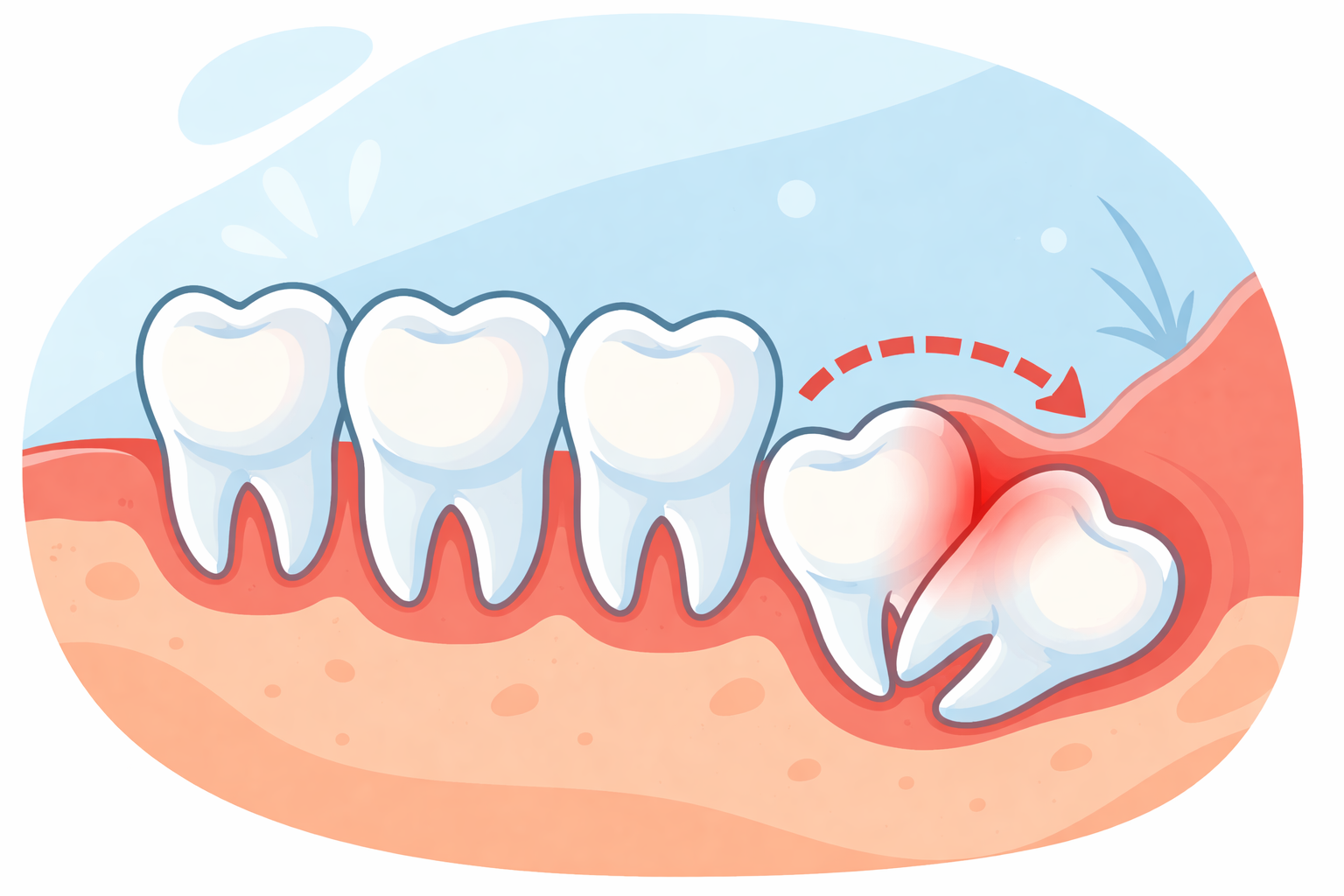
One of the most serious risks is infection. When a wisdom tooth is partially erupted, it creates a pocket where bacteria can thrive. Over time, this can lead to painful swelling, pus formation, and even fever.
Left untreated, infections can spread beyond the gums to the jaw, neck, or bloodstream in severe cases.
Damage to Nearby Teeth
Wisdom teeth often push against adjacent molars as they try to erupt. This pressure can damage healthy teeth, causing:
- Enamel wear
- Tooth decay
- Misalignment
Some patients even experience discomfort in areas far from the source. If you’ve noticed unusual sensitivity, it may be related to this issue and why wisdom tooth pain spreads to front teeth.
Cysts and Jaw Complications
In some cases, impacted wisdom teeth can develop cysts—fluid-filled sacs that form around the tooth. These cysts can damage surrounding bone and tissue, potentially leading to long-term structural issues.
Impacted Wisdom Teeth: A Silent Problem
Not all wisdom tooth issues are immediately painful. Some remain hidden beneath the gums, slowly causing damage without obvious symptoms.
Types of Impaction
- Partial impaction – The tooth partially breaks through the gum
- Full impaction – The tooth remains trapped beneath the surface
- Angular impaction – The tooth grows at an angle
Each type presents its own risks. If you’re unsure which category you might fall into, this breakdown of partial vs fully impacted wisdom teeth can help clarify.
Pain That Signals Bigger Problems
Wisdom tooth pain doesn’t always stay localized. It can radiate to other areas, making it harder to identify the root cause.
Jaw Stiffness and Difficulty Opening Your Mouth
As inflammation increases, you may experience tightness in your jaw. This can make eating, speaking, and even yawning uncomfortable.
Throat Pain and Swallowing Issues
In some cases, the discomfort extends toward the throat. If you’ve experienced this, it’s not uncommon.
Persistent Headaches and Pressure
The pressure caused by impacted teeth can lead to tension headaches or facial discomfort. This is often overlooked but can significantly affect your daily quality of life.
Long-Term Consequences of Delaying Treatment
Putting off treatment doesn’t just prolong pain—it increases the likelihood of complications.
More Complex Surgical Procedures
Early removal is typically straightforward. However, when issues are ignored, the procedure can become more complicated due to:
- Deeper impaction
- Infection
- Bone involvement
This can lead to longer recovery times and higher costs.
Increased Risk of Complications
While complications are generally rare, delaying treatment raises the chances of issues during or after extraction.
Permanent Damage to Oral Structures
In severe cases, untreated wisdom tooth problems can cause irreversible damage to surrounding teeth, nerves, or jawbone.
When Wisdom Teeth Don’t Cause Problems
Interestingly, not everyone develops problematic wisdom teeth. Some people never experience pain—or don’t develop them at all.
If you’re curious about why that happens, this explanation on why some people never develop wisdom teeth sheds light on the genetics and evolution behind it.
However, for those who do experience symptoms, ignoring them is never a safe option.
Signs It’s Time to See a Specialist
If you’re experiencing any of the following, it’s best to seek professional evaluation:
- Persistent or worsening pain
- Swelling in the gums or jaw
- Difficulty opening your mouth
- Bad taste or odor in the mouth
- Fever or signs of infection
- Pain spreading to other areas
Early diagnosis can prevent complications and make treatment much more manageable.
What to Expect From Treatment
Wisdom tooth treatment depends on the severity of the issue. In many cases, removal is recommended to prevent further complications.
Simple vs Surgical Extraction
- Simple extraction – For fully erupted teeth
- Surgical extraction – For impacted or complex cases
Modern techniques and anesthesia options make the procedure far more comfortable than most people expect.
Recovery and Healing
Most patients recover within a few days to a week. Following proper aftercare instructions helps minimize discomfort and reduces the risk of complications.
Why Early Action Makes a Difference
Addressing wisdom tooth pain early allows for:
- Simpler procedures
- Faster recovery
- Lower risk of infection
- Better long-term oral health
Delaying treatment often leads to avoidable complications that could have been prevented with timely care.
If you’re currently experiencing symptoms, the safest step is to schedule a professional evaluation to get a clear diagnosis and personalized treatment plan.
Final Thoughts
Wisdom tooth pain is never something to ignore. While it may seem minor at first, it often signals deeper issues that can worsen over time. From infections and cysts to long-term structural damage, the risks of delaying treatment far outweigh the inconvenience of addressing it early.
Taking action now not only relieves pain but also protects your overall oral health in the long run.
Single-Tooth vs. Full-Arch Dental Implants
January 7, 2026
How to Prevent Cavities Naturally (Simple & Effective Guide)
April 16, 2026
Signs Your Wisdom Teeth Are Coming In
March 4, 2026

How to Prepare Your Teen for Wisdom Tooth Removal
February 16, 2026
Do Wisdom Teeth Cause Crooked Teeth?
January 5, 2026