Can Impacted Wisdom Teeth Cause Front Teeth Discomfort?
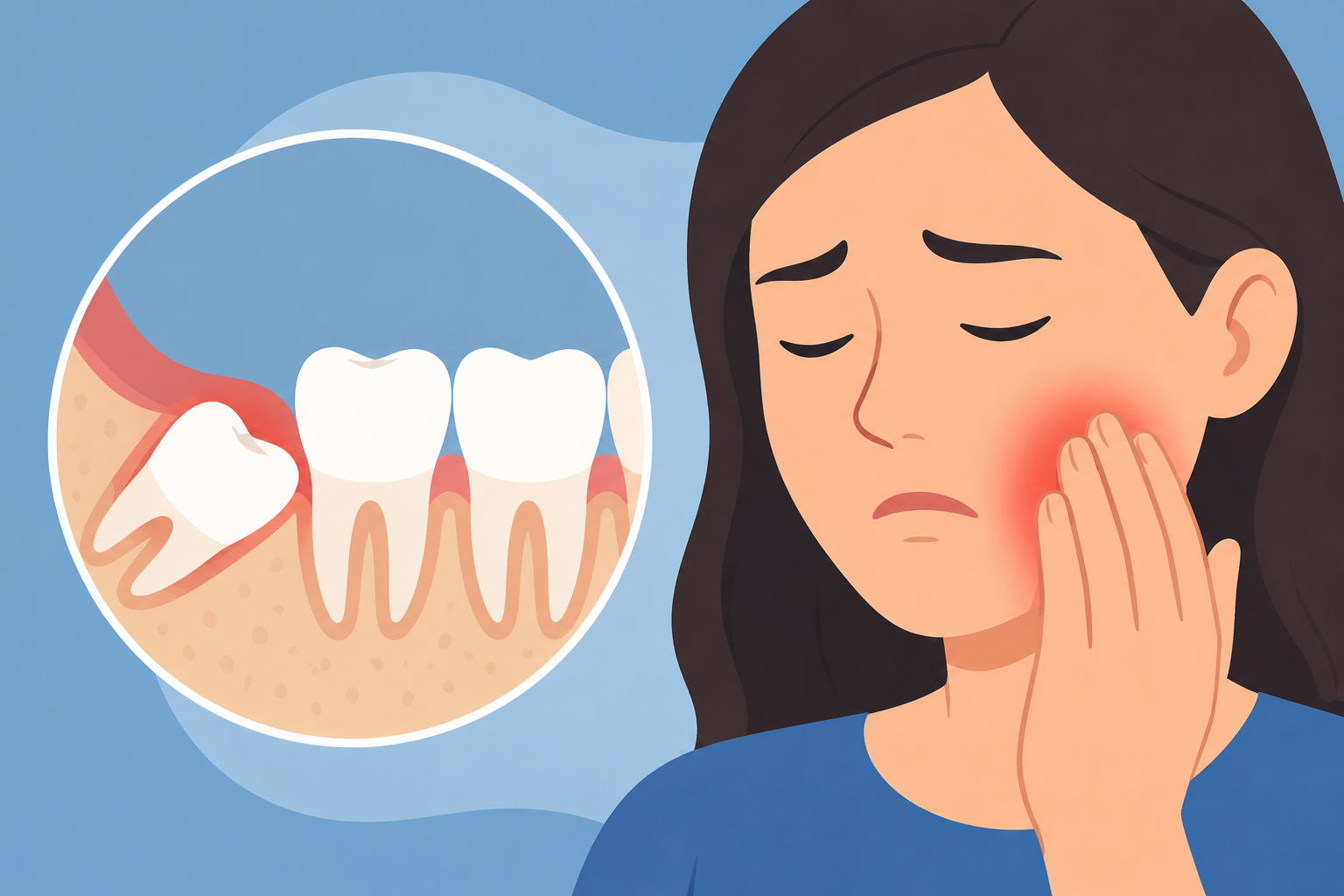
When a wisdom tooth starts acting up, most people expect the discomfort to stay in the back of the mouth. But it’s surprisingly common for that pain to travel all the way to the front teeth, making your incisors feel sore, pressured, or unusually sensitive. This type of radiating discomfort can be alarming, especially when the front teeth appear perfectly healthy.
Understanding why this happens requires taking a closer look at the way your jaw, nerves, muscles, and bite work together. Pain rarely exists in isolation. Instead, the mouth functions as a connected system—so when one area becomes irritated, tension or inflammation can easily move through other structures.
This long-form guide explains why wisdom tooth pain spreads, how to identify the true source of discomfort, and what steps can help restore comfort and protect your long-term oral health.
How Wisdom Tooth Pain Travels Through the Mouth
The Nerve Connections That Link Back Teeth to the Front
One of the biggest reasons pain moves toward the front teeth lies in the structure of the trigeminal nerve. This large nerve supplies sensation to the entire jaw and has overlapping branches. Because of these shared pathways, irritation near a wisdom tooth can easily be interpreted as pain in the incisors or canines.
This is why discomfort from the back molars can mimic a front-tooth issue—even when the front teeth are completely healthy. The pattern becomes even clearer when comparing how wisdom tooth discomfort differs from a typical toothache, especially when inflammation amplifies nerve sensitivity.
How Pressure Spreads Through the Jaw
Wisdom teeth don’t always erupt in ideal alignment. When they push against neighboring molars or become partially trapped, the pressure spreads forward along the dental arch. This tension influences the periodontal ligament and jawbone, causing the front teeth to feel tender or overstimulated.
Readers often describe this sensation as a deep ache behind the incisors, the type of pain that brushing or flossing cannot relieve.
Common Causes Behind Radiating Front-Tooth Pain
Impacted Wisdom Teeth That Press on Adjacent Structures
Impaction is one of the leading causes of traveling pain. When a wisdom tooth is angled, blocked, or pushing sideways, it places strain on the surrounding molars. That pressure spreads forward, affecting even the front teeth.
This phenomenon also connects to the long-term effects of delaying wisdom tooth care, since the pressure tends to worsen as the teeth continue shifting.
Inflammation and Infection Around the Wisdom Tooth
Inflammation is another major contributor to radiating pain. When bacteria collect around partially erupted wisdom teeth, swelling quickly builds in the surrounding tissues. This increases nerve sensitivity—not only at the source, but across the jaw.
As inflammation intensifies, the pain may begin to feel like it originates from the front teeth, even though the source remains in the back.
Pressure Changes That Affect Your Bite
If a wisdom tooth alters the way your teeth fit together, the jaw muscles may strain to maintain balance. Overworked jaw muscles create tension that radiates across the face and dental arch, often settling around the front teeth as a dull, persistent ache.
When Pain in the Front Teeth Actually Begins in the Back
Referred Pain Explained Clearly
Referred pain happens when the brain misreads where a nerve signal comes from. Because front and back teeth share nerve pathways, the brain may mistakenly interpret wisdom tooth irritation as front-tooth discomfort.
Signs the wisdom tooth is the real source include:
- A pressure-like ache behind the incisors
- Sensitivity that worsens when chewing near the back molars
- Swelling or tenderness in the wisdom tooth area
- Pain that shifts instead of staying localized
This becomes easier to understand when considering how wisdom tooth pain patterns differ from typical dental discomfort.
When the Front Teeth Are the Actual Source
While radiating pain is common, sometimes the front teeth themselves have issues such as enamel wear, recession, or micro-fractures. These problems usually create consistent, localized sensitivity rather than pain that travels or changes location.
If discomfort moves, the wisdom tooth is usually the underlying cause.
The Hidden Complications That Make Pain Spread
Cysts or Damage Near the Wisdom Tooth
On occasion, cysts can form around impacted wisdom teeth. As the cyst grows, it pushes on the jawbone or second molar, sending pressure forward along the entire arch. This can create a deep, radiating ache that the front teeth pick up first.
Infection That Travels Through the Jaw
Left untreated, an infection near a wisdom tooth may spread into deeper tissues. The more the swelling expands, the more unpredictable the pain becomes. Some people feel soreness under the chin; others feel it near the ear or behind the front teeth.
Pain influenced by swelling behaves similarly to post-extraction reactions described in cases of swelling after oral surgery, especially when heat or inflammation intensifies the response.
What Happens If the Wisdom Tooth Needs to Be Removed
Managing Pain Before Extraction
Before removing a wisdom tooth, dentists often reduce inflammation with warm rinses, medicated solutions, or targeted cleaning. This helps control swelling but doesn’t solve the underlying cause—whether impaction or infection.
When inflammation calms, extraction becomes safer and more comfortable.
What to Expect During Healing
After removal, temporary swelling, slight bleeding, and numbness are normal. These are common healing responses similar to the experiences described in stitches bleeding after oral surgery.
As healing progresses, the radiating pain that once reached the front teeth typically fades because the original source of tension has been removed.
Restoring Comfort and Protecting Adjacent Teeth
Once the wisdom tooth is gone, the front teeth no longer experience indirect pressure. Many people notice relief within days. If the wisdom tooth contributed to crowding, follow-up care or orthodontic evaluation may help restore long-term balance.
What You Can Do to Prevent Pain From Spreading
Routine Monitoring Makes a Difference
Wisdom teeth can develop problems quietly, long before symptoms appear. Regular evaluation helps identify alignment issues, early impaction, or inflammation before discomfort spreads.
These evaluations often play a role in planning for future oral stability, especially when coordinating with long-term restorative options such as dental implant preparation.
Maintain Strong Hygiene Near the Wisdom Teeth
Good cleaning habits in the back of the mouth reduce the risk of infections that trigger radiating pain. This is especially important for partially erupted wisdom teeth that trap food or bacteria.
Listen to Early Pain Signals
Subtle sensitivity behind the molars, pressure in the jaw, or discomfort when chewing can indicate early wisdom tooth problems. Addressing these symptoms early prevents severe radiating pain and more complex complications.
When Radiating Pain Means It’s Time to Seek Help
If the pain becomes sharp, persistent, or spreads rapidly to multiple teeth, it’s time for a professional evaluation. Symptoms such as swelling, fever, difficulty opening the mouth, or worsening sensitivity should never be ignored.
Radiating discomfort almost always points to an underlying issue—impaction, infection, or pressure—that needs attention. With proper care, most people experience significant relief quickly.
Final Thoughts
Pain from a wisdom tooth that spreads to the front teeth is more common than most people realize. The mouth is a connected system, and when inflammation, pressure, or infection builds in one area, the entire dental arch can feel the impact.
Understanding these patterns makes it easier to recognize when wisdom tooth problems are developing and when to seek care. With the right treatment, the discomfort typically resolves quickly, and the front teeth return to normal.
Cavities Explained: Causes, Prevention, and Treatment
January 14, 2026
Single-Tooth vs. Full-Arch Dental Implants
January 7, 2026

What to Eat Before a Tooth Extraction to Reduce Inflammation
June 1, 2026
Can Wisdom Teeth Cause Neck Pain and Stiffness?
June 5, 2026

Is Oral Surgery Safe? Risks, Recovery, and What to Expect
February 10, 2026