Facial Swelling and Tooth Pain: How to Know When It’s an Emergency
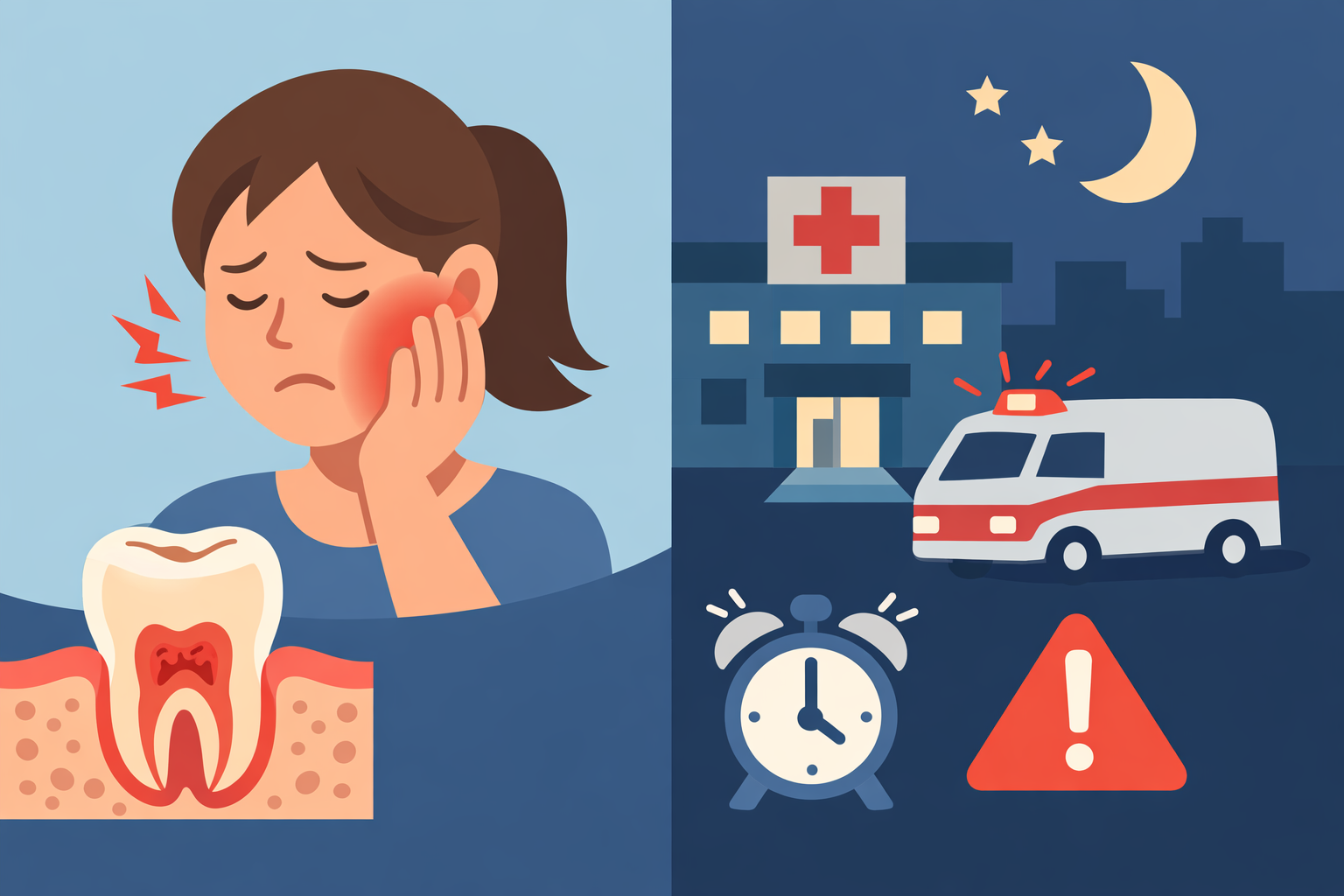
Experiencing facial swelling or tooth pain can be alarming, especially when it happens suddenly. While some discomfort can be managed at home, certain symptoms indicate a serious dental or oral health emergency that requires prompt attention. Recognizing the signs early can prevent complications, preserve your teeth, and protect your overall health.
Dental emergencies are not just about pain—they can signal underlying infections, impacted teeth, or other oral health issues. In this post, we’ll explore the causes of facial swelling and tooth pain, how to distinguish emergencies from minor issues, and what steps you should take when urgent care is needed.
Understanding Facial Swelling and Tooth Pain
Facial swelling often accompanies tooth pain, but it can stem from various causes. Swelling might appear around the jaw, cheeks, or even under the eyes. Tooth pain can be sharp, throbbing, or constant, and it may worsen when chewing or touching the affected area.
Some common causes of these symptoms include:
Tooth Infection and Abscesses
A tooth infection occurs when bacteria enter the dental pulp, leading to inflammation and the formation of an abscess. Abscessed teeth often cause localized swelling, severe pain, and sensitivity to hot or cold temperatures. If left untreated, infections can spread to surrounding tissues or even the bloodstream, creating a serious health risk.
For patients debating between different treatments, understanding the differences between a tooth extraction vs root canal can help guide timely decisions. Prompt evaluation by an oral surgeon is crucial to prevent worsening symptoms.
Impacted or Damaged Teeth
Impacted teeth, particularly wisdom teeth, can trigger swelling when they are trapped beneath the gum line. Pressure from impacted teeth can also cause referred pain to nearby teeth and the jaw. Similarly, teeth that are fractured, cracked, or severely decayed may lead to swelling and intense discomfort.
Gum Disease and Infection
Severe gum infections, including periodontitis, can cause swelling around the teeth and jaw. In advanced cases, gum infections may trigger abscess formation or systemic inflammation, requiring immediate intervention to protect oral and overall health.
Other Medical Conditions
Occasionally, facial swelling may result from sinus infections, trauma, or allergic reactions. While these are not always dental emergencies, they may still require evaluation if the swelling is rapid, painful, or accompanied by fever.
Signs Your Tooth Pain Is an Emergency
Not every toothache or swelling requires an urgent trip to an oral surgeon, but certain signs should never be ignored:
- Rapidly increasing swelling of the face, jaw, or neck
- Severe, persistent tooth pain that prevents normal eating or sleeping
- Fever or malaise indicating systemic infection
- Difficulty breathing or swallowing, which can signal airway compromise
- Pus or drainage from the gum or tooth area
- Swollen lymph nodes in the neck or jaw
If any of these symptoms are present, immediate professional evaluation is essential. Delaying care can lead to complications such as spreading infection, bone loss, or the need for more extensive procedures.
For situations where a tooth may not be salvageable, reading about when a tooth cannot be saved provides valuable insight into treatment options and outcomes.
How Oral Surgeons Handle Emergencies
Oral surgeons are trained to address severe dental issues quickly and effectively. Emergency treatment often begins with a thorough examination, including imaging to assess the extent of infection or damage. Depending on the diagnosis, interventions may include:
- Drainage of abscesses to remove infection and reduce swelling
- Tooth extraction for teeth that cannot be saved
- Root canal therapy to preserve infected teeth
- Medications such as antibiotics or pain management solutions
- Surgical intervention for impacted teeth or complex infections
Emergency care prioritizes both immediate relief and long-term oral health. Early intervention can significantly reduce recovery time, minimize pain, and prevent further complications.
Managing Symptoms Before Your Appointment
While professional care is essential, there are steps patients can take to alleviate discomfort before treatment:
- Rinse with warm salt water to reduce bacteria and soothe irritation
- Apply cold compresses to reduce facial swelling
- Take over-the-counter pain relievers following dosage instructions
- Maintain hydration and soft foods to avoid aggravating the affected area
Avoid attempting to drain abscesses at home or applying heat directly to the face, as this can worsen infection.
Preventing Tooth Pain and Swelling
Prevention is always better than treatment. Regular dental checkups, proper oral hygiene, and timely care for minor issues can reduce the risk of severe swelling or emergency scenarios. Strategies include:
- Brushing and flossing twice daily
- Visiting your dentist or oral surgeon regularly
- Addressing cavities, cracked teeth, or early gum disease promptly
- Monitoring wisdom teeth and impacted molars to prevent complications
Understanding preventive care, along with recognizing early signs of infection or damage, can save time, pain, and expense in the long run.
When to Seek Immediate Oral Surgery Care
Facial swelling accompanied by tooth pain should never be ignored, especially if the discomfort is worsening or accompanied by systemic symptoms like fever or difficulty swallowing. Contacting an experienced oral surgeon immediately ensures proper diagnosis and treatment, reducing the risk of serious complications.
Even if you are unsure whether your situation qualifies as an emergency, calling an oral surgery office for advice can provide guidance and peace of mind. The right professional care prevents minor issues from turning into major health concerns.
Expert Oral & Facial Surgery in Miami
We specialize in wisdom teeth removal, dental implants, facial trauma, and more — all performed with cutting-edge technology and a patient-first approach in a warm, welcoming environment.
Book a Consultation
Conclusion
Facial swelling and tooth pain can range from mild discomfort to life-threatening emergencies. Recognizing the signs, understanding the potential causes, and seeking timely care from an oral surgeon are crucial steps in protecting your oral and overall health. Regular checkups, attention to early warning signs, and preventive dental care can help minimize the risk of emergencies.
Remember, when swelling and tooth pain strike suddenly, acting quickly can save both your smile and your health. By staying informed and proactive, patients can navigate dental emergencies confidently and effectively.
Zygomatic Implants: Your Guide to a Stronger Implant Solution
November 26, 2025
Foods That Strengthen Teeth and What Harms Them
May 6, 2026
Can Wisdom Teeth Move Your Teeth Years Later?
May 23, 2026
Dental Implants vs Bridges: Which Is Right for You?
June 17, 2026
Can Dental Implants Fail? Causes and Prevention Guide
March 16, 2026