Partial vs. Fully Impacted Wisdom Teeth: What You Need to Know
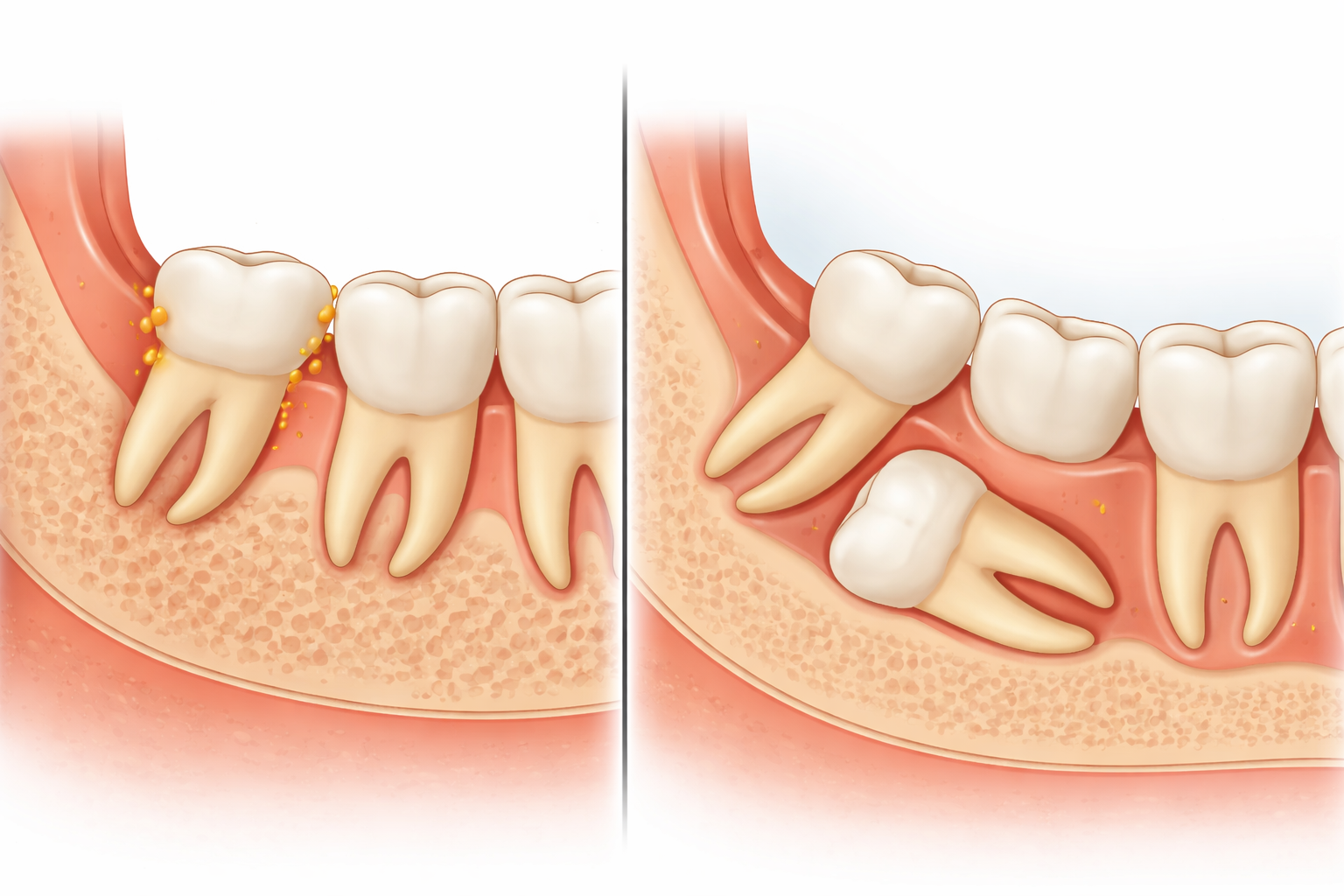
Wisdom teeth can be a quiet problem for years, then suddenly become a painful issue that affects your daily life. When dentists talk about impacted wisdom teeth, they’re referring to teeth that don’t fully emerge through the gum line. But not all impactions are the same. Understanding the difference between partial vs. fully impacted wisdom teeth can help you recognize symptoms early and choose the right treatment.
In this article, we’ll break down the differences between partial and fully impacted wisdom teeth, why each type happens, what symptoms to watch for, and when removal becomes necessary. If you’re dealing with jaw pain, swelling, or recurring infections, this guide will help you understand what’s going on and what your options are.
What Does “Impacted” Mean?
Wisdom teeth, also known as third molars, usually appear between ages 17 and 25. But because the jaw may not have enough room, these teeth can become stuck in the bone or gum tissue.
An impacted tooth is one that can’t erupt properly. It may be blocked by neighboring teeth, bone, or gum tissue. Impacted wisdom teeth are a common issue, and the degree of impaction determines the type of symptoms and treatment.
Partial vs. Fully Impacted Wisdom Teeth: The Key Differences
What Is a Partially Impacted Wisdom Tooth?
A partially impacted wisdom tooth has broken through the gum, but not completely. You might see part of the tooth exposed, while the rest remains trapped under gum tissue.
Because the tooth is partially exposed, it can be hard to keep clean. Food and bacteria can get trapped in the gap between the gum and the tooth, leading to inflammation or infection.
Common issues with partial impaction:
- Gum irritation and swelling
- Bad breath or bad taste
- Repeated infections around the tooth
- Pain when chewing or opening the mouth
What Is a Fully Impacted Wisdom Tooth?
A fully impacted wisdom tooth is completely trapped beneath the gum and bone. In many cases, the tooth is angled sideways or backward, pressing against the neighboring molar.
Since the tooth never breaks through the gum, it may not cause immediate pain. However, it can still create problems over time.
Common issues with full impaction:
- Pressure on neighboring teeth
- Jaw pain or stiffness
- Cysts or fluid-filled sacs around the tooth
- Damage to adjacent tooth roots
Why Wisdom Teeth Become Impacted
Lack of Space in the Jaw
The most common reason for impaction is simply not having enough room. Over time, human jaws have become smaller, while teeth size remains relatively the same. This mismatch creates crowded conditions that prevent wisdom teeth from erupting.
Tooth Angle and Position
Wisdom teeth can grow in at awkward angles. If they grow sideways, they may push against the second molar, leading to pain and alignment issues.
Delayed Eruption
Sometimes wisdom teeth develop late or grow slower than expected. This delay can cause them to become trapped behind other teeth.
Symptoms to Watch For
Signs of Partial Impaction
Partial impaction often presents with visible gum swelling around the back molar. You may also notice:
- Red, inflamed gum tissue
- Bleeding gums while brushing
- Persistent bad breath
- Discomfort when opening your mouth
Because the tooth is partially exposed, bacteria can easily enter and cause infection. This is one of the most common reasons patients seek treatment.
Signs of Full Impaction
Fully impacted teeth may not show visible symptoms, but they can still cause problems. Look out for:
- Pressure or aching in the jaw
- Pain that spreads to the ear or neck
- Headaches caused by jaw tension
- Shifting teeth or changes in bite
If a fully impacted tooth forms a cyst or damages nearby roots, symptoms can worsen rapidly.
Complications from Untreated Impacted Wisdom Teeth
Ignoring impacted wisdom teeth can lead to serious complications, especially if infection becomes frequent. Some of the most common risks include:
Infection and Gum Disease
When bacteria accumulate around partially impacted teeth, it can lead to gum infection. This inflammation may spread to surrounding tissues, making it harder to control.
Damage to Adjacent Teeth
Impacted wisdom teeth can push against the second molar, damaging the root or causing decay. This pressure may also shift other teeth, affecting your bite.
Cysts and Bone Damage
A fully impacted tooth can develop a cyst, a fluid-filled sac that forms around the tooth. Over time, cysts can weaken bone and damage surrounding structures.
For patients who need help after extraction, learning how to properly protect teeth after extraction is essential to avoid complications.
When Should Impacted Wisdom Teeth Be Removed?
Wisdom tooth removal is often recommended if the tooth is causing symptoms or has a high risk of future problems. Your dentist or oral surgeon will evaluate the tooth using X-rays and oral exams.
Removal for Partial Impaction
If the tooth is partially impacted and causing repeated infections or pain, extraction is usually the best option. The area can be difficult to keep clean, and recurring infections can affect your overall oral health.
Removal for Full Impaction
Even if a fully impacted tooth isn’t causing pain yet, it may still be removed if it risks damaging adjacent teeth or forming cysts. Many oral surgeons recommend removal in younger patients because the bone is less dense, and healing is faster.
The Extraction Process: What to Expect
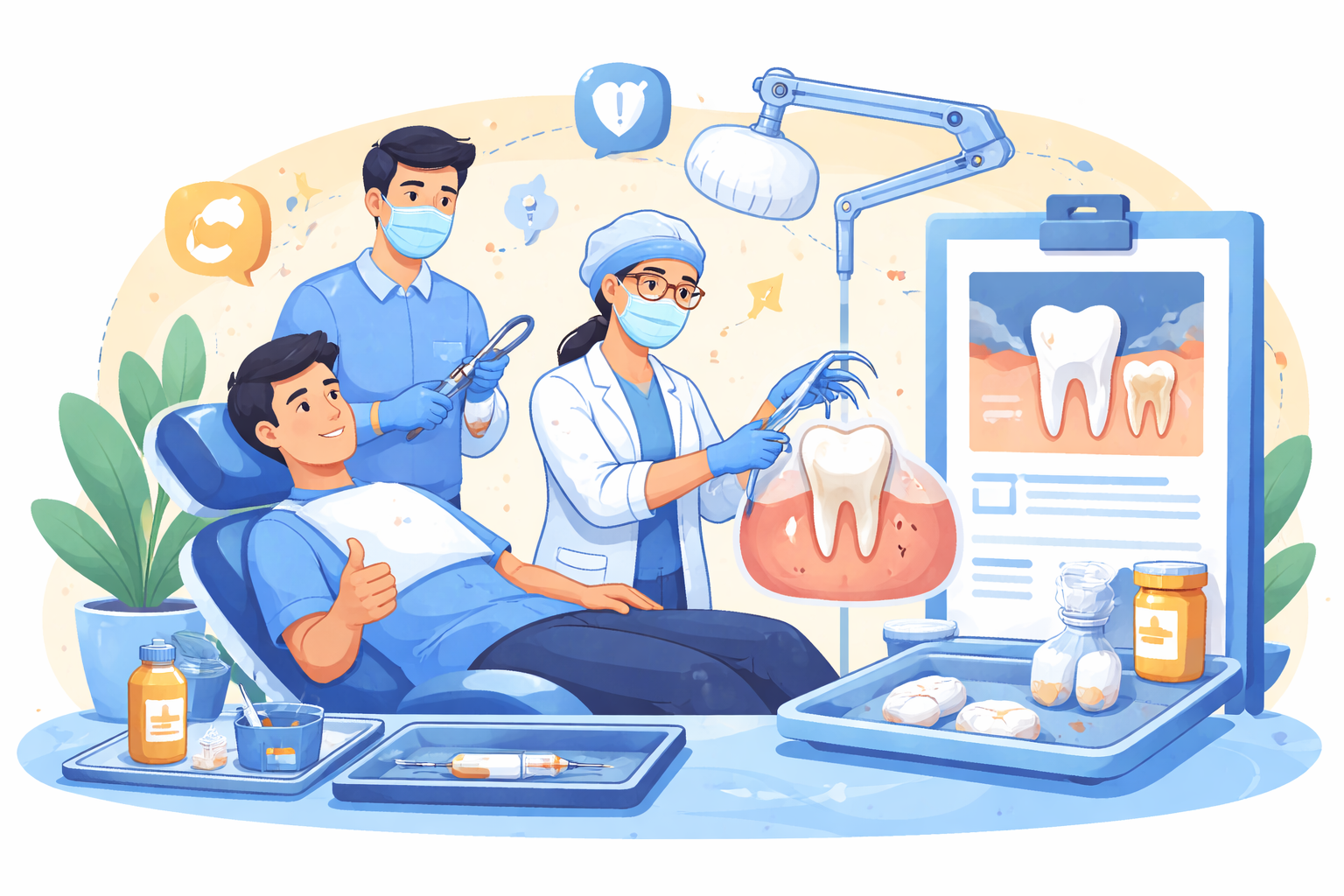
Wisdom tooth extraction varies depending on whether the tooth is partially or fully impacted. A fully impacted tooth may require a more involved surgical procedure, while a partially impacted tooth might be simpler to remove.
Before the Procedure
Your oral surgeon will review your medical history and discuss anesthesia options. They may recommend sedation for comfort during the procedure.
During the Procedure
A partially impacted tooth may be removed similarly to a standard extraction. For fully impacted teeth, the surgeon may need to make an incision in the gum and remove bone to access the tooth.
Aftercare and Recovery
Recovery time varies, but most patients heal within a few days to a week. Keeping the area clean and following post-op instructions reduces the risk of complications.
If you want to learn more about maintaining oral health and preventing buildup, understanding the difference between **plaque vs. tartar** can help you avoid common issues that affect wisdom tooth health.
How to Prevent Problems with Wisdom Teeth
While not all wisdom teeth need to be removed, regular dental checkups can help you monitor their development. Your dentist can catch signs of impaction early and recommend the best course of action.
Keep the Area Clean
Proper brushing and flossing are essential, especially if your wisdom teeth are partially erupted. Using an antimicrobial mouth rinse can also help reduce bacteria.
Watch for Warning Signs
If you notice swelling, pain, or changes in your bite, schedule an appointment. Early treatment often prevents more complex issues later.
Follow Professional Recommendations
Your dentist may suggest extraction based on X-rays and risk factors. Even if the tooth isn’t painful, removal may be the safest option if it threatens neighboring teeth.
Final Thoughts
Understanding partial vs. fully impacted wisdom teeth helps you make informed decisions about your oral health. Partial impactions often cause visible symptoms and infections, while fully impacted teeth may quietly damage surrounding structures. In either case, early evaluation and treatment are the best way to avoid long-term complications.
If you’re experiencing pain, swelling, or persistent discomfort in the back of your mouth, don’t wait. An evaluation can clarify whether your wisdom teeth are partially or fully impacted and what the best next step is. And if extraction is recommended, taking steps to protect your smile after the procedure is a key part of a smooth recovery.

Is It Safe to Fly After Wisdom Tooth Removal?
March 12, 2026
Wisdom Teeth vs. Other Molars: What’s the Real Difference?
January 1, 2026
Sinus Lift Surgery Explained: What You Need to Know Before Dental Implants
January 13, 2026
Signs Your Wisdom Tooth Needs to Come Out
January 19, 2026
What Is an Odontectomy? A Clear Guide to Wisdom Tooth Surgery
February 26, 2026