Is Oral Surgery Safe? Risks, Recovery, and What to Expect

Oral surgery often raises understandable concerns. Many patients worry about safety, pain, recovery time, and long-term outcomes. While surgery of any kind can feel intimidating, modern oral surgery is one of the most predictable and carefully managed areas of healthcare today.
From wisdom tooth removal to dental implants, oral surgical procedures are performed daily with high success rates and minimal complications. This guide explains how safe oral surgery really is, what risks to be aware of, and what kind of results most patients can expect.
What Is Oral Surgery?
Oral surgery refers to specialized procedures involving the teeth, gums, jaw, and surrounding facial structures. These treatments go beyond routine dental care and are often necessary to restore oral health or prevent future complications.
Common Oral Surgery Procedures
Oral surgeons perform procedures such as wisdom tooth extraction, dental implant placement, bone grafting, corrective jaw surgery, and treatment of oral infections. A full overview of available oral procedures can help patients understand which treatments fall under surgical care.
Why Oral Surgery Is Sometimes Necessary
Surgery is typically recommended when less invasive options are no longer effective. Impacted teeth, severe decay, missing teeth, jaw misalignment, and trauma are all conditions where surgery offers the safest and most reliable solution.
Is Oral Surgery Actually Safe?
Yes. Oral surgery is considered very safe when performed by a trained and experienced oral and maxillofacial surgeon. Advances in technology, anesthesia, and surgical techniques have dramatically reduced complication rates.
Surgical Precision and Planning
Modern imaging tools allow surgeons to visualize nerves, bone density, and tooth positioning in detail. This level of planning minimizes risk and improves outcomes.
Surgeon Training and Expertise
Oral surgeons undergo years of additional surgical and hospital-based training beyond dental school. Their specialized education plays a key role in maintaining high safety standards across all procedures.
Understanding the Risks of Oral Surgery
While oral surgery is safe, no medical procedure is completely risk-free. Knowing what risks exist helps patients make informed decisions.
Common Short-Term Side Effects
Swelling, mild pain, bruising, and temporary stiffness are common after surgery. These effects typically peak within the first few days and improve steadily with proper care.
Less Common Complications
Infections, nerve sensitivity, or delayed healing can occur, but these complications are uncommon. When addressed early, they are usually manageable and resolve without long-term issues.
Wisdom Teeth and Risk Factors
The position of wisdom teeth plays a major role in surgical complexity. Understanding differences between partially and fully impacted teeth helps surgeons plan safer extractions and reduce the likelihood of complications.
How Oral Surgeons Minimize Surgical Risks
Patient safety starts long before the day of surgery.
Pre-Surgical Evaluation
Surgeons review medical history, medications, and existing health conditions. This ensures anesthesia and surgical techniques are appropriate for each patient.
Customized Treatment Plans
Digital scans allow for precise surgical mapping. This preparation reduces trauma to surrounding tissues and lowers the risk of nerve or sinus involvement.
Clear Pre-Operative Instructions
Patients receive detailed guidance on eating, medications, and preparation. Following these instructions is one of the most effective ways to prevent complications.
Anesthesia Safety in Oral Surgery
Anesthesia is one of the most closely monitored aspects of oral surgery and is extremely safe when administered by trained professionals.
Types of Anesthesia Used
Oral surgery may involve local anesthesia, IV sedation, or general anesthesia, depending on the procedure and patient preference. Each option is selected with patient safety and comfort in mind.
Continuous Monitoring
Vital signs are monitored throughout the procedure, and surgical teams are trained to respond immediately to any unexpected changes.
What Recovery Looks Like After Oral Surgery
Recovery experiences vary by procedure, but most patients find healing more manageable than expected.
Typical Healing Timeline
Initial recovery usually takes one to two weeks. Bone and tissue healing may continue for several months, but most daily activities can be resumed much sooner.
Managing Pain and Swelling
Pain is usually mild to moderate and well-controlled with medication. Ice packs, rest, and soft foods significantly improve comfort during recovery.
Long-Term Results
Successful oral surgery often prevents future problems, relieves pain, and restores normal function. Many procedures also support long-term oral health and stability.
Dental Implants and Surgical Predictability
Dental implants are among the most successful procedures in oral surgery, with success rates exceeding 95 percent when properly planned.
Why Implant Surgery Is So Reliable
Implants fuse with the jawbone through a natural process called osseointegration. Careful planning and precise placement make this procedure highly predictable.
Choosing the Right Oral Surgeon
The skill and experience of your surgeon directly affect safety and outcomes.
Credentials and Experience
Board certification, advanced training, and years of clinical experience all contribute to better results. Learning more about a trusted surgeon can provide reassurance before moving forward.
Communication and Patient Comfort
A good oral surgeon explains procedures clearly, answers questions honestly, and sets realistic expectations. Feeling informed and confident is an important part of safety.
Preparing for a Safe Oral Surgery Experience
Preparation plays a major role in recovery and overall outcomes.
Follow Instructions Carefully
Pre- and post-operative guidelines are designed to protect you. Skipping steps or ignoring instructions can increase risks unnecessarily.
Plan Ahead for Recovery
Arrange transportation, take time off work if needed, and prepare soft foods in advance. A calm recovery environment supports healing.
Long-Term Outcomes and Patient Satisfaction
Most patients report high satisfaction after oral surgery, especially once healing is complete.
Functional Improvements
Improved chewing, reduced pain, and better oral stability are common outcomes. Surgical treatment often prevents more serious issues later.
Aesthetic Benefits
Many oral surgery procedures enhance facial balance and smile appearance, improving confidence along with oral health.
Is Oral Surgery Worth It?
When recommended by a qualified professional, oral surgery is not only safe — it’s often essential for protecting long-term oral health. Advances in technology, training, and patient care have made today’s procedures more predictable than ever.
With the right preparation and an experienced surgeon, oral surgery can be a smooth process with lasting benefits.
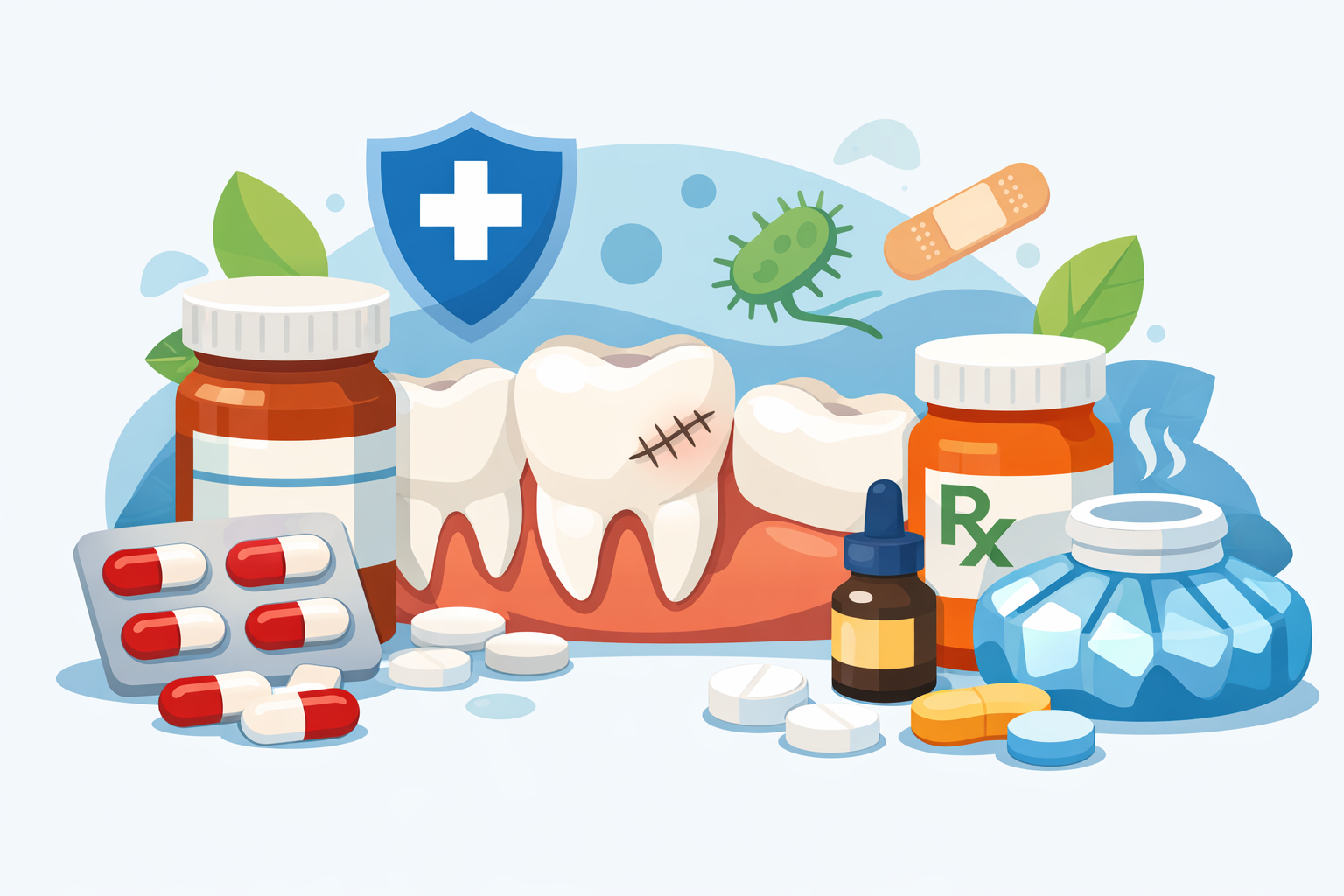
Antibiotics and Painkillers in Wisdom Tooth Recovery
February 3, 2026
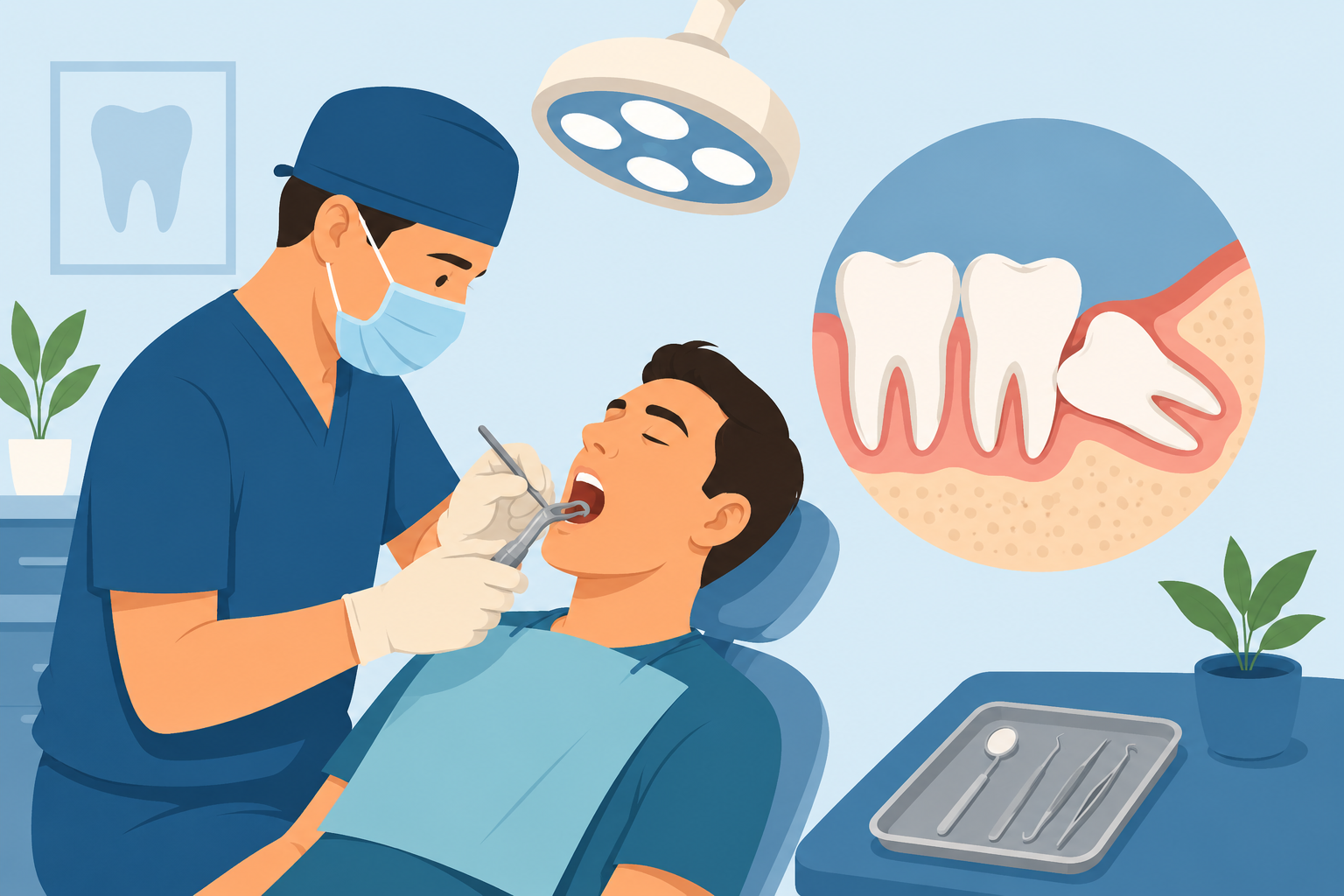
Why Choose a Specialist for Impacted Wisdom Teeth?
June 26, 2026

Wisdom Teeth Surgery Under Sedation: What You Need to Know
May 21, 2025

The Hidden Risks of Ignoring Wisdom Tooth Pain
April 1, 2026
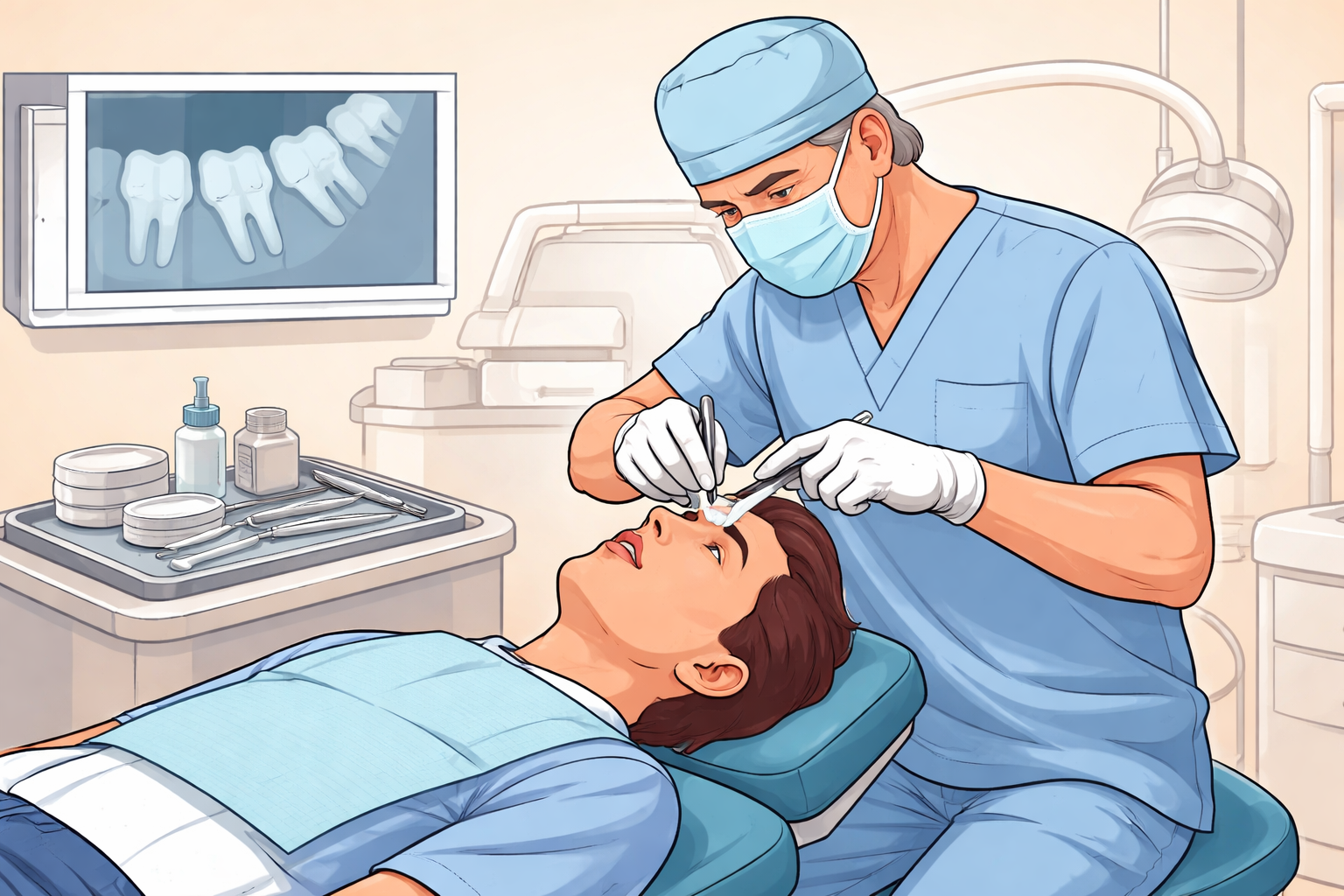
Are Wisdom Teeth Removal Complications Common?
February 5, 2026