Why Some People Never Get Wisdom Teeth
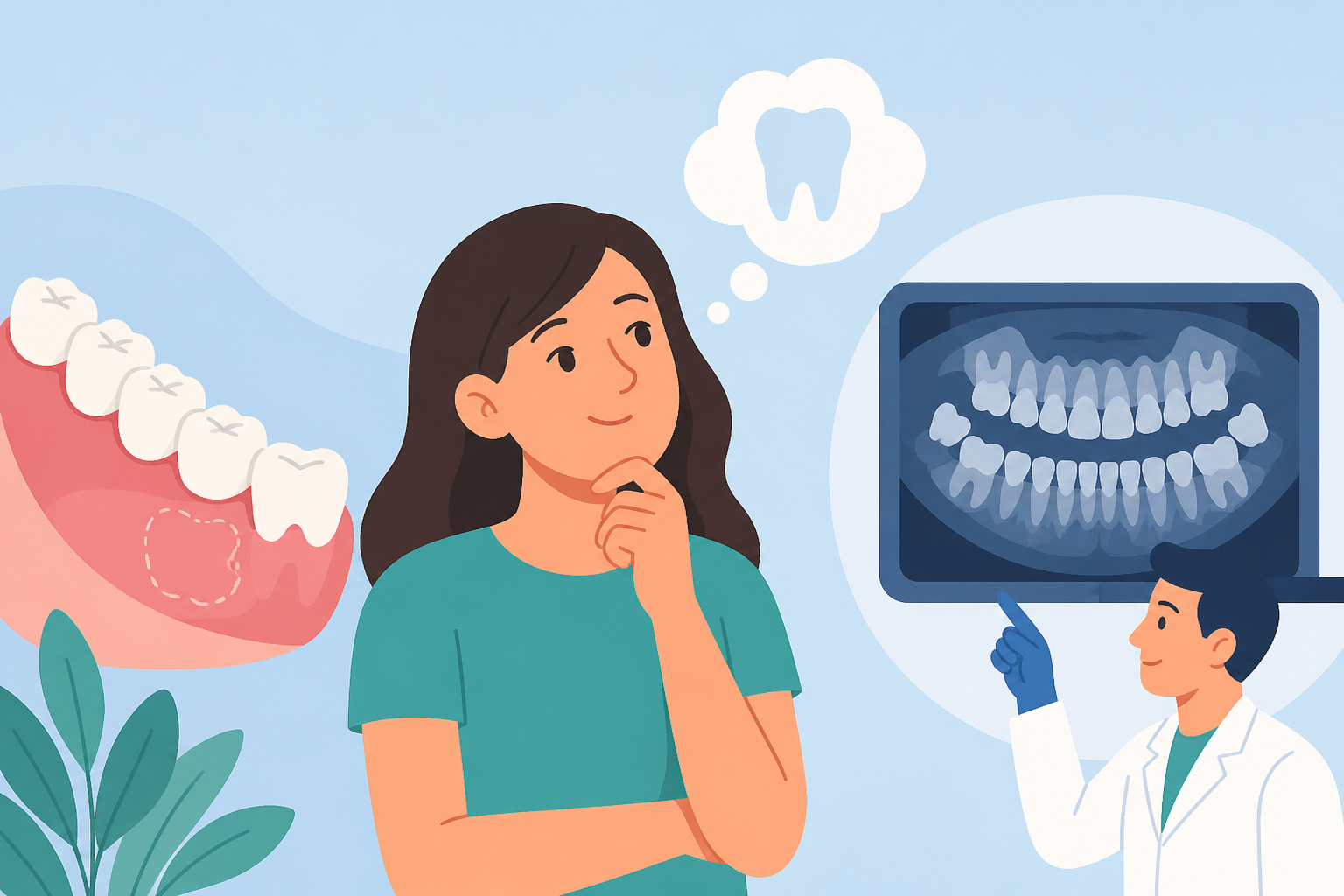
Wisdom teeth are often talked about as if everyone has them—and as if they inevitably cause trouble. But the truth is surprising: a significant portion of the population never develops wisdom teeth at all. If you’ve ever wondered why some people are missing one, two, or all four third molars, this deep-dive explains the evolutionary, genetic, developmental, and lifestyle factors behind it.
This long-form, fully optimized guide walks you through the most up-to-date understanding of why wisdom teeth don’t form in certain individuals, how this affects oral health, and what it means for future dental care.
Wisdom teeth, also known as third molars, were originally meant to help early humans chew coarse, tough diets—roots, nuts, leaves, and raw meats. Their larger jaws comfortably accommodated extra molars.
Modern diets and smaller jaws changed everything. Today, people rely on softer, cooked foods, and because of this shift, many no longer need (or develop) third molars at all.
Why Some People Never Develop Wisdom Teeth
1. Genetics Plays the Biggest Role
If your parents or grandparents never developed wisdom teeth, there’s a strong chance you won’t either. Modern research shows that genetics is the most influential factor determining whether third molars form.
Scientists have identified gene variants—particularly the PAX9 mutation—linked to missing teeth, including wisdom teeth. This mutation affects how dental arches develop and how tooth buds form early in life.
Evolution may also be shaping this trend. People without wisdom teeth often experience fewer complications, giving a natural advantage to this trait.
2. Our Jaws Are Getting Smaller Over Time
A major reason wisdom teeth fail to develop is jaw size. Over time, human jaws have become shorter and narrower due to changes in chewing habits and diet.
Children raised on soft foods experience less chewing stress, which influences jaw development. A smaller jaw often lacks the space needed for extra molars—so the body simply never produces the tooth buds.
This reduced space also contributes to crowding and impaction. When patients prepare for restorative work, dentists sometimes evaluate whether a bone graft is needed, especially when jaw structure is compromised. The need for a bone graft often comes up naturally during advanced dental planning.
3. Evolutionary Changes in Human Diet and Lifestyle
As humans began cooking food, using tools, and shifting to softer diets, the need for strong grinding molars decreased. Over thousands of years, this contributed to:
- Smaller jaws
- Less chewing force
- Reduced need for third molars
Wisdom teeth gradually became unnecessary—similar to how the appendix has lost its original biological purpose.
4. Natural Variation in Tooth Development
For some individuals, the tooth buds that normally form wisdom teeth never develop. This condition, known as third molar agenesis, is completely normal.
Around 25–35% of people are missing at least one third molar. Some lack all four. Others may have very small, undeveloped tooth buds that never erupt.
Panoramic X-rays sometimes show no trace of third molars because they simply never existed.
5. Environmental & Growth Influences
Environmental factors can affect whether wisdom teeth form, including:
- Childhood diet
- Hormone levels
- Growth patterns
- Bone development
- Overall systemic health
Children who consume mostly soft foods may develop smaller jaws, impacting tooth formation. Meanwhile, populations with diets requiring more chewing tend to develop wisdom teeth more consistently.
How Missing Wisdom Teeth Affect Oral Health
Fewer Complications, Less Pain
People who never develop wisdom teeth avoid many common problems:
- Impaction
- Cysts
- Crowding
- Gum inflammation
- Jaw discomfort
In individuals who do develop wisdom teeth, gum irritation is common. Some notice symptoms similar to bleeding gums during eruption, and they manage these symptoms with typical care for bleeding gums until the molars fully erupt or require removal.
Lower Risk of Infection
Partially erupted wisdom teeth can trap bacteria under the gums, causing painful infections.
Patients sometimes search for signs of an infected tooth when they experience swelling or jaw soreness. Learning how to identify an infected tooth often leads them to realize a wisdom tooth is the actual source of pain.
No Need for Surgical Extraction
Those missing third molars avoid extraction procedures altogether. No surgery means no swelling, no recovery period, and no risk of post-extraction complications.
For individuals who do develop wisdom teeth, dentists look for early signs that indicate whether removal is necessary. Monitoring these early signs helps prevent more serious issues like impaction or nerve pressure.
Why Some People Grow Wisdom Teeth While Others Don’t
Evolution Moves Slowly
Even if wisdom teeth are becoming less common, evolution doesn’t happen uniformly. Many people still inherit genes that cause wisdom teeth to form.
Dietary Background Varies by Population
Groups with historical diets rich in fibrous, coarse foods tend to have higher rates of wisdom tooth development today.
Wide Genetic Variation
Genetics differ drastically across populations—and even within the same family. That’s why one sibling may develop all four wisdom teeth while another develops none.
What Happens if Wisdom Teeth Develop Later in Life?
Some individuals don’t see wisdom teeth until their late 20s or even 30s. Occasionally, a routine X-ray reveals a molar that never erupted.
Dentists evaluate:
- Space in the jaw
- Root direction
- Gum health
- Bone density
- Impact on adjacent molars
If a late-developing tooth threatens alignment or causes discomfort, removal may be recommended.
Missing Wisdom Teeth and Future Dental Care
Impact on Tooth Replacement
Missing wisdom teeth typically does not affect implant eligibility. However, discussions about dental implants often come up when patients plan long-term treatment. Understanding how dental implants relate to bone health and insurance coverage helps patients feel confident about future restoration options.
Bone Health & Jaw Structure
Wisdom teeth contribute minimally to jaw stimulation, so their absence rarely affects bone density. Still, dentists evaluate bone quality during restorative planning to ensure long-term stability.
Not Having Wisdom Teeth Is Completely Normal
Not everyone develops wisdom teeth—and that’s perfectly fine. Genetics, diet, evolution, and jaw size all influence whether third molars form. Missing wisdom teeth often means fewer dental problems, less discomfort, and no need for extraction.
If you’re unsure whether you have them or want clarity about what’s happening below the gums, a dental exam or panoramic X-ray can provide straightforward answers. Whether you develop them or not, good oral hygiene and regular dental care remain essential for lifelong oral health.
Safe Foods to Eat After Wisdom Tooth Removal Surgery
February 16, 2026

Nervous About Oral Surgery? Here's How to Prepare Mentally
June 11, 2026
When Oral Infections Become Serious Health Risks
May 13, 2026

How to Save Money on Oral Surgery Costs
April 7, 2026
Quiz: Are Your Wisdom Teeth Starting to Cause Trouble?
April 22, 2026