Sore Throat and Wisdom Teeth: Is There a Link?
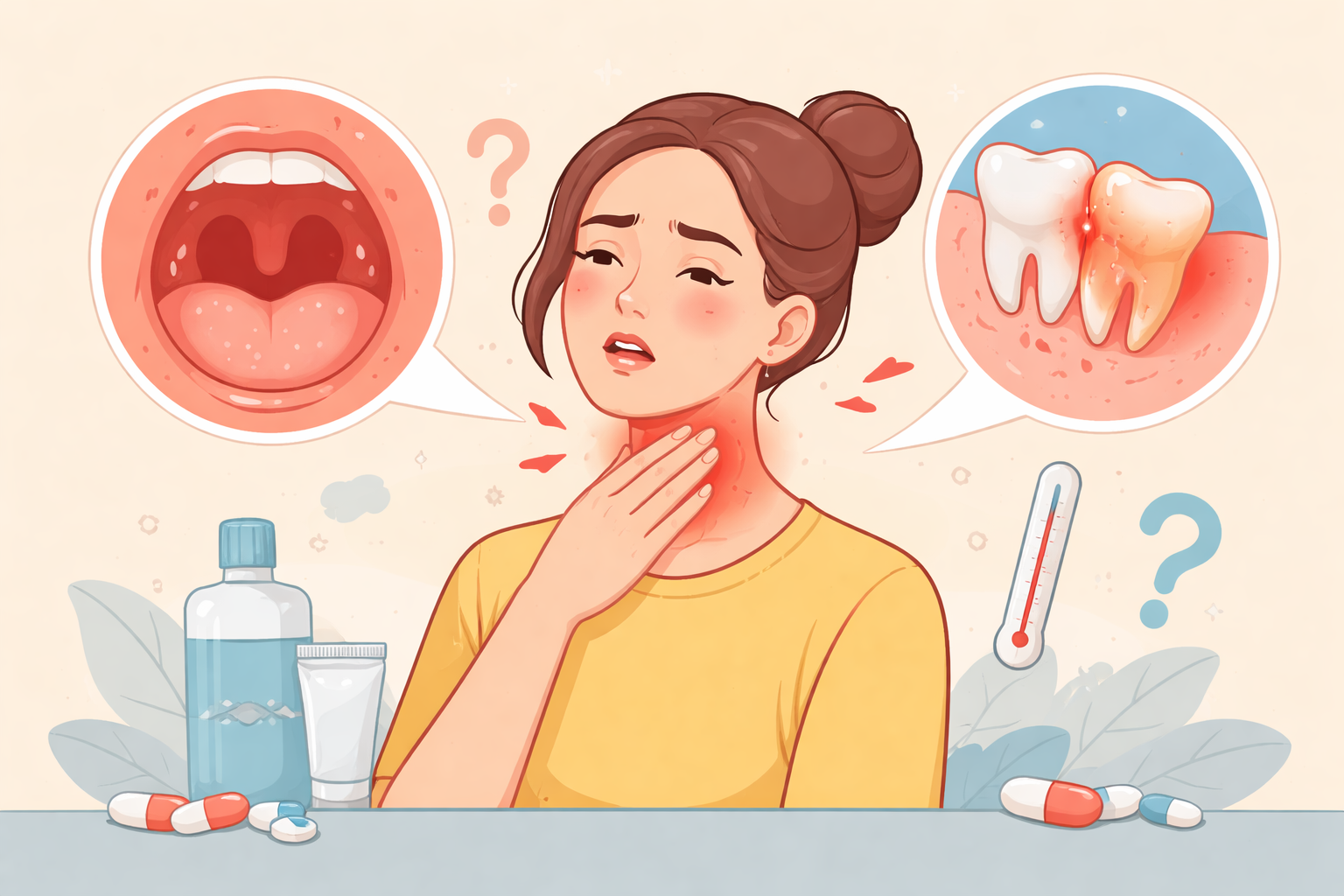
A sore throat usually brings to mind a cold, allergy flare-up, or sinus infection. But for many people, the discomfort actually begins in the back of the mouth where the wisdom teeth sit. These third molars erupt later than the rest of the teeth, and their limited space often leads to swelling, bacterial buildup, pressure, and inflammation. All of these issues can extend toward the jaw, neck, and throat, creating a soreness that feels nothing like typical illness-related throat pain.
Because the roots of the wisdom teeth sit close to key nerves and soft tissues, even minor irritation can travel to nearby areas. When gums become inflamed or infected, the discomfort spreads easily to the throat, causing symptoms that may linger for days. Many patients are surprised to learn their throat pain isn’t coming from the tonsils or sinus passages at all, but from the molars beneath the gums.
Understanding how these teeth trigger throat issues can help you recognize when the discomfort is dental in origin and when a specialist should take a closer look.
How Wisdom Teeth Can Trigger Throat Pain
Wisdom teeth erupt between ages 17 and 25, though some stay partially covered or never break through the gums. Their position at the very back of the mouth makes them vulnerable to bacteria, pressure, and inflammation—all of which can spread to the throat.
Gum Inflammation That Radiates
When a wisdom tooth is only partially visible, a small flap of gum tissue remains over it. This area easily traps food particles, allowing bacteria to accumulate. As the tissue becomes inflamed, the irritation can radiate toward the throat, making swallowing uncomfortable.
Even if the gum area looks mildly irritated, the throat may feel significantly more painful because the tissues in this region are closely connected.
Pressure From Impaction
An impacted wisdom tooth grows at an angle or remains stuck against another tooth or bone. This constant pressure is often felt as jaw tightness, ear discomfort, and throat soreness. The discomfort is similar to what people experience when learning about long term effects of keeping problematic third molars in place.
When pressure increases, the surrounding tissues become inflamed, making the throat feel tender even if the tooth itself is not fully visible.
Infection From Trapped Bacteria
The small pocket around a partially erupted wisdom tooth becomes an ideal space for bacteria to grow. Once bacteria multiply, infection spreads quickly into nearby tissues. The result may include swollen lymph nodes, fever, persistent throat soreness, or pain radiating toward the ear.
Some people also experience recurring episodes of infection when the tooth repeatedly opens and closes the gum pocket during chewing.
Symptoms That Suggest Your Wisdom Teeth Are Causing the Sore Throat
Throat pain linked to wisdom teeth often comes with other oral symptoms. Paying attention to these patterns can help you understand what’s really happening.
Swollen or Tender Gums
If you notice swelling or tenderness behind the last molar, especially when brushing or chewing, your throat discomfort may be related. The area may appear red or slightly elevated.
Jaw Stiffness or Reduced Mouth Opening
Inflamed tissue near an erupting or impacted wisdom tooth can make the jaw feel tight. Some people experience difficulty opening wide, which may occur alongside throat soreness.
Ear Discomfort or Neck Tenderness
The nerves in the jaw, ear, and throat are interconnected. When wisdom teeth irritate one area, the sensation often spreads to others. This is why throat irritation is sometimes paired with a dull ache near the ear.
Bad Breath or Unpleasant Taste
When bacteria collect under the gum tissue, foul breath is common. As the infection spreads toward the throat, it may create irritation that feels deeper than a typical sore throat.
Pain That Resembles Other Dental Problems
Symptoms may overlap with general tooth discomfort, making it harder to determine the source. Learning how tooth pain differs from wisdom tooth discomfort can help clarify the cause.
Why Sore Throats Worsen During Wisdom Tooth Eruption
Several factors can intensify throat pain when wisdom teeth are involved.
Hard-to-Clean Areas
The gum flap covering a partially erupted wisdom tooth is difficult to clean effectively. Food debris builds up quickly, and even strong rinses may not fully remove the bacteria. When the tissue becomes more inflamed, irritation spreads into the throat.
Delayed Treatment
Ignoring early signs like gum tenderness or jaw tightness allows the inflammation to escalate. As swelling increases, the discomfort moves into deeper tissues and becomes more noticeable in the throat.
Smoking and Oral Irritation
Smoking dries the mouth, slows healing, and increases the likelihood of infection. The irritation it causes makes throat pain more severe and the gums more sensitive. This pattern of delayed recovery is similar to what people experience when learning about smoking effects after oral procedures.
Heat Exposure and Dehydration
Warm weather or outdoor activity can worsen swelling and dryness in the mouth. Dehydration reduces saliva production, which increases bacterial growth. Many patients notice similar patterns when dealing with swelling during healing in hot environments.
When You Should See a Specialist
Some symptoms indicate that the throat pain is more than temporary irritation.
Persistent or Increasing Pain
If throat soreness worsens or does not improve after a few days, the wisdom teeth may be creating ongoing inflammation.
Fever or Swollen Glands
These signs suggest infection, which should be evaluated promptly. Wisdom tooth infections can progress quickly without proper care.
Difficulty Opening Your Mouth
Severely limited range of motion may indicate deeper tissue involvement, such as infection or significant swelling.
Bleeding or Unusual Sensations
Bleeding or drainage from the gum near the wisdom tooth is not normal. Those who have recently undergone dental procedures often recognize how stitches bleeding and numbness should behave, making changes easier to spot.
How Specialists Diagnose Wisdom Tooth–Related Throat Pain
Diagnosis is straightforward and includes a combination of examination, imaging, and symptom review.
Visual Evaluation
A specialist checks the gum tissue for inflammation, tenderness, or pockets where bacteria may be trapped. They also assess the throat, lymph nodes, and jaw movement.
X-Rays
Dental imaging reveals impacted teeth, unusual angling, or hidden infections that cannot be seen during a standard visual exam.
Medical and Dental History
How your symptoms developed and when the throat pain occurs helps identify whether the wisdom teeth are directly responsible.
If further treatment is needed, the process is similar to setting up time to schedule a consultation for other oral procedures.
Treatment Options That Help Relieve the Sore Throat
At-Home Care for Mild Irritation
Warm saltwater rinses, gentle oral hygiene, and over-the-counter anti-inflammatory medication can reduce early-stage symptoms. These methods help calm irritated tissues but do not resolve impacted or infected wisdom teeth.
Professional Cleaning and Infection Management
If bacteria have accumulated under the gum flap, your provider may clean the area and prescribe antibiotics. This reduces inflammation and throat pain by treating the underlying infection.
Wisdom Tooth Extraction
In many cases, removing the problematic wisdom tooth is the most effective and lasting solution. Extraction eliminates the source of pressure, bacteria, and recurrent inflammation.
Proper Aftercare
Following post-extraction guidelines helps the tissues heal smoothly and reduces the risk of recurring throat irritation. Swelling, numbness, and gum sensitivity can vary, but most people recover quickly when they follow aftercare recommendations carefully.
Preventing Sore Throat Caused by Wisdom Teeth
Maintain Daily Oral Hygiene
Cleaning behind the molars is essential, especially when wisdom teeth are actively erupting. Gentle brushing and flossing help reduce bacteria in the area.
Stay Hydrated
Consistent hydration prevents dry mouth, which slows bacterial growth and reduces throat irritation.
Keep Regular Dental Appointments
Routine exams allow your dentist to monitor the wisdom teeth’s position and catch early signs of inflammation or impaction.
Consider Early Evaluation
If your throat pain comes and goes alongside jaw tightness, gum swelling, or ear discomfort, having the wisdom teeth evaluated early can prevent recurring inflammation and infection.
Final Thoughts
Wisdom teeth are a common but often overlooked cause of throat pain. Their late eruption, tight spacing, and tendency to trap bacteria create ideal conditions for swelling and infection that spread easily toward the throat. Many people mistake this discomfort for an unrelated illness until additional symptoms—such as jaw stiffness, gum soreness, or swollen lymph nodes—point to a dental source.
If throat irritation persists or worsens, or if it appears alongside gum swelling or difficulty opening your mouth, a specialist evaluation can bring clarity and relief. Treating the underlying wisdom tooth problem not only eases the throat pain but also prevents more serious complications from developing.

How to Choose a Trusted Wisdom Tooth Removal Clinic
April 20, 2026

Why Summer Is Perfect for Wisdom Tooth Removal
May 25, 2026

Long-Term Care Tips for Healthy Dental Implants
March 9, 2026
Sinus Lift Surgery Explained: What You Need to Know Before Dental Implants
January 13, 2026
What Really Happens If You Don’t Remove Problem Wisdom Teeth
January 16, 2026