How Oral Health Directly Impacts Your Overall Health
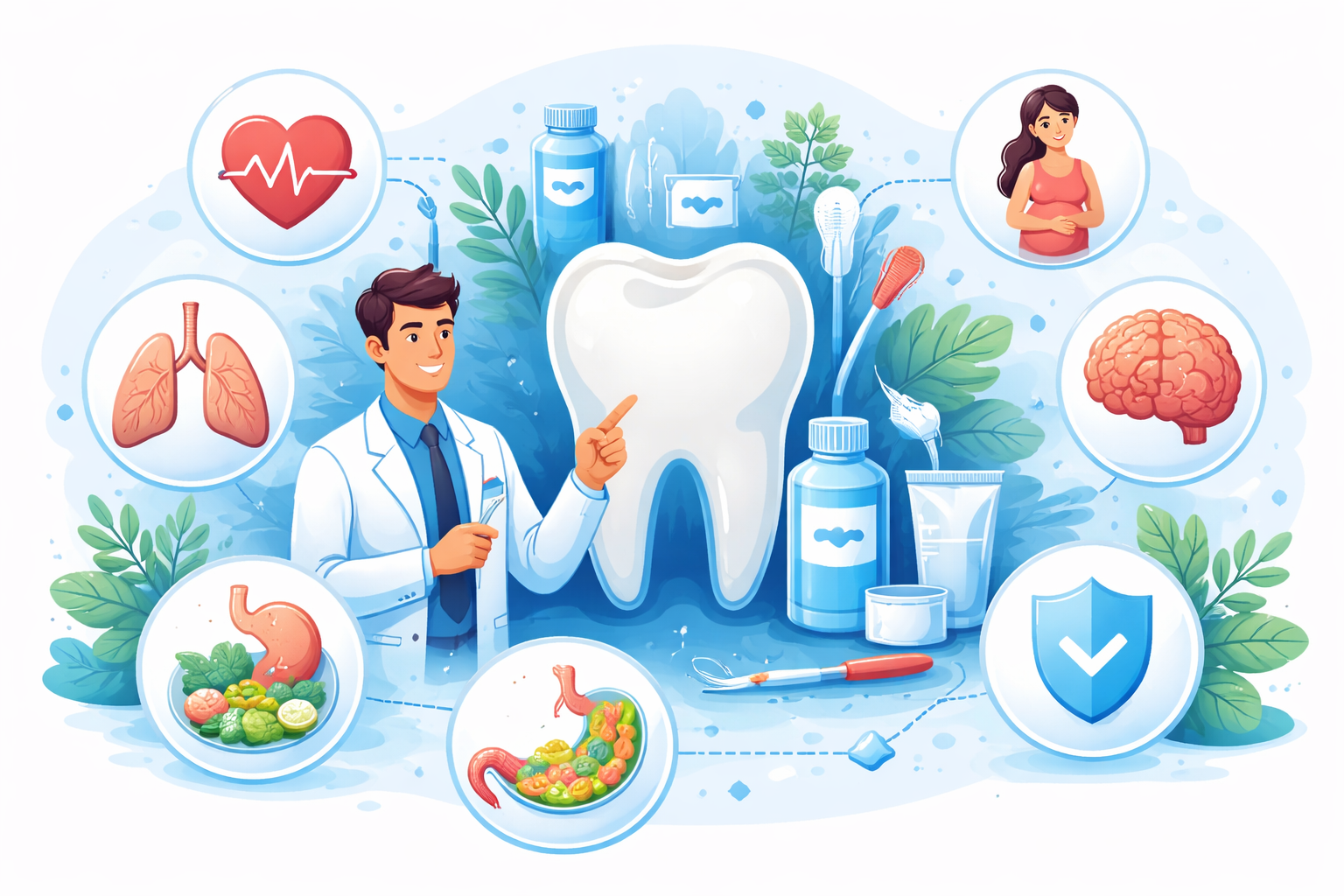
Most people think oral health only affects teeth and gums. In reality, your mouth is closely connected to the rest of your body. The condition of your oral tissues, bacterial balance, and inflammation levels can directly influence major systems including cardiovascular health, immune function, and metabolic stability.
Your mouth acts as an entry point to the body. When harmful bacteria multiply due to poor oral hygiene, they can enter the bloodstream and contribute to inflammation throughout the body. This is why maintaining strong oral hygiene habits is not just about preventing cavities — it is about protecting your long-term health.
Many patients begin learning about whole-body dental connections when exploring modern oral surgery approaches that focus on both functional and systemic health outcomes.
Understanding this connection helps you make better decisions about daily oral care, dental visits, and early treatment when symptoms appear.
The Mouth-Body Connection: How It Actually Works
Your mouth contains hundreds of bacteria species. Most are harmless, but without proper oral hygiene, harmful bacteria can grow out of control.
How Oral Bacteria Enter the Bloodstream
When gum tissue becomes inflamed or infected, bacteria can enter blood vessels through tiny openings. Once inside the bloodstream, bacteria can travel to organs and contribute to inflammatory responses.
The Role of Chronic Inflammation
Chronic oral inflammation can:
- Increase systemic inflammation levels
- Trigger immune system overreaction
- Contribute to disease progression in other organs
This is why dentists and physicians now work more closely together when managing chronic health conditions.
Oral Health and Heart Disease
How Gum Disease Affects Cardiovascular Health
Research has shown strong links between gum disease and heart disease risk. When oral bacteria enter the bloodstream, they can attach to blood vessel walls and contribute to plaque buildup.
This can increase risk of:
- Atherosclerosis
- Blood clot formation
- Stroke
- Heart attack
Warning Signs You Should Never Ignore
- Bleeding gums
- Persistent bad breath
- Swollen or tender gum tissue
- Loose teeth
If you notice these symptoms, call us at 305-552-1193 and speak with a specialist to evaluate risk early.
Oral Health and Diabetes
The Two-Way Relationship
Diabetes increases infection risk, including gum disease. At the same time, gum disease can make blood sugar harder to control.
This creates a cycle where:
- High blood sugar worsens oral infection
- Oral infection increases systemic inflammation
- Inflammation reduces insulin sensitivity
Why Diabetic Patients Need Strong Oral Care
Regular oral exams help reduce complications and improve overall metabolic control.
Oral Health and Respiratory Health
Oral bacteria can be inhaled into the lungs, especially in older adults or people with weakened immune systems.
Conditions Linked to Poor Oral Health
- Pneumonia
- Chronic obstructive pulmonary disease (COPD) complications
- Respiratory infections
Maintaining clean teeth and gums reduces bacterial load entering the respiratory system.
Oral Health and Pregnancy
Pregnancy hormones increase sensitivity to gum inflammation.
Risks Linked to Poor Oral Health During Pregnancy
- Premature birth risk
- Low birth weight risk
- Increased gum disease progression
Pregnant patients benefit from professional monitoring during pregnancy.
Oral Health and Immune System Function
Your immune system constantly interacts with oral bacteria.
When Oral Health Weakens Immunity
Chronic infection forces the immune system into constant activation. This reduces its ability to respond to other infections effectively.
Maintaining oral health helps reduce immune stress and supports overall resilience.
Oral Health and Brain Health
Emerging research suggests links between chronic oral inflammation and cognitive decline.
Possible Contributing Factors
- Chronic inflammation affecting brain tissue
- Bacteria traveling through bloodstream to brain
- Increased systemic inflammatory markers
While research is ongoing, maintaining oral health is increasingly seen as part of long-term neurological health planning.
Oral Health and Digestive Health
Digestion starts in the mouth. Poor oral health can affect digestion in several ways.
How Oral Issues Impact Digestion
- Tooth loss reduces chewing efficiency
- Bacterial imbalance affects gut microbiome
- Oral infections increase inflammatory load
Proper chewing and saliva production are essential for digestion.
How to Protect Your Oral and Overall Health
Daily Oral Care Routine
Strong daily care should include:
- Brushing twice daily
- Flossing once daily
- Antibacterial mouth rinse when recommended
- Hydration
Regular Professional Checkups
Professional exams detect problems before symptoms become severe. Many patients schedule preventive visits options to maintain long-term health monitoring.
Schedule a Visit
Book a Consultation
Lifestyle Habits That Improve Oral and Body Health
Nutrition
Diets rich in:
- Calcium
- Vitamin D
- Antioxidants
- Omega-3 fatty acids
Support oral tissue and immune strength.
Hydration
Saliva protects teeth and controls bacteria. Dehydration increases oral health risk.
Tobacco and Alcohol Reduction
Both increase risk for:
- Oral cancer
- Gum disease
- Delayed healing
- Immune suppression
When to See an Oral Health Specialist
Immediate Evaluation Signs
Seek professional evaluation if you notice:
- Persistent mouth sores
- Jaw pain
- Swelling in gums or jaw
- Difficulty chewing
- Chronic bad breath
Early treatment prevents larger systemic complications.
The Long-Term Benefits of Maintaining Strong Oral Health
Patients who maintain strong oral health often experience:
- Lower chronic inflammation levels
- Reduced cardiovascular risk
- Better diabetes control
- Stronger immune response
- Improved quality of life
Oral health is not separate from overall health — it is foundational to it.
Your Mouth Is a Window Into Your Overall Health
Modern medicine continues to confirm what dental professionals have long observed — oral health plays a critical role in total body health.
Taking care of your teeth and gums is one of the simplest and most effective ways to protect long-term health. Preventive care, early diagnosis, and consistent hygiene habits create long-term health benefits far beyond your smile.
If you have not had an oral evaluation recently, proactive care can help prevent serious complications later.
Alcohol After Wisdom Teeth Removal: When Is It Safe to Drink?
May 6, 2026
Long-Term Care Tips for Healthy Dental Implants
March 9, 2026
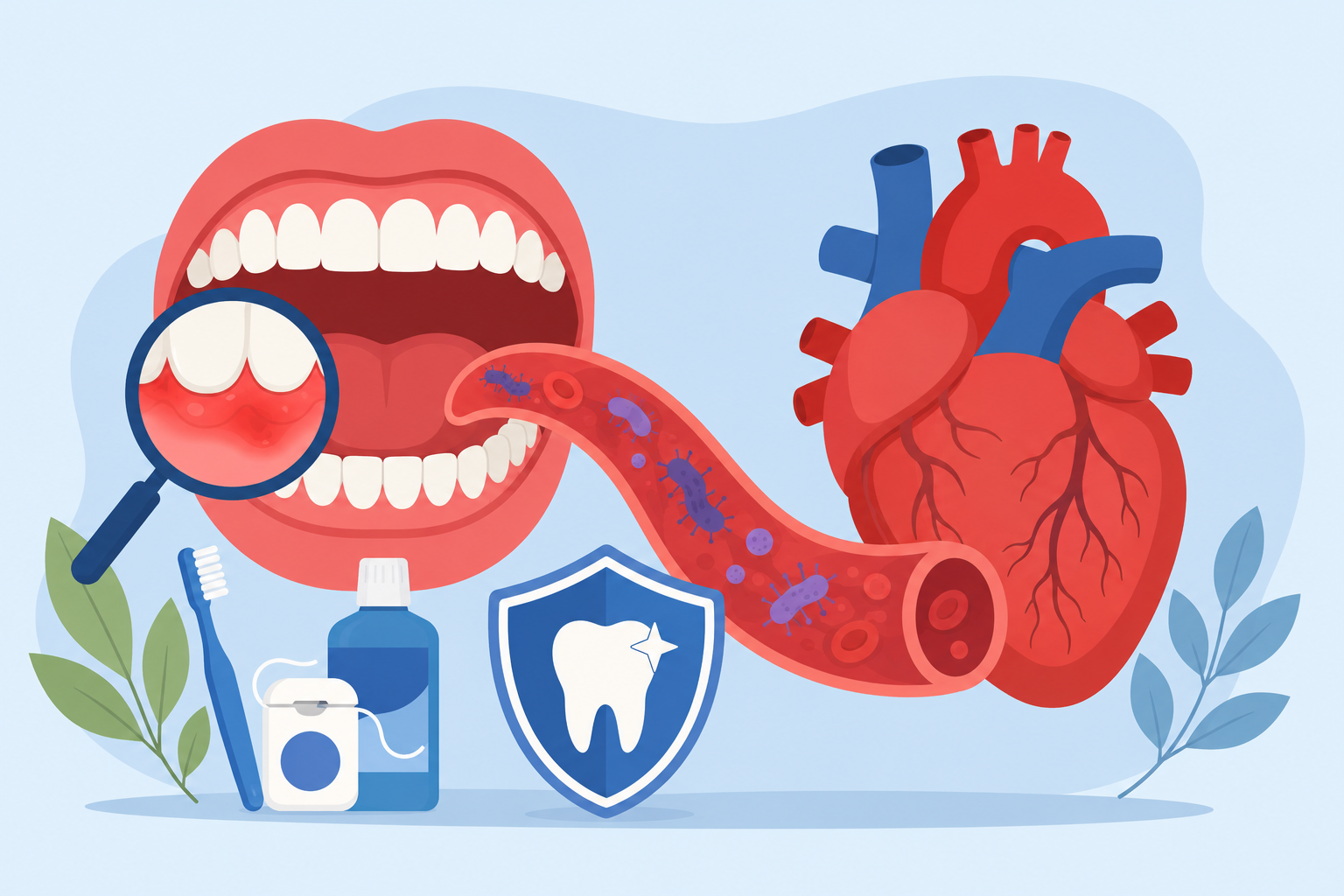
Oral Health and Heart Disease: What to Know
May 6, 2026
Can You Stay Awake During Wisdom Tooth Removal? Here’s the Honest Answer
December 20, 2025

Oral Care for Seniors: Simple Tips for Healthy Aging
April 27, 2026