How Rare Are Serious Wisdom Tooth Complications?
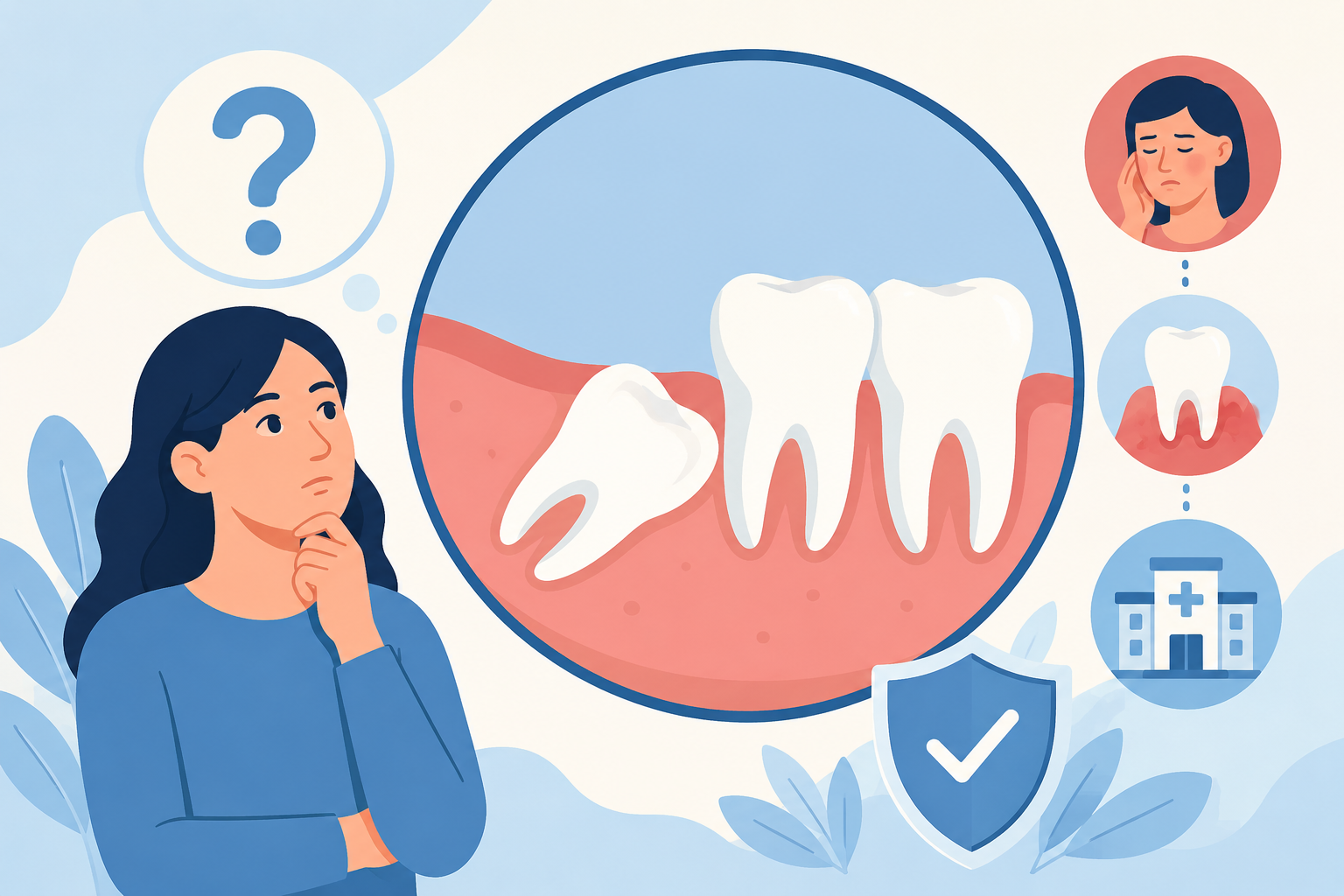
Wisdom tooth removal often sounds more intimidating than it actually is. While it is still a surgical procedure, serious complications are far less common than many people expect. With modern imaging, experienced oral surgeons, and clear post-operative care, the vast majority of patients heal without long-term issues. Understanding how rare serious complications truly are can help replace anxiety with confidence.
Wisdom teeth are removed every day, and most patients experience only temporary discomfort during recovery. Knowing what is normal, what is rare, and what factors influence outcomes allows patients to make informed decisions without unnecessary fear.
Why Wisdom Teeth Sometimes Cause Problems
Wisdom teeth typically emerge between the late teens and mid-20s. Because they are the last teeth to erupt, many people simply do not have enough space in their jaw to accommodate them properly. When wisdom teeth erupt at an angle, remain partially trapped, or stay fully impacted, they can create conditions that encourage inflammation, decay, or infection.
In some cases, pressure from wisdom teeth can affect neighboring molars, which is why untreated complications occasionally lead to restorative solutions like dental implants later in life.
How Common Are Wisdom Tooth Complications Overall?
From a clinical standpoint, wisdom tooth removal is considered low risk. Most post-extraction symptoms—such as swelling, soreness, and limited jaw movement—are expected and temporary. These effects typically peak within the first few days and gradually improve.
Serious complications occur in a small percentage of cases and are usually linked to factors such as tooth position, patient health, or delayed treatment rather than the procedure itself.
Normal Healing vs. True Complications
What Most Patients Experience
Mild swelling, tenderness, and light bleeding during the first 24 hours are normal. These symptoms indicate the body is responding appropriately to surgery and beginning the healing process.
What Raises Concern
Symptoms that worsen instead of improve, such as increasing pain after several days, unusual discharge, or prolonged numbness, should be evaluated. Even then, most concerns are easily treated when addressed early.
Post-operative sensations involving stitches bleeding or brief numbness are often mistaken for complications, but they are usually part of normal recovery.
Rare Wisdom Tooth Complications Explained
Dry Socket
Dry socket occurs when the protective blood clot at the extraction site becomes dislodged. While painful, it is not dangerous and responds well to treatment. It affects only a small portion of patients and is more common in smokers.
Infection
Infections after wisdom tooth removal are uncommon. When they occur, they are usually mild and resolve quickly with proper care. Severe infections are extremely rare, especially with prompt follow-up.
Nerve Irritation
Temporary nerve irritation can cause numbness in the lips, chin, or tongue. Permanent nerve damage is exceptionally rare and is largely avoided through detailed imaging and surgical planning.
Long-Term Complications: How Rare Are They?
Long-term complications following wisdom tooth removal are very uncommon. Most patients heal fully and resume normal oral function without lasting effects.
In contrast, delaying or avoiding the removal of problematic wisdom teeth can increase the risk of chronic issues. Long-term effects shows higher rates of infection, gum disease, and damage to adjacent teeth.
Factors That Influence Risk Levels
Tooth Position
Deeply impacted or sideways-growing wisdom teeth carry slightly higher surgical complexity, though modern techniques significantly reduce associated risks.
Age at Removal
Younger patients generally experience faster healing and fewer complications. As bone density increases with age, extractions can become more complex later in life.
Overall Health
Smoking, certain medical conditions, and poor oral hygiene can increase complication risk. Proper evaluation and preparation help mitigate these factors.
Pain After Removal vs. Dental Pain Before Surgery
Many patients struggle to distinguish between expected healing discomfort and problematic pain. Comparing post-extraction soreness with
wisdom tooth pain experienced before surgery helps clarify expectations. Healing pain typically improves daily, while unresolved dental pain often intensifies.
Understanding this difference helps patients recognize when recovery is progressing normally.
How Oral Surgeons Reduce Complication Risk
Advanced Diagnostics
Modern imaging allows surgeons to assess nerve placement, bone structure, and tooth orientation before surgery begins. This planning dramatically lowers complication rates.
Precise Surgical Techniques
Minimally invasive approaches reduce trauma, limit swelling, and support faster healing.
Structured Follow-Up
Post-operative care does not end when the procedure is over. Follow-ups ensure healing stays on track and address concerns early. In rare cases where future restoration is needed, discussions may naturally include timing for an schedule consultation as part of long-term planning.
Should Serious Complications Be a Major Concern?
For most patients, serious wisdom tooth complications are unlikely. The procedure’s safety record is well-established, and outcomes are overwhelmingly positive when treatment is performed by an experienced provider.
In many cases, proactive removal actually prevents more significant oral health problems in the future.
Final Takeaway
Serious wisdom tooth complications are rare, and most patients heal without long-term issues. Fear often comes from uncertainty rather than actual risk. With accurate diagnosis, proper surgical care, and good recovery habits, wisdom tooth removal remains a safe and effective procedure.
Understanding the real risks helps patients approach treatment with clarity instead of concern.

Are Wisdom Teeth Genetic? What Families Should Know
May 11, 2026

Morning vs. Night Oral Care: What Experts Recommend
January 27, 2026

Safe Foods to Eat After Wisdom Tooth Removal Surgery
February 16, 2026

How to Choose a Wisdom Tooth Clinic
June 19, 2026

10 Common Myths About Wisdom Tooth Removal
November 12, 2025