Sinus Lift Surgery Explained: What You Need to Know Before Dental Implants
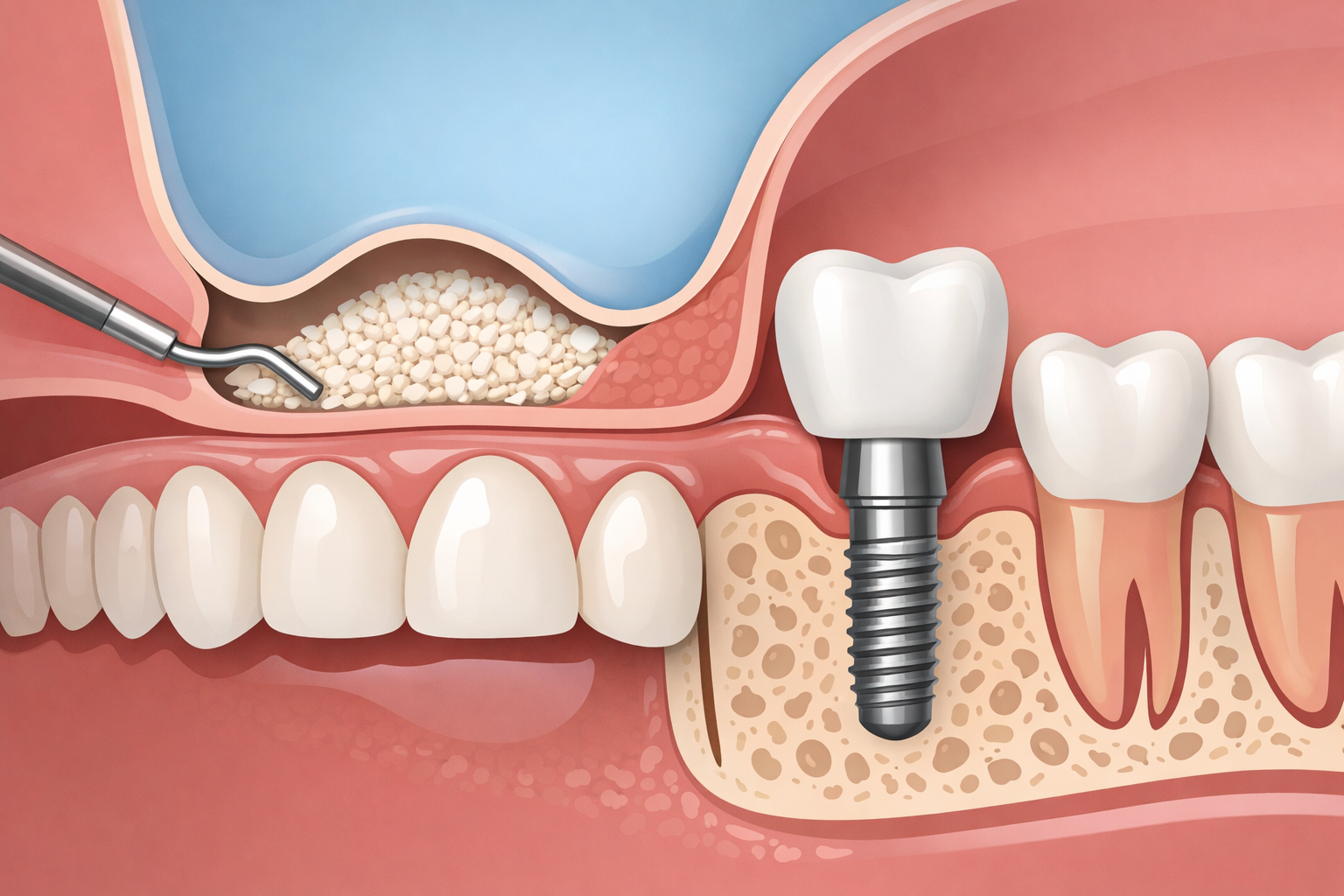
If you’ve been told you need a sinus lift before getting dental implants, you’re not alone. Sinus lift surgery is a common and highly effective oral surgery procedure that helps create enough bone for secure, long-lasting implants in the upper jaw. While the name may sound intimidating, the process is safe, predictable, and routinely performed by experienced specialists.
This in-depth article explains what sinus lift surgery is, why it’s needed, how the procedure works, what recovery looks like, and how it supports successful dental implant treatment.
What Is Sinus Lift Surgery?
A sinus lift, also known as sinus augmentation, is a surgical procedure that adds bone to the upper jaw in the area of the molars and premolars. The goal is to create enough bone height to safely place dental implants.
Your maxillary sinuses sit directly above your upper jaw. When bone loss occurs due to missing teeth, gum disease, or natural anatomy, the sinus cavity can expand downward, leaving too little bone for implant placement. A sinus lift gently raises the sinus membrane and places bone graft material underneath, allowing new bone to form over time.
Once healing is complete, the jaw has the strength and volume needed to support dental implants securely.
Why Sinus Lift Surgery Is Sometimes Necessary
Dental implants require a strong, healthy foundation of jawbone. Without enough bone, implants cannot properly integrate, which increases the risk of failure.
You may need a sinus lift if:
- You lost upper back teeth years ago
- You’ve experienced jawbone shrinkage
- Your sinus cavity is naturally positioned low
- You have advanced periodontal disease
- You’ve worn dentures for many years
Bone loss begins shortly after tooth extraction. Over time, the jawbone becomes thinner and weaker, especially in the upper posterior region. Sinus lift surgery rebuilds that lost structure.
Patients learning about advanced oral surgery often discover how modern bone regeneration techniques now make implant treatment possible even after years of bone loss.
How Sinus Lift Surgery Works
Sinus lift surgery is typically performed by an oral and maxillofacial surgeon and follows a precise, controlled process.
Step 1: Pre-Surgical Evaluation
Your surgeon begins with 3D imaging to examine:
- Bone density
- Sinus position
- Jaw structure
- Nerve pathways
This detailed imaging allows for precise surgical planning and helps determine how much bone grafting is needed.
Patients who are older or managing chronic conditions often benefit from the same personalized surgical planning used in oral senior care procedures.
Step 2: Anesthesia and Comfort
Sinus lift surgery can be performed under:
- Local anesthesia
- IV sedation
- General anesthesia
The level of sedation depends on your comfort level and the complexity of the procedure.
Step 3: Creating Access to the Sinus
A small incision is made in the gum tissue to expose the jawbone. A tiny window is created in the bone to access the sinus membrane.
The sinus lining is carefully lifted upward without puncturing it. This creates space for the bone graft material.
Step 4: Bone Grafting
Bone graft material is placed into the newly created space. This material may come from:
- Synthetic bone
- Donor bone
- Your own bone
- A combination of sources
Over the next several months, your body naturally integrates the graft and builds new bone.
Step 5: Healing and Implant Placement
Healing typically takes four to nine months. Once enough new bone has formed, your dental implants can be placed securely.
What to Expect After Sinus Lift Surgery
Recovery from sinus lift surgery is usually smooth and well-tolerated. Most patients return to normal activities within a few days.
Common Post-Surgical Symptoms
You may experience:
- Mild swelling
- Light bruising
- Nasal congestion
- Minor bleeding
- Tenderness in the upper jaw
These symptoms typically improve within a week.
If swelling becomes severe or feels abnormal, it may resemble emergency facial swelling that should be evaluated promptly.
Important Aftercare Instructions
Your surgeon may advise you to:
- Avoid blowing your nose for two weeks
- Sneeze with your mouth open
- Avoid heavy lifting or straining
- Take prescribed medications as directed
- Keep your head elevated when resting
Following these guidelines protects the sinus membrane while it heals.
Is Sinus Lift Surgery Painful?
Most patients report minimal discomfort. Modern anesthesia and surgical techniques make sinus lift surgery far more comfortable than many expect.
If you’ve ever experienced fever or chills after dental treatment, understanding post-operative symptoms similar to fever can help you know when to call your surgeon.
Who Is a Good Candidate for Sinus Lift Surgery?
You may be a good candidate if you:
- Want dental implants in the upper jaw
- Have insufficient bone height
- Are in good overall health
- Have healthy gums
- Do not have uncontrolled sinus infections
Even patients with medical conditions may qualify with careful planning.
Many patients also want to understand how insurance coverage applies before starting treatment.
Long-Term Benefits of Sinus Lift Surgery
Patients who undergo sinus lift surgery often enjoy:
- Strong, stable dental implants
- Improved chewing ability
- Better facial structure support
- Increased confidence
- Long-lasting oral health
Dental implants supported by healthy bone restore both function and appearance.
Final Thoughts
If you want dental implants but lack sufficient upper jawbone, sinus lift surgery is often the solution that makes treatment possible. It is safe, effective, and widely performed with excellent results.
With the right surgical team and proper aftercare, sinus lift surgery can be a life-changing step toward restoring your smile.
What Really Happens If You Don’t Remove Problem Wisdom Teeth
January 16, 2026
Can Dental Implants Fail? Causes and Prevention Guide
March 16, 2026

When Wisdom Tooth Pain Is an Emergency (and When It Can Wait)
January 1, 2026
Questions to Ask Before Wisdom Tooth Extraction
December 23, 2025
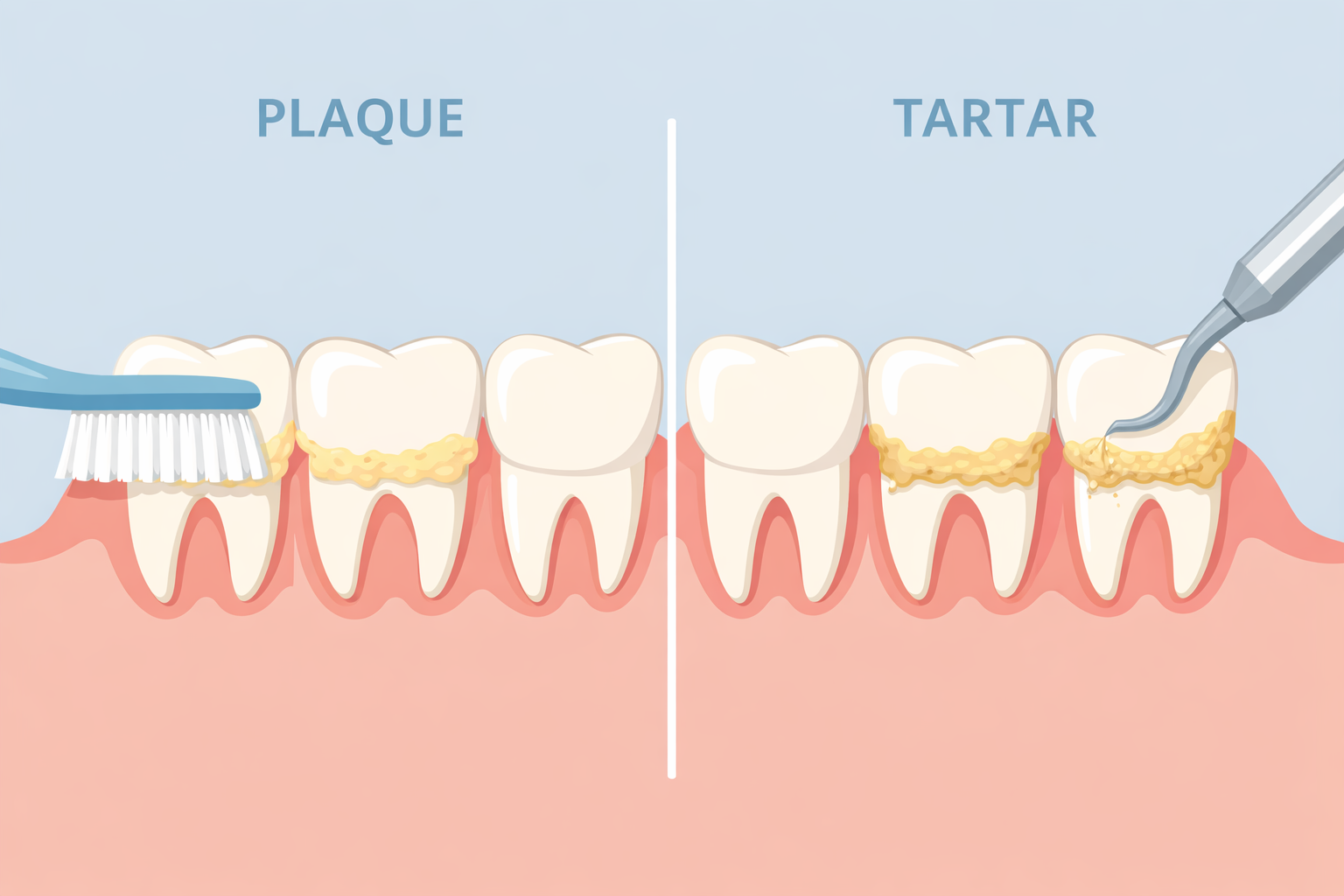
Plaque vs. Tartar: What’s the Difference?
January 16, 2026