Questions to Ask Before Wisdom Tooth Extraction

Wisdom tooth extraction is one of the most common oral surgery procedures, yet many patients still feel unsure about what lies ahead. That uncertainty often leads to unnecessary anxiety, confusion about recovery, and questions that only surface after the procedure—when answers feel more urgent.
Asking the right questions before wisdom tooth extraction helps you understand your specific situation, feel confident about the plan, and avoid unexpected outcomes. Whether you’re dealing with discomfort, pressure, or visible swelling, being informed allows you to move forward with clarity and peace of mind.
Why Asking Questions Before Wisdom Tooth Removal Matters
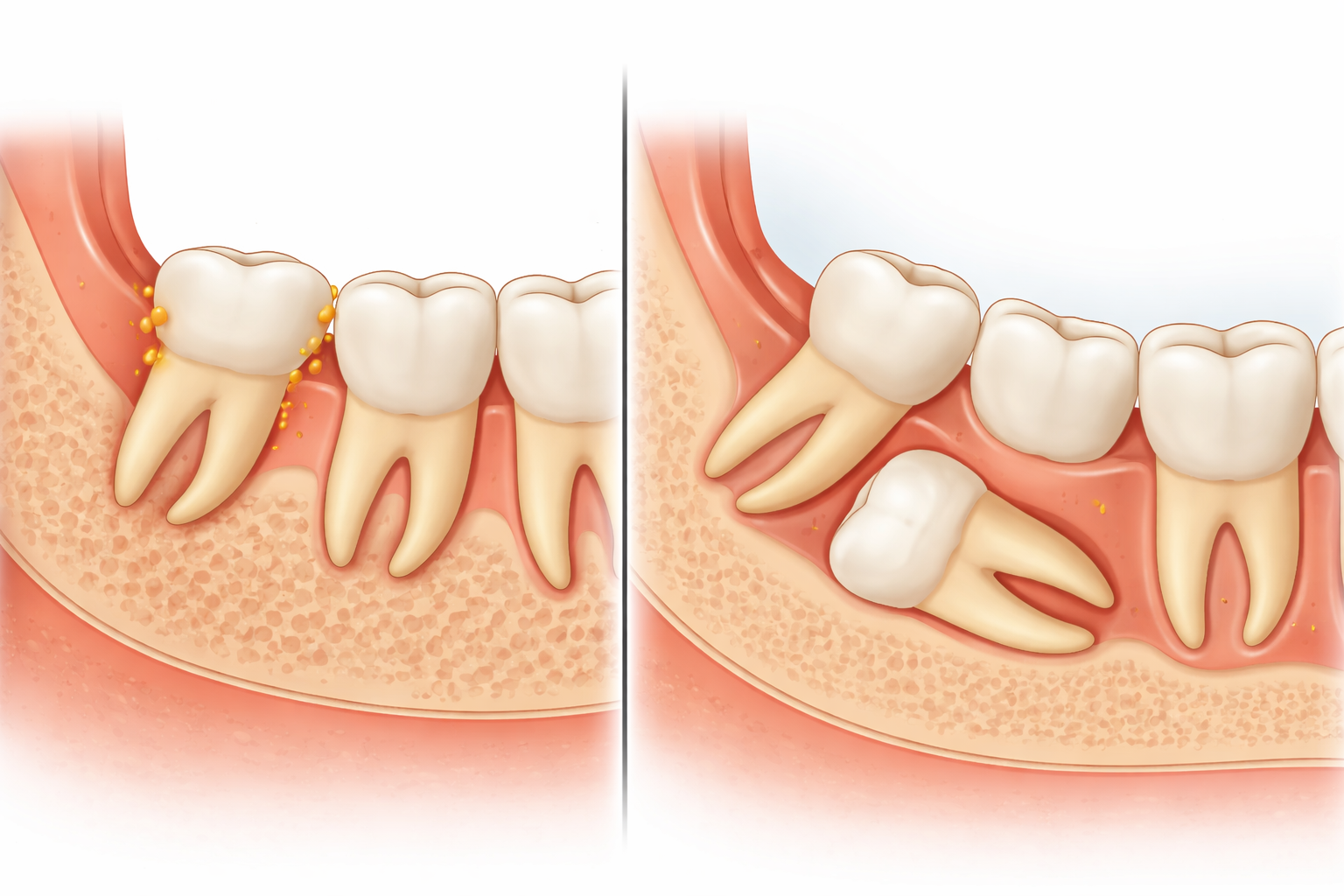
Wisdom teeth don’t affect everyone the same way. Some erupt normally and remain problem-free, while others become impacted, partially erupted, or difficult to clean. These differences make it essential to understand how your anatomy and symptoms influence the need for removal.
Patients experiencing swollen gums often discover that inflammation has been building quietly beneath the surface long before pain becomes noticeable. Early conversations with an oral surgeon help prevent those issues from escalating into infections or damage to nearby teeth.
Clear communication before surgery helps you:
- Understand why extraction is recommended
- Set realistic recovery expectations
- Reduce anxiety around the procedure
- Plan time off work, school, or travel
- Lower the risk of complications during healing
Questions About Whether Removal Is Necessary
Do My Wisdom Teeth Actually Need to Be Removed?
Not every wisdom tooth requires extraction. Some grow in fully, align properly, and can be cleaned easily. Others may pose risks even if symptoms feel mild or intermittent.
Important questions to ask include:
- Are my wisdom teeth currently causing damage or infection?
- Is removal preventive or urgent?
- What risks exist if they are left untreated?
Wisdom tooth problems often worsen unexpectedly, especially during trips, when managing travel with pain can become stressful and disruptive.
What Happens If I Delay Wisdom Tooth Extraction?
Delaying removal may seem harmless, but impacted wisdom teeth can trap bacteria, damage adjacent molars, and increase the risk of gum disease. Over time, untreated wisdom teeth may lead to recurring infections or cyst formation without obvious warning signs.
Understanding the consequences of delay allows you to weigh convenience against long-term oral health risks.
Questions About the Procedure Itself
Will My Extraction Be Simple or Surgical?
Wisdom tooth removal varies depending on tooth position and development. Fully erupted teeth may require a straightforward extraction, while impacted teeth often involve surgical removal from the jawbone.
Ask your oral surgeon:
- Are my wisdom teeth impacted?
- Will bone or gum tissue need to be removed?
- How complex is my extraction compared to typical cases?
These details directly influence healing time and post-operative care.
What Type of Anesthesia Will Be Used?
Anesthesia choices depend on the procedure’s complexity, your comfort level, and your medical history. Options may include local anesthesia, IV sedation, or general anesthesia.
Many patients benefit from focusing on mental preparation before surgery, which helps reduce fear and supports a calmer recovery experience.
Be sure to ask:
- Will I be awake or asleep?
- How long will the anesthesia effects last?
- Are side effects common?
How Long Will the Procedure Take?
Most wisdom tooth extractions take between 30 and 90 minutes. Knowing the estimated duration helps with transportation planning and post-surgery supervision, especially when multiple teeth are removed in one visit.
Questions About Risks and Complications
What Are the Possible Risks in My Case?
While wisdom tooth extraction is considered routine, complications can still occur. These may include dry socket, infection, delayed healing, or temporary nerve irritation.
Ask:
- What complications are most common in cases like mine?
- How often do these issues occur?
- What symptoms should prompt a follow-up visit?
Learning about rare complications helps set realistic expectations while reducing unnecessary fear.
Does My Age or Health Increase My Risk?
Age plays a significant role in healing. Younger patients often recover faster, while adults over 30 may experience increased swelling or stiffness. Medical conditions, medications, and smoking habits can also affect healing and surgical planning.
Being transparent about your health history allows your surgeon to tailor the procedure safely.
Questions About Recovery and Healing
What Will Recovery Look Like Day by Day?
Most patients experience swelling and soreness that peak within the first few days, gradually improving over the following week. Knowing what’s normal at each stage helps prevent unnecessary worry.
Ask about:
- Pain levels during the first 24 hours
- How long swelling typically lasts
- When normal activities can resume
- When healing is considered complete
What Can I Eat After Surgery?
Diet plays an important role in recovery. Soft foods help protect the extraction sites while minimizing irritation.
Ask:
- How long to stick with soft foods
- When chewing normally is safe
- Which foods increase complication risk
Proper nutrition supports faster, more comfortable healing.
How Should I Manage Pain and Swelling?
Pain management may involve prescription medication, over-the-counter pain relievers, ice packs, and rest.
Clarify:
- What medications will be prescribed
- When to use ice versus heat
- What pain levels are normal versus concerning
Clear instructions reduce anxiety during recovery.
Questions About Aftercare and Restrictions
What Activities Should I Avoid?
Physical activity too soon after surgery can disrupt healing or cause bleeding.
Ask:
- When it’s safe to return to work or school
- How long to avoid exercise
- When driving is permitted after anesthesia
How Do I Keep the Area Clean?
Proper oral hygiene is critical after extraction, but brushing and rinsing must be adjusted temporarily.
Patients who previously experienced swollen gums may need extra care to prevent reinfection.
Ask:
- When brushing can resume
- Whether saltwater rinses are recommended
- How long to avoid straws or smoking
Questions About Cost and Insurance
What Is the Total Cost of Wisdom Tooth Extraction?
Costs vary based on the number of teeth removed, anesthesia type, and surgical complexity.
Ask:
- What is included in the quoted fee?
- Are follow-up visits covered?
- Are sedation costs separate?
Will Insurance Cover the Procedure?
Insurance coverage may differ between dental and medical plans.
Clarify:
- How much insurance will cover
- Expected out-of-pocket costs
- Available payment options
Final Thoughts: Preparation Leads to Better Outcomes
Wisdom tooth extraction doesn’t have to feel overwhelming. Asking the right questions beforehand gives you clarity, confidence, and control over your care. When you understand the procedure, risks, recovery, and costs, you’re far more likely to experience a smooth and successful outcome.
Partial vs. Fully Impacted Wisdom Teeth: What You Need to Know
January 23, 2026

Are Cavities Contagious? What You Need to Know
February 2, 2026
Are Wisdom Teeth Useful or Evolutionary Leftovers?
March 10, 2026

Can You Get Your Wisdom Teeth Removed in One Visit?
March 13, 2026

Daily Habits That Keep Your Teeth Healthy for Life
January 15, 2026