Oral Surgery for Seniors: What to Know Before, During, and After Treatment

Aging brings wisdom, perspective, and—sometimes—new dental challenges. For many older adults, oral surgery becomes part of maintaining comfort, nutrition, and overall health. Whether the need involves tooth extractions, dental implants, jaw issues, or infection management, oral surgery for seniors requires thoughtful planning and specialized care.
This article explains how oral surgery differs for older adults, what risks and considerations matter most, and how seniors can prepare for smoother outcomes. The goal is clarity, confidence, and realistic expectations—without unnecessary complexity.
Why Oral Surgery Is More Common in Seniors
As people age, oral health naturally changes. Years of wear, previous dental work, chronic conditions, and medication use all influence the mouth and jaw. Seniors are more likely to experience advanced decay, fractured teeth, and progressive bone loss that affects how teeth are supported.
In many cases, treatment goes beyond routine dental care. Understanding the distinction between oral surgery and general dental treatment becomes important when infections, impacted teeth, or complex restorations are involved.
How Oral Surgery Differs for Older Adults
Age alone does not disqualify someone from oral surgery. However, senior care requires a more individualized approach. Healing capacity, medication use, and systemic health all influence surgical decisions.
Treatment planning often involves coordination with physicians, detailed imaging, and conservative surgical techniques. These steps help reduce complications and improve predictability, especially when multiple health factors are present.
Common Oral Surgery Procedures for Seniors
Tooth Extractions and Surgical Removals
Extractions are among the most common procedures for older adults. Teeth weakened by decay or fracture may not be salvageable and can become a source of ongoing infection if left untreated.
Surgical removals require careful post-operative management. Instructions related to sinus protection are especially important when extractions involve the upper jaw, where sinus anatomy plays a role in healing. Proper adherence to
sinus care instructions helps prevent complications and supports smooth recovery.
Dental Implants and Bone Support
Dental implants have become a preferred solution for seniors seeking stability and comfort compared to removable dentures. Modern implant techniques allow many older adults to regain chewing efficiency and confidence.
Treatment decisions often involve evaluating whether a single tooth replacement or a more comprehensive solution is appropriate. The long-term differences between
implant options are especially relevant for seniors considering function, maintenance, and durability.
Bone density, healing timelines, and sinus proximity are all factored into implant planning to ensure predictable outcomes.
Jaw and Bite-Related Conditions
Years of uneven bite forces, missing teeth, or arthritis can affect jaw alignment and comfort. Seniors may notice jaw fatigue, soreness, or difficulty chewing foods that were once manageable.
Oral surgery may be part of restoring balance to the bite, relieving pressure on remaining teeth, and preparing the mouth for restorative treatment.
Medical Conditions That Require Special Attention
Cardiovascular Health
Heart disease and blood pressure concerns are common among seniors. Oral surgeons carefully assess cardiovascular stability before surgery, particularly when sedation or longer procedures are involved.
Medication timing and stress management are addressed to minimize surgical risk.
Diabetes and Healing
Diabetes affects circulation and immune response, which can slow healing if blood sugar levels are poorly controlled. Seniors with diabetes often receive tailored surgical timelines and closer follow-up to ensure healthy recovery.
Bone Health and Osteoporosis
Bone quality influences extraction healing and implant stability. Seniors taking medications for osteoporosis require additional precautions, as certain drugs can affect jawbone healing.
Open communication between providers ensures safe treatment planning.
Medication Management Before Surgery
Many seniors take multiple prescriptions daily. Blood thinners, anti-inflammatory medications, and supplements must be reviewed carefully before oral surgery.
Rather than stopping medications independently, coordination with healthcare providers ensures safety without disrupting essential treatment.
Anesthesia Options for Seniors
Anesthesia is a common concern, but modern oral surgery offers safe, flexible options tailored to each patient.
Local anesthesia alone is often sufficient for many procedures. When sedation is needed, dosing is adjusted carefully to account for age, weight, and medical history.
Pre-operative evaluations ensure comfort without compromising safety.
Managing Swelling and Discomfort After Surgery
Post-surgical swelling is normal, but seniors may experience prolonged inflammation if healing is disrupted. Monitoring facial changes is especially important.
Persistent or worsening swelling, particularly when accompanied by pain or fever, can indicate infection. Recognizing the signs of
facial swelling early allows for timely intervention and reduces the risk of serious complications.
Nutrition and Hydration During Recovery
Good nutrition supports healing, especially for older adults. Soft, protein-rich foods help maintain strength without stressing surgical sites.
Hydration is equally critical, particularly for seniors taking medications that contribute to dry mouth or dehydration.
Maintaining adequate intake during recovery improves energy levels and supports immune function.
Healing Timelines for Older Adults
Healing does not stop with age, but it may take longer. Seniors often benefit from extended recovery timelines and gradual return to normal activities.
Follow-up visits allow providers to monitor progress and adjust care as needed. When sinus anatomy is involved, avoiding pressure changes and following post-operative guidance supports optimal outcomes.
When Oral Surgery Becomes Urgent
Certain symptoms require immediate attention. Severe pain, rapidly increasing swelling, fever, or difficulty swallowing should never be ignored.
Prompt evaluation helps prevent infections from spreading and reduces the likelihood of hospitalization, especially for seniors with underlying health conditions.
Expert Oral & Facial Surgery in Miami
We specialize in wisdom teeth removal, dental implants, facial trauma, and more — all performed with cutting-edge technology and a patient-first approach in a warm, welcoming environment.
Oral Surgery vs Routine Dental Care for Seniors
Some dental problems exceed the scope of routine care. Complex extractions, advanced infections, and implant placement require surgical expertise.
Understanding when care transitions from general dentistry to oral surgery helps seniors move forward confidently with appropriate treatment.
Choosing the Right Oral Surgeon for Senior Care
Experience with senior patients matters. A qualified oral surgeon understands how aging affects healing, anesthesia response, and long-term outcomes.
Clear communication, medical coordination, and a patient-centered approach define high-quality care for older adults.
Final Thoughts
Oral surgery can significantly improve comfort, function, and quality of life for seniors. With careful planning and proper aftercare, age does not prevent successful treatment.
Addressing oral health proactively helps seniors eat comfortably, speak clearly, and avoid preventable complications. Modern oral surgery is designed to support health and independence at every stage of life.
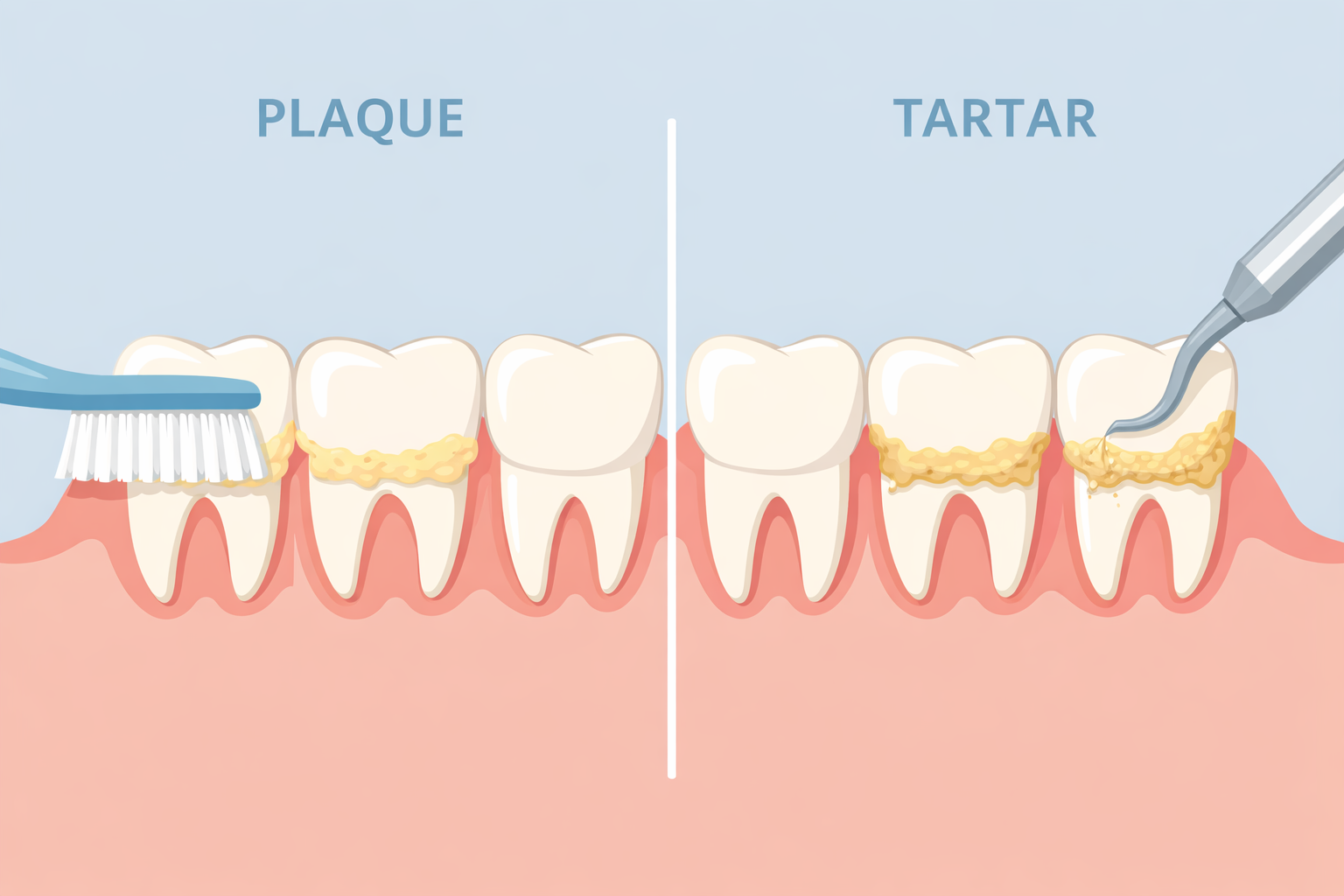
Plaque vs. Tartar: What’s the Difference?
January 16, 2026

When Can You Exercise After Tooth Removal?
January 23, 2026
When Dentists Refer You to an Oral Surgeon: What to Expect
March 17, 2026
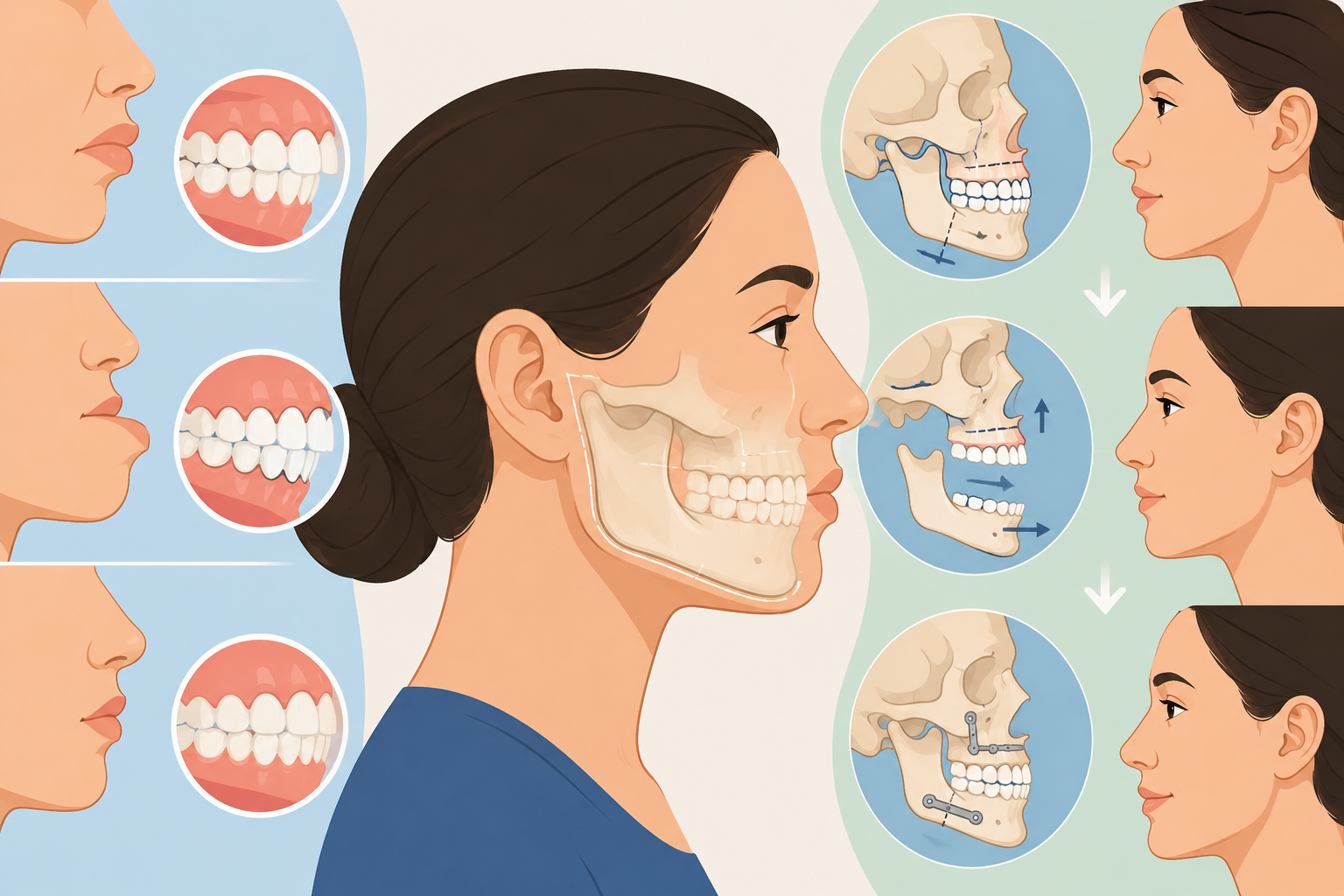
How Bite Correction Surgery Fixes Overbite, Underbite, and Jaw Alignment
May 18, 2026
Cavities Explained: Causes, Prevention, and Treatment
January 14, 2026