Can Wisdom Teeth Cause Fever or Chills?
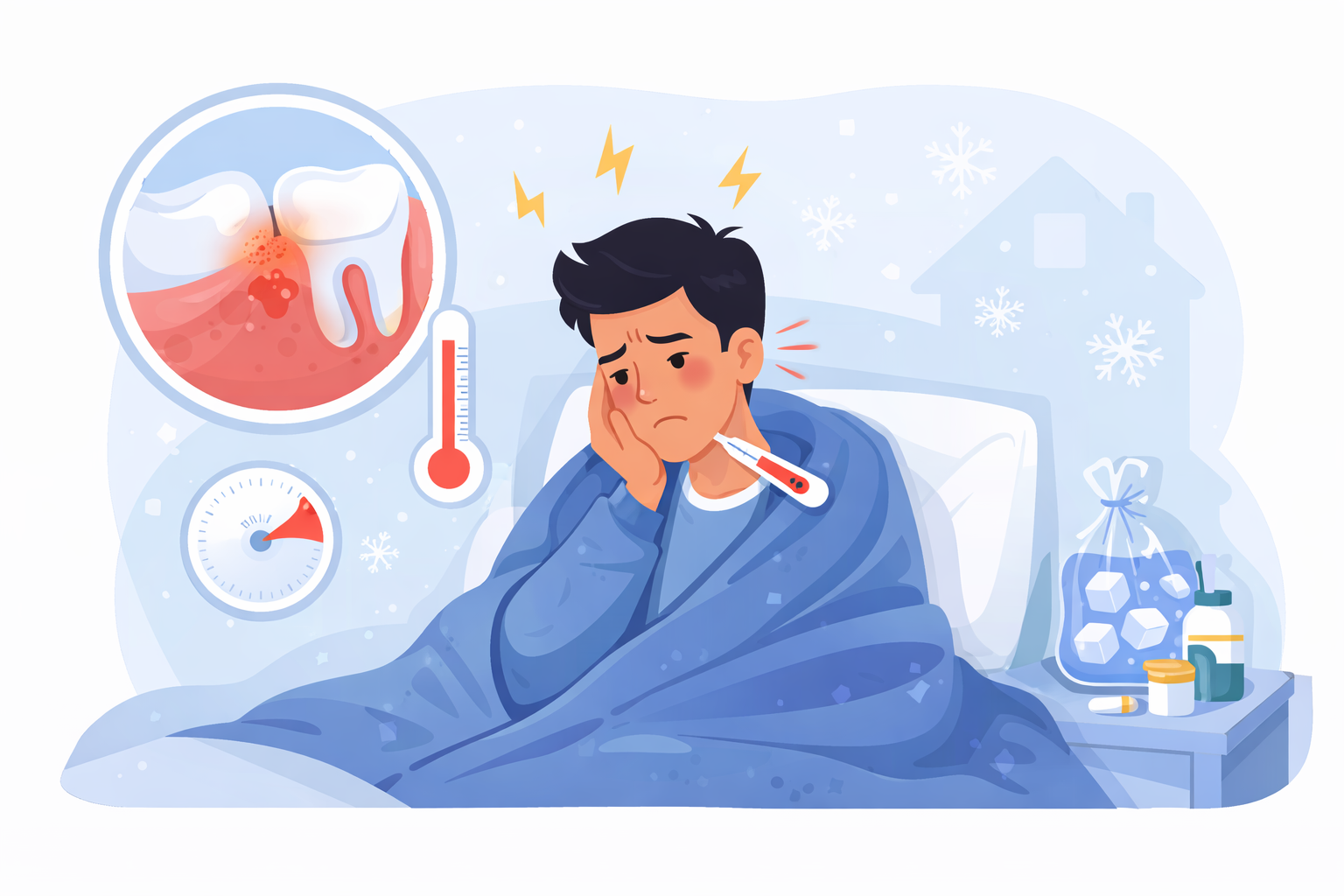
Wisdom teeth often cause discomfort, swelling, and other oral health issues, but can they actually lead to fever or chills? Many patients experience mild aches or swelling, but when systemic symptoms like fever or chills appear, it’s natural to worry. Understanding the connection between wisdom teeth and your body’s response can help you determine whether it’s a normal reaction or a sign of infection that requires professional attention.
This article explores the link between wisdom teeth and fever, why these symptoms occur, and how to manage complications effectively. We’ll also discuss preventive measures, treatment options, and when to see a dentist or oral surgeon.
Why Wisdom Teeth Can Cause Discomfort
Wisdom teeth, also called third molars, usually emerge between ages 17 and 25. Some people never develop them at all, which is a phenomenon explored in why some people never develop wisdom teeth.
For those who do, wisdom teeth can cause discomfort when they:
- Are impacted and cannot erupt fully
- Push against other teeth, leading to crowding
- Develop cavities that are difficult to clean
- Cause gum inflammation around the emerging tooth
When these situations occur, the body can react not only locally in the mouth but systemically, potentially triggering fever or chills.
Common Symptoms Associated With Wisdom Teeth
Before diving into fever, it’s helpful to understand common symptoms associated with wisdom teeth:
- Mild to severe pain in the back of the jaw
- Swelling around the gum area
- Redness or tenderness in the surrounding tissue
- Jaw stiffness or difficulty opening the mouth
Sometimes, pain from wisdom teeth can radiate, affecting front teeth as well.
While these symptoms are often manageable, the addition of fever or chills can signal an underlying infection.
How Wisdom Teeth Can Lead to Fever and Chills
Fever and chills usually occur when the body is responding to an infection. In the case of wisdom teeth, there are a few primary causes:
Pericoronitis: Infection Around Partially Erupted Teeth
One of the most common reasons for fever is pericoronitis, an infection in the gum tissue surrounding a partially erupted wisdom tooth. This occurs when bacteria accumulate under the gum flap covering the tooth.
Symptoms of pericoronitis include:
- Swelling around the back molars
- Red, tender gum tissue
- Pain when chewing or swallowing
- Fever or chills in more severe cases
Left untreated, this infection can worsen and spread, making professional intervention critical.
Abscess Formation
A dental abscess can develop if a wisdom tooth is severely decayed or the surrounding tissue becomes infected. Abscesses are pockets of pus that can lead to systemic symptoms, including:
- Persistent fever
- Chills or body aches
- Swelling in the jaw or face
- Difficulty opening the mouth
Abscesses are serious and require prompt evaluation, often including antibiotics or surgical drainage.
Other Causes of Fever Related to Wisdom Teeth
Even without an abscess or pericoronitis, erupting wisdom teeth can sometimes cause low-grade inflammation that may slightly raise body temperature. However, prolonged or high fever is rarely caused by the tooth alone and usually indicates infection.
When to Seek Professional Care
If you experience fever or chills along with wisdom tooth discomfort, it’s essential to contact a dentist or oral surgeon immediately. Other warning signs include:
- Severe jaw swelling
- Difficulty swallowing or breathing
- Intense, persistent pain
- Pus or discharge from the gum
Delaying treatment can lead to complications like spreading infections, systemic illness, or worsening jaw pain.
Managing Wisdom Tooth-Related Fever at Home
While professional care is necessary for infections, some steps can help reduce discomfort before your appointment:
- Pain Relief: Over-the-counter medications such as ibuprofen can help reduce pain and inflammation.
- Saltwater Rinses: Gentle rinsing can help clean the area and reduce bacterial buildup.
- Cold Compresses: Applying a cold pack externally may help reduce swelling.
- Soft Diet: Avoid hard or chewy foods that may aggravate the affected tooth.
These measures can temporarily alleviate symptoms, but they do not treat the underlying infection causing fever or chills.
Preventive Measures to Avoid Infection
Preventing wisdom tooth infections is the best way to avoid fever and other complications. Consider these tips:
- Regular Dental Checkups: Routine visits allow dentists to monitor the development of wisdom teeth.
- Good Oral Hygiene: Brushing and flossing, especially in the back of the mouth, can prevent bacteria buildup.
- Timely Extraction: If a wisdom tooth is impacted or prone to infection, removal may be recommended.
- Awareness During Pregnancy: Managing wisdom teeth during pregnancy requires special care.
Being proactive about oral health reduces the risk of serious complications, including systemic infections.
Can Wisdom Teeth Grow Back After Removal?
Some patients worry about whether fever or chills could occur even after removal. While rare, wisdom teeth can sometimes partially regrow or leave behind tissue that may cause problems. .
Understanding this helps patients recognize unusual symptoms early and take action to prevent infections.
Treatment Options for Wisdom Tooth Infections
Treatment depends on the severity of the infection:
Antibiotics
For infections causing fever or chills, dentists often prescribe antibiotics to manage bacterial growth before or after extraction.
Extraction
If the tooth is impacted, decayed, or causing recurrent infection, removal is typically recommended. Extraction not only resolves current symptoms but also prevents future complications.
Surgical Intervention
In cases of abscess or severe pericoronitis, minor surgery may be necessary to drain pus or remove affected tissue.
Long-Term Considerations
After recovery from a wisdom tooth infection, maintaining oral health is critical. Regular dental cleanings, monitoring for pain, and timely removal of problematic wisdom teeth can prevent recurrent fever and systemic symptoms.
Educating yourself about wisdom teeth, including how pain may spread or how infections develop, is key to avoiding complications.
Final Thoughts
While mild discomfort is normal during wisdom tooth eruption, fever or chills should never be ignored. These systemic symptoms often indicate an infection that requires professional care. Early intervention, preventive oral hygiene, and timely removal of problematic teeth can prevent serious complications and promote overall oral health.
If you experience fever alongside jaw pain, swelling, or pus, contact your dentist or oral surgeon immediately. Understanding the link between wisdom teeth and systemic symptoms empowers patients to act promptly and avoid potentially serious complications.

What Is an Odontectomy? A Clear Guide to Wisdom Tooth Surgery
February 26, 2026
Signs You Might Need a Root Canal
January 15, 2026

Best Age to Remove Wisdom Teeth: Dentist’s Guide
May 4, 2026
Swollen Gums Around Wisdom Teeth: Is This Normal or a Problem?
December 15, 2025

How Safe Is Modern Oral Surgery? What Patients Need to Know
December 30, 2025