When Wisdom Tooth Pain Is an Emergency (and When It Can Wait)
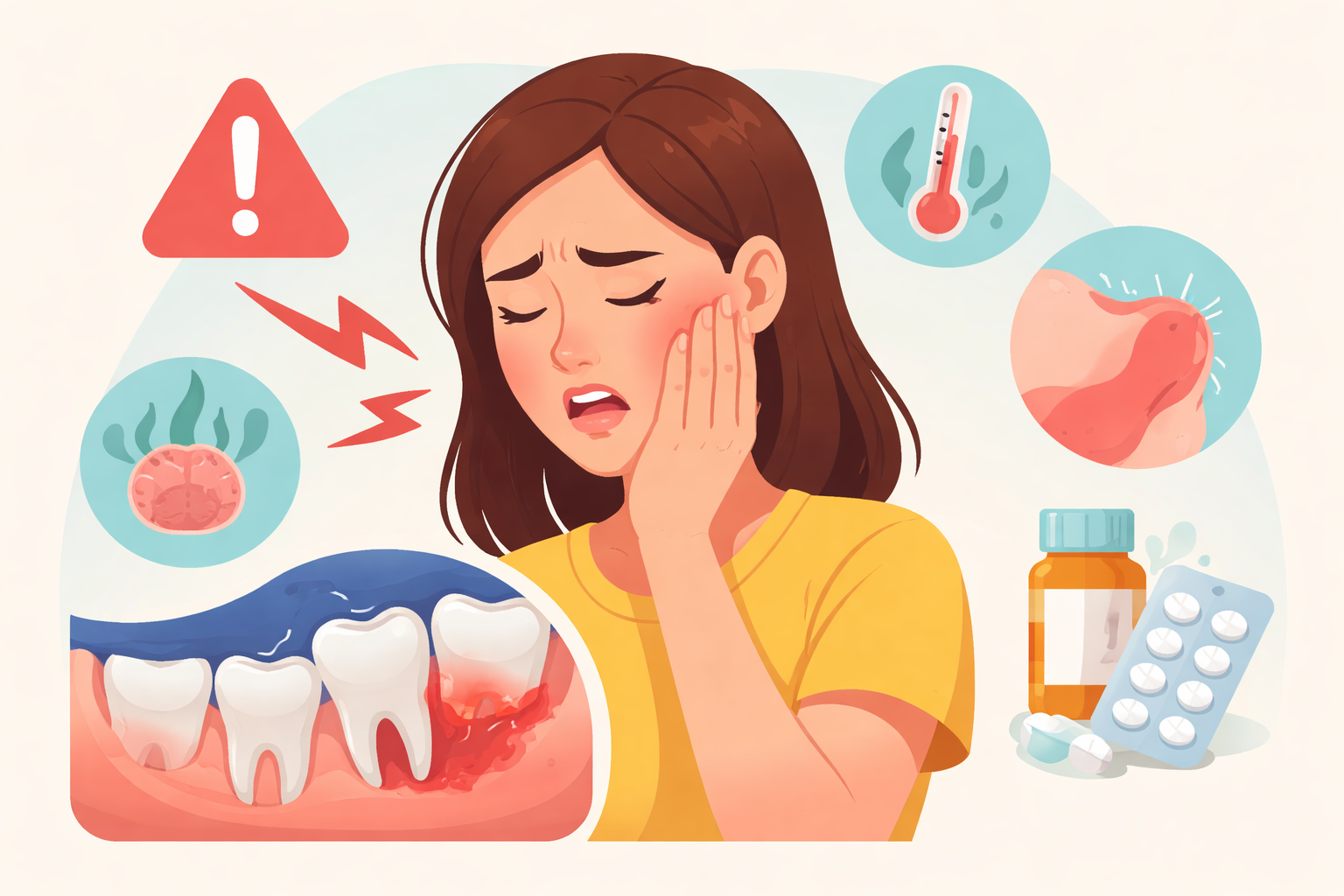
Wisdom tooth pain is common, but not all pain means danger. Some discomfort is temporary and manageable, while other symptoms point to a true dental emergency that requires immediate care. Knowing the difference can help you avoid serious infection, long-term complications, and unnecessary suffering.
This article explains when wisdom tooth pain is an emergency, the warning signs you should never ignore, and what actions to take if symptoms escalate. Whether your wisdom teeth are erupting, impacted, or already removed, understanding these signals allows you to respond with confidence and clarity.
Understanding Normal vs. Dangerous Wisdom Tooth Pain
Wisdom teeth, also known as third molars, typically emerge between the late teens and mid-twenties. Because they erupt last and often lack adequate space, they are more prone to inflammation, infection, and pressure-related pain.
Not every ache is cause for alarm, but certain symptoms clearly signal a more serious problem.
What Normal Wisdom Tooth Pain Feels Like
Typical, non-emergency wisdom tooth discomfort may include:
- Mild aching at the back of the jaw
- Temporary gum tenderness
- Pressure while chewing
- Short-term jaw stiffness
When Wisdom Tooth Pain Becomes an Emergency
Wisdom tooth pain becomes an emergency when it involves infection, rapid swelling, nerve involvement, or systemic symptoms. These conditions can worsen quickly and affect more than just your mouth.
Emergency Warning Signs You Should Never Ignore
If you experience any of the symptoms below, wisdom tooth pain should be treated as urgent.
Severe or Persistent Pain
Pain that:
- Is sharp, throbbing, or intense
- Lasts longer than 48 hours
- Worsens instead of improving
- Spreads to the ear, temple, or neck
Severe pain often indicates deep infection, abscess formation, or nerve irritation. Temporary relief from pain medication does not resolve the underlying issue.
Rapid or Expanding Facial Swelling
Facial swelling is one of the clearest signs of a dental emergency. When swelling spreads into the cheek, jaw, or neck, it often signals an advancing infection.
Seek immediate care if swelling:
- Appears suddenly
- Feels hard, tight, or warm
- Causes facial asymmetry
- Continues to worsen
Swelling paired with pain should never be ignored.
Fever or Flu-Like Symptoms
A fever indicates your body is fighting infection. When wisdom tooth pain is accompanied by systemic symptoms, urgent evaluation is critical.
Emergency warning signs include:
- Fever above 100.4°F (38°C)
- Chills or night sweats
- Fatigue or body aches
These symptoms suggest the infection may be spreading beyond the tooth.
Difficulty Opening the Mouth
Progressive jaw stiffness, also called trismus, can occur when infection spreads into the surrounding muscles and tissues.
This can interfere with:
- Eating
- Speaking
- Maintaining oral hygiene
Limited jaw movement combined with pain and swelling requires immediate professional care.
Trouble Swallowing or Breathing
Any wisdom tooth pain associated with difficulty swallowing or breathing is a medical emergency. These symptoms may indicate swelling or infection affecting the throat or airway and require immediate treatment.
Wisdom Tooth Conditions That Can Escalate Quickly
Certain wisdom tooth-related problems are especially likely to become emergencies if left untreated.
Pericoronitis
Pericoronitis occurs when bacteria become trapped beneath the gum flap of a partially erupted wisdom tooth. Early symptoms may be mild, but advanced infection can lead to:
- Severe pain
- Pus discharge
- Fever
- Facial swelling
Without prompt treatment, the infection can spread to deeper tissues.
Dental Abscess
A dental abscess is a pocket of pus caused by bacterial infection. Abscesses related to wisdom teeth often develop beneath the gumline and may not be immediately visible.
Emergency signs include:
- Intense, throbbing pain
- Firm or pressure-filled swelling
- Persistent bad taste
- Ongoing bad breath
Abscesses require urgent drainage and antibiotics.
Cellulitis
Cellulitis is a serious soft-tissue infection that can originate from an untreated dental infection. When wisdom tooth pain leads to cellulitis, swelling spreads rapidly and can become life-threatening.
Immediate medical and surgical care is required.
When Wisdom Tooth Pain After Removal Is an Emergency
Pain can also become urgent after wisdom tooth extraction.
Dry Socket Pain That Intensifies
Some soreness is normal during healing, but dry socket causes severe pain that:
- Begins 2–4 days after surgery
- Radiates to the ear or side of the head
- Is accompanied by a foul taste or odor
Signs of Post-Surgical Infection
After extraction, seek urgent care if you experience:
- Increasing pain after initial improvement
- Fever
- Pus or thick discharge
- Swelling that worsens after the third day
Post-operative infections should never be ignored.
When Wisdom Tooth Pain Is Not an Emergency
Not all wisdom tooth pain requires immediate care. Symptoms that can usually wait include:
- Mild soreness that improves daily
- Temporary gum irritation
- Discomfort after chewing hard foods
- Pressure without swelling or fever
Managing diet can help during these periods, especially with proper meal planning before and after surgery.
What to Do If You Suspect a Wisdom Tooth Emergency
Taking the right steps early can prevent serious complications.
Seek Immediate Professional Care
Contact an oral surgeon or emergency dental provider as soon as possible. If breathing or swallowing is affected, go directly to the emergency room.
Avoid Masking Symptoms
Relying solely on pain medication can hide symptoms while infection worsens underneath.
Use Cold Compresses
Cold compresses help control swelling. Heat should be avoided during active infection.
Follow Aftercare Instructions Carefully
After treatment, rest and positioning matter. Maintaining a proper sleep position during recovery can significantly reduce swelling and discomfort.
Why Early Treatment Matters
Delaying emergency care for wisdom tooth pain can result in:
- Hospitalization
- Spread of infection to the neck or bloodstream
- Nerve damage
- Longer, more complex recovery
Prompt treatment is safer, faster, and often less invasive.
Final Takeaway
Wisdom tooth pain should never be ignored when it becomes severe, persistent, or accompanied by swelling, fever, or difficulty swallowing. These are not normal symptoms and require urgent care.
Trust the warning signs and act early—your oral health and overall well-being depend on it.
Can You Drink Coffee After Wisdom Tooth Removal?
February 24, 2026
Anesthesia Options for Wisdom Tooth Extraction
April 24, 2026
Can Impacted Wisdom Teeth Cause Front Teeth Discomfort?
June 4, 2026
Can Wisdom Teeth Trigger Chronic Headaches?
May 25, 2026
Can Wisdom Teeth Cause Neck Pain and Stiffness?
June 5, 2026