What Really Happens If You Don’t Remove Problem Wisdom Teeth
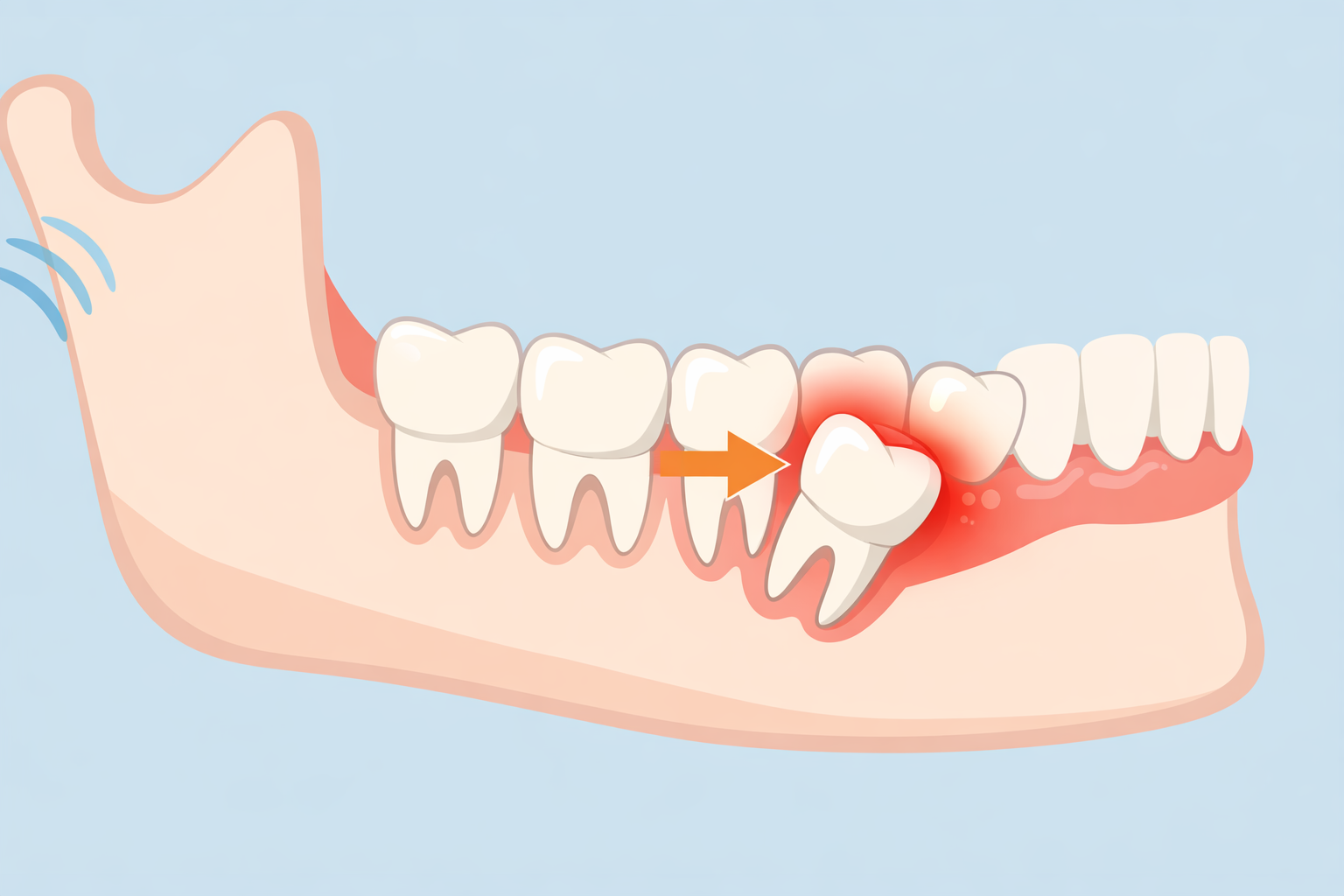
Wisdom teeth are often treated as optional dental concerns—something people put off until pain becomes unavoidable. The reality is that problem wisdom teeth can quietly create long-term oral health issues even when discomfort seems minor or temporary. When these teeth don’t erupt properly or remain trapped beneath the gums, they can affect surrounding teeth, gums, and even the jaw itself.
Understanding what happens when problem wisdom teeth are left untreated helps explain why early evaluation is often recommended. From chronic infections to bite changes and jaw complications, the risks extend well beyond short-term soreness.
Understanding Problem Wisdom Teeth
Wisdom teeth, also called third molars, typically emerge between the late teens and mid-twenties. While some people never develop them or experience no issues, others face complications due to limited space in the jaw.
What Makes a Wisdom Tooth a Problem
A wisdom tooth becomes problematic when it cannot fully erupt or align correctly. This often happens when the jaw lacks sufficient space, causing the tooth to grow at an angle, press against neighboring teeth, or remain trapped beneath the gum and bone.
Even without pain, these teeth can still create damage beneath the surface, which is why regular imaging plays an important role in detection.
Impacted and Partially Erupted Wisdom Teeth
Impacted wisdom teeth remain fully enclosed in bone or gum tissue, while partially erupted teeth break through the gum but fail to emerge completely. Both conditions increase the risk of infection and damage to nearby teeth, particularly when bacteria become trapped around the gum line.
Ongoing Infection and Gum Problems
One of the most common consequences of untreated wisdom teeth is chronic infection.
How Infections Develop
Because wisdom teeth sit at the back of the mouth, they are harder to clean thoroughly. When a tooth is partially erupted, food debris and bacteria can collect beneath the gum tissue. This often leads to inflammation, swelling, persistent bad breath, and recurring pain.
Over time, this infection can spread to surrounding gum tissue and bone, creating ongoing oral health issues that are more difficult to treat later.
Long-Term Gum Damage
Chronic inflammation around wisdom teeth can contribute to periodontal disease, weakening the support structures of nearby teeth. Even healthy teeth can be affected by ongoing infection linked to untreated wisdom teeth.
Damage to Adjacent Teeth
Problem wisdom teeth can directly harm the teeth next to them.
Cavities and Enamel Breakdown
When a wisdom tooth presses against the second molar, it creates tight spaces that are nearly impossible to clean. This often results in cavities forming on the back of otherwise healthy teeth. In many cases, patients discover decay only after significant damage has occurred.
As pressure continues, enamel can weaken, increasing the risk of fractures or sensitivity.
Bone Loss Near Neighboring Teeth
Prolonged pressure from impacted wisdom teeth can cause bone loss around adjacent teeth. Reduced bone support may lead to tooth mobility and long-term structural concerns if left unaddressed.
Jaw Pain and Functional Issues
Wisdom teeth don’t just affect the teeth—they can influence how the jaw functions as a whole.
Jaw Strain and Muscle Discomfort
When wisdom teeth erupt improperly, they can place stress on the jaw joint and surrounding muscles. This often causes jaw stiffness, soreness, or clicking sounds during movement. Many patients assume these symptoms are stress-related, not realizing wisdom teeth are contributing to the problem.
Changes in Bite Alignment
As wisdom teeth push against existing teeth, they can subtly shift alignment over time. These changes may alter how the teeth meet when biting, leading to uneven wear and muscle strain. In more advanced cases, treatment options related to bite correction become necessary when alignment issues affect function and comfort.
Related: Bite Correction Surgery: Everything You Should Know Before Surgery
Cysts and Jawbone Complications
Though less common, untreated wisdom teeth can lead to more serious conditions.
Cyst Formation
An impacted wisdom tooth can develop a cyst—a fluid-filled sac that slowly expands within the jawbone. These cysts often grow without noticeable symptoms and are usually discovered during routine dental imaging.
As they enlarge, cysts can damage surrounding bone and teeth, sometimes requiring more extensive surgical intervention.
Jawbone Damage
Significant cyst growth can weaken the jawbone and increase the risk of fractures or long-term instability. Situations like these may involve broader considerations related to jaw surgery when bone integrity is compromised.
Increased Risks With Age
Delaying wisdom tooth removal often increases surgical complexity.
Slower Healing Over Time
Younger patients typically heal faster because their bone is less dense and tooth roots are not fully developed. As patients age, bone becomes denser, and roots may grow closer to nerves, increasing recovery time and complication risk.
More Complex Surgical Needs
Long-standing impactions can require advanced surgical techniques. In many cases, procedures such as wisdom surgery using odontectomy techniques are necessary when teeth are deeply embedded or surrounded by dense bone.
Sinus and Facial Pressure Concerns
Upper wisdom teeth sit close to the sinus cavities, creating additional risks.
Sinus Involvement
Impacted upper wisdom teeth can place pressure on the sinus floor, contributing to congestion, facial pressure, or recurring sinus infections. These symptoms often persist until the dental issue is resolved.
Referred Facial Pain
Wisdom tooth problems can also cause pain that radiates to the ears, temples, or neck. This referred pain can delay diagnosis when discomfort doesn’t seem directly connected to the teeth.
Why Ignoring Wisdom Teeth Rarely Solves the Problem
Symptoms related to wisdom teeth often fluctuate, but the underlying issue remains.
Temporary Relief Doesn’t Mean Resolution
Swelling and pain may subside temporarily, leading many people to believe the issue has resolved. In reality, bacteria, pressure, and impaction continue to progress beneath the surface.
Over time, flare-ups typically become more severe and harder to manage.
Preventing Emergency Situations
Early evaluation allows treatment to be planned under controlled conditions. Waiting until pain or infection becomes severe often results in urgent care scenarios and longer recovery periods.
When Wisdom Teeth Can Stay
Not all wisdom teeth require removal.
Healthy Eruption and Alignment
Wisdom teeth that erupt fully, align correctly, and can be cleaned effectively may remain without issue. Regular monitoring ensures that changes are detected early.
Importance of Routine Monitoring
Even symptom-free wisdom teeth should be evaluated periodically. Subtle changes in position or gum health can indicate future problems long before pain appears.
The Value of Early Evaluation
Addressing problem wisdom teeth early offers long-term benefits.
Protecting Overall Oral Health
Removing problematic wisdom teeth helps preserve surrounding teeth, gums, and jawbone. It reduces the risk of infections, decay, and alignment issues that can affect oral health for years.
Avoiding More Invasive Treatment
Early intervention often leads to simpler procedures, faster healing, and fewer complications. It also lowers the chance of needing more extensive treatments involving jaw structure or bite alignment later in life.
Final Thoughts
Problem wisdom teeth rarely resolve on their own. Even when symptoms seem manageable, the risks continue to develop beneath the surface. Chronic infections, tooth damage, jaw pain, cysts, and alignment changes are all potential consequences of leaving these teeth untreated.
Understanding what happens when problem wisdom teeth are ignored highlights the importance of early evaluation and timely care. Addressing the issue sooner protects not just your smile, but your long-term oral and facial health.
Your Complete Guide to Choosing the Right Dentist and Treatment
January 22, 2026

Best Dentist in Miami: What to Look For
February 19, 2026
Wisdom Tooth Pain Relief: When to Use Ice vs Heat
May 28, 2026

Nervous About Oral Surgery? Here's How to Prepare Mentally
June 11, 2026
How to Prevent Cavities Naturally (Simple & Effective Guide)
April 16, 2026