Can Dental Implants Fail? Causes and Prevention Guide
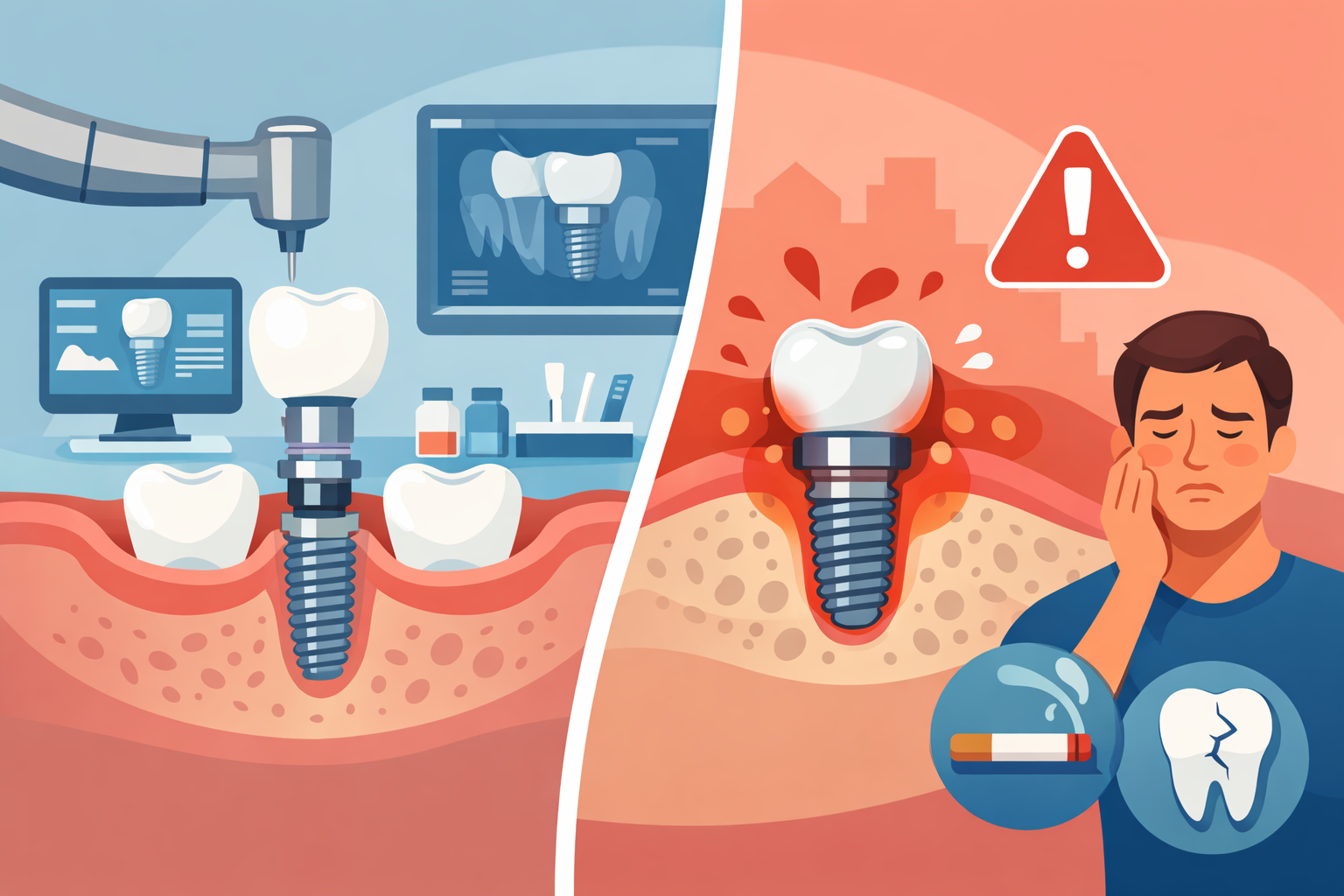
Dental implants are widely considered the gold standard for replacing missing teeth. They look natural, function like real teeth, and can last for decades when properly maintained. But like any medical procedure, implants aren’t completely immune to complications.
Many patients wonder: can dental implants fail? The honest answer is yes—but true implant failure is relatively uncommon. With modern techniques, experienced oral surgeons, and proper aftercare, dental implants have success rates above 95 percent.
Understanding why implants sometimes fail and how to prevent problems can help you protect your investment and maintain a healthy smile for years to come. This guide explains the causes of implant failure, warning signs to watch for, and proven steps to ensure long-term success.
If you’re considering implants or have concerns about an existing one, scheduling a consultation is the best way to get personalized guidance from a specialist.
What Is Dental Implant Failure?
Dental implant failure occurs when the titanium implant does not properly integrate with the jawbone or becomes unstable after placement.
A dental implant works by fusing with bone through a process called osseointegration. When this process is successful, the implant becomes a stable artificial tooth root capable of supporting a crown, bridge, or denture.
Failure can happen in two main stages:
Early Implant Failure
Early failure occurs within the first few months after surgery, usually before the implant fully bonds with the bone. This type of failure often results from infection, poor healing, or insufficient bone support.
Late Implant Failure
Late failure can occur months or even years after the implant has been functioning normally. It is typically related to gum disease, excessive bite pressure, trauma, or poor oral hygiene.
Fortunately, most issues are preventable with proper care and regular monitoring.
How Common Is Dental Implant Failure?
Dental implants have one of the highest success rates of any dental procedure.
Studies consistently show success rates between 95% and 98%, particularly when implants are placed by experienced oral and maxillofacial surgeons.
Several factors influence success, including:
- Bone density and jaw health
- Smoking habits
- Oral hygiene
- Systemic health conditions
- Proper implant placement
When these factors are carefully managed, implants can last decades and sometimes even a lifetime.
Signs a Dental Implant May Be Failing
Implant problems rarely appear suddenly. In many cases, early symptoms provide warning signs that something isn’t right.
Recognizing these signs early can prevent more serious complications.
Persistent Pain or Discomfort
Some soreness after implant surgery is normal. However, pain that continues or worsens after healing may indicate infection or implant instability.
Gum Inflammation Around the Implant
Red, swollen, or bleeding gums around the implant can signal peri-implantitis, a condition similar to gum disease that affects implant tissues.
Implant Mobility
A properly integrated implant should feel as stable as a natural tooth. If the implant feels loose or moves slightly, it requires immediate evaluation.
Difficulty Chewing
Pressure sensitivity or discomfort while chewing may suggest that the implant has not integrated properly with the bone.
Visible Bone Loss
Bone loss around the implant visible on dental X-rays can indicate long-term complications.
These symptoms should never be ignored. Early treatment can often save the implant before failure occurs.
The Most Common Causes of Dental Implant Failure
Understanding the causes of implant failure helps patients take steps to reduce their risk.
Infection Around the Implant
Peri-implantitis is one of the most common reasons implants fail.
This condition occurs when bacteria accumulate around the implant and cause inflammation in surrounding tissues. Over time, the infection can damage bone and destabilize the implant.
Maintaining excellent oral hygiene and attending regular dental visits greatly reduces this risk.
Insufficient Bone Density
Dental implants require adequate jawbone volume for stability.
Patients who have experienced long-term tooth loss may have bone deterioration in the jaw. In these cases, a bone graft may be required before implant placement.
Without sufficient bone support, the implant may not properly integrate.
Smoking and Tobacco Use
Smoking significantly increases the risk of implant failure.
Nicotine reduces blood flow to the gums and slows healing after surgery. It also increases the likelihood of infection and bone loss around implants.
Many oral surgeons recommend quitting smoking before and after implant placement to improve success rates.
Poor Oral Hygiene
Even though implants are artificial, the surrounding gums and bone are still vulnerable to infection.
Without proper brushing, flossing, and professional cleanings, bacteria can accumulate around the implant and damage supporting tissues.
Learning how to maintain implants properly is essential that help implants last for decades.
Teeth Grinding (Bruxism)
Grinding or clenching teeth can place excessive pressure on implants.
Unlike natural teeth, implants lack the periodontal ligament that helps absorb shock. This makes them more vulnerable to heavy biting forces.
Night guards are often recommended for patients who grind their teeth.
Improper Implant Placement
Successful implants require precise surgical planning.
If the implant is positioned incorrectly or placed at an improper angle, it may fail to integrate with the bone or experience abnormal bite pressure.
This is why many patients choose an oral and maxillofacial surgeon, who has advanced training in implant placement.
Medical Conditions That Affect Healing
Certain health conditions may affect implant success, including:
- Uncontrolled diabetes
- Autoimmune disorders
- Osteoporosis
- Certain medications that affect bone metabolism
Proper medical evaluation before surgery helps identify and manage these risks.
How Oral Surgeons Prevent Implant Failure
Experienced oral surgeons use advanced techniques to maximize implant success.
Detailed Imaging and Treatment Planning
Modern implant procedures rely on 3D imaging and digital planning to precisely evaluate bone structure and nerve locations.
This technology allows surgeons to place implants with exceptional accuracy.
Bone Grafting When Necessary
If a patient lacks sufficient bone density, bone grafting may be recommended before implant placement.
Bone grafting strengthens the jaw and creates a stable foundation for implants.
High-Quality Implant Materials
Today’s implants are made from medical-grade titanium or zirconia designed to integrate naturally with bone.
These materials are biocompatible and highly durable.
Careful Post-Surgical Monitoring
Regular follow-up visits allow oral surgeons to monitor healing and detect early signs of complications.
Early intervention often prevents implant failure.
How Patients Can Prevent Implant Failure
While surgical expertise plays a major role, patients also play an important part in implant success.
Maintain Excellent Oral Hygiene
Brush twice daily and floss carefully around implants to prevent plaque buildup.
Many dentists recommend specialized implant floss or water flossers.
Attend Regular Dental Checkups
Routine cleanings and exams help detect early signs of gum disease or implant complications.
Professional monitoring is essential for long-term implant health.
Avoid Smoking
Reducing or eliminating tobacco use significantly improves healing and implant longevity.
Protect Implants From Excess Pressure
If you grind your teeth at night, wearing a custom night guard helps protect implants from damage.
Address Oral Health Issues Early
Ignoring dental problems can increase the risk of implant complications.
For example, untreated infections may allow bacteria to spread throughout the mouth.
Similarly, issues like impacted wisdom teeth symptoms can contribute to oral infections that affect surrounding tissues.
Maintaining overall oral health is one of the best ways to protect dental implants.
Can a Failed Implant Be Replaced?
Yes. In many cases, a failed implant can be replaced successfully.
The treatment process usually includes:
- Removing the failed implant
- Allowing the area to heal
- Performing bone grafting if necessary
- Placing a new implant after healing
With careful planning and proper healing time, replacement implants often succeed even after a previous failure.
Are Dental Implants Still the Best Option?
Despite the possibility of complications, dental implants remain the most reliable long-term solution for missing teeth.
Compared with dentures and bridges, implants offer:
- Superior stability
- Natural appearance
- Better chewing ability
- Protection against bone loss
- Long-term durability
When to See an Oral Surgeon About Dental Implants
If you’re considering dental implants or experiencing discomfort around an existing implant, early evaluation is important.
An oral and maxillofacial surgeon can assess your jawbone, evaluate your oral health, and determine whether implants are the right solution.
Dental implants can transform your smile, restore chewing function, and improve confidence—but the key to success is proper planning and expert care.
Scheduling a consultation is the first step toward long-lasting results.
Final Thoughts
Dental implants have revolutionized modern dentistry by offering a durable and natural-looking solution for missing teeth.
While implant failure is possible, it is relatively rare when procedures are performed by experienced specialists and patients follow proper aftercare.
By understanding the causes of implant complications and adopting preventive habits, most patients can enjoy decades of reliable function from their dental implants.
If you’re considering dental implants or want to ensure the long-term health of an existing implant, consulting an oral surgeon is the best way to protect your smile.

How to Save Money on Oral Surgery Costs
April 7, 2026
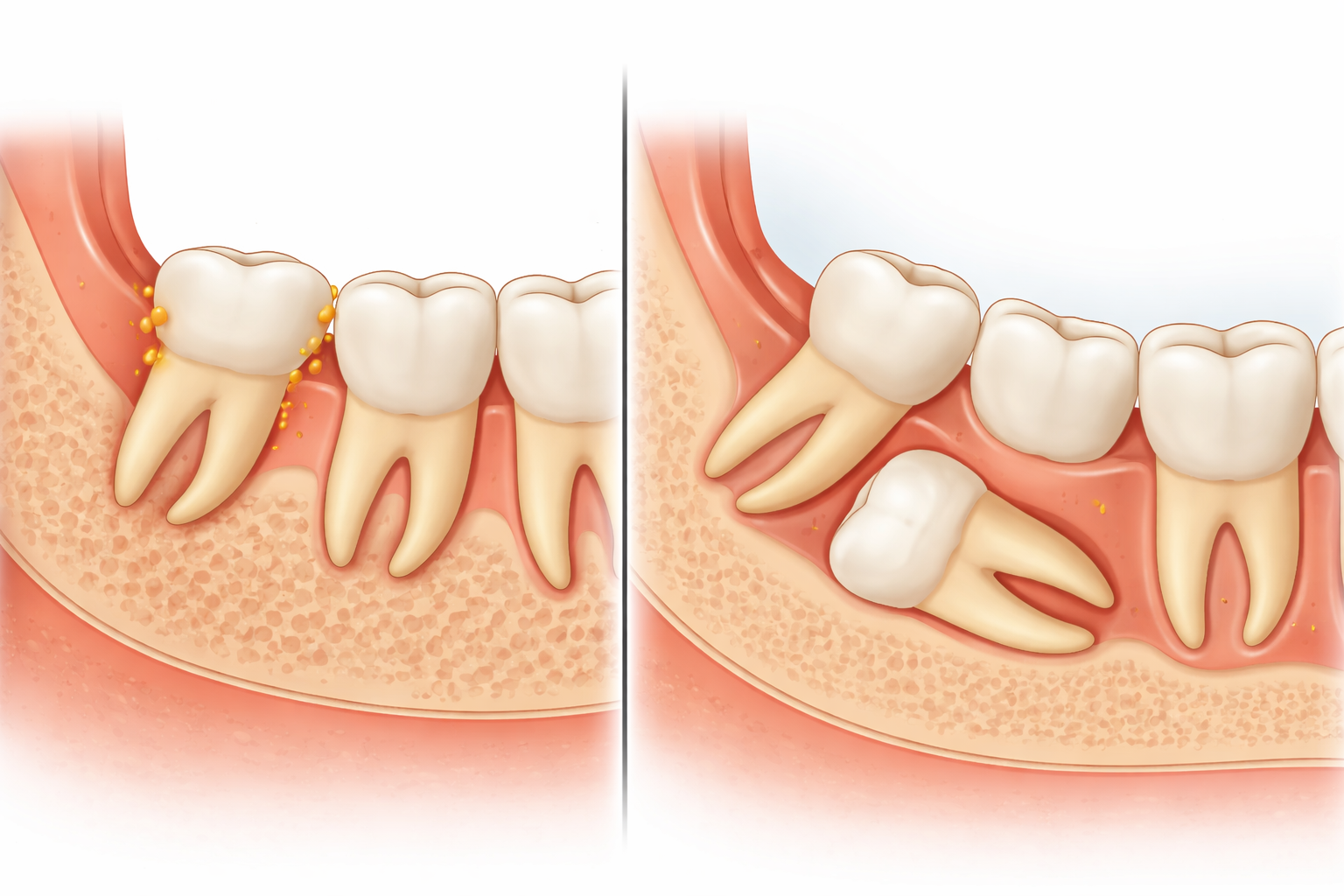
Partial vs. Fully Impacted Wisdom Teeth: What You Need to Know
January 23, 2026
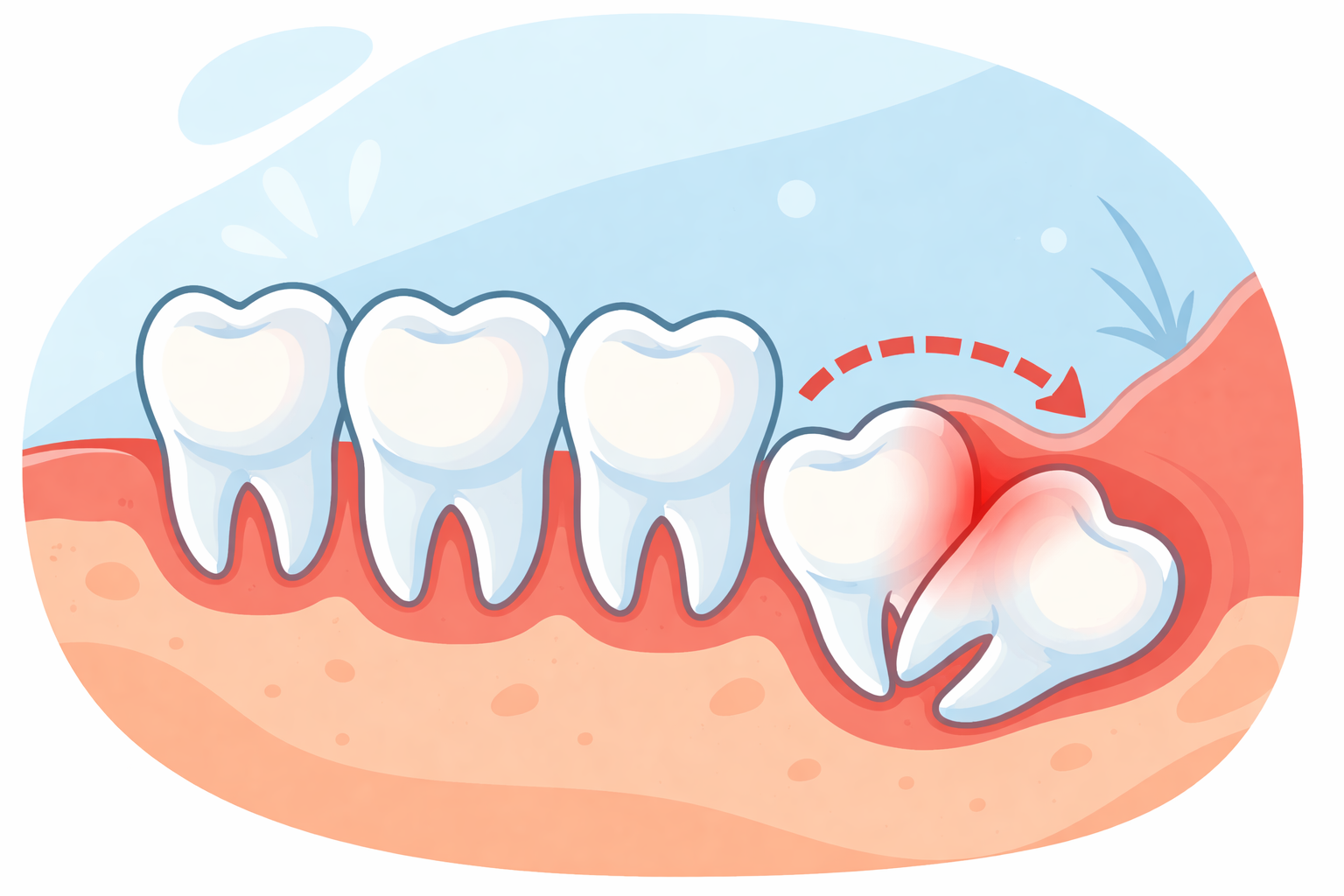
Do Wisdom Teeth Cause Crooked Teeth?
January 5, 2026

Oral Surgery vs. General Dentistry: What Patients Should Really Know
January 8, 2026
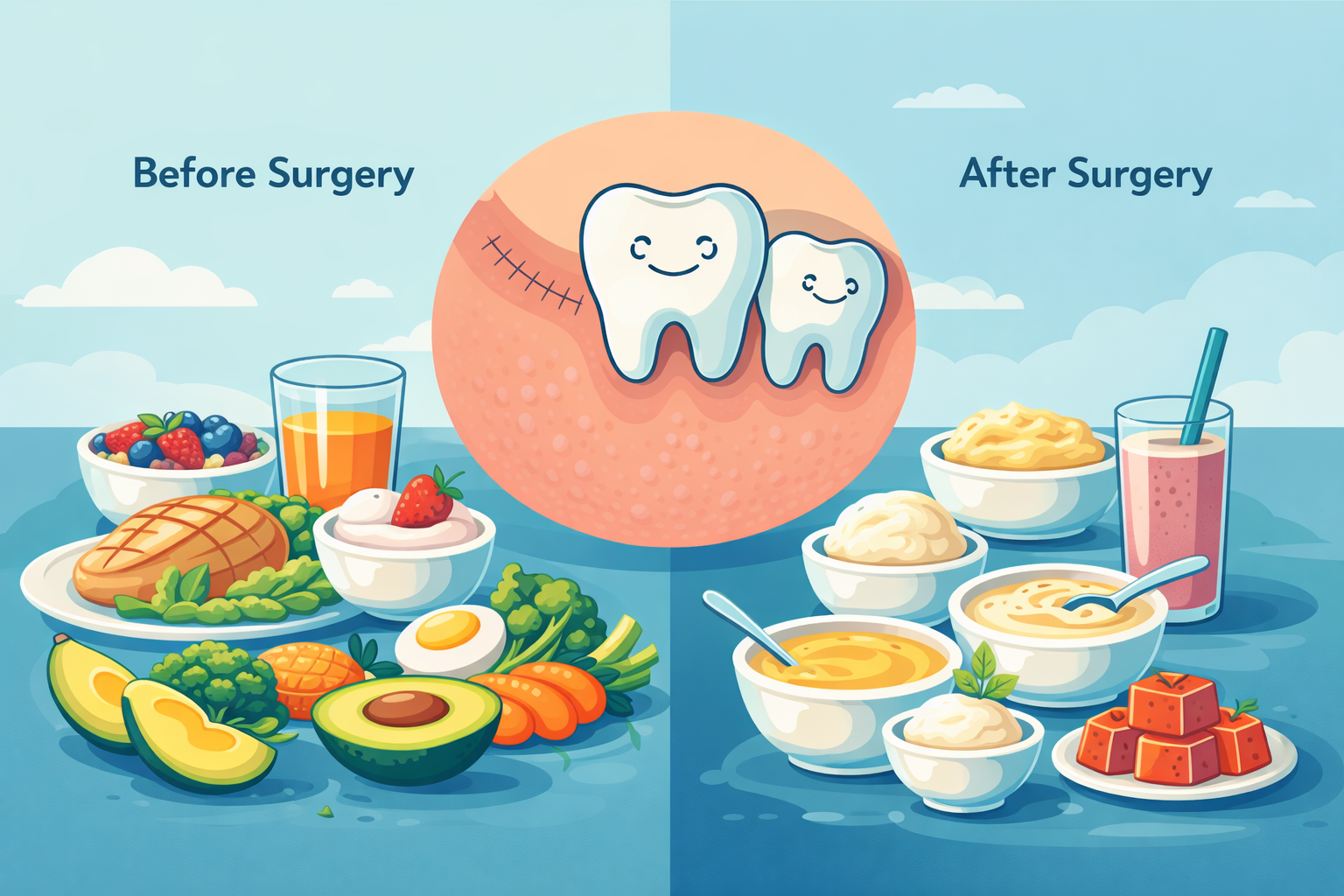
Safe Foods to Eat After Wisdom Tooth Removal Surgery
February 16, 2026