After Tooth Extraction: How to Keep Other Teeth Safe
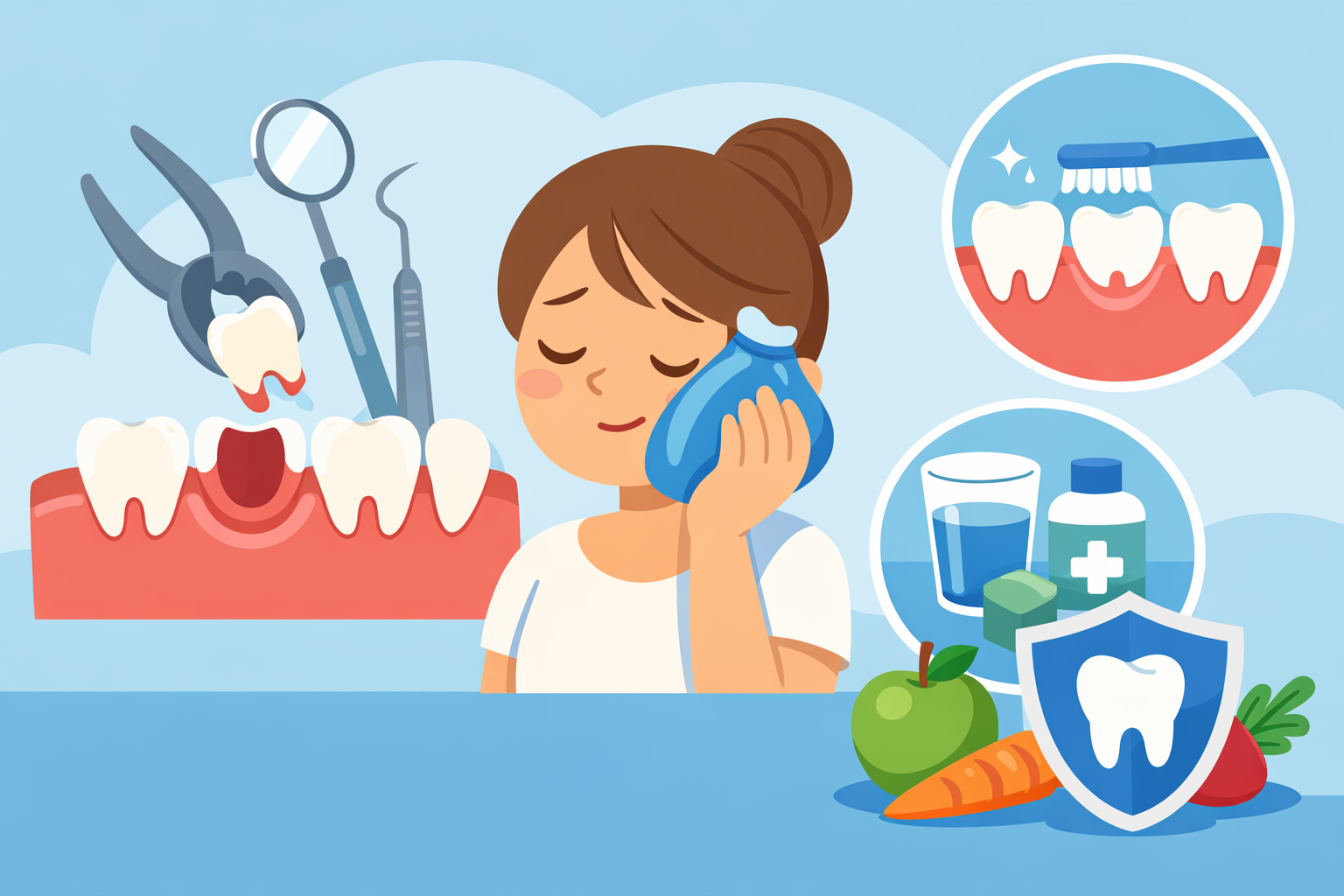
Tooth extraction is sometimes unavoidable. Whether it’s due to decay, infection, overcrowding, or trauma, removing a tooth can be the best decision for your long-term oral health. But what many patients don’t realize is that what happens after the extraction is just as important as the procedure itself.
The surrounding teeth, gums, and jawbone all rely on balance. When one tooth is removed, the rest of your mouth begins adjusting immediately. Without the right care, neighboring teeth can shift, weaken, or become more vulnerable to decay and gum disease.
The good news is that with the right habits, follow-up care, and professional guidance, you can fully protect your remaining teeth and maintain a strong, healthy smile for years to come.
This complete guide explains exactly what to do after an extraction, what to avoid, and how to keep your mouth in peak condition while healing.
Why Protecting Your Other Teeth After an Extraction Matters
A missing tooth changes more than your smile. It affects your bite, chewing pattern, jawbone, and even your facial structure. If the surrounding teeth aren’t properly supported and maintained, they may begin to drift into the open space, become loose over time, wear down unevenly, and trap more food and bacteria.
Over time, these changes increase your risk of gum disease, jaw problems, and further tooth loss. The goal after an extraction is to allow your mouth to heal while preserving the stability of the remaining teeth.
This is where smart daily care and professional oversight make a major difference.
What Happens in Your Mouth After a Tooth Is Removed?
Once a tooth is extracted, your body immediately begins the natural healing process. A blood clot forms in the socket, new tissue develops, and bone slowly remodels. But at the same time, several changes begin happening around the empty space.
Bone Loss Begins Without Stimulation
Your jawbone relies on tooth roots for stimulation. When a tooth is gone, the bone beneath it slowly begins to shrink. Over time, this can weaken support for nearby teeth and affect your bite.
Neighboring Teeth Start to Shift
Teeth naturally want to move into open spaces. Even a small gap can cause adjacent teeth to tilt or rotate. This movement can create alignment issues and make brushing and flossing more difficult.
Bite Changes Create Uneven Pressure
Your bite may become unbalanced, placing extra pressure on certain teeth. This increases the risk of cracks, chips, and enamel wear.
The First 72 Hours: Protecting Your Teeth During Early Healing
The first three days after an extraction are critical. How you care for your mouth during this time directly affects healing and the health of surrounding teeth.
Keep the Blood Clot in Place
The blood clot protects the socket and allows new tissue to form. If it dislodges, you can develop dry socket, which delays healing and increases discomfort.
Avoid rinsing aggressively, using straws, smoking, or chewing on the extraction side during the first few days.
Brush Carefully
You should continue brushing your other teeth, but avoid the extraction site for the first 24 hours. Keeping your mouth clean prevents bacteria from spreading to nearby teeth.
Rinse Gently
After the first day, rinse gently with warm salt water to reduce bacteria and inflammation without disturbing the healing area.
How to Keep Your Remaining Teeth Strong During Recovery
Once the initial healing period has passed, it’s time to focus on long-term protection for your remaining teeth.
Maintain Excellent Oral Hygiene
Plaque buildup is one of the biggest threats to your remaining teeth after an extraction. Bacteria can easily collect around the healing area and spread to nearby teeth.
Brush twice daily with a soft-bristled toothbrush, floss carefully around adjacent teeth, and use an antibacterial mouth rinse if recommended. A clean mouth heals faster and stays healthier.
Eat Tooth-Friendly Foods
Your diet plays a big role in protecting your teeth and supporting healing.
Choose foods that are soft but nutritious, low in sugar, and rich in calcium and protein. Yogurt, eggs, mashed vegetables, smoothies, oatmeal, and soups are excellent choices. Avoid sticky, crunchy, or sugary foods that can damage enamel or lodge between teeth.
How Tooth Replacement Helps Protect Your Remaining Teeth
Replacing a missing tooth is not just about appearance. It is one of the most important steps in protecting your remaining teeth and jawbone.
When a gap is left open, surrounding teeth slowly drift into the space, bone loss accelerates, and your bite becomes unstable. This can lead to long-term dental and jaw problems.
In some cases, procedures such as sinus lift surgery may be needed before placing dental implants, especially when upper back teeth are involved. This procedure rebuilds bone structure and provides strong support for future restorations.
Preventing Infection and Complications
Infections after an extraction can spread to surrounding teeth and gum tissue. Early care is essential for protecting your oral health.
Watch for Warning Signs
Contact your oral surgeon or dentist if you notice increasing pain after day three, swelling that worsens, pus or unusual discharge, fever, chills, or a persistent bad taste.
These symptoms may indicate a dental emergency and should be addressed right away.
How Jaw Health Impacts Your Remaining Teeth
Your jaw plays a major role in how your teeth function. After an extraction, your jaw needs time to adapt and heal properly.
If your jaw becomes strained due to an uneven bite, it can lead to jaw joint pain, headaches, teeth grinding, and cracked or worn teeth. Following a structured jaw recovery process after any oral surgery ensures your bite remains stable and your teeth stay properly aligned.
The Role of Sedation in a Comfortable Healing Experience
For many patients, anxiety can make dental care more stressful than it needs to be. Stress can also interfere with proper healing and cause patients to delay important follow-up treatment.
Using IV sedation during oral surgery allows patients to remain calm and comfortable throughout the procedure, making it easier to complete necessary care and recovery appointments.
How to Prevent Teeth Shifting After an Extraction
Teeth movement is one of the most common long-term problems after tooth removal. Fortunately, there are several ways to prevent it.
Replacing the missing tooth promptly reduces the chance of surrounding teeth drifting into the space. Wearing retainers or night guards, if recommended, also helps keep teeth in their proper positions. Regular dental visits allow your dentist to monitor changes in your bite and catch small shifts before they become major alignment problems.
Protecting Your Gums to Protect Your Teeth
Healthy gums are the foundation of strong teeth. After an extraction, your gums need extra care to remain firm and infection-free.
Gently brush with a soft toothbrush, keep the area clean, avoid hard or sharp foods, and stay well hydrated. When your gums stay healthy, your teeth stay firmly supported.
Long-Term Habits That Keep Your Smile Strong
Once your extraction site has healed, focus on building habits that protect your entire mouth.
Brush and floss consistently, avoid smoking and excessive alcohol, wear a mouthguard for sports, and address teeth grinding or clenching with a night guard if needed. These simple habits go a long way toward preserving your smile.
When to See Your Dentist After an Extraction
Follow-up visits are essential. Your dentist will check healing progress, bone levels, bite alignment, and tooth stability. These appointments help ensure your mouth stays balanced and healthy.
A Healthy Smile Starts With Smart Aftercare
Tooth extraction is a common procedure, but the care you provide afterward determines the long-term success of your oral health. Protecting your remaining teeth means preventing shifting, avoiding infection, supporting your jawbone, and maintaining strong daily habits.
With proper care and professional guidance, your smile can remain just as strong, functional, and confident as ever.
What’s Normal vs. Not Normal After Wisdom Tooth Surgery
December 25, 2025

Comparing In-Office vs. Hospital Wisdom Tooth Extraction Costs
January 28, 2026
When Oral Infections Become Serious Health Risks
May 13, 2026
Impacted Wisdom Teeth: Symptoms You Shouldn’t Ignore
February 27, 2026
Main Cause of Delayed Wisdom Tooth Removal
March 26, 2026