Are You a Candidate for IV Sedation During Oral Surgery?

Facing oral surgery can bring up understandable concerns about comfort, anxiety, and pain management. For many patients, the idea of being awake during a surgical procedure is more stressful than the surgery itself. Using conscious sedation has become a widely trusted solution, helping patients feel calm, relaxed, and comfortable while oral surgeons perform necessary treatment.
Sedation is not automatically recommended for everyone. Your candidacy depends on your medical history, the type of oral surgery involved, and how your body responds to treatment. Knowing whether relaxation through sedation is right for you can make the entire experience feel far more manageable and predictable.
This article explains how sedation works, who typically qualifies, when it may not be appropriate, and how it’s commonly used during oral surgery, including wisdom teeth removal.
What Sedation Means in Oral Surgery
Conscious sedation is administered directly into the bloodstream through a small IV line. It produces a deep state of relaxation while allowing you to remain responsive and breathing independently. Most patients feel as though they sleep through the procedure, with little to no memory afterward.
Unlike local anesthesia, which only numbs the treatment area, this relaxation method calms the nervous system as a whole. This makes it particularly valuable for patients who experience dental anxiety, fear, or discomfort during procedures.
How Sedation Feels
Once the medication takes effect, patients typically experience a heavy sense of calm within minutes. Anxiety fades quickly, muscles relax, and awareness becomes minimal. Time often feels shortened, and many patients are surprised when the procedure is already finished.
Even though you are not completely unconscious, your body remains relaxed enough for the oral surgeon to work efficiently and precisely.
Procedures That Commonly Use Sedation
Sedation is frequently used during oral surgeries that are longer or more complex. Wisdom tooth extraction is one of the most common examples, especially when teeth are impacted or positioned near nerves.
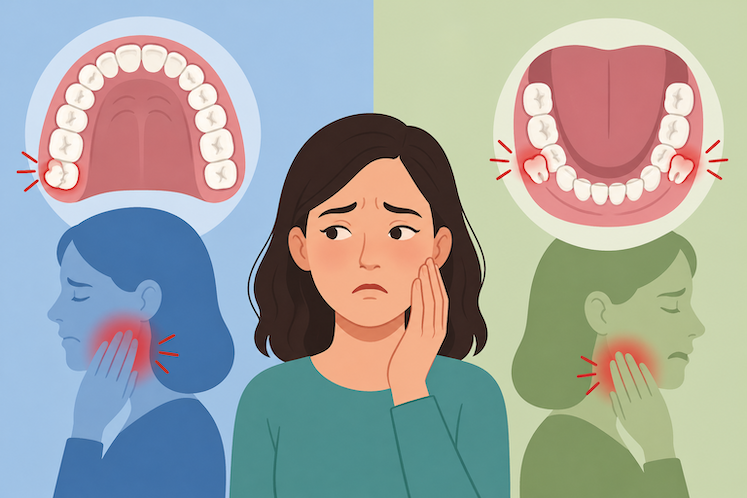
Some patients notice discomfort that seems to travel beyond the area of the wisdom teeth. Where nerve pathways can cause pain to appear closer to the front teeth.
This relaxation method is also widely used during dental implant placement, multiple tooth extractions, and corrective jaw procedures. Remaining calm helps prevent involuntary movement and reduces physical stress during surgery.
Who Is Usually a Good Candidate?
Most healthy adults qualify, but oral surgeons evaluate each patient individually to ensure safety.
Patients With Dental Anxiety
Fear and nervousness are among the most common reasons sedation is recommended. Anxiety can elevate blood pressure, increase muscle tension, and make it difficult to remain still. Using conscious sedation helps regulate these responses, allowing the procedure to proceed smoothly.
Patients who have delayed treatment for years due to fear often find that this relaxation method allows them to finally address oral health issues without emotional distress.
Patients Having Complex or Lengthy Surgery
Longer procedures benefit significantly from sedation. Wisdom tooth surgery is a prime example, particularly when impacted teeth are involved. Remaining relaxed helps the surgeon work efficiently while keeping the patient comfortable.
Some patients naturally never develop wisdom teeth which can eliminate the need for surgery entirely.
Patients With Strong Gag Reflexes
A sensitive gag reflex can complicate oral surgery, especially when working toward the back of the mouth. Sedation helps relax the muscles and suppress reflexive responses, making surgery easier and safer for both patient and surgeon.
Medical Factors That Affect Eligibility
Your medical history plays a key role in determining whether sedation is appropriate.
Overall Health Status
Patients with stable, well-managed conditions such as controlled diabetes or blood pressure are often eligible. During consultation, your oral surgeon will review medications, allergies, and any previous reactions to anesthesia.
Respiratory and Cardiac Conditions
Certain heart and lung conditions may require additional evaluation. Sedation can slightly suppress breathing, which means patients with severe sleep apnea or advanced respiratory disease may need alternative options or additional monitoring.
Medication Interactions
Some medications interact with sedatives and may affect dosage or safety. Blood thinners, anxiety medications, and pain relievers are carefully reviewed before approving sedation.
Age and Sedation
Age alone does not determine eligibility. Teenagers commonly receive sedation during wisdom teeth removal, especially when multiple teeth are extracted at once.
Adults and older patients can also be excellent candidates when their health is stable. Pre-surgical assessments ensure that the relaxation method is tailored appropriately for each individual.
Wisdom Teeth Removal With Sedation
Wisdom tooth extraction is one of the most frequent reasons patients inquire about conscious sedation. The procedure often involves pressure, sound, and extended chair time, which can be uncomfortable without a calming method.
Sedation is particularly helpful where impacted teeth or longer surgical procedures are involved.
Different sedation options and approaches help patients understand how this method fits into their specific treatment plan.
Safety Measures During Sedation
Sedation is administered by trained professionals in a controlled clinical setting. Vital signs such as heart rate, oxygen levels, and blood pressure are continuously monitored throughout the procedure.
The level of relaxation can be adjusted at any point to maintain safety and comfort. Emergency equipment and medications are always available, though complications are rare when sedation is properly administered.
Preparing for Sedation
Patients are typically asked not to eat or drink for several hours before surgery. This helps reduce the risk of nausea during the procedure.
You’ll also need someone to drive you home afterward, as sedatives affect coordination and judgment for the rest of the day. Your oral surgeon will provide detailed pre-operative instructions based on your medical history.
Recovery After Sedation
Recovery is usually smooth. Most patients feel groggy for a few hours and may remember very little about the procedure. Mild side effects such as dry mouth or drowsiness typically resolve quickly.
Because anxiety and muscle tension are reduced during the procedure, many patients feel their recovery is easier compared to procedures done without sedation.
When Sedation May Not Be Recommended
Sedation may not be recommended for patients with certain medical conditions or those who prefer to remain fully aware. Minor procedures may only require local anesthesia, while other cases may benefit from alternative relaxation methods.
Your oral surgeon will guide the decision based on safety, comfort, and procedural complexity.
Choosing the Right Method for Oral Surgery
Conscious sedation can make oral surgery far more manageable for the right candidates. By reviewing your medical history, anxiety level, and treatment needs, your oral surgeon can determine whether this approach is the safest and most effective option.
With the right preparation and professional care, oral surgery does not have to be a stressful experience.
FAQs About Sedation
1. Is sedation safe for all adults?
Most healthy adults qualify, but patients with certain heart, lung, or medication conditions may require extra evaluation.
2. Will I feel pain during the procedure?
Sedation reduces awareness and anxiety. Local anesthesia still numbs the surgical area, ensuring minimal discomfort.
3. How long does it take to recover?
Most patients feel groggy for a few hours and should avoid driving. Mild drowsiness usually resolves by the next day.
4. Can teenagers receive sedation for wisdom teeth?
Yes, teens are often candidates, especially for multiple extractions or impacted teeth removal.
5. What if I never develop wisdom teeth?
Some individuals naturally never develop wisdom teeth, eliminating the need for extraction.

How Safe Is Modern Oral Surgery? What Patients Need to Know
December 30, 2025
How Much Does a Dental Crown Cost in 2026?
February 18, 2026
Affordable vs. Quality Wisdom Tooth Removal Guide
June 23, 2026
Are Wisdom Teeth Useful or Evolutionary Leftovers?
March 10, 2026
Upper vs. Lower Wisdom Teeth: Why the Pain Feels Different
April 29, 2026