What Counts as a Dental Emergency?
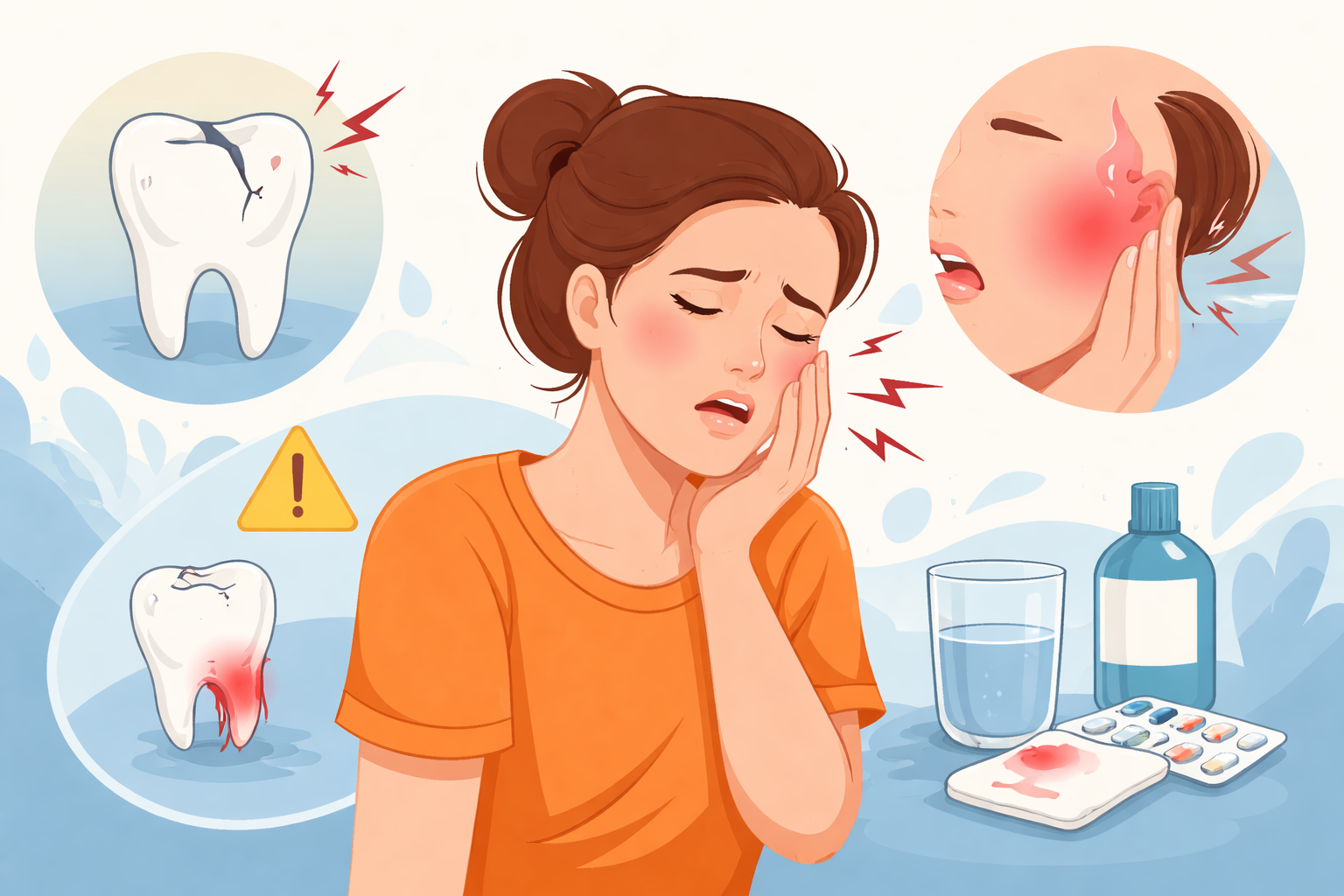
Dental problems rarely announce themselves at convenient times. A sudden toothache at night, a cracked tooth during a meal, or swelling that seems to worsen by the hour can leave you wondering whether it’s something that can wait—or something that needs immediate care. Knowing what truly qualifies as a dental emergency can help you act quickly, reduce complications, and protect your long-term oral health.
This guide breaks down what counts as a dental emergency, what doesn’t, and why timing matters more than most people realize. With clear explanations and real-life context, you’ll be able to recognize urgent warning signs and respond with confidence when dental issues strike.
Understanding Dental Emergencies
A dental emergency involves any oral health issue that requires immediate attention to stop pain, control bleeding, prevent infection, or save a tooth. These situations go beyond routine discomfort and can escalate quickly if ignored.
Some dental problems feel dramatic but are not urgent, while others start small and become serious fast. The difference lies in symptoms like severe pain, swelling, bleeding, fever, or trauma. When these signs are present, delaying care can lead to complications that affect not just your mouth, but your overall health.
Clear Signs You’re Facing a Dental Emergency
Severe or Persistent Tooth Pain
Tooth pain that is intense, throbbing, or constant is one of the most common indicators of a dental emergency. While mild sensitivity can happen from time to time, severe pain often points to deeper issues such as infection, nerve damage, or an abscess.
Pain that wakes you up at night or doesn’t improve with over-the-counter medication deserves immediate attention. Sometimes, these delays in treatment happen due to inflammation or other underlying problems, similar to the issues discussed in reasons dentist delays extraction.
Facial Swelling or Jaw Swelling
Swelling in the face, jaw, or gums is never something to ignore. It often signals infection, and infections in the mouth can spread rapidly due to the rich blood supply in facial tissues.
If swelling is accompanied by warmth, redness, fever, or difficulty opening your mouth, it may indicate an abscess. These situations often require timely evaluation and management before the infection worsens.
Uncontrolled Bleeding in the Mouth
Bleeding after brushing or flossing can be common, especially with gum disease. However, bleeding that does not stop after applying gentle pressure for 10–15 minutes is a red flag.
Persistent bleeding can happen after dental trauma or surgery. Knowing proper care post-extraction is important, including factors like alcohol after dental procedures, which can interfere with recovery and increase bleeding risk.
A Knocked-Out or Loose Tooth
A tooth that has been knocked out due to an accident is one of the most time-sensitive dental emergencies. Acting within the first hour greatly increases the chances of saving the tooth.
If a tooth becomes loose without trauma, it can signal advanced gum disease or infection. Either scenario requires immediate attention. Understanding the general patterns of wisdom teeth eruption can also provide context for why some teeth are more prone to complications.
Cracked, Broken, or Fractured Teeth
Not all chipped teeth are emergencies, but cracks that cause pain, bleeding, or sensitivity to temperature often are. A fracture that exposes the inner layers of the tooth leaves it vulnerable to infection.
Pain related to impacted or partially erupted wisdom teeth can sometimes radiate to the throat, linking the discomfort to wisdom teeth throat pain. Timely care can prevent infections from worsening.
Signs of Oral Infection
Oral infections don’t always start with pain. Some warning signs include:
- A pimple-like bump on the gums
- Bad taste that doesn’t go away
- Fever or fatigue
- Difficulty swallowing
These symptoms often appear near problematic wisdom teeth, and managing inflammation may include safe home remedies such as ice vs heat applications before professional treatment.
Dental Emergencies Involving Wisdom Teeth
Impacted Wisdom Teeth Pain
Wisdom teeth can cause sudden pain when they don’t have enough room to emerge properly. This pain may radiate to the jaw, ear, or throat, making it difficult to eat or speak comfortably.
Understanding how many teeth are present and their positioning can clarify why these teeth often become a source of emergency visits.
Post-Extraction Complications
Pain after a tooth extraction is normal, but certain symptoms indicate an emergency. These include severe pain several days after surgery, swelling that increases instead of improves, or signs of infection.
What Is Not a Dental Emergency (But Still Needs Care)
Understanding what doesn’t qualify as an emergency can help reduce unnecessary stress. These issues are important but typically safe to schedule during regular office hours:
- Mild tooth sensitivity
- Small chips with no pain
- Lost fillings without discomfort
- Minor gum irritation
Even though these situations are not urgent, leaving them untreated can lead to bigger problems over time. Routine dental care helps prevent minor concerns from turning into emergencies.
Why Timing Matters in Dental Emergencies
Dental emergencies don’t just cause pain; they can trigger chain reactions that affect your entire body. Oral infections, for example, can spread quickly because the mouth is closely connected to vital structures like the sinuses and airway.
Delaying treatment can result in more invasive procedures, longer recovery times, and higher costs. Acting early often preserves natural teeth and limits the need for complex interventions.
How to Respond Before You Reach a Dentist
Manage Pain Safely
Rinsing with warm salt water can help reduce bacteria and soothe irritated tissues. Over-the-counter pain relievers may help, but avoid placing medication directly on the gums, as this can cause burns.
Cold compresses applied externally can reduce swelling in cases of trauma or inflammation. Heat is generally avoided during active infection, as it can increase swelling.
Protect the Area
If a tooth is knocked out, handle it by the crown, not the root. If possible, gently place it back into the socket or store it in milk until you reach a dentist.
For broken teeth, rinse your mouth and keep any fragments. Avoid chewing on the affected side and keep the area clean.
When to Seek Emergency Dental Care Immediately
You should seek urgent dental attention if you experience:
- Severe, unrelenting pain
- Rapid facial or jaw swelling
- Fever with oral pain
- Difficulty breathing or swallowing
- Trauma to the teeth or jaw
Prompt care can prevent complications and provide relief faster than home remedies alone.
The Role of Emergency Dentistry in Long-Term Oral Health
Emergency dental care isn’t just about stopping pain. It plays a crucial role in preserving teeth, preventing infection spread, and protecting overall health.
Patients who seek timely treatment often avoid more extensive procedures later. Emergency visits also allow dentists to identify underlying issues early, creating a clearer plan for long-term oral health stability.
Staying Prepared for Dental Emergencies
While emergencies can’t always be prevented, preparation helps. Keeping your dentist’s contact information handy, knowing where to seek after-hours care, and understanding warning signs make a meaningful difference.
Routine dental visits, good oral hygiene, and addressing minor issues early remain the best defense against unexpected emergencies.
Final Thoughts: Trust Your Instincts
If something feels wrong in your mouth, it probably is. Dental pain and swelling are not normal and should never be ignored. When in doubt, seeking professional advice is always the safer option.
Understanding what counts as a dental emergency gives you clarity, confidence, and the ability to protect your health when it matters most.
When a Tooth Can’t Be Saved?
January 2, 2026

After Wisdom Tooth Surgery: Warning Signs for Parents
May 6, 2026

How to Prepare Your Teen for Wisdom Tooth Removal
February 16, 2026

Why Summer Is Perfect for Wisdom Tooth Removal
May 25, 2026
Long-Term Care Tips for Healthy Dental Implants
March 9, 2026