How Stress Affects Your Teeth (And What You Can Do About It)
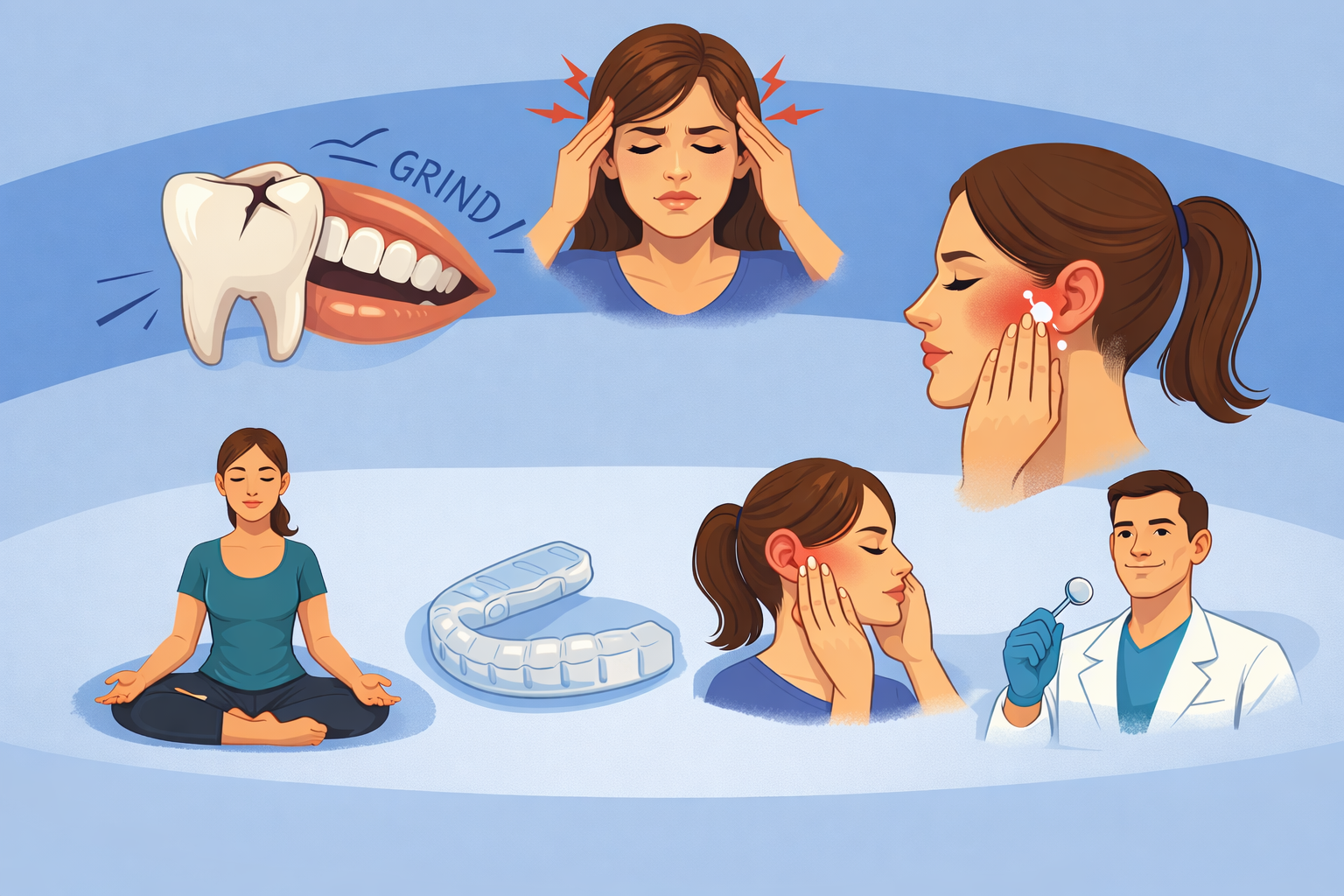
Stress is a normal part of life, but when it becomes chronic, it can start affecting your oral health in serious ways. Many people don’t realize that stress can lead to dental problems like teeth grinding, jaw pain, and headaches. If left untreated, these issues can worsen over time and even lead to permanent damage.
How Stress Affects Your Teeth
Stress affects the body in many ways, and your mouth is no exception. When you’re stressed, your body produces more cortisol, a hormone that triggers the “fight or flight” response. This response can cause your muscles to tense up, including the muscles in your jaw.
The result? Many people grind their teeth or clench their jaw without even realizing it. This condition is called bruxism, and it can lead to severe dental problems if not addressed.
Bruxism (Teeth Grinding)
What is Bruxism?
Bruxism is the involuntary grinding or clenching of teeth, especially during sleep. It can happen during the day too, often when someone is concentrating or feeling anxious.
Common Signs of Bruxism
- Worn down or flattened teeth
- Increased tooth sensitivity
- Jaw pain or stiffness
- Cracked or chipped teeth
- Morning headaches
Why Stress Causes Bruxism
Stress increases muscle tension, and the jaw muscles are particularly affected. When your body is in a constant state of tension, your jaw may clench or grind without you noticing—especially at night.
Jaw Pain and Headaches
One of the most common consequences of bruxism is jaw pain. When you grind your teeth, the muscles and joints in your jaw become overworked. This can lead to a condition called TMJ disorder (temporomandibular joint disorder), which causes:
- Persistent jaw pain
- Clicking or popping sounds when opening the mouth
- Difficulty chewing
- Headaches and ear pain
Headaches caused by jaw tension are often felt in the temples and can feel like a tension headache.
Tips to Manage Stress-Related Oral Issues
1. Practice Stress Management Techniques
Reducing stress is the first step to preventing bruxism. Try:
- Deep breathing exercises
- Meditation or mindfulness
- Yoga or light exercise
- Journaling or talking to a friend
2. Use a Mouth Guard
A mouth guard can protect your teeth from grinding while you sleep. Your dentist can create a custom-fit night guard for maximum comfort and protection.
3. Avoid Stimulants Before Bed
Caffeine, nicotine, and alcohol can increase teeth grinding. Avoid these at least 3–4 hours before sleep.
4. Apply Heat or Cold
For jaw pain relief:
- Use a warm compress to relax muscles
- Use an ice pack to reduce inflammation
5. Practice Jaw Relaxation Exercises
Try these simple exercises:
- Gently open and close your mouth
- Move your jaw side to side
- Massage the jaw muscles
6. Maintain Good Oral Hygiene
Even if you grind your teeth, keeping your mouth clean helps prevent complications like tooth decay and gum disease.
7. See Your Dentist Regularly
Your dentist can spot early signs of bruxism and recommend treatment options like:
- Night guards
- Dental correction
- Stress management guidance
When to See a Dentist
If you notice any of the following, schedule a dental checkup:
- Constant jaw pain
- Tooth sensitivity or cracking
- Frequent headaches
- Grinding sounds at night
Early treatment can prevent long-term damage and help you protect your smile.
Conclusion
Stress may seem like a mental issue, but it can have a major impact on your oral health. Bruxism, jaw pain, and headaches are common signs of stress-related dental problems. The good news is that with the right approach, you can manage stress and protect your teeth.
If you’re dealing with teeth grinding or jaw pain, don’t wait. Talk to your dentist today to get the right treatment and keep your smile healthy.
Call us at 305-552-1193

When Can You Exercise After Tooth Removal?
January 23, 2026
Laser Oral Surgery: Is It Right for You?
December 29, 2025
Oral Health and Heart Disease: What to Know
May 6, 2026
Wisdom Tooth Removal During Pregnancy: Is It Safe?
December 9, 2025
Morning vs Night Brushing: Which Matters More?
May 12, 2026