Brushing After Tooth Removal: When's It Safe?
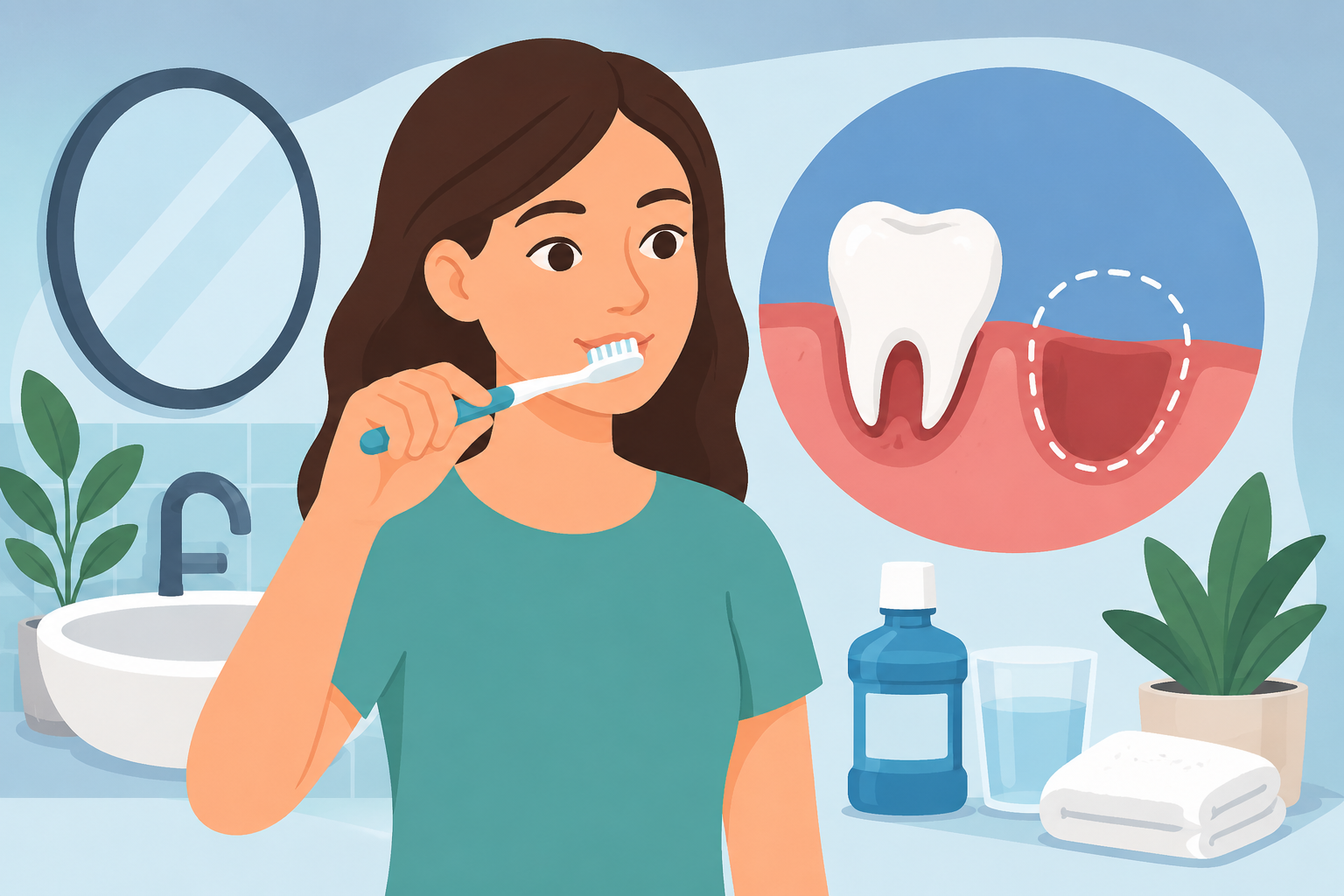
Recovering from a tooth extraction often comes with a long list of aftercare questions, but one of the most common is simple: When can you start brushing normally again? While brushing is essential for keeping your mouth clean and preventing infection, the extraction site is delicate during the early days of healing. The key is knowing exactly when and how to ease back into your regular brushing routine without disturbing the clot or slowing the healing process.
This guide breaks down everything you need to know—from the first 24 hours to the days and weeks that follow—so you can protect your mouth, prevent complications, and return to your normal brushing habits with confidence.
Why You Need to Be Careful After an Extraction
Tooth extraction leaves behind an open socket that must form a stable blood clot. This clot protects the bone and nerves and supports proper healing. Brushing too soon or too aggressively can dislodge the clot, leading to painful complications such as dry socket. Understanding this healing stage helps you make smarter decisions about your oral hygiene routine.
Factors like gum sensitivity, previous issues such as bleeding gums, or early symptoms similar to the early signs of third molar removal healing can influence how cautious you need to be. Every mouth is different, but the general timeline below applies to most routine extractions.
The First 24 Hours: No Brushing Near the Extraction Site
During the first full day after your extraction, avoid brushing the area entirely. You may continue to brush the rest of your teeth, but do so gently. The goal is to keep your mouth clean without disturbing the newly formed clot.
What to Avoid in This Stage
- Brushing directly over the socket
- Rinsing vigorously with water or mouthwash
- Spitting forcefully
- Drinking through straws
- Smoking
These actions create suction or pressure that may dislodge the clot and delay healing.
Day 2–3: Introducing Gentle Cleaning
After the first 24 hours, the clot begins to stabilize. You can brush your teeth normally everywhere except the extraction site. Use a soft-bristled toothbrush and move slowly. If you feel discomfort, back off and adjust your technique.
Gentle Saltwater Rinses
You can start rinsing your mouth with warm saltwater (¼ teaspoon of salt in a cup of warm water). Lean your head from side to side, then let the water fall out naturally without spitting forcefully. This helps reduce swelling and keeps bacteria under control, especially if you’re susceptible to gum issues similar to those addressed in bleeding gums care.
Day 4–7: Light Brushing Near the Area
Most patients can begin lightly brushing near the extraction site after a few days. Be extra mindful of your technique:
- Use small, slow strokes
- Avoid touching the socket directly
- Keep using a soft-bristled brush
- Continue gentle saltwater rinses after meals
If you experience significant tenderness, give the area more time before brushing around it.
Watch for Warning Signs
If you notice swelling increasing instead of decreasing, persistent bad breath, or sensitivity resembling symptoms seen in an infected tooth, contact your oral surgeon. Early treatment prevents complications and protects the healing process.
One Week After: Transitioning Back to Normal Brushing
By day seven, the initial healing phase is well underway. Many patients can resume brushing normally, including the area near the extraction, as long as they do it gently.
However, this can vary depending on:
- The type of tooth removed
- Whether the extraction was surgical
- The presence of stitches
- Your overall oral health and healing speed
If your procedure involved more complex treatment—such as an extraction paired with a bone graft—your surgeon may instruct you to delay brushing near the site longer than a week.
Two Weeks After: Normal Brushing Usually Safe
At this point, most extraction sites have healed enough that brushing normally is safe. You should still avoid aggressive scrubbing, but you can return to your standard oral hygiene routine without worrying about harming the clot or socket.
If stitches were placed, they have likely dissolved or been removed, making it easier to clean thoroughly. Continue monitoring for any unusual symptoms, especially if you are preparing for additional treatments like dental implants, which require healthy, well-maintained gum tissue.
When Healing Takes Longer Than Expected
Some individuals need more time before brushing normally—especially those who had:
- Impacted wisdom teeth removed
- Deep or complex surgical extractions
- Early warning signs similar to third molar healing issues
- Pre-existing gum conditions
- Bone grafting or implant planning
- Slower natural healing
If you feel persistent discomfort, the area bleeds when brushed, or food consistently gets trapped in the socket, contact your provider for an evaluation.
Tips for Safe Brushing During Recovery
Use a Soft-Bristled Brush
A soft brush protects your gums and minimizes irritation around the extraction site.
Brush Slowly and Carefully
No rushing, no heavy pressure. Small, controlled strokes are best.
Rinse After Eating
Saltwater or a gentle surgeon-approved rinse helps clear debris and reduces bacteria.
Avoid Harsh Mouthwash Early On
Alcohol-based rinses may irritate the area and delay healing.
Keep the Rest of Your Mouth Clean
Bacteria doesn’t take a break just because you had an extraction. Maintaining cleanliness helps prevent infection and supports faster healing.
How Good Oral Care Protects You Long Term
Returning to normal brushing is about more than fresh breath. It helps prevent inflammation, supports bone regeneration, and prepares your mouth for future dental needs.
For example, many patients recovering from extractions may later consider restorative options, making it important to maintain healthy gums. Understanding whether dental implants fit your long-term goals becomes easier when your mouth is kept clean and stable during healing.
When to Contact Your Surgeon
No matter where you are in the healing timeline, contact your provider if you experience:
- Persistent or worsening pain
- A foul odor or taste that doesn’t improve with rinsing
- Fever or chills
- Swelling that worsens after day 3
- Continuous bleeding
- Visible holes that don’t start to close by the end of the first week
These symptoms may signal an issue requiring professional attention.
Final Takeaway: When Can You Brush Normally?
Here’s the simplified timeline:
- 0–24 hours: Brush other teeth gently, avoid the socket completely
- Day 2–3: Continue avoiding the socket but maintain the rest of your routine
- Day 4–7: Begin light brushing near the area
- 1 week: Most people can return to gentle brushing in the area
- 2 weeks: Normal brushing is safe for most patients
Always follow your oral surgeon’s specific recommendations, especially if your extraction was complicated or combined with additional procedures.
Signs Your Wisdom Tooth Is Growing the Wrong Way
February 9, 2026

Oral Surgery vs. General Dentistry: What Patients Should Really Know
January 8, 2026
3D Imaging: Revolutionizing Wisdom Tooth Treatment Planning
December 23, 2025

Comparing In-Office vs. Hospital Wisdom Tooth Extraction Costs
January 28, 2026

Wisdom Tooth Pain Relief: When to Use Ice vs Heat
May 28, 2026