Wisdom Teeth vs. Other Molars: What’s the Real Difference?
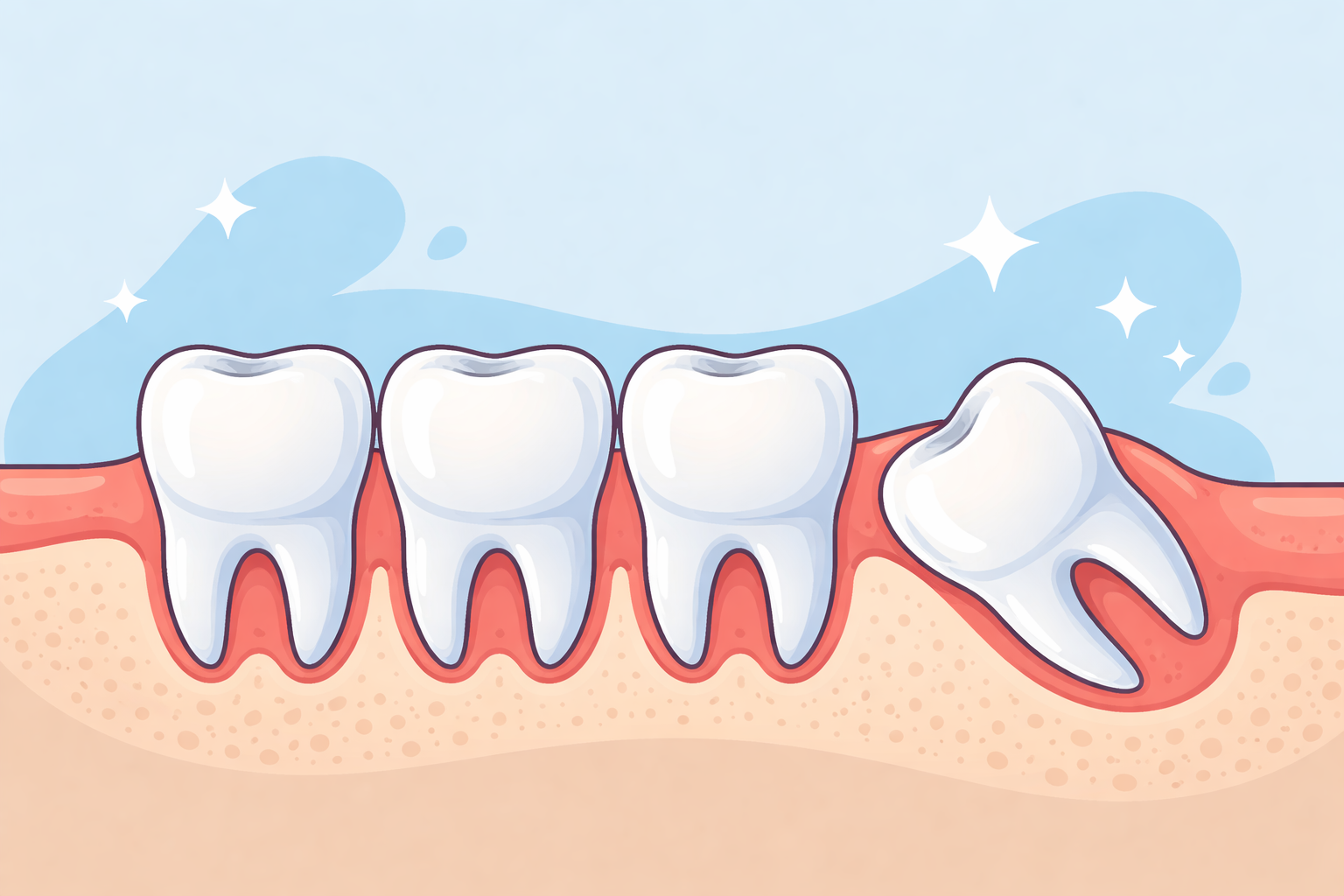
Molars do most of the heavy lifting when it comes to chewing, grinding, and breaking down food. But not all molars behave the same way. Wisdom teeth, in particular, have a reputation for causing pain, crowding, and unexpected dental visits—while the other molars usually go about their job quietly for decades.
Understanding the difference between wisdom teeth and other molars helps you make informed decisions about oral health, timing of treatment, and whether removal is even necessary. This guide breaks it all down clearly, without jargon, so you know exactly how these teeth differ and why it matters.
What Are Molars and Why Are They Important?
Molars are the large, flat teeth located at the back of your mouth. Their broad surfaces and strong roots are designed for grinding food before swallowing, which supports digestion and overall health.
Types of Molars in the Adult Mouth
Most adults have three sets of molars in each quadrant of the mouth:
- First molars – Erupt around age 6
- Second molars – Erupt around age 12
- Third molars (wisdom teeth) – Erupt between ages 17 and 25, if they erupt at all
The first and second molars are considered “working teeth.” Wisdom teeth are different—both in timing and function.
What Makes Wisdom Teeth Different From Other Molars?
Wisdom teeth are technically molars, but they stand apart in several important ways that affect how they develop, function, and impact oral health.
Eruption Timing and Jaw Space
The biggest difference is when wisdom teeth erupt. By the late teens or early twenties, the jaw has usually finished growing. First and second molars erupt earlier, when the jaw still has room to accommodate them.
Wisdom teeth often emerge into limited space, which can cause:
- Partial eruption
- Teeth growing at an angle
- Pressure on nearby molars
- Gum irritation or infection
Other molars rarely face these issues because they erupt during active jaw growth.
Structure and Position in the Mouth
Root Formation Differences
Wisdom teeth tend to have:
- Irregular or curved roots
- Roots that form later in life
- Greater variation in shape and length
First and second molars usually have well-formed, predictable roots that make them easier to clean, restore, and treat if problems arise.
Accessibility for Cleaning
Because wisdom teeth sit at the very back of the mouth, they are harder to reach with a toothbrush and floss. This increases the risk of plaque buildup, cavities, and gum disease.
Other molars are easier to access and maintain with regular oral hygiene.
Function: Do Wisdom Teeth Actually Do Anything?
From a functional standpoint, wisdom teeth are the least important molars.
Chewing Efficiency
First and second molars handle the majority of chewing. Wisdom teeth often:
- Don’t align properly with opposing teeth
- Lack full contact for effective grinding
- Sit partially under gum tissue
As a result, they contribute little to chewing efficiency compared to other molars.
Evolutionary Context
Anthropologists believe wisdom teeth were more useful when human diets consisted of tougher, unprocessed foods and jaws were larger. Modern diets and smaller jaw structures have made them largely redundant.
Common Problems Linked to Wisdom Teeth
While other molars can develop cavities or gum disease, wisdom teeth are far more likely to cause complications.
Impaction
An impacted wisdom tooth is one that cannot fully emerge. This can happen when the tooth is:
- Trapped under the gum
- Pressed against another tooth
- Blocked by bone
Impacted teeth can remain asymptomatic for years or suddenly cause pain, swelling, or infection.
Gum Inflammation and Infection
Partially erupted wisdom teeth create a flap of gum tissue that traps bacteria and food. This can lead to inflammation or infection around the tooth, often requiring professional treatment.
When symptoms escalate and removal becomes necessary, following proper recovery tips helps reduce discomfort and speed healing after surgery.
Do Wisdom Teeth Always Need to Be Removed?
Unlike other molars, wisdom teeth are often evaluated for removal even if they are not currently painful.
Monitoring vs. Removal
Dentists and oral surgeons consider several factors, including:
- Available space in the jaw
- Angle of eruption
- Risk to nearby teeth
- Oral hygiene access
In many cases, wisdom teeth remain healthy and fully erupted, and tooth removal is not automatically required when they aren’t causing problems.
Other molars, by contrast, are almost always preserved whenever possible because of their essential role in chewing.
Why Other Molars Are Rarely Removed
First and second molars are foundational teeth. Dentists prioritize saving them through fillings, crowns, or root canals whenever feasible.
Long-Term Role in Oral Stability
These molars:
- Maintain proper bite alignment
- Support jawbone health
- Prevent shifting of other teeth
Removing them unnecessarily can compromise chewing function and overall oral balance.
Wisdom teeth don’t play the same stabilizing role, which is why removal is more commonly recommended when risks appear.
Pain and Symptoms: How They Differ
Wisdom Tooth Pain
Pain associated with wisdom teeth often presents as:
- Pressure at the back of the jaw
- Swelling around the gums
- Jaw stiffness or difficulty opening the mouth
- Pain radiating to the ear or temple
Discomfort may come and go as the tooth tries to erupt.
Other Molar Pain
Pain from first or second molars is usually tied to:
- Cavities
- Cracked teeth
- Gum disease
These issues tend to be localized and progressive, rather than intermittent eruption-related discomfort.
Recovery and Aftercare: A Key Difference
Wisdom Tooth Removal Recovery
Recovery after wisdom tooth surgery involves specific considerations, including swelling management, rest, and diet changes. Many patients benefit from planning meals ahead of time and following clear food choices that support healing before and after surgery.
Sleep position also matters during the early healing phase, and adjusting sleep posture can significantly reduce swelling and discomfort during the first few nights.
Other Molar Treatments
Treatments involving other molars—such as fillings or crowns—usually require minimal recovery and do not disrupt daily routines to the same extent.
Long-Term Impact on Oral Health
Wisdom Teeth
If wisdom teeth remain impacted or partially erupted, they can:
- Damage adjacent molars
- Increase cavity risk
- Contribute to gum disease
- Cause cysts or bone damage in rare cases
Monitoring through regular dental exams is essential, even if they aren’t causing pain.
Other Molars
Healthy first and second molars support:
- Efficient chewing
- Jawbone density
- Long-term bite stability
Protecting these teeth is a top priority in preventive dentistry.
How Dentists Decide What’s Best
Dentists don’t treat wisdom teeth and other molars the same way because their risks and benefits differ.
Evaluation Tools
Decisions are based on:
- X-rays and 3D imaging
- Eruption angle
- Root development
- Patient age and oral health history
Younger patients often recover more easily from wisdom tooth removal, which is why evaluation often begins in the late teens.
Key Takeaways: Wisdom Teeth vs. Other Molars
While wisdom teeth and other molars share the same basic structure, their role in oral health is very different.
- Other molars are essential, functional, and usually preserved
- Wisdom teeth are optional and often problematic due to timing and position
- Removal decisions depend on space, symptoms, and long-term risk
- Proper monitoring helps prevent complications before they escalate
Understanding these differences helps you feel confident about treatment recommendations and proactive about your dental care.
Can Wisdom Teeth Move Your Teeth Years Later?
May 23, 2026
Why Do We Have Wisdom Teeth? The Real Reason Behind Them
June 15, 2026

Emergency Wisdom Tooth Removal: What to Do Fast
April 14, 2026
Why a Tooth Extraction Isn't Always Done Right Away
June 2, 2026
Questions to Ask Before Wisdom Tooth Extraction
December 23, 2025