Swollen Gums Around Wisdom Teeth: Is This Normal or a Problem?
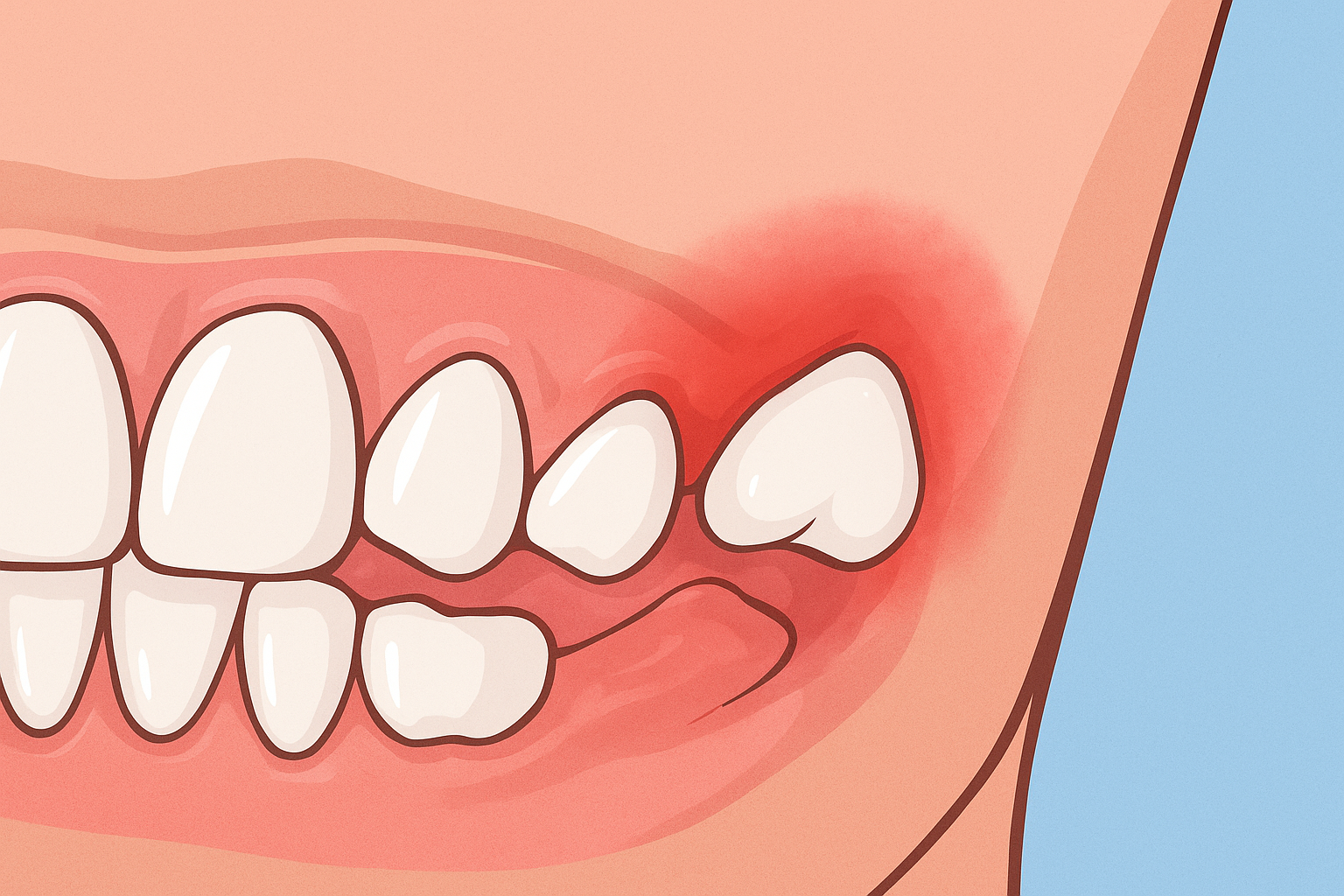
wollen gums around wisdom teeth are something many people experience at least once in their lives. It often starts as mild tenderness in the back of the mouth, followed by redness or puffiness that makes chewing uncomfortable. For some, the swelling comes and goes. For others, it becomes persistent and painful.
The challenge is knowing when this swelling is part of a normal process and when it points to a deeper issue. Wisdom teeth erupt differently from other teeth, and the gum tissue around them is especially vulnerable to irritation and infection. Understanding what’s happening beneath the surface can help you respond early and avoid complications.
This article explains why swollen gums around wisdom teeth occur, when they’re considered normal, and when swelling may signal a problem that needs professional care.
Why Wisdom Teeth Commonly Cause Gum Swelling
Wisdom teeth are the last permanent teeth to develop, usually emerging between the late teens and mid-twenties. By this time, the jaw has already accommodated the rest of the adult teeth, leaving limited space at the back of the mouth.
As a wisdom tooth pushes through the gum tissue, that tissue stretches and becomes inflamed. This natural response often leads to swelling, tenderness, and sensitivity. In many cases, the tooth doesn’t fully erupt, leaving part of it covered by a flap of gum. That flap easily traps food particles and bacteria, increasing the likelihood of inflammation.
Because of their position and late arrival, wisdom teeth are far more likely to cause gum swelling than any other teeth.
When Swollen Gums Are Considered Normal
Not all swelling is a sign of trouble. Some degree of gum inflammation is expected while wisdom teeth are actively erupting.
Swelling is usually considered normal when it:
- Appears gradually as the tooth breaks through the gums
- Causes mild discomfort rather than sharp or throbbing pain
- Improves within a few days
- Responds well to gentle brushing and rinsing
- Is not accompanied by fever, pus, or spreading facial swelling
This type of swelling reflects temporary irritation rather than infection.
Signs the Swelling May Be a Problem
Swollen gums become more concerning when symptoms persist or worsen. Swelling that doesn’t resolve on its own often means bacteria are involved or the tooth is not erupting properly.
Warning signs include:
- Pain that intensifies over time
- Swelling lasting longer than a week
- A bad taste or odor in the mouth
- Difficulty opening the jaw
- Swelling that spreads to the cheek or neck
At this stage, the gum tissue is usually reacting to infection or pressure rather than normal eruption.
Common Causes of Swollen Gums Around Wisdom Teeth
Several underlying issues can cause gum swelling in this area. Each affects the gums differently and may require professional evaluation.
Partial Eruption and Bacterial Trapping
A partially erupted wisdom tooth leaves an opening where bacteria can accumulate. Even with good oral hygiene, cleaning under the gum flap is difficult. Over time, trapped debris leads to inflammation and swelling that may flare up repeatedly.
This pattern is commonly seen before more advanced conditions develop.
Pericoronitis
Pericoronitis is an infection of the soft tissue surrounding a partially erupted wisdom tooth. It often causes noticeable swelling, redness, pain, and sometimes pus. Jaw stiffness and discomfort when swallowing may also occur.
If untreated, the infection can spread beyond the gums and into surrounding tissues.
Impacted Wisdom Teeth
When a wisdom tooth is unable to fully erupt due to lack of space, it becomes impacted. Impacted teeth often press against neighboring molars or bone, triggering inflammation in the surrounding gums.
This pressure helps explain why pain spreads forward, as described in cases where discomfort affects nearby teeth and nerves, commonly associated with front teeth.
Difficulty Keeping the Area Clean
Wisdom teeth sit far back in the mouth, making them difficult to reach with a toothbrush or floss. Plaque buildup in this area can inflame the gums, even in people who maintain good oral hygiene elsewhere.
Over time, chronic irritation may develop simply because the area cannot be cleaned effectively.
Cysts and Related Conditions
In some cases, swelling around wisdom teeth is linked to deeper structural issues. Fluid-filled sacs may form around impacted teeth, gradually damaging bone and surrounding tissue. These issues are often connected to cysts and may progress quietly before symptoms appear.
Why Gum Swelling Often Comes and Goes
Many people notice that swelling around wisdom teeth isn’t constant. It may improve for weeks or months, then suddenly return.
This happens because the underlying cause often remains unresolved. Bacteria may be temporarily controlled, reducing inflammation, but the partially erupted or impacted tooth remains. As soon as conditions allow bacteria to accumulate again, swelling returns.
Recurring swelling is a strong sign that the tooth is unlikely to settle without intervention.
How Age and Genetics Affect Wisdom Tooth Swelling
Not everyone experiences wisdom tooth problems. Some people never develop them at all, eliminating the risk of related gum swelling. Others have jaw structures that allow wisdom teeth to erupt fully, which explains why some adults never experience discomfort at the back of the mouth. This variation is often linked to missing wisdom teeth entirely.
Swollen Gums Around Wisdom Teeth During Pregnancy
Hormonal changes during pregnancy increase blood flow to the gums, making them more sensitive and prone to inflammation. When wisdom teeth are present, this sensitivity can intensify swelling and discomfort.
Existing wisdom tooth issues may become more noticeable during pregnancy, which is why cases involving wisdom tooth removal are carefully evaluated to protect both oral and overall health.
Managing Mild Swelling at Home
While home care cannot fix structural problems, it can help reduce irritation and control mild symptoms.
Gentle brushing twice daily helps limit plaque buildup without aggravating inflamed tissue. Warm saltwater rinses can soothe swollen gums and reduce bacteria. Avoiding hard or sticky foods during flare-ups also minimizes irritation.
If swelling occurs after a dental procedure, proper hygiene timing matters. Knowing when to resume normal brushing supports healing and prevents further inflammation.
Is Wisdom Tooth Removal the Only Solution?
Extraction isn’t always necessary. Fully erupted wisdom teeth that are aligned properly and easy to clean may not require removal.
However, when swelling is persistent or infections recur, removal is often recommended. Once extracted, wisdom teeth do not regenerate. Concerns about recurrence are addressed by the fact that teeth regrow is not possible after full removal.
Final Thoughts on Swollen Gums Around Wisdom Teeth
Swollen gums around wisdom teeth are common, but they should never be ignored. Mild swelling during eruption can be normal, but persistent or painful inflammation usually signals an underlying issue.
Recognizing the warning signs and acting early can prevent unnecessary discomfort and long-term complications.
What Really Happens If You Don’t Remove Problem Wisdom Teeth
January 16, 2026
Wisdom Teeth Removal: Do You Actually Need It?
March 3, 2026

How to Talk to Your Dentist About Extraction Anxiety
March 19, 2026

How Long Does Wisdom Tooth Surgery Really Take?
February 20, 2026
Foods That Strengthen Teeth and What Harms Them
May 6, 2026