Long-Term Problems Caused by Retained Wisdom Teeth
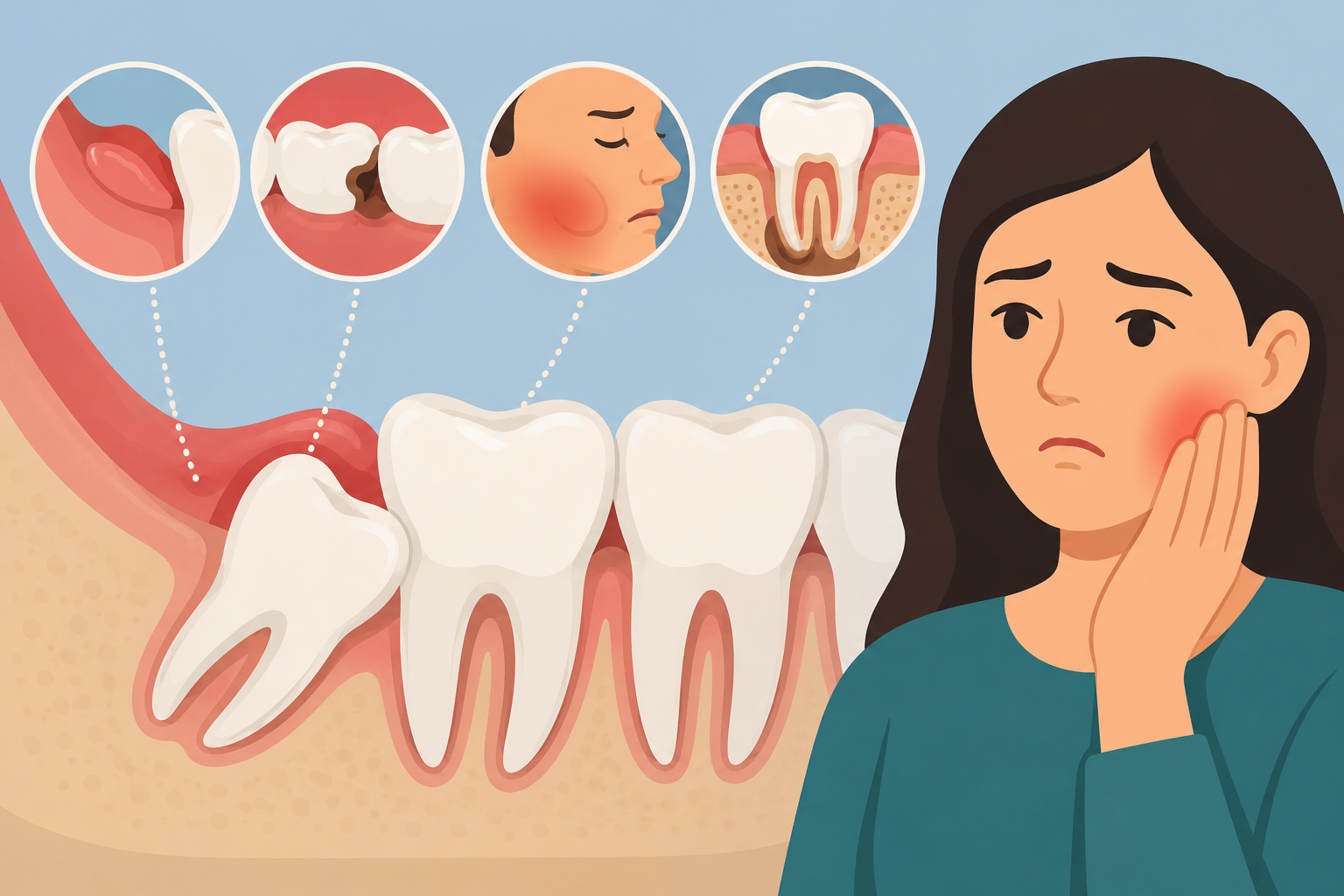
Wisdom teeth often stay hidden, silent, and unnoticed for years. But when they remain inside the jaw or erupt only partway, these molars can gradually create long-term problems that affect oral health, bite alignment, gum stability, and even facial comfort. Retained wisdom teeth rarely remain harmless forever, and because their changes progress slowly, many people only recognize the damage once symptoms are severe.
Understanding how these long-term complications develop can help you spot early warning signs and make informed decisions about dental care. Whether your wisdom teeth are already causing discomfort or you’ve been told they need monitoring, knowing what happens as they remain in place is essential for protecting your oral health.
Why Retained Wisdom Teeth Become Long-Term Risks
Not everyone develops wisdom teeth. Some individuals never form them at all—a pattern explained by jaw development and genetics, as highlighted in insights related to “never develop,” which explore how evolutionary changes influence wisdom tooth formation. For those who do have them, problems arise when these molars lack sufficient space to erupt properly.
An impacted tooth may sit sideways, angled toward a neighboring molar, or embedded deep in the bone. These positions create tight, inaccessible spaces where bacteria thrive. Over the years, these conditions set the stage for persistent inflammation, infection, bone loss, decay, and nerve irritation.
Retained wisdom teeth aren’t just inconvenient. They are biologically prone to becoming long-term sources of oral health deterioration.
Pressure Damage to Neighboring Teeth
A retained wisdom tooth often pushes against the second molar, gradually shifting it out of alignment. This slow, constant pressure can weaken the neighboring tooth’s root, interfere with bite stability, and create food traps that accelerate decay. Patients often begin to feel discomfort radiating across the jaw as the years go by.
In many cases, the discomfort may not remain localized. The nerve pathways involved often explain why pain spreads from the molar region toward the front teeth, creating symptoms that feel unrelated at first. This radiating discomfort is one of the earliest signs of long-term pressure from an impacted tooth.
Without early intervention, this pressure may lead to structural damage that affects both teeth and the surrounding bone.
Chronic Gum Infection Around Partially Erupted Teeth
When a wisdom tooth erupts only halfway, a small flap of gum tissue forms above it. This flap becomes a shelter for bacteria and food debris, which cannot be removed even with diligent brushing and flossing. Over time, the area becomes chronically inflamed.
This condition, known as pericoronitis, often flares up repeatedly. The inflammation can feel mild at first—slight tenderness, bad taste, or occasional swelling—but it typically returns in stronger, more persistent cycles.
In many cases, people experience years of recurring pain because the bacteria trapped beneath the gum flap never fully clears. The infection eventually spreads deeper into the tissues, raising the risk of serious oral health problems.
Deep Bone Loss Caused by Impacted Wisdom Teeth
Retained wisdom teeth can cause cysts to form around the tooth sac. These cysts expand slowly, often without symptoms, until they begin to erode the surrounding bone. By the time discomfort appears, the bone may already be compromised.
Bone loss is one of the most significant long-term risks because:
- It weakens nearby teeth
- It increases the risk of fracture
- It complicates future extraction
- It may require surgical reconstruction
These changes are typically discovered during routine imaging, but without consistent monitoring, they can progress for years unnoticed.
Increased Decay on Adjacent Molars
A trapped wisdom tooth does more than disrupt alignment—it also creates tight, uncleanable spaces that lead to rapid decay. The second molar is especially vulnerable because the contact point where the two teeth press together becomes impossible to reach with a toothbrush.
Decay spreads quickly in these hidden spaces. What often begins as a small cavity can progress to root infection or structural breakdown of the second molar. Many adults end up losing a perfectly healthy tooth because of long-term contact with a retained wisdom tooth.
These hidden decay patterns often worsen slowly over time, becoming noticeable only when the damage becomes severe.
Episodes of Recurring Pain and Swelling
Retained wisdom teeth tend to trigger repeated flare-ups of pain. These episodes often become stronger and more frequent with age, particularly when:
- Jaw tension increases
- Seasonal allergies inflame gum tissues
- Sleep habits change
- Stress contributes to clenching or grinding
During flare-ups, temperature therapy often provides relief. Choosing between ice and heat matters, as inflammation can worsen without proper management. These pain cycles may continue for years if the underlying cause—a trapped wisdom tooth—remains untreated.
Eventually, recurring inflammation contributes to gum recession, bone damage, and widespread sensitivity.
Escalating Complications With Age
A common misconception is that retained wisdom teeth become less problematic as people age. In reality, the risks increase because:
- Bone becomes thicker and denser
- Roots become fully formed and often curve
- Cysts have more time to grow
- Inflammation becomes chronic
- Hygiene challenges accumulate
When a dentist determines that the tooth cannot be safely removed at a certain moment, this temporary pause—often related to extraction delays—is always intended to reduce immediate risk. Delays should never be interpreted as long-term clearance because complications tend to escalate over time.
By adulthood, extraction becomes more complex and recovery takes longer, especially when damage has already developed.
Long-Term Cysts, Tumors, and Jaw Disorders
Although not common, cysts or benign tumors related to retained wisdom teeth can cause serious long-term structural issues. These growths may displace bone, weaken the jaw, or affect nearby nerves.
Chronic inflammation from the impacted tooth can also contribute to TMJ discomfort. Over time, jaw stiffness, clicking, headaches, and facial tension may appear as secondary symptoms. These disorders are often linked to the stress that impacted teeth place on the jaw structure.
Because these complications grow slowly, many people are unaware of the progression until symptoms become severe.
Gum Disease Linked to Retained Wisdom Teeth
The gum tissue behind the molars is difficult to clean even under normal circumstances. When a wisdom tooth remains partially erupted or impacted, the gum becomes a direct target for bacterial buildup.
Over time, this leads to periodontal pockets, bone loss, and gum recession. These changes often spread to the surrounding molars, creating broader oral health problems.
Gum disease is one of the most overlooked long-term risks because it progresses quietly but aggressively in the area around retained wisdom teeth.
Confusion About Whether Wisdom Teeth “Grow Back”
Some people believe their wisdom teeth might regrow after extraction when they experience new sensations or discomfort.
For retained wisdom teeth, this misconception can distract from the real issue: impacted teeth that remain in place continue producing pressure, inflammation, and pain over time.
Proper evaluation helps determine whether the discomfort is coming from a retained tooth, a neighboring molar, or residual nerve irritation.
Hygiene Challenges That Intensify Over the Years
As gum tissues change with age, brushing around the back molars becomes even more difficult. A partially erupted wisdom tooth creates tight spaces that trap plaque regardless of brushing technique.
The need for consistent cleaning is similar to maintaining proper brushing habits after extraction, where technique plays a key role in preventing bacterial buildup. When a wisdom tooth cannot be thoroughly cleaned, the persistent presence of plaque contributes to decay, gum disease, and chronic inflammation.
This long-term hygiene challenge becomes more problematic as the years pass.
Why Dentists Sometimes Monitor Instead of Extracting
There are moments when immediate removal is not advisable—sometimes due to swelling, infection, or medical factors.
Monitoring is temporary. Retained wisdom teeth almost always require intervention eventually, especially when symptoms begin affecting daily life.
Without consistent evaluation, these teeth can silently cause irreversible damage.
When Retained Wisdom Teeth Become Emergencies
A retained wisdom tooth may suddenly shift from a mild annoyance to an urgent situation. Warning signs of emergency-level complications include:
- Severe swelling
- Difficulty swallowing
- Jaw locking or extreme stiffness
- Persistent fever
- Spreading facial inflammation
- Uncontrolled bleeding
- Intense nerve pain
These emergencies often arise because the underlying problem has been developing unnoticed for years.
The Value of Early Evaluation
Early evaluation prevents long-term issues from reaching advanced stages. Imaging can reveal early signs of:
- Cyst development
- Bone loss
- Nerve compression
- Root damage
- Shifting alignment
Even if removal is postponed for medical reasons, routine monitoring ensures that any changes are detected early and managed appropriately.
Because retained wisdom teeth rarely remain stable over a lifetime, early planning creates the best opportunity for long-term oral health.
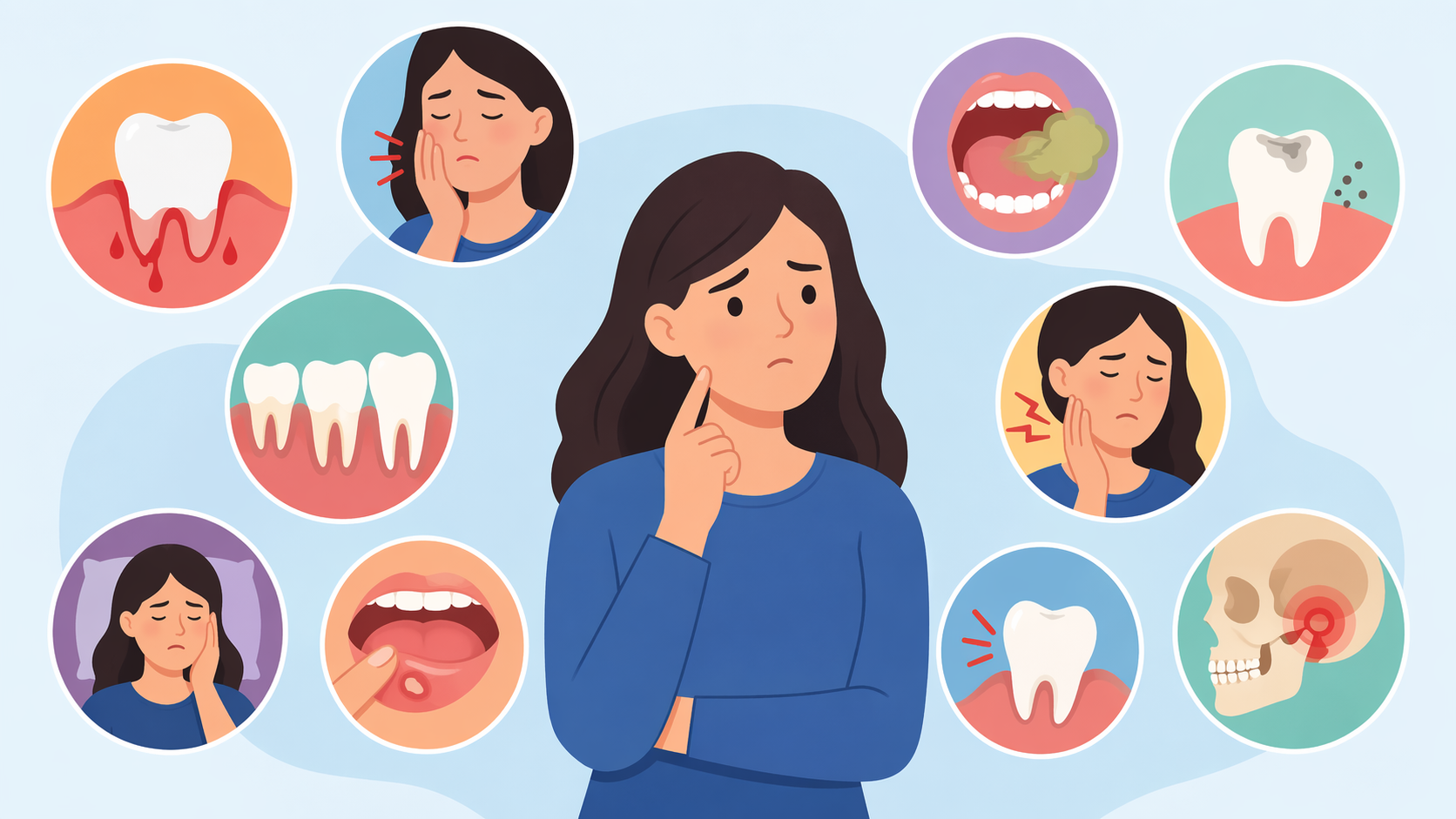
Early Warning Signs of Poor Oral Health You Should Know
April 21, 2026
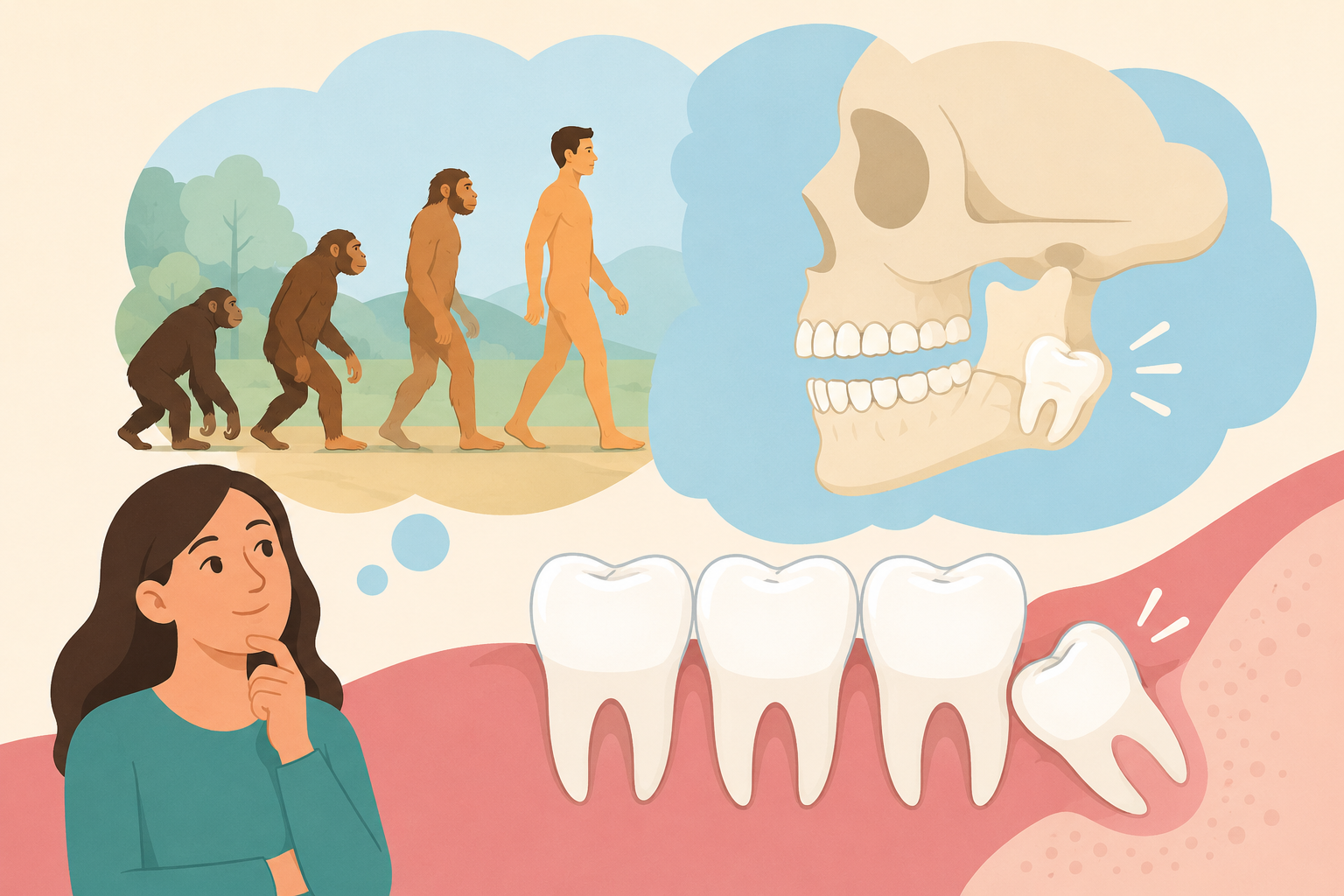
Why Do We Have Wisdom Teeth? The Real Reason Behind Them
June 15, 2026

Simple Tips to Keep Your Breath Fresh All Day
April 20, 2026
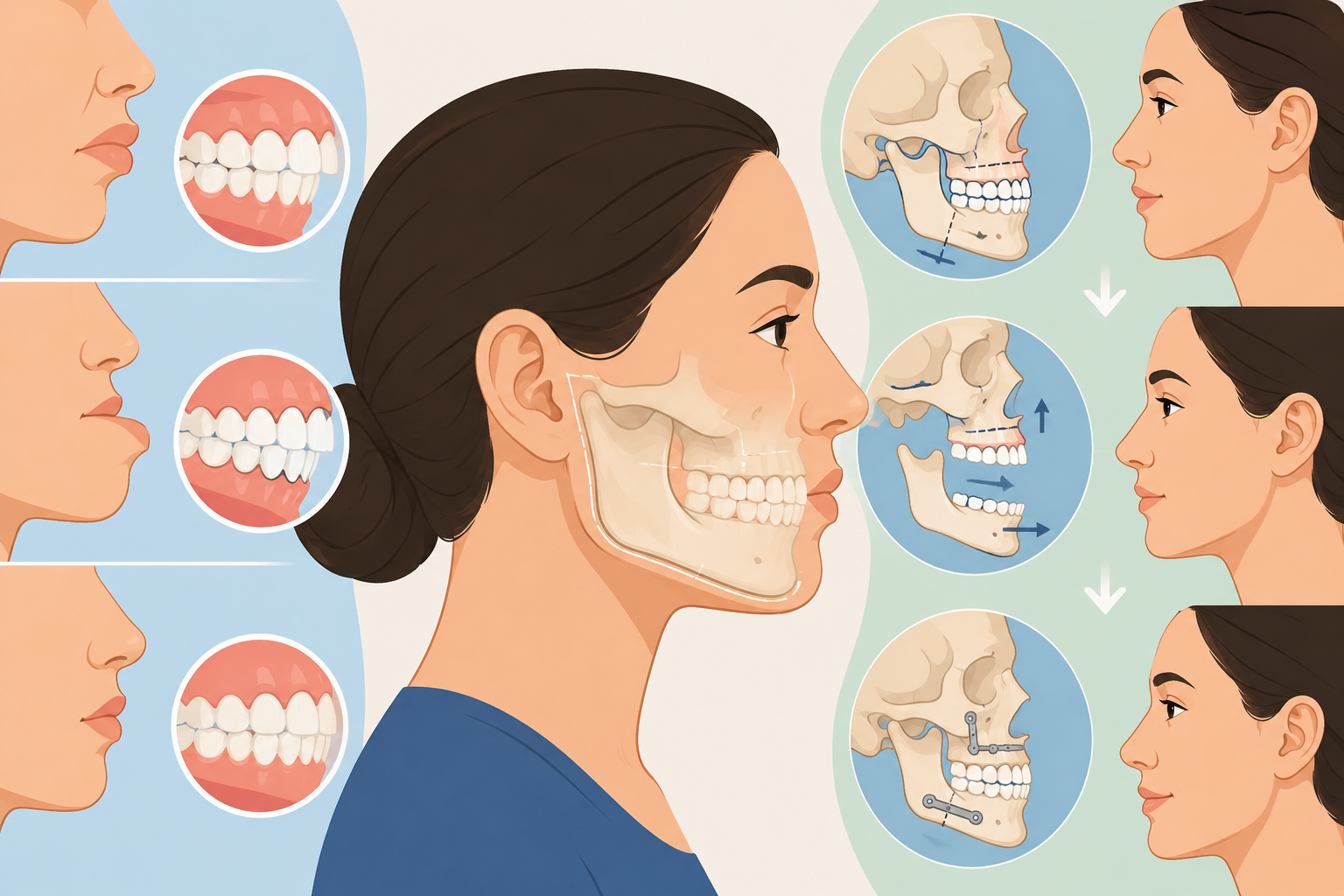
How Bite Correction Surgery Fixes Overbite, Underbite, and Jaw Alignment
May 18, 2026
Your Complete Guide to Choosing the Right Dentist and Treatment
January 22, 2026