Why a Tooth Extraction Isn't Always Done Right Away

When you’re told you may need a tooth extracted, it’s natural to expect the process to happen quickly. But in many cases, dentists choose to delay an extraction—even when discomfort, infection, or impacted wisdom teeth are involved. This delay isn’t neglect; it’s often a strategic decision to protect your oral health, reduce complications, and ensure the safest possible outcome.
In this guide, you’ll learn the real reasons a dentist might postpone an extraction, what it means for your treatment plan, and how to stay comfortable while waiting. You’ll also understand how factors like inflammation, healing risks, and existing dental conditions play a critical role in timing the procedure.
Understanding Why Extraction Timing Matters
Tooth extraction—especially when it involves wisdom teeth or compromised molars—is a surgical procedure. Timing matters because your oral structures, immune response, and existing issues can dramatically affect the outcome. A delayed extraction is often a preventative measure, designed to reduce the risk of complications such as excessive bleeding, nerve irritation, bone infection, and prolonged swelling.
Before removing a tooth, your dentist needs to evaluate several oral and medical factors. Even if the tooth is damaged or painful, immediate extraction may not always be the safest choice.
Reason 1: Ongoing Infection That Needs to Be Stabilized First
If you’re experiencing severe infection, swelling, or abscess formation, your dentist might delay the procedure until the infection is under control. Extracting a tooth in the middle of an acute infection increases bleeding risk, reduces the effectiveness of anesthesia, and may spread bacteria through surrounding tissues.
Dentists typically prescribe antibiotics to reduce inflammation and bring your body to a safer state for surgery. This is especially common for wisdom teeth with a history of recurring pressure or infection. If your pain resembles the deep throbbing often discussed when comparing wisdom pain to a toothache, the dentist may first determine whether active infection must be managed prior to extraction.
Only when the swelling calms down and the infection becomes localized is extraction considered safe and recommended.
Reason 2: Severe Swelling That Can Complicate Surgery
Excessive swelling in the cheeks, jaw, or gums can make accessing the tooth significantly harder for your dentist or oral surgeon. Heavy swelling can also distort tissue positioning, limiting visibility and increasing the risk of surgical complications.
This is a common challenge in hot, humid regions like Florida, where postoperative wisdom swelling often stays elevated longer, especially after procedures like wisdom tooth removal.
When pre-extraction inflammation is high, dentists often delay the procedure and recommend anti-inflammatory measures, cold compress application, hydration, and sometimes antibiotics to minimize the risk of excessive tissue trauma.
Reason 3: Your Medical History Requires Clearance
Your dentist may delay extraction if you have medical conditions or are taking medications that increase surgical risks. These may include:
- Heart conditions requiring prophylactic antibiotics
- Blood thinners that elevate bleeding risk
- Uncontrolled diabetes
- Autoimmune disorders
- Recent surgeries
- Conditions that weaken immune response
Your dentist might request a medical clearance from your physician before proceeding. This ensures that your vital signs, blood sugar levels, and medication timing are optimized for a safe extraction.
For patients exploring restorative treatments—such as preparing for dental implant procedures after extraction—the dentist may also consider how future intervention will be affected.
Reason 4: Nerve Pathway Risks Need Closer Assessment
Teeth located near major nerve pathways—especially lower wisdom teeth—must be evaluated carefully before removal. If the tooth roots are too close to the inferior alveolar nerve, immediate extraction might increase the risk of temporary or permanent numbness.
A dentist may delay the procedure to order:
- CBCT scans
- Updated X-rays
- Surgical consults
This delay isn’t a setback; it’s a safety step. Many patients who rush extraction without proper imaging experience issues similar to those explained in discussions of wisdom removal concerns such as numbness or lingering bleeding.
Proper imaging ensures the safest surgical approach and protects nerve function.
Reason 5: The Tooth May Be Salvageable
Not every damaged or painful tooth automatically requires extraction. Dentists sometimes delay removal because the tooth could still be preserved. Options like root canal treatment, crown placement, or periodontal therapy may restore the tooth’s function.
The goal is always to save natural teeth when possible—extraction becomes the last resort.
If the issue involves wisdom teeth, your dentist may consider the long-term effects of keeping them before deciding. Concerns like shifting teeth, cyst formation, or recurring infections. A deliberate delay provides time to determine whether removal is truly the best option.
Reason 6: You’re Not in a Stable Healing Condition
Dentists sometimes delay extraction because your body simply isn’t ready for surgery. This may happen when you’re experiencing:
- A recent cold, flu, or viral infection
- Lack of sleep or fatigue
- Poor hydration
- High stress levels
Your body’s healing capacity significantly affects surgical success. If your immune system is compromised at the moment, delaying extraction can lead to a smoother recovery and reduce risks of dry socket, excessive bleeding, or prolonged pain.
Reason 7: The Tooth Position or Angle Requires Specialist Care
Some teeth grow at unusual angles, fuse to the bone (ankylosis), or remain deeply impacted. Dentists may delay extraction until an oral surgeon can assess:
- Bone density
- Root curvature
- Nerve proximity
- Jaw structure
These cases often require a more advanced surgical approach, and rushing the extraction could increase fracture risks or post-operative complications.
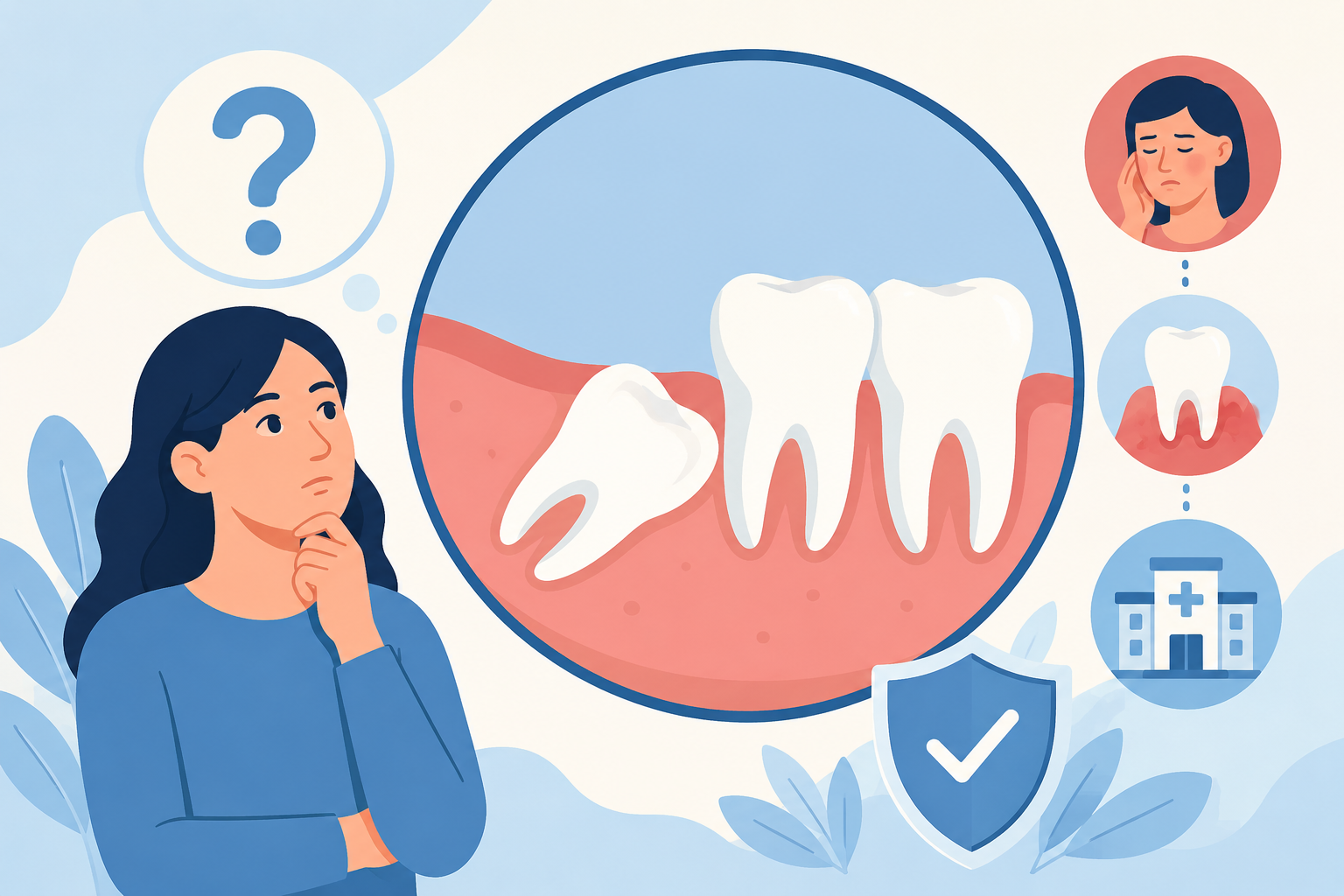
Wisdom teeth, in particular, may grow sideways, become trapped under gum tissue, or push against adjacent molars. A delay gives time to plan the least invasive extraction route.
Reason 8: Additional Time Is Needed to Reduce Surgical Trauma
Sometimes a delay is simply about making the procedure easier on your body. If the gum tissue is inflamed or the area is tender, even local anesthesia may be less effective. Proceeding too soon may cause unnecessary discomfort during and after the extraction.
By waiting a few days—while swelling is controlled, infection stabilizes, and tissues relax—your dentist ensures:
- Easier tooth access
- Faster healing
- Lower pain levels
- Reduced bleeding
- Fewer complications
This leads to a smoother overall experience.
Reason 9: Complex Cases Require Scheduled Operating Time
For certain teeth—especially deeply impacted molars—your dentist may need extra time carved out in their schedule. A complex extraction can take significantly longer than a standard one, and attempting to rush it isn’t in your best interest.
Delaying the procedure may allow:
- Use of advanced equipment
- Proper sedation planning
- Longer surgical windows
- Consultation with a surgical specialist
This ensures both patient safety and procedural precision.
Reason 10: You Need Time to Prepare Logistically
Dentists may delay extraction simply to give you time to prepare. For example:
- Arranging transportation
- Clearing work or school schedules
- Preparing recovery supplies
- Planning childcare
- Coordinating with insurance
Although this isn’t a medical delay, it ensures you’re fully ready for the procedure. A calm, well-prepared patient heals better and faces less stress before surgery.
When a Delay Is Actually a Good Sign
While waiting may feel frustrating, a delayed extraction often reflects careful planning rather than unnecessary postponement. Dentists delay procedures to:
- Minimize surgical risks
- Ensure your body is in optimal condition
- Improve the outcome
- Reduce discomfort
- Protect nearby structures
- Prevent long-term complications
Thoughtful timing leads to safer and smoother recoveries—especially for wisdom teeth, which are notorious for unpredictable roots and complex gum positioning.
What You Should Do While Waiting
If your dentist postpones your extraction, here are helpful steps to support healing and minimize discomfort:
Manage pain and pressure
Use prescribed medications or OTC options recommended by your dentist.
Maintain oral hygiene
Rinse gently with warm salt water to reduce bacteria and swelling.
Avoid chewing on the affected side
This keeps the area stable and prevents further irritation.
Monitor changes
Report sudden swelling, fever, or difficulty opening your mouth to your dentist immediately.
Stay hydrated and rest
Your body needs energy to stabilize before surgery.
Taking these steps helps ensure that by the time extraction day arrives, you’re ready for a safe procedure and smooth recovery.

How to Prevent Cavities Naturally (Simple & Effective Guide)
April 16, 2026

Can Diabetics Safely Undergo Oral Surgery?
January 6, 2026

Affordable vs. Quality Wisdom Tooth Removal Guide
June 23, 2026
How Rare Are Serious Wisdom Tooth Complications?
June 12, 2026

The Hidden Risks of Ignoring Wisdom Tooth Pain
April 1, 2026