Why Wisdom Teeth Can Trigger Sinus Issues
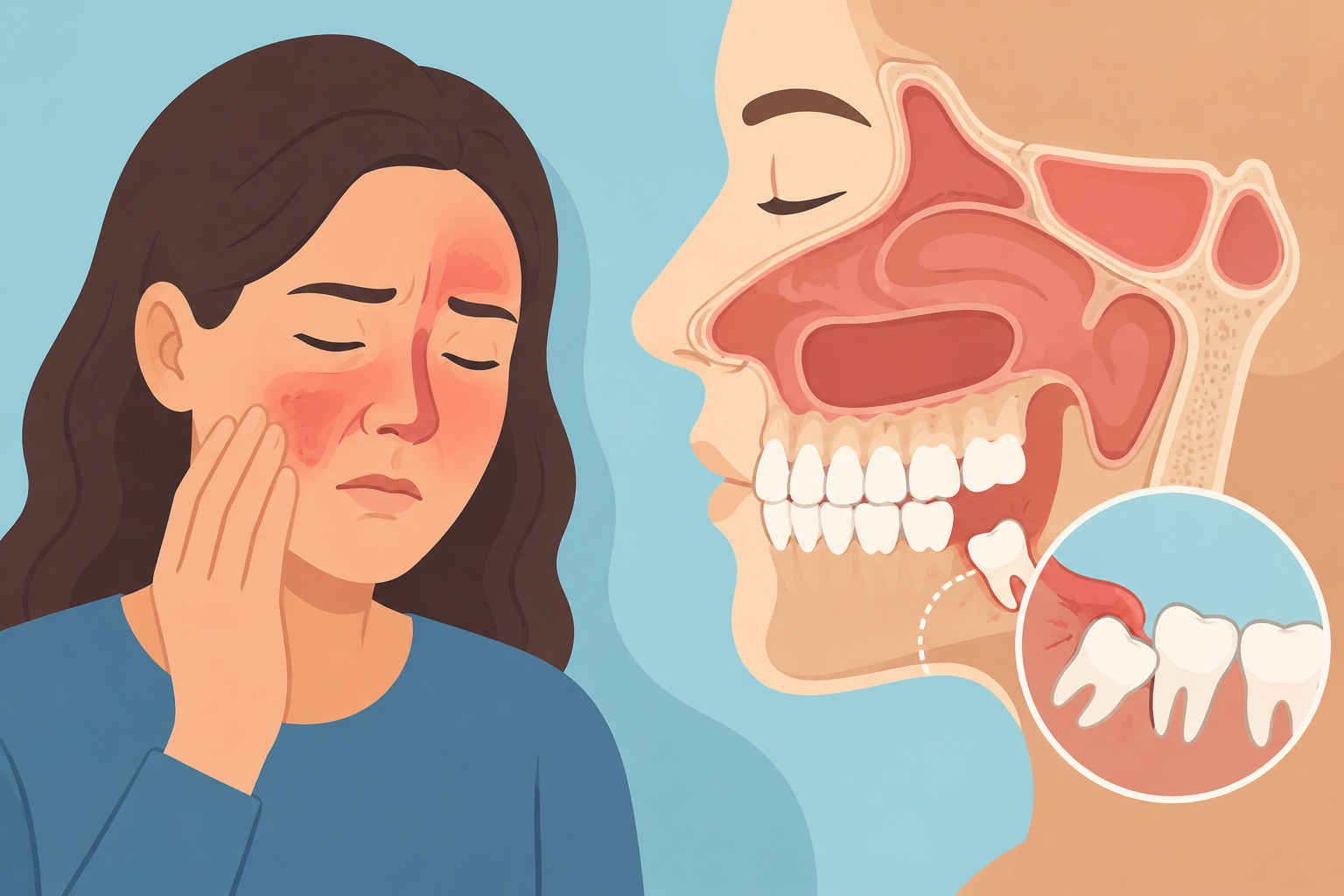
Wisdom tooth removal is a routine oral surgery, but when sinus concerns are involved, many patients understandably feel uneasy. Questions about sinus pressure, congestion, facial pain, or post-surgery complications often come up—especially when upper wisdom teeth are removed. Because the roots of these teeth can sit close to the sinus cavity, symptoms may appear that feel unfamiliar or concerning.
Understanding how wisdom tooth removal and sinus issues are connected can help set realistic expectations and reduce unnecessary worry. By knowing what’s normal, what’s temporary, and when professional care is needed, patients can approach treatment with confidence and clarity.
The Anatomical Connection Between Wisdom Teeth and Sinuses
Why Upper Wisdom Teeth Matter
The maxillary sinuses are air-filled spaces located just above the upper back teeth. In some patients, the roots of the upper wisdom teeth extend very close to the sinus floor, and in rare cases, they may slightly protrude into the sinus cavity itself. This proximity explains why sinus-related symptoms can occur after extraction.
During removal, the surrounding bone and tissue are gently manipulated. Even when surgery goes smoothly, this area may become inflamed temporarily, leading to sinus pressure or congestion.
Lower Wisdom Teeth and Sinus Separation
Lower wisdom teeth do not interact with the sinus cavities. When sinus symptoms occur after wisdom tooth removal, they are almost always linked to upper extractions rather than lower ones.
Normal Sinus Symptoms After Wisdom Tooth Removal
Sinus Pressure and Fullness
A feeling of fullness beneath the eyes or in the cheeks is common after upper wisdom tooth extraction. This sensation usually peaks within the first few days and gradually improves as swelling subsides.
Nasal Congestion
Temporary congestion on the same side as the extraction may occur. This happens because inflammation near the sinus membrane can affect airflow and drainage.
Mild Drainage
Light nasal drainage, sometimes tinged with blood, can appear during the first 24 to 48 hours. This is usually part of the normal healing process and resolves without intervention.
Facial Tenderness
Tenderness near the cheekbone or upper jaw can mimic sinus pain. As healing progresses, this discomfort steadily fades.
When Sinus Symptoms Need Attention
Sinus Communication After Extraction
In rare cases, removing an upper wisdom tooth can leave a small opening between the mouth and the sinus, known as a sinus communication. This may cause unusual sensations, such as air movement between the mouth and nose or liquid passing through unexpectedly.
Oral surgeons are trained to detect and manage this immediately during surgery, often sealing the area to support proper healing.
Risk of Sinus Infection
Although uncommon, sinus infections can develop if bacteria enter the sinus cavity after extraction. Symptoms may include persistent congestion, thick nasal discharge, fever, or increasing facial pain.
Patients who experience symptoms similar to those with wisdom infection should seek evaluation promptly to avoid complications.
How Oral Surgeons Reduce Sinus-Related Risks
Pre-Surgical Imaging
Advanced imaging allows oral surgeons to assess how close the wisdom tooth roots are to the sinus cavity. This detailed planning helps minimize risk and ensures a more predictable outcome.
Precision Techniques
When teeth are close to the sinus floor, surgeons adjust their approach to reduce pressure and protect the sinus membrane. These refined techniques are key to preventing complications.
Immediate Response When Needed
If sinus exposure is detected, it is addressed during the procedure. Proper closure and aftercare instructions greatly reduce the likelihood of lingering sinus problems.
Supporting Sinus Health During Recovery
Avoid Pressure Changes
Patients are advised to avoid blowing their nose forcefully, using straws, or smoking during early recovery. These actions increase sinus pressure and may disrupt healing.
Control Swelling Early
Cold compresses during the first day help limit swelling in the cheek and sinus region. Reduced inflammation supports comfort and healing.
Maintain Hydration and Rest
Adequate hydration keeps sinus passages clear, while proper rest allows the body to recover efficiently.
Follow Medication Guidelines
Prescribed medications should be taken exactly as directed. When antibiotics are needed, completing the full course helps prevent infection.
Bleeding, Bone Health, and Sinus Stability
Managing bleeding properly after wisdom tooth removal supports smooth healing and protects nearby sinus tissue. Patients who maintain healthy oral tissues often experience fewer complications, similar to outcomes seen in individuals addressing gum bleeding early.
In some cases, extraction affects the supporting jawbone beneath the sinus. Procedures involving bone grafting techniques help preserve structure and maintain long-term oral and sinus stability.
Distinguishing Normal Healing From Warning Signs
Normal Healing Indicators
- Mild sinus pressure that improves daily
- Light congestion or tenderness
- Minor nasal drainage
- Gradual reduction in discomfort
These symptoms typically resolve within one to two weeks.
Signs That Require Follow-Up
- Worsening pain after several days
- Persistent sinus pressure beyond one week
- Thick or discolored nasal discharge
- Fever or chills
Prompt evaluation ensures any issue is addressed early.
Long-Term Outlook After Upper Wisdom Tooth Removal
Most patients recover fully without lasting sinus effects. Even when sinus symptoms occur, they are usually temporary and resolve with time and proper care. Advances in imaging and surgical technique have made serious complications increasingly rare.
Once healed, patients benefit from reduced infection risk, improved oral comfort, and better long-term dental health—without ongoing sinus concerns.
Why Personalized Care Makes a Difference
Each patient’s anatomy is unique. Thorough evaluation and tailored surgical planning ensure that sinus proximity is accounted for before extraction. This individualized approach leads to safer procedures and smoother recovery.
Patients who stay attentive to healing signs and follow aftercare instructions closely tend to experience the best outcomes.
Final Thoughts
Wisdom tooth removal and sinus issues are connected by anatomy, not error. Temporary sinus symptoms after upper wisdom tooth extraction are common and usually harmless. Understanding this connection helps patients approach treatment with confidence rather than concern.
With proper planning, professional care, and attentive recovery, wisdom tooth removal can be completed safely while protecting both oral and sinus health.

How to Sleep After Wisdom Tooth Surgery Fast
February 25, 2026
Can You Get Your Wisdom Teeth Removed in One Visit?
March 13, 2026
Oral Surgery Sedation Explained in Simple Terms
May 7, 2026
Why Do We Have Wisdom Teeth? The Real Reason Behind Them
June 15, 2026
Can Wisdom Teeth Move Your Teeth Years Later?
May 23, 2026