Wisdom Tooth Pain Relief: When to Use Ice vs Heat
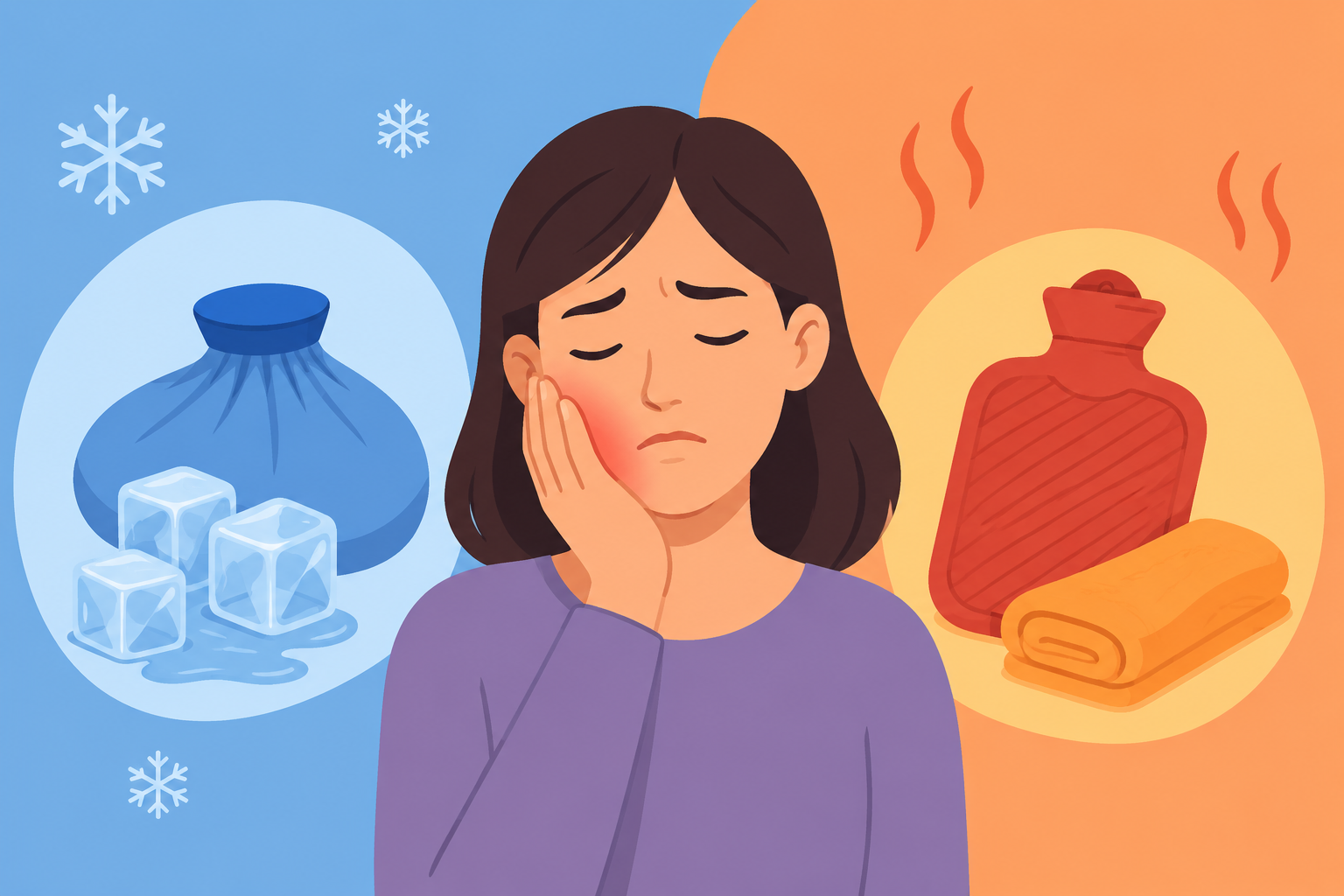
When wisdom tooth pain starts interfering with your day, finding fast and reliable relief becomes essential. Because discomfort can come from inflammation, pressure, infection, or even jaw tension, choosing between ice and heat can make a meaningful difference. While both methods help, they work best in very different situations depending on your symptoms.
Before choosing a remedy, it’s important to understand where the discomfort is coming from. Many people assume they are dealing with a standard toothache, but wisdom tooth pain behaves differently. When you compare sensations through clinical insights on tooth pain, it becomes much easier to recognize whether the source of your discomfort is inflammation, nerve irritation, or muscular tension. This foundation helps you decide when ice or heat will give you the most relief.
How Ice Helps Reduce Wisdom Tooth Pain
Ice Controls Swelling Quickly
Ice is typically the first recommended remedy for new wisdom tooth pain because it constricts blood vessels and immediately reduces inflammation. When the gums become irritated from an erupting tooth, swelling and tenderness often follow. Applying ice packs for 10–15 minutes at a time can significantly reduce this puffiness.
This can be especially important for patients sensitive to warm environments. Many individuals recovering after extraction notice that Florida heat increases swelling or discomfort, making ice an essential early-stage treatment.
Ice Also Numbs Irritated Nerves
Ice not only reduces swelling—it also numbs nerve endings. If your discomfort feels sharp, throbbing, or radiates through your jaw or ear, the numbing effect of cold therapy brings faster relief than heat. This makes ice the ideal choice for sudden or intense pain.
When Ice Works Best
Use ice when:
- Pain is new or worsening
- Swelling is visible
- Pain feels sharp or nerve-heavy
- You recently had wisdom tooth removal
- Jaw muscles are not extremely tight
Ice should always be your first choice within the first 48 hours of symptoms.
How Heat Helps Ease Wisdom Tooth Pain
Heat Relaxes Tight Jaw Muscles
Heat works differently than ice. Warm compresses increase blood flow, helping relax tight or overworked jaw muscles. If your pain has shifted into dull soreness or your jaw feels stiff—especially from clenching or limited movement—heat is often more soothing than cold.
Many patients notice that pain radiates into the temple or ear when the jaw muscles tighten. Heat helps reduce this tension and restore comfortable movement.
Heat Supports Healing Once Swelling Decreases
Once the inflammation of early wisdom tooth pain subsides, heat becomes helpful for promoting circulation and reducing lingering soreness. This is especially relevant for patients recovering from extraction. During the healing process, you may have normal concerns about bleeding or tingling, and resources explaining post stitches sensations can help you safely integrate heat into your recovery once it’s appropriate.
When Heat Works Best
Choose heat when:
- Your jaw feels stiff or tense
- The pain is more dull than sharp
- Most swelling has already diminished
- You’re several days into healing
- Discomfort is caused by tight muscles rather than inflammation
Ice vs Heat: Which One Should You Use?
Start With Ice When Pain or Swelling Is New
If your symptoms are fresh, ice is almost always the first and safest choice. Applying heat too early can worsen swelling by increasing blood flow to already inflamed areas.
Switch to Heat When Soreness Replaces Swelling
Once inflammation reduces and soreness or jaw tightness becomes the main issue, heat becomes more effective. Many people find the best results by transitioning from ice to heat as symptoms change.
Consider the Root Cause of the Pain
If your discomfort keeps returning, the issue may be deeper than temporary irritation. Clinical research on long-term effects shows that ignoring impacted or partially erupted wisdom teeth can lead to repeated infections, gum inflammation, and even damage to other teeth. In these cases, ice and heat help temporarily, but the underlying issue may require treatment.
When Wisdom Tooth Pain Requires More Than Home Remedies
Recurring Pain or Swelling
Recurring pain often indicates partial impaction or infection beneath the gumline. If your swelling rises and falls over time, or the pain keeps returning, at-home remedies might no longer be enough.
Pain That Mimics a Toothache
When wisdom tooth discomfort starts to resemble classic tooth pain or spreads into the jaw, ear, or neck, the situation may require professional evaluation.
Concerning Symptoms
Seek care if you experience:
- Persistent swelling beyond several days
- Jaw-locking or difficulty opening your mouth
- Tingling or numbness
- Bad taste or odor
- Prolonged bleeding after extraction
At this point, it may be time to consider a dental consult to determine whether extraction or another procedure is necessary.
Using Ice and Heat Safely
Safe Use of Ice
- Always wrap the ice in cloth
- Apply 10–15 minutes at a time
- Repeat every 1–2 hours
- Do not apply directly to skin
- Stop if numbness lasts too long
Safe Use of Heat
- Use warm, not hot compresses
- Apply for 10–15 minutes
- Avoid heat on active swelling
- Only switch to heat once swelling improves
- Use gentle warmth to avoid injury
When Wisdom Tooth Removal Becomes Necessary
Wisdom tooth removal becomes the best option when pain continues despite proper home care. Conditions like impaction, repeated infections, gum overgrowth, or cyst formation cannot be managed long-term with ice or heat alone.
Understanding the long-term effects of delaying removal can help you recognize when extraction is the most beneficial solution. After removal, it’s normal to experience slow, steady healing. Guides explaining post stitches sensations can reassure you during recovery.
Final Thoughts: Choosing the Right Remedy
Ice and heat both play important roles in managing wisdom tooth discomfort—just at different stages. Ice is ideal for swelling, sharp pain, and early inflammation. Heat is best once stiffness sets in and soreness replaces swelling.
However, neither remedy can correct underlying issues like impaction or infection. If your symptoms persist or keep returning, scheduling a dental consultation can ensure you receive proper care and long-term relief.
By using each method at the right time and seeking timely evaluation when needed, you protect your health while minimizing discomfort.
Oral Health and Heart Disease: What to Know
May 6, 2026
Can Wisdom Teeth Cause Ear Pain?
May 13, 2026
How Stress Affects Your Teeth (And What You Can Do About It)
January 20, 2026
Getting Wisdom Teeth Removed Without Insurance in Florida: What to Know
February 6, 2026
Upper vs. Lower Wisdom Teeth: Why the Pain Feels Different
April 29, 2026