How to Avoid Dental Problems After a Tooth Extraction
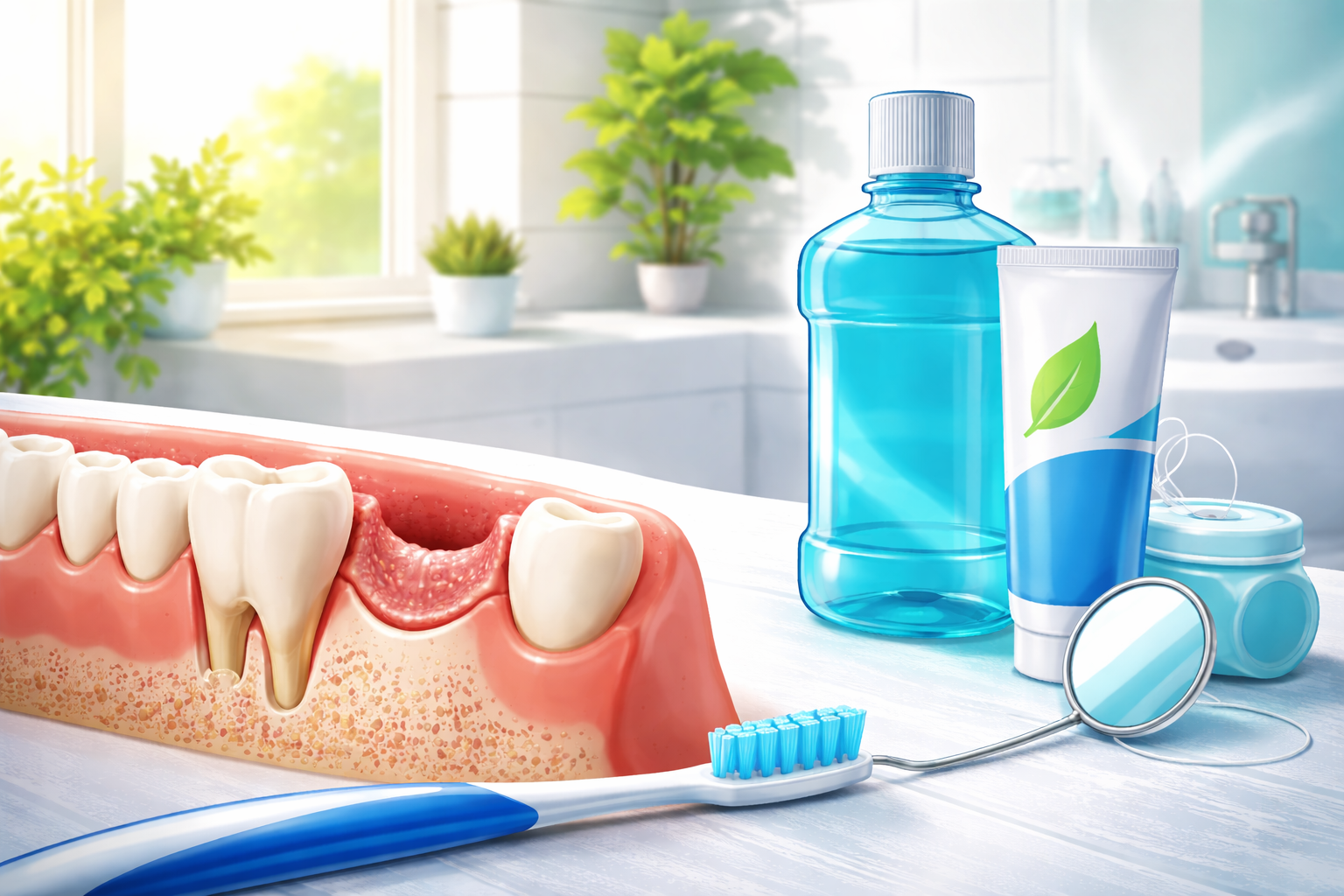
Tooth extraction is often the beginning of better oral health, not the end of it. Whether a tooth was removed because of decay, infection, crowding, or impaction, what you do afterward directly affects how your mouth adapts over time. Understanding how to avoid future dental problems after extraction helps protect your gums, preserve nearby teeth, and prevent complications that may appear months or even years later.
Many post-extraction issues don’t stem from the procedure itself, but from overlooked healing stages, daily habits, or subtle changes in bite alignment. With proper care and awareness, your mouth can heal efficiently and remain healthy long after the extraction site has closed.
This article explains what truly matters after a tooth is removed, from early healing to long-term oral stability, in a clear and practical way.
What Happens to Your Mouth After a Tooth Is Removed
Once a tooth is extracted, your mouth immediately begins adjusting. The gum tissue closes over the area, bone underneath starts to remodel, and nearby teeth may slowly respond to the new space.
Although these changes are natural, they require attention. The extraction site remains vulnerable during healing, and surrounding teeth may shift if the area isn’t properly monitored. Even after the gums appear healed, deeper structural changes continue beneath the surface.
Ignoring these adjustments can lead to discomfort, uneven pressure when chewing, or complications that affect overall oral health.
Why Early Healing Matters More Than Most People Think
The first few weeks after extraction are critical. This is when the protective blood clot forms and the gum tissue begins repairing itself. Disruptions during this phase can slow healing and create unnecessary pain.
Conditions like dry socket occur when the clot dislodges too soon, exposing sensitive bone and nerves. This not only causes discomfort but also increases the risk of infection and prolonged inflammation.
Allowing the site to heal undisturbed supports proper tissue regeneration and sets the foundation for long-term dental stability.
Maintaining Oral Hygiene Without Irritating the Extraction Site
Oral hygiene remains essential after extraction, but it must be adjusted during healing. Brushing too aggressively or rinsing forcefully can irritate the site, while poor hygiene allows bacteria to build up.
Carefully cleaning the surrounding teeth helps prevent plaque accumulation without disturbing healing tissue. As recovery progresses, normal brushing habits can resume while continuing to monitor the area for sensitivity or swelling.
Maintaining a clean mouth supports gum health and protects neighboring teeth from future issues.
Recognizing Early Signs of Post-Extraction Problems
Not all dental problems appear suddenly. Some develop gradually, showing subtle signs that are easy to overlook.
Persistent soreness, pressure when chewing, or discomfort radiating beyond the extraction area may indicate underlying inflammation. In some cases, symptoms linked to throat pain can occur after wisdom tooth removal, especially if swelling or nerve irritation extends beyond the surgical site.
Paying attention to these changes allows early intervention before complications worsen.
How Missing Teeth Affect the Rest of Your Smile
When a tooth is removed, the surrounding teeth no longer have the same support structure. Over time, they may tilt or shift into the empty space, altering bite alignment.
These shifts can create hard-to-clean areas where plaque builds more easily, increasing the risk of cavities and gum disease. Bone beneath the missing tooth may also lose density due to lack of stimulation.
Understanding these effects highlights why post-extraction care involves more than short-term healing.
Why Timing and Age Influence Long-Term Dental Health
Healing speed and bone response vary depending on age. Younger patients tend to experience faster recovery and more predictable bone remodeling.
This is often discussed when considering the best age for wisdom tooth removal, as earlier intervention can reduce complications and alignment issues later on.
That said, adults can still achieve excellent outcomes with consistent care, proper monitoring, and realistic expectations during recovery.
Eating Habits That Support Healing and Oral Stability
What you eat after extraction plays a major role in healing. Soft foods reduce pressure on the site during early recovery, while nutrient-rich meals support tissue repair.
As normal eating resumes, limiting sugary or sticky foods helps protect surrounding teeth. Chewing evenly on both sides of the mouth also prevents unnecessary strain while your bite adapts.
Healthy dietary habits contribute to long-term gum and bone health.
Why Some People Experience Fewer Dental Issues After Extraction
Every mouth is different. Genetics, jaw shape, and tooth development patterns all influence how the mouth responds to extraction.
Some individuals never develop certain teeth at all, a variation explained by natural differences in wisdom teeth formation. These differences can affect crowding, alignment, and long-term oral health outcomes.
Recognizing individual variation reinforces the importance of personalized dental care rather than generalized assumptions.
Protecting Gum Health Around the Extraction Area
Healthy gums are essential after a tooth is removed. The surrounding tissue must regain strength to protect underlying bone and adjacent teeth.
Inflammation or recession near the extraction site can expose roots and increase sensitivity. Gentle brushing, regular dental cleanings, and consistent oral hygiene help maintain healthy gum tissue.
Strong gums support long-term stability and comfort.
How Bite Changes Can Create Future Dental Problems
Even small changes in bite alignment can cause uneven pressure on teeth and jaw joints. After extraction, chewing patterns may shift without notice.
Over time, this can lead to jaw soreness, headaches, or uneven tooth wear. Monitoring bite comfort and addressing subtle changes early helps prevent chronic issues.
A balanced bite supports both function and comfort.
Why Follow-Up Dental Visits Matter After Extraction
Routine dental visits allow professionals to monitor healing beneath the surface. X-rays and examinations help detect bone changes, shifting teeth, or lingering inflammation early.
Even when everything feels normal, follow-ups ensure long-term oral health remains on track.
Consistent professional care complements daily hygiene habits.
Managing Long-Term Sensitivity Near the Extraction Site
Lingering sensitivity can occur, especially if nerves were close to the extracted tooth. This typically improves over time but should be monitored.
Using toothpaste for sensitive teeth and avoiding extreme temperatures can help manage discomfort. Persistent sensitivity may signal bite issues or gum recession.
Comfort supports consistency in oral care routines.
Lifestyle Choices That Affect Healing and Dental Health
Smoking, excessive alcohol use, and chronic stress can slow healing and increase the risk of complications. These factors reduce blood flow to the gums and increase inflammation.
Reducing these risks supports both recovery and long-term dental stability.
Small lifestyle changes can have a lasting impact.
Creating a Long-Term Oral Care Routine After Extraction
Once healing is complete, consistency becomes the most important factor. Brushing twice daily, flossing regularly, and attending professional cleanings protect the remaining teeth.
Staying alert to changes in comfort or alignment allows early action when something feels off.
With the right habits, extraction becomes a step toward a healthier smile rather than a setback.
Final Thoughts on Avoiding Dental Problems After Extraction
Avoiding future dental problems after extraction doesn’t require complicated routines. It requires awareness, patience during healing, and consistent long-term care.
By understanding how your mouth changes and responding thoughtfully, you protect your smile for years to come.
Mouthwash and Wisdom Teeth: What Really Works
December 16, 2025

Wisdom Tooth Removal Recovery: 14-Day Healing Guide
February 11, 2026
Long-Term Care Tips for Healthy Dental Implants
March 9, 2026

Comparing In-Office vs. Hospital Wisdom Tooth Extraction Costs
January 28, 2026

Can You Go to Work or School After Wisdom Tooth Removal?
June 9, 2026