Can Wisdom Teeth Return After Being Pulled?
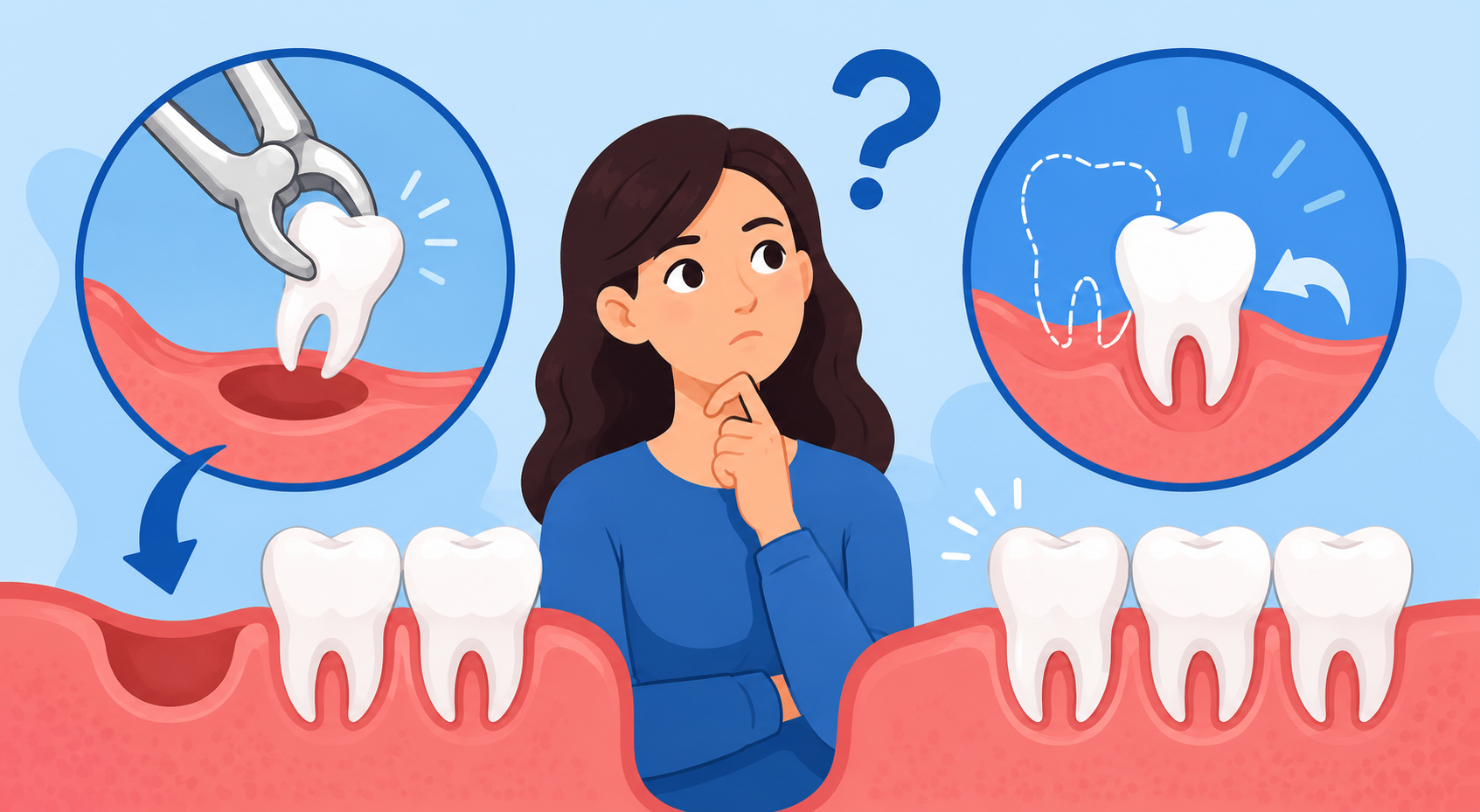
If you’ve already had your wisdom teeth removed and recently felt pressure, pain, or swelling in the back of your mouth, you might be wondering: Can wisdom teeth grow back after removal? It’s a common concern—and a completely understandable one.
The short, reassuring answer is no—wisdom teeth do not grow back once they have been fully removed. Still, many people experience sensations that feel like regrowth, sometimes even years after surgery. These sensations usually stem from healing changes in bone and gum tissue—not from a new tooth forming.
We’ll explore why wisdom teeth cannot regenerate, what actually causes these “regrowth” sensations, and when lingering symptoms require professional evaluation.
What Are Wisdom Teeth and Why Do We Have Them?
Wisdom teeth, also known as third molars, are the final set of permanent teeth to develop. They typically erupt between the ages of 17 and 25.
The Evolutionary Purpose of Wisdom Teeth
Early humans relied on extra molars to chew tough, fibrous foods such as roots and raw meat. As diets softened and jaws became smaller over time, wisdom teeth lost much of their original purpose—but they didn’t disappear.
Today, these late-arriving molars often lack enough space to erupt properly. This is why impaction, infection, crowding, and pain are common reasons for removal. Understanding the long-term effects of keeping wisdom teeth can help clarify why extraction is usually recommended.
Can Wisdom Teeth Actually Grow Back After Removal?
No—once a wisdom tooth is fully extracted, it cannot biologically grow back. Humans only develop two sets of teeth: baby teeth and permanent teeth. Wisdom teeth belong to the permanent set.
Unlike some animals that continuously regenerate teeth, humans do not regenerate full tooth structures. Enamel, dentin, and pulp do not reform once removed.
So why do some people feel like their wisdom teeth are returning?
Why It Can Feel Like a Wisdom Tooth Is Growing Back
Several post-extraction healing conditions can create the illusion that a new tooth is erupting.
Retained Root Fragments
In complex surgical extractions, especially when teeth are deeply impacted, very small root fragments may be left behind to avoid damaging nearby nerves. Over time, these fragments can migrate toward the gum surface and feel exactly like a tooth pushing through.
This is not regrowth—it is movement of existing tooth material.
Bone Spicules and Bone Remodeling
After a tooth is removed, your jawbone begins a natural reshaping process. During this phase, small sharp bone fragments called spicules can emerge through the gums. These fragments feel hard and tooth-like and are one of the most common causes of “regrowth” sensations.
They usually fall out on their own or are gently removed during a short dental visit.
Scar Tissue and Gum Thickening
Healing gums often develop scar tissue that feels dense or raised. This can create the sensation that something solid is emerging even though no tooth structure is present. Sometimes this area may feel sore or sensitive, similar to wisdom pain versus a regular toothache.
What If Wisdom Teeth Were Removed at a Young Age?
Some patients undergo wisdom tooth removal before the roots are fully developed. In rare situations, leftover tissue can continue limited development after surgery. This is still not true regrowth, but rather continued growth of tissue that already existed at the time of extraction.
Follow-up dental imaging is typically used to ensure no developing structures remain.
Long-Term Effects After Wisdom Tooth Removal
Although surface healing happens quickly, the jawbone and surrounding tissues continue to remodel for years. This is why people sometimes experience sensations long after the surgical site appears fully healed.
Post-extraction complications can also include temporary discomfort, swelling, or numbness. Knowing what is normal after surgery can help reduce unnecessary concern .
Pain Years After Extraction: Is It Normal?
Pain months or even years after wisdom tooth removal is not typical, but it does occur. When it does, the cause is almost never tooth regrowth.
Common causes include:
- Gum inflammation
- Infection near retained fragments
- Damage to neighboring molars
- Jaw joint disorders
- Sinus pressure from upper extraction sites
Differentiating between wisdom pain and a standard toothache is important, since discomfort may originate from another tooth.
Swelling Long After Surgery—Especially in Heat
Normal post-operative swelling usually resolves within one to two weeks. However, heat exposure, physical stress, and dehydration can trigger late-stage inflammation.
In warmer climates, swelling can feel more intense or persistent due to poor fluid drainage. Experiencing swelling months later is typically related to irritation or minor infection—not regrowth, especially in areas prone to post-extraction swelling.
Seeing White or Hard Material in the Extraction Site
Many patients become alarmed when they see something white or hard at the old extraction site. In most cases, this is:
- Exposed healing bone
- Bone fragments emerging
- Dense scar tissue
- Residual suture material
These findings are often associated with post-op symptoms such as stitches, bleeding, and temporary numbness Although they may look concerning, they are not signs of a tooth growing back.
Can Dental Implants Replace Wisdom Teeth?
Wisdom teeth are rarely replaced because they are not essential for chewing efficiency or appearance. However, if an adjacent molar was damaged by an impacted wisdom tooth, implants may be necessary to restore proper function.
This determination is typically made during a dental implant consult (implant consult), where bone density, spacing, and bite alignment are evaluated.
When Should You Be Concerned After Wisdom Tooth Removal?
You should schedule a professional evaluation if you experience:
- Pain lasting more than one week
- Swelling that worsens instead of improving
- Persistent foul taste or odor
- Pus or discharge from the gums
- Fever or general illness
- A hard structure that continues to enlarge
These symptoms may indicate delayed healing, infection, or retained fragments—not regrowth.
Can Some People Have More Than Four Wisdom Teeth?
Yes. Although rare, some individuals develop supernumerary teeth—extra teeth formed during early development. These may stay hidden in the jaw for years before emerging.
If one erupts after standard wisdom teeth removal, it may look like regrowth even though it is actually a previously undetected extra tooth. Dental imaging is the only way to confirm this.
Key Takeaways: Do Wisdom Teeth Grow Back?
- Wisdom teeth cannot grow back after full removal
- Sensations of regrowth are usually caused by bone remodeling, gum tissue, or retained root fragments
- Rare extra teeth can mimic regrowth but are not regenerated teeth
- Late pain requires evaluation but does not equal regrowth
- Dental imaging provides definitive answers

Is It Wisdom Tooth Pain or Just a Toothache? Here’s How to Know
March 23, 2026

10 Common Myths About Wisdom Tooth Removal
November 12, 2025
How Sugar Damages Teeth More Than You Think
May 12, 2026
How to Spot an Infected Wisdom Tooth Early
March 27, 2026
Questions to Ask Before Wisdom Tooth Extraction
December 23, 2025