Are Wisdom Teeth Useful or Evolutionary Leftovers?
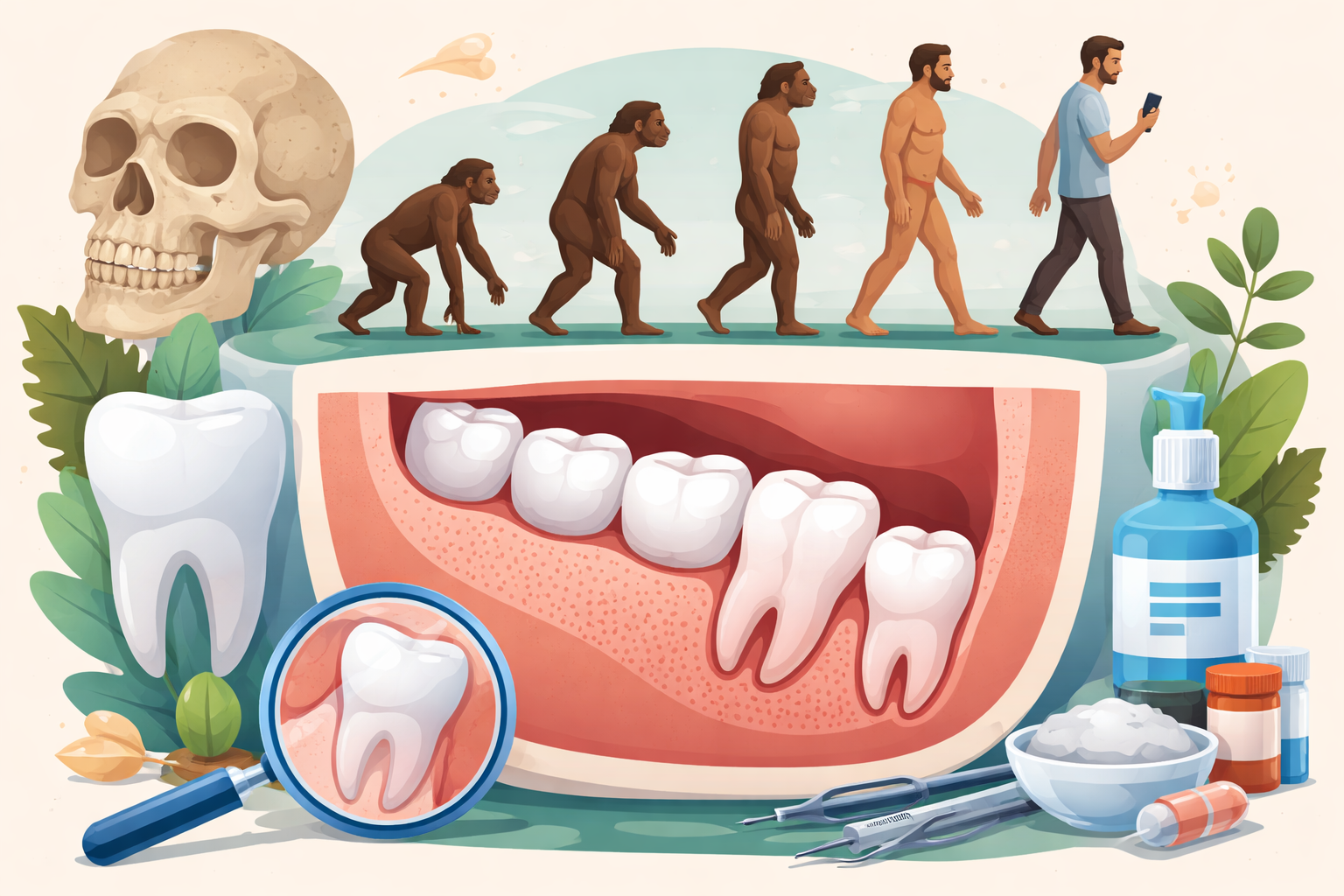
Wisdom teeth are one of the most talked-about topics in dental health. Many people develop them in their late teens or early twenties, often followed by swelling, discomfort, or even surgery. This raises a common question: are wisdom teeth actually useful, or are they simply leftovers from human evolution?
Understanding the role of wisdom teeth requires looking at both biology and modern dentistry. While these third molars once served a purpose for our ancestors, lifestyle changes and smaller jaws mean they often create more problems than benefits today.
In this guide, we’ll explore why wisdom teeth exist, what they were originally used for, why they cause issues today, and whether removing them is truly necessary.
What Are Wisdom Teeth?
Wisdom teeth are the third set of molars located at the very back of the mouth. Most people have four wisdom teeth—two on the upper jaw and two on the lower jaw.
They typically emerge between the ages of 17 and 25, which is why they’re called “wisdom teeth.” Historically, this age was considered the point when a person reached maturity or “wisdom.”
Why Do They Appear So Late?
Unlike other teeth that erupt during childhood, wisdom teeth develop much later. Their delayed eruption is related to the natural development of the jaw and the growth of permanent teeth.
However, by the time wisdom teeth start to emerge, many modern mouths simply don’t have enough space to accommodate them.
The Evolutionary Purpose of Wisdom Teeth
To understand whether wisdom teeth are useful, we need to look back thousands of years.
Early Human Diets
Our ancient ancestors had diets that were dramatically different from what we eat today. Their meals included:
- Tough plants
- Raw vegetables
- Hard nuts
- Unprocessed meats
Because these foods were difficult to chew, humans needed larger jaws and stronger chewing power. Wisdom teeth served as additional molars that helped grind and break down coarse foods.
In that context, wisdom teeth were extremely useful.
Tooth Wear in Ancient Humans
Another reason wisdom teeth were beneficial was tooth wear.
Early humans experienced significant tooth damage and loss because their food contained grit, sand, and other abrasive materials. Wisdom teeth often replaced molars that had worn down or fallen out.
In short, wisdom teeth acted as a backup chewing system.
Why Wisdom Teeth Cause Problems Today
Human evolution didn’t stop, but our diets and lifestyles changed rapidly.
Modern food is softer, more processed, and easier to chew. As a result, the human jaw gradually became smaller over time.
Smaller Jaws, Same Number of Teeth
Although our jaws shrank, the number of teeth we develop stayed the same. That mismatch is the main reason wisdom teeth frequently cause complications.
Common problems include:
- Lack of space for proper eruption
- Teeth growing at an angle
- Crowding of nearby teeth
- Gum infections
- Impacted teeth trapped in the jaw
Because of these issues, wisdom teeth are now more likely to be problematic than helpful.
Impacted Wisdom Teeth Explained
One of the most common dental issues related to wisdom teeth is impaction.
An impacted wisdom tooth occurs when the tooth cannot fully emerge through the gums due to lack of space or improper positioning.
Types of Impaction
Dentists typically identify several types of impacted wisdom teeth:
Horizontal impaction
The tooth grows sideways toward the adjacent molar.
Vertical impaction
The tooth grows upright but cannot fully erupt.
Mesial impaction
The tooth tilts forward toward the second molar.
Distal impaction
The tooth angles toward the back of the mouth.
Each type can cause pain, infection, and pressure on nearby teeth.
When Wisdom Teeth Can Still Be Useful
Despite their reputation, wisdom teeth are not always useless.
In some cases, they can function like normal molars.
Situations Where Wisdom Teeth May Be Beneficial
Wisdom teeth can remain if they are:
- Fully erupted
- Properly aligned
- Easy to clean
- Free of decay or infection
- Not crowding nearby teeth
When these conditions are met, wisdom teeth may contribute to chewing and overall dental function.
However, these situations are relatively uncommon.
Signs Your Wisdom Teeth May Be Causing Problems
Many people don’t notice issues until discomfort appears.
Common warning signs include:
- Pain at the back of the mouth
- Swollen or bleeding gums
- Difficulty opening the jaw
- Persistent bad breath
- Headaches or jaw stiffness
- Food getting trapped behind molars
If any of these symptoms occur, it’s important to consult a dental professional for evaluation.
Why Dentists Often Recommend Removal
Dentists and oral surgeons frequently recommend removing wisdom teeth before serious complications develop.
Preventive removal is common because wisdom teeth can create problems even if they’re not currently painful.
Risks of Leaving Problematic Wisdom Teeth
Untreated wisdom teeth can lead to:
- Gum infections (pericoronitis)
- Tooth decay
- Damage to adjacent molars
- Jaw cysts
- Crowding after orthodontic treatment
Early removal often prevents more complicated procedures later.
If you’re experiencing symptoms or have been advised to remove your wisdom teeth, scheduling a wisdom teeth consultation allows a specialist to evaluate your specific case and recommend the best approach.
What Happens During Wisdom Tooth Removal
Wisdom tooth extraction is one of the most common oral surgery procedures.
The process typically includes:
- Dental examination and X-rays
- Local anesthesia or sedation
- Removal of the tooth
- Stitches if necessary
- Recovery and aftercare
Most procedures take less than an hour, and many patients return home the same day.
Recovery After Wisdom Tooth Removal
Recovery is usually straightforward when patients follow proper aftercare instructions.
Typical Healing Timeline
First 24 hours
- Minor bleeding
- Swelling
- Mild discomfort
Days 2–3
- Swelling peaks
- Pain gradually decreases
Days 4–7
- Gums begin healing
- Normal activities slowly resume
Eating After Surgery
Diet plays an important role in healing.
Soft foods like yogurt, soup, and mashed potatoes are recommended during the first few days. Hydration is also essential, but patients should avoid beverages that could disturb the surgical site.
If you’re unsure about post-surgery beverages, this guide on post surgery drinks explains which options are safest during recovery.
Are Wisdom Teeth Becoming Obsolete?
Many scientists believe wisdom teeth are gradually becoming unnecessary.
In fact, some people are now born without wisdom teeth at all.
This phenomenon is linked to ongoing evolutionary changes in the human jaw and genetics.
The Future of Wisdom Teeth
Researchers suggest that over many generations, wisdom teeth may disappear entirely.
But for now, most people still develop them—even if they never fully emerge.
Myths About Wisdom Teeth
Wisdom teeth are surrounded by misconceptions.
Myth: Everyone Needs Wisdom Teeth Removed
Not true. If wisdom teeth are healthy and properly aligned, removal may not be necessary.
Myth: Wisdom Teeth Always Cause Pain
Some people never experience symptoms at all.
Myth: Removing Wisdom Teeth Is Extremely Painful
Modern anesthesia and surgical techniques make the procedure much more comfortable than many people expect.
Most discomfort occurs during recovery rather than during the surgery itself.
Monitoring Wisdom Teeth Over Time
Even if wisdom teeth aren’t currently causing issues, dentists often monitor them through regular dental exams.
X-rays help detect potential problems before symptoms develop.
Early monitoring can prevent complications and ensure the best long-term oral health.
Final Thoughts
Wisdom teeth were once a valuable part of human survival. They helped our ancestors chew tough foods and compensate for worn-down molars.
However, modern diets and smaller jaws mean these third molars often create more problems than benefits.
While wisdom teeth aren’t entirely useless, they are increasingly becoming evolutionary leftovers for many people.
The key is proper evaluation. A dental professional can determine whether your wisdom teeth are healthy, impacted, or likely to cause complications in the future.
Understanding their role allows you to make informed decisions about your oral health and avoid unnecessary pain or infection later on.

Affordable vs. Quality Wisdom Tooth Removal Guide
June 23, 2026
Is It Wisdom Tooth Pain or Just a Toothache? Here’s How to Know
March 23, 2026

How to Prepare Your Teen for Wisdom Tooth Removal
February 16, 2026
Mouthwash and Wisdom Teeth: What Really Works
December 16, 2025
How Rare Are Serious Wisdom Tooth Complications?
June 12, 2026