Wisdom Teeth: Autoimmune Risks & Recovery
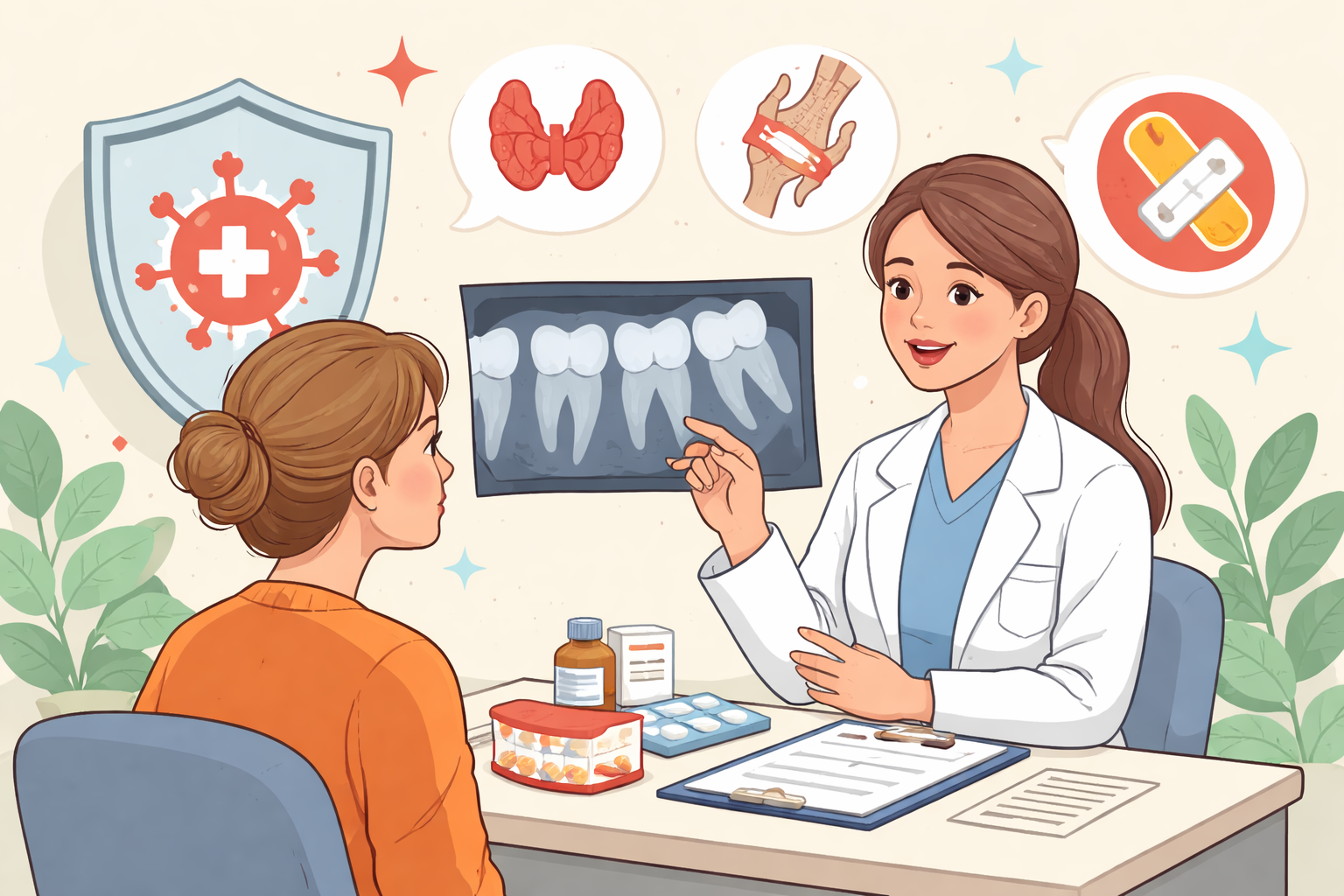
Wisdom teeth are a normal part of dental development, but when you have an autoimmune disorder, they can become a source of ongoing problems. Autoimmune conditions like lupus, rheumatoid arthritis, Crohn’s disease, and Hashimoto’s thyroiditis affect the body’s immune response, and that can change the way your mouth heals after dental procedures.
If your immune system is already fighting an internal battle, wisdom teeth can add extra inflammation, infection risk, and discomfort. This guide will help you understand the risks, what to watch for, and how to get the safest care possible.
Why Wisdom Teeth Matter More With Autoimmune Disorders
Autoimmune disorders cause the immune system to attack healthy tissue, which can affect healing, inflammation, and infection control. Because wisdom teeth are located at the back of the mouth, they are harder to clean and more likely to develop issues like decay, infection, or impaction.
How Autoimmune Conditions Affect Oral Health
When your immune system is compromised, even minor oral problems can escalate. You may notice:
- More frequent gum inflammation
- Slow healing after dental procedures
- Higher risk of infections
- Increased sensitivity and pain
These symptoms can make wisdom teeth more than just a “dental milestone.” They can become a chronic source of irritation and risk.
Common Autoimmune Disorders That Affect Wisdom Teeth
Autoimmune disorders vary, but several are known to influence oral health:
- Lupus
- Rheumatoid arthritis
- Crohn’s disease
- Psoriasis
- Multiple sclerosis
- Type 1 diabetes
- Hashimoto’s thyroiditis
If you have one of these conditions, you’ll want to be extra vigilant about your wisdom teeth and dental care.
Recognizing Warning Signs Early
The key to preventing complications is recognizing warning signs early. Wisdom teeth can cause infection or inflammation without obvious symptoms, so paying attention to subtle changes is important.
Symptoms That Should Raise Concern
Here are some common signs that your wisdom teeth may need attention:
- Jaw pain or swelling that persists
- Tender, red gums near the back teeth
- Difficulty opening your mouth
- Bad breath or a bad taste in the mouth
- Recurrent infections around the tooth
- Crowding or shifting of other teeth
If you’re noticing these symptoms, it may be time to check for signs your wisdom tooth needs to come out. An evaluation can confirm whether removal is the safest option.
Why Extraction Is Often Recommended for Autoimmune Patients
For many people, wisdom tooth removal is optional. But for autoimmune patients, extraction can be a preventative step to avoid ongoing inflammation and infection. Because autoimmune disorders can affect healing, removing a problematic wisdom tooth may reduce long-term risks.
Preventing Chronic Infection and Flare-Ups
Wisdom teeth can trap food and bacteria, leading to chronic infection. With autoimmune conditions, chronic infection can trigger systemic inflammation and worsen symptoms. Removing a problematic wisdom tooth can reduce this ongoing trigger and support better overall health.
Avoiding Oral Inflammation
Autoimmune conditions already cause inflammation in the body. Wisdom teeth can add another source of irritation, which may lead to more frequent flare-ups. Extracting problematic wisdom teeth can help reduce inflammation and improve comfort.
Understanding the Risks of Surgery for Autoimmune Patients
Wisdom tooth extraction is a surgical procedure, and autoimmune disorders can change the body’s response to surgery. Healing may be slower, and infection risk may be higher.
Slower Healing and Increased Infection Risk
Autoimmune disorders often reduce the body’s ability to heal quickly. This means recovery may take longer, and there may be a higher risk of infection. That’s why close monitoring and careful aftercare are essential.
Medication and Bleeding Concerns
Many autoimmune patients take medications such as immunosuppressants or corticosteroids. These medications can affect healing and increase bleeding risk. Your oral surgeon will need your full medication history to plan the safest treatment.
Preparing for Wisdom Tooth Removal Safely
Preparation is essential for autoimmune patients. The more you plan, the more comfortable and safer your procedure and recovery will be.
Coordinate With Your Medical Team
Before scheduling extraction, coordinate with your physician and dental team. Your doctor can help determine if any medication adjustments are needed before surgery.
Create a Recovery Plan
Recovery may take longer for autoimmune patients, so plan accordingly. Make sure you have:
- A comfortable place to rest
- Soft foods for several days
- A caregiver or family member available
- Approved pain management options
Understand the Procedure
If you want to learn more about the procedure itself, a clear overview of wisdom tooth removal can help you understand what to expect and how to prepare.
Post-Extraction Care for Autoimmune Patients
After surgery, the way you care for the extraction site matters more than ever. Good aftercare can reduce infection risk and speed up healing.
Follow Instructions Closely
Your oral surgeon will provide aftercare instructions. Follow them carefully, especially regarding:
- Oral rinsing
- Swelling and pain management
- Rest and activity restrictions
- Keeping the extraction site clean
Watch for Infection Signs
Because autoimmune patients are more prone to infection, watch for:
- Increasing pain or swelling
- Fever or chills
- Pus or foul taste
- Severe bleeding
- Difficulty breathing or swallowing
If any of these occur, contact your oral surgeon immediately.
When a Biopsy May Be Needed
If your dentist notices unusual tissue or a suspicious lesion near the extraction site, a biopsy may be recommended. Knowing when a biopsy is required can help you catch issues early and avoid long-term complications.
Long-Term Oral Health After Wisdom Teeth
Wisdom tooth care isn’t just about avoiding pain now — it’s about protecting your long-term oral health. Autoimmune patients benefit from proactive dental care and routine checkups.
Maintaining Oral Hygiene
Strong oral hygiene helps reduce the risk of infection and inflammation. Brushing twice daily, flossing, and regular dental visits are essential. Your dentist may also recommend antimicrobial rinses if needed.
Addressing Tooth Loss and Replacement
If extraction leads to tooth loss, you may need to consider long-term replacement options. Dental implants can be a durable solution, and you can explore whether dental implants are worth it for your situation.
Managing Dental Anxiety With Autoimmune Conditions
Dental visits can be stressful, especially when you have a complex medical condition. Anxiety can make the process feel overwhelming, but there are ways to manage it.
Talk to Your Oral Surgeon
A trusted oral surgeon will take time to explain the procedure and address your concerns. If anxiety is a major issue, consider reading about how to overcome fear of dentist and discuss sedation options with your surgeon.
Find a Supportive Dental Team
Choosing a dental team that understands autoimmune conditions and listens to your concerns can make a big difference in your experience and outcome.
Final Thoughts
Wisdom teeth and autoimmune disorders can be a challenging combination, but with the right preparation and care, you can safely manage your oral health. The most important steps are early detection, clear communication with your medical team, and following aftercare instructions closely.
If you’re experiencing symptoms or you’re unsure whether your wisdom teeth need removal, consult a qualified oral surgeon who understands your medical history and can guide you toward the safest option.

Are Cavities Contagious? What You Need to Know
February 2, 2026
Wisdom Teeth Headaches: Causes and Relief
February 24, 2026

7-Day Meal Plan After Wisdom Tooth Surgery Recovery
April 23, 2026
Facial Swelling and Tooth Pain: How to Know When It’s an Emergency
January 8, 2026

What’s Normal vs. Not Normal After Wisdom Tooth Surgery
December 25, 2025