What to Expect Long-Term After Jaw Surgery

Jaw surgery, or orthognathic surgery, is often a life-changing procedure that corrects misaligned jaws, improves oral function, and enhances facial appearance. While the immediate recovery phase is crucial, understanding the long-term outcomes is equally important for patients considering this surgery. In this guide, we explore what you can realistically expect years after jaw surgery and how to maintain optimal oral health afterward.
Understanding Jaw Surgery and Its Benefits
Jaw surgery involves repositioning the upper jaw (maxilla), lower jaw (mandible), or both to improve function and aesthetics. Patients typically seek this surgery to correct bite issues, jaw asymmetry, or chronic discomfort caused by misalignment. Beyond cosmetic improvements, jaw surgery can significantly enhance speech, chewing efficiency, and even reduce the risk of temporomandibular joint (TMJ) disorders.
Many patients also experience enhanced confidence and a better quality of life. However, like any major procedure, the success of jaw surgery is influenced by meticulous planning, the skill of your surgeon, and adherence to post-operative care instructions.
Immediate vs. Long-Term Recovery
Immediately after surgery, patients may experience swelling, discomfort, and limited jaw mobility. Recovery generally involves a combination of soft-food diets, gentle jaw exercises, and follow-up visits with your surgeon. While some discomfort is expected in the first few weeks, understanding long-term healing is crucial.
Long-term outcomes are influenced by bone stability, muscular adaptation, and the patient’s commitment to follow-up care. Most individuals notice a stable jaw alignment within 6 to 12 months, but subtle improvements can continue for years.
Maintaining Oral Health After Surgery
Maintaining oral hygiene is essential for long-term success. Regular dental checkups ensure your teeth and gums remain healthy, reducing the risk of complications that could affect your jaw alignment. If issues arise after recovery, understanding impacted wisdom teeth symptoms or knowing how dry socket prevention works can help you respond quickly before problems worsen.
Some patients eventually need wisdom tooth removal to maintain proper spacing and prevent jaw-related complications. Being familiar with simple vs surgical extractions can make it easier to understand what to expect if your dentist recommends the procedure.
Long-Term Functionality and Bite Stability
A primary goal of jaw surgery is achieving a functional bite. Long-term studies show that patients often experience significant improvements in chewing efficiency and bite alignment. However, some individuals may need minor orthodontic adjustments post-surgery to maintain optimal results.
Additionally, maintaining strong jaw muscles is crucial for lasting functionality. Regular exercises and mindful chewing habits can help sustain bite strength. It’s also important to monitor any late-onset issues such as TMJ discomfort, which can develop years after surgery if not addressed early.
Aesthetic Outcomes and Facial Balance
Jaw surgery can dramatically enhance facial symmetry and profile. Long-term aesthetic outcomes are usually very positive, with many patients reporting increased self-confidence. However, slight changes in facial appearance can occur over time due to natural aging processes or weight fluctuations.
Patients should consider realistic expectations and remember that jaw surgery is not only about appearance—it’s equally about improving oral health and function. Staying aware of dental changes, like those described in early signs third molar extraction, helps you understand how emerging issues may affect jaw stability.
Complications and What to Watch For
While jaw surgery is generally safe, long-term complications, though rare, can occur. These may include:
- Nerve sensitivity or numbness
- Relapse of jaw alignment
- Persistent TMJ discomfort
- Dental wear due to bite changes
Being proactive in follow-ups is critical. Many patients also benefit from consulting their surgeon when considering additional procedures such as wisdom tooth removal. Having clarity on common misconceptions—like those explained in common myths about wisdom tooth removal—can help you make informed decisions.
Lifestyle and Dietary Considerations
After the initial recovery phase, most patients can resume normal diets, though a few may need to avoid excessively hard foods for long-term comfort. Maintaining a balanced diet supports bone health, which is crucial for sustaining jaw stability.
Routine dental care remains essential. For individuals managing treatment costs, guides like getting wisdom teeth removed without insurance can help you explore practical options if future procedures become necessary.
Mental and Emotional Benefits
The psychological impact of jaw surgery is often understated. Correcting jaw misalignment can alleviate chronic discomfort, improve self-esteem, and even reduce social anxiety related to facial appearance. Many patients report lasting satisfaction years after the procedure, particularly when post-surgical expectations are realistic and follow-up care is consistent.
Tips for a Smooth Long-Term Recovery
- Adhere to Post-Operative Instructions: Follow your surgeon’s guidance closely during the initial months.
- Regular Checkups: Schedule consistent dental and surgical follow-ups to monitor jaw stability.
- Healthy Habits: Maintain a balanced diet and avoid habits that may stress your jaw, like chewing ice or hard candies.
- Exercise Jaw Muscles: Gentle exercises can help maintain functionality and prevent stiffness.
- Monitor Other Dental Issues: If you notice changes, resources explaining wisdom tooth growth can help you identify whether the tooth is erupting normally or causing complications.
When to Seek Professional Advice
Even years after surgery, any sudden discomfort, bite changes, or nerve sensations should prompt a consultation with your oral surgeon. Being informed about related dental procedures helps prevent long-term complications.
Call us at 305-552-1193
Conclusion
Jaw surgery can have transformative effects on both function and aesthetics, with most patients enjoying stable, long-term results. By following professional guidance, maintaining oral health, and being mindful of lifestyle factors, patients can maximize the benefits of their surgery for years to come. Remember that long-term outcomes are not just about appearance—they are about overall oral health, functionality, and quality of life.
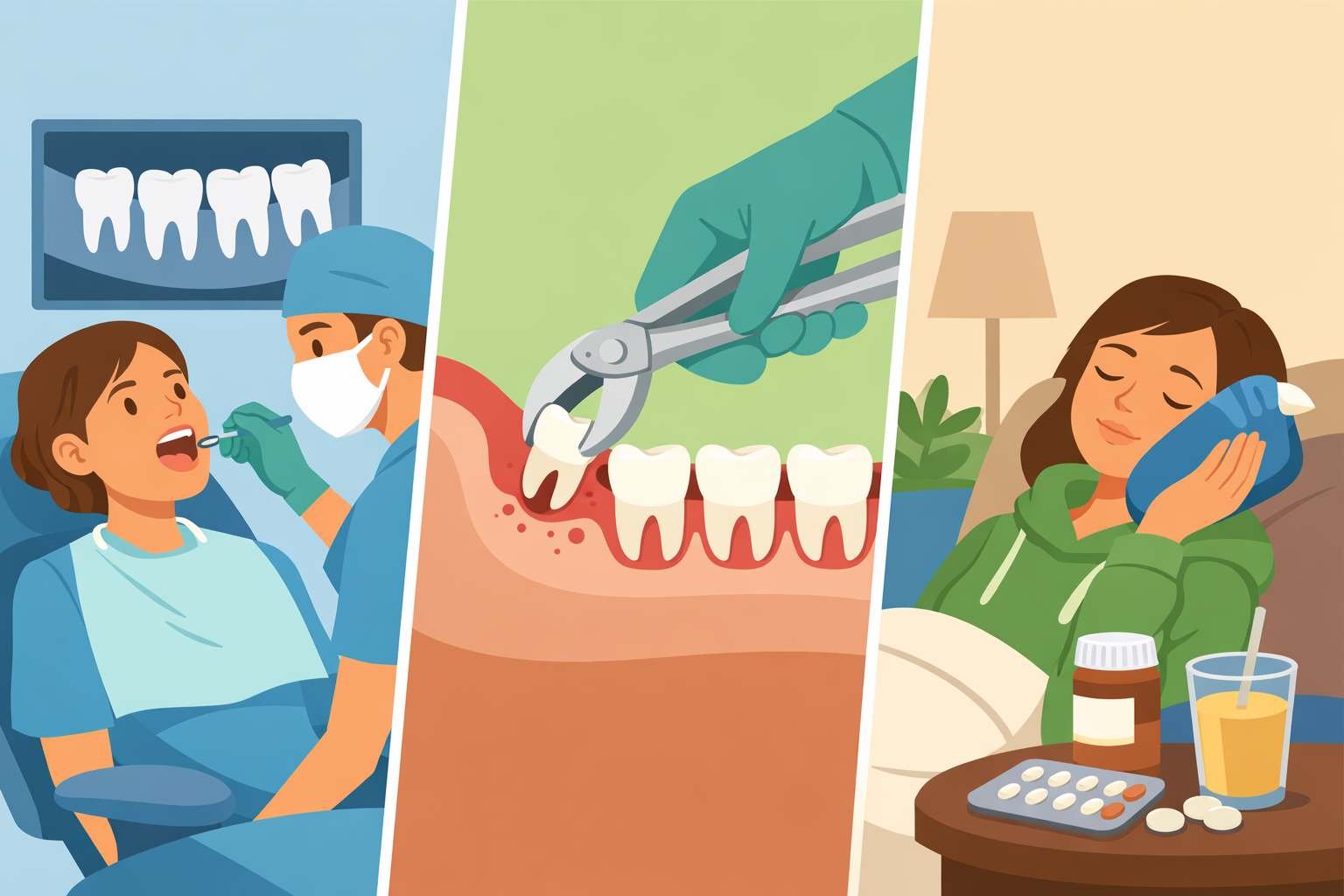
Wisdom Teeth Extraction: A Step-by-Step Patient Guide
February 6, 2026

Wisdom Tooth Surgery Mistakes That Slow Your Healing
April 28, 2026
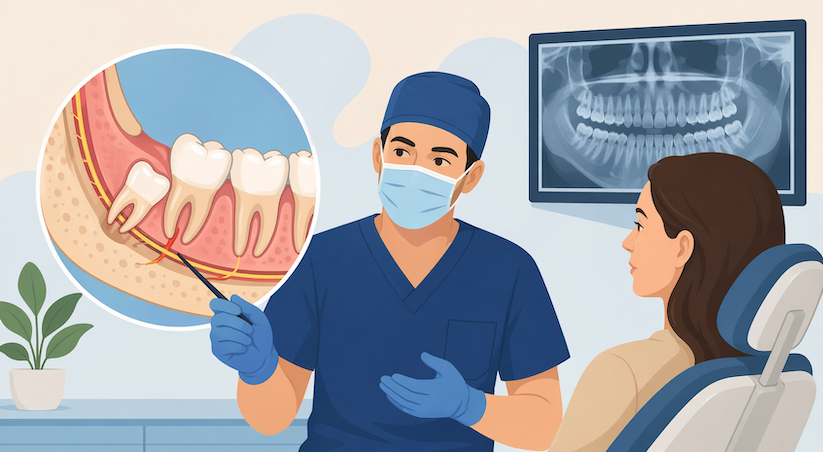
Wisdom Tooth Nerve Damage: How Rare Is It, Really?
April 22, 2026
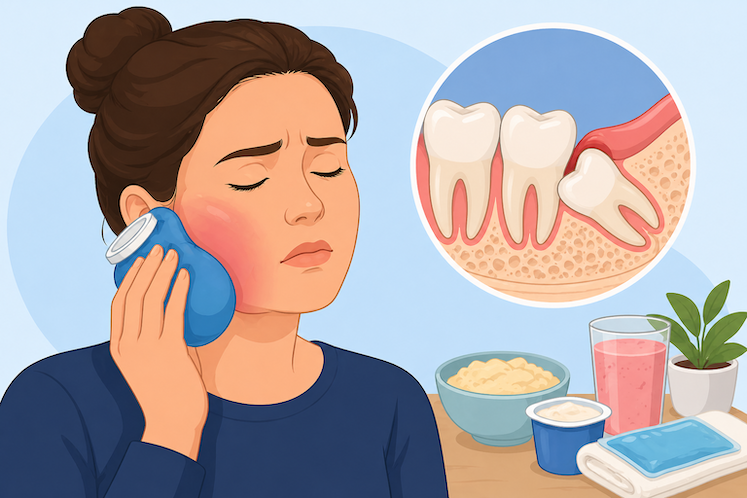
When Wisdom Tooth Swelling Peaks After Extraction and Eases
April 30, 2026
What to Eat Before a Tooth Extraction to Reduce Inflammation
June 1, 2026