Wisdom Tooth Removal During Pregnancy: Is It Safe?
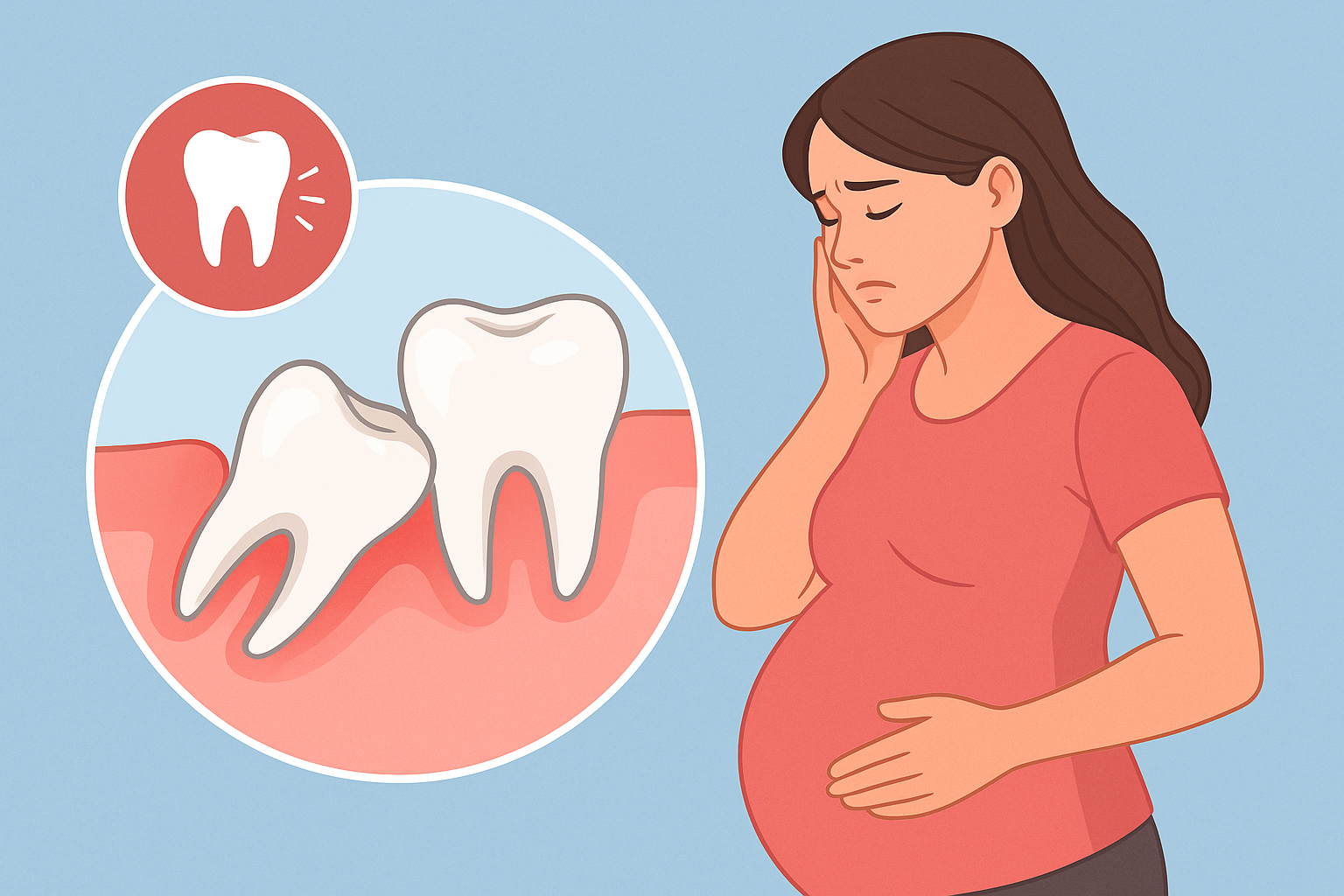
Pregnancy is an exciting journey, but it brings unique challenges—especially regarding dental health. One common concern among expectant mothers is whether undergoing a wisdom tooth removal procedure is safe. Knowing the risks, timing, and precautions can help protect both your health and your baby’s well-being.
Why Oral Care Is Important During Pregnancy
Hormonal changes in pregnancy can make gums more sensitive, leading to inflammation and increased risk of cavities. This makes maintaining oral health crucial, as untreated issues can cause discomfort or even complications. Sometimes, impacted wisdom teeth can worsen over time, which is why understanding the long-term effects of keeping wisdom teeth is important even if extraction is delayed.
Routine dental checkups are generally safe, but surgical procedures like wisdom tooth removal require extra attention. Coordination with your dentist and obstetrician ensures that treatments are safe for both mother and baby.
Timing Matters: When to Consider Extraction
Pregnancy is divided into three trimesters, each with different considerations for dental procedures:
- First Trimester (Weeks 1–12): This is a critical period for fetal development. Surgery is generally avoided unless it is an emergency because anesthesia and medications may pose risks.
- Second Trimester (Weeks 13–27): This is considered the safest period for dental procedures, including wisdom tooth extraction. At this stage, the patient can also schedule a dental consultation to discuss the procedure safely.
- Third Trimester (Weeks 28–40): Procedures can be uncomfortable due to body positioning and risk of preterm labor. Elective extractions are usually postponed unless urgent pain or infection occurs.
How to Know if Extraction Is Necessary
Not all wisdom teeth require removal during pregnancy. Indications for extraction include:
- Persistent tooth pain that may differ from standard discomfort.
- Impacted teeth causing swelling, infections, or cysts. Heat and environmental conditions can exacerbate swelling after removal, especially in places like Florida where swelling can be more noticeable.
- Difficulty cleaning teeth due to crowding or partial eruption, which can increase the risk of decay or gum disease.
Before extraction, dentists often use imaging to assess the position and health of wisdom teeth. If extraction is recommended, treatment plans are adjusted to minimize risk for both mother and child.
Safe Anesthesia and Medications
A major concern during dental surgery in pregnancy is anesthesia. Local anesthesia is generally considered safe, but certain medications and doses are avoided to protect fetal development. Nitrous oxide and general anesthesia are typically avoided unless absolutely necessary.
Pain management also requires caution. Over-the-counter options like acetaminophen are usually safe, while NSAIDs such as ibuprofen should be avoided. Dentists can recommend pain relief strategies that are safe during pregnancy.
Preparing for Surgery While Pregnant
Preparation improves comfort and recovery. Key steps include:
- Informing your dentist and obstetrician about your pregnancy.
- Staying hydrated, as pregnancy increases fluid needs.
- Eating a light meal before the procedure to reduce nausea.
- Arranging for support, as post-operative effects may include stitches, bleeding, or numbness.
Swelling, pain, and numbness are typically temporary but require monitoring. Environmental factors, such as heat, may influence recovery and swelling after extraction.
Recovery and Aftercare
Recovery for pregnant patients follows standard post-extraction care with added considerations:
- Rest: Adequate sleep supports healing.
- Cold Compresses: Applying a cold compress helps reduce swelling and discomfort.
- Soft Diet: Eating soft foods avoids irritation at the surgical site.
- Oral Hygiene: Gentle brushing and rinsing prevent infection without disturbing healing tissue.
Follow-up care ensures proper healing. Monitoring for long-term effects of wisdom teeth is crucial, particularly if extraction is delayed. Regular dental follow-ups allow for adjustments in care and help avoid complications.
Managing Urgent Pain Without Extraction
If extraction is not immediately necessary, temporary measures can relieve pain and inflammation:
- Prescription-strength mouth rinses or topical gels
- Cold compresses to reduce swelling
- Safe pain relief approved by your healthcare provider
These strategies help manage discomfort until it is safer to perform extraction.
When to Seek Immediate Care
Seek prompt attention if you experience:
- Severe or increasing pain
- Excessive bleeding or discharge
- Fever or signs of infection
- Persistent numbness
Early intervention prevents complications and supports safe recovery for both mother and baby.
Conclusion
Wisdom tooth removal during pregnancy can be safe with careful planning and coordination between your dental team and obstetrician. The second trimester is ideal for elective procedures, while emergency cases are handled cautiously in any trimester. Preparing for surgery, following aftercare instructions, and monitoring recovery helps ensure safety and comfort.
Regular dental care is essential during pregnancy. If you experience pain, swelling, or other concerns, scheduling a professional dental consultation helps determine the safest timing and approach for treatment.
Long-Term Care Tips for Healthy Dental Implants
March 9, 2026

Early vs. Late Wisdom Tooth Removal: Which Is Better?
January 7, 2026

Does Florida’s Climate Make Wisdom Tooth Swelling Worse?
March 4, 2026

Are You a Candidate for IV Sedation During Oral Surgery?
January 12, 2026

Why Summer Is Perfect for Wisdom Tooth Removal
May 25, 2026