When to See an Oral Surgeon in Coral Gables
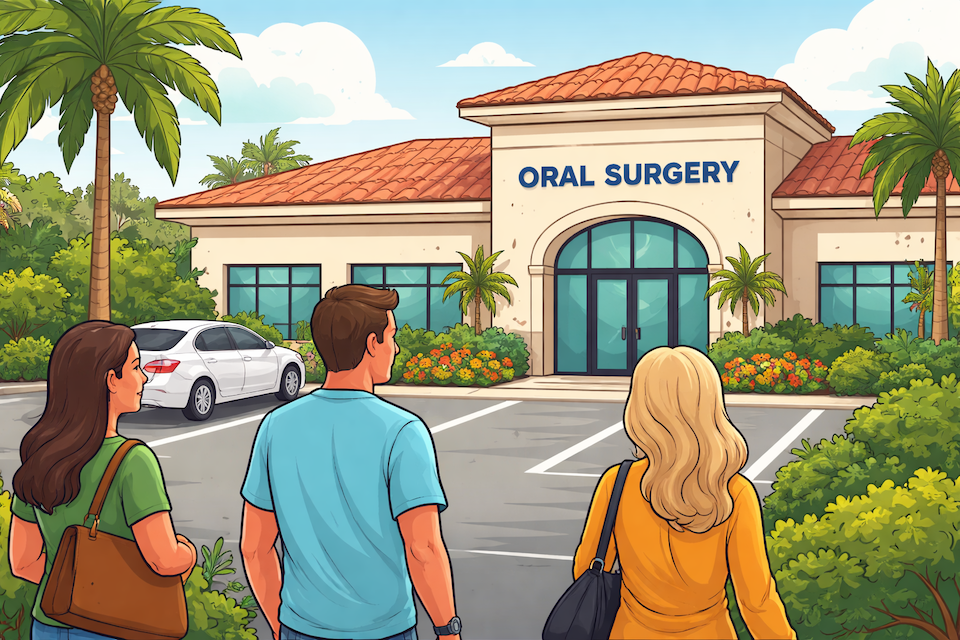
Oral health problems don’t always require a visit to a general dentist. In some cases, patients need the advanced training and specialized care that only an oral surgeon can provide. From wisdom tooth extractions to dental implants and corrective jaw surgery, oral surgeons handle complex conditions that affect the teeth, jaw, and facial structures.
If you live in Coral Gables and have been referred by your dentist—or you’re experiencing symptoms that may require surgical care—you may be wondering when it’s time to see an oral surgeon.
This guide explains the most common reasons patients visit an oral surgeon in Coral Gables, the signs that indicate you may need surgical treatment, and what to expect during your visit.
What Does an Oral Surgeon Do?
An oral and maxillofacial surgeon is a dental specialist trained to diagnose and treat conditions affecting the mouth, teeth, jaws, and face. Their training typically includes four to six additional years of hospital-based surgical education after dental school.
While general dentists manage routine care like cleanings, fillings, and crowns, oral surgeons focus on more advanced procedures.
Common treatments performed by oral surgeons include:
- Wisdom tooth removal
- Dental implant placement
- Bone grafting procedures
- Jaw correction surgery
- Facial trauma repair
- Treatment of oral infections and cysts
Many patients first encounter oral surgeons after their dentist determines that a procedure requires specialized surgical expertise. If you’re unsure why your dentist recommended a specialist, this guide on when dentists refer patients explains the reasons behind these referrals.
Signs You Should See an Oral Surgeon
Certain symptoms and dental conditions often require evaluation by an oral surgeon rather than a general dentist. If you’re experiencing any of the following issues, it may be time to schedule a consultation.
Persistent Jaw Pain or Pressure
Jaw pain can result from many causes, including impacted teeth, infections, or temporomandibular joint (TMJ) disorders.
If the pain:
- Persists for several days
- Causes difficulty chewing or speaking
- Radiates toward the ear or neck
your dentist may recommend seeing an oral surgeon for a more thorough evaluation.
Advanced imaging and surgical treatments may be necessary to correct underlying structural problems.
Impacted Wisdom Teeth
Wisdom teeth often grow at an angle or become trapped beneath the gumline. When this happens, they can cause pain, swelling, and infections.
Symptoms of impacted wisdom teeth include:
- Jaw stiffness
- Gum swelling behind the molars
- Difficulty opening your mouth
- Persistent bad breath
- Pain when chewing
In many cases, oral surgeons can perform same day wisdom removal to eliminate the source of discomfort and prevent future complications.
Missing Teeth That Need Implants
Dental implants are one of the most reliable ways to replace missing teeth. However, the implant placement procedure is considered oral surgery and must be performed by a specialist with surgical training.
Patients choose implants because they:
- Look and function like natural teeth
- Help preserve jawbone structure
- Provide long-term stability
An oral surgeon carefully places the titanium implant into the jawbone, allowing it to integrate with the bone over time.
Understanding the risks and benefits of implant treatment is important. Learning about implant failure prevention can help patients maintain long-term success after surgery.
Severe Tooth Damage or Infection
Sometimes a tooth becomes too damaged or infected to be saved through root canal therapy or restorative dentistry.
When this happens, surgical extraction may be necessary to prevent infection from spreading to surrounding teeth and bone.
Oral surgeons often perform extractions in cases involving:
- Broken teeth below the gumline
- Severely infected teeth
- Teeth with curved or complex roots
- Teeth located close to major nerves
These situations require careful surgical planning and precision to ensure safe removal.
Jaw Misalignment or Bite Problems
Jaw misalignment can cause chronic pain, difficulty chewing, and even breathing issues. In some cases, corrective jaw surgery—also known as orthognathic surgery—may be recommended.
Patients may benefit from jaw surgery if they experience:
- Chronic jaw pain
- Severe overbite or underbite
- Difficulty speaking or chewing
- Facial imbalance
Oral surgeons work closely with orthodontists to plan these procedures and restore proper function to the jaw.
Facial Trauma or Dental Injuries
Accidents, sports injuries, and falls can cause serious damage to the teeth and facial bones.
Oral surgeons are trained to treat injuries such as:
- Broken jawbones
- Fractured facial bones
- Knocked-out teeth
- Soft tissue injuries in the mouth
Prompt treatment is essential to prevent long-term complications and restore normal facial function.
Why Your Dentist Might Refer You to an Oral Surgeon
Dentists regularly collaborate with oral surgeons to ensure patients receive the most appropriate care for their condition.
A referral doesn’t mean your dentist can’t help—it simply means the treatment requires specialized surgical expertise.
Dentists commonly refer patients for:
- Impacted teeth removal
- Complex tooth extractions
- Dental implant placement
- Treatment of oral cysts or tumors
- Bone grafting procedures
Oral surgeons have access to advanced imaging technology and surgical techniques that allow them to manage complex cases safely.
What Happens During an Oral Surgery Consultation?
Your first appointment with an oral surgeon typically focuses on evaluation and treatment planning.
During this consultation, the surgeon may:
- Review your medical and dental history
- Examine your teeth, gums, and jaw
- Take digital X-rays or 3D scans
- Discuss treatment options
- Explain sedation or anesthesia choices
This visit also gives you the opportunity to ask questions and understand what to expect before, during, and after surgery.
Patients often feel more comfortable once they understand the procedure and recovery process.
Modern Oral Surgery Is More Comfortable Than Ever
One common concern patients have about oral surgery is discomfort. Fortunately, modern technology has made procedures safer and significantly more comfortable.
Many oral surgeons offer several types of anesthesia , including:
- Local anesthesia
- IV sedation
- General anesthesia
These options allow patients to remain relaxed and pain-free during treatment.
Recovery is also easier than many people expect. With proper aftercare instructions, most patients resume normal activities within a few days depending on the procedure performed.
How to Choose the Right Oral Surgeon in Coral Gables
If your dentist recommends oral surgery, selecting the right specialist is an important step in your treatment journey.
When choosing an oral surgeon, consider the following factors:
Experience and Training
Oral surgeons complete extensive training beyond dental school. Look for a specialist with experience in the specific procedure you need.
Advanced Technology
Modern imaging tools such as 3D scans help surgeons plan procedures with greater precision and safety.
Technology can improve outcomes and reduce recovery time.
Patient Comfort and Sedation Options
A good oral surgery practice prioritizes patient comfort. Ask about sedation options and how the team helps patients feel relaxed during treatment.
Personalized Treatment Planning
Every patient’s oral health needs are different. An experienced surgeon will create a treatment plan tailored to your specific condition and goals.
Preparing for Oral Surgery
If your treatment plan includes surgery, proper preparation can help ensure a smooth experience.
Your surgeon may recommend the following steps before your procedure:
- Avoid eating or drinking before sedation
- Arrange transportation home after surgery
- Follow medication instructions carefully
- Wear comfortable clothing on the day of surgery
Your surgical team will provide detailed instructions to help you prepare and recover successfully.
Recovery After Oral Surgery
Recovery time depends on the type of procedure performed.
For example:
- Wisdom tooth removal may require a few days of recovery
- Dental implant surgery often involves several weeks of healing for full bone integration
- Jaw surgery may require a longer recovery period
Following post-operative instructions carefully is essential for proper healing.
Patients are usually advised to:
- Rest during the first 24 hours
- Avoid strenuous activity
- Use ice packs to reduce swelling
- Follow recommended dietary guidelines
Proper care during the healing phase helps prevent complications and promotes faster recovery.
When to Schedule an Oral Surgery Consultation
If you’re experiencing persistent pain, swelling, or dental problems that go beyond routine care, it may be time to consult an oral surgeon.
Early evaluation can prevent small problems from developing into more serious conditions.
Patients in Coral Gables who need specialized dental surgery can schedule a consultation to discuss treatment options and receive expert guidance.
Seeing a specialist early often leads to faster treatment, improved outcomes, and long-term oral health.
Final Thoughts
Oral surgeons play a crucial role in treating complex dental and facial conditions. Whether you need wisdom tooth removal, dental implants, or treatment for jaw problems, their specialized training allows them to provide safe and effective care.
If you’re experiencing symptoms such as jaw pain, impacted teeth, or missing teeth, don’t ignore the warning signs. Seeking professional evaluation early can help you avoid complications and restore both comfort and function.
Residents of Coral Gables have access to experienced specialists who can guide them through every step of the oral surgery process—from diagnosis to recovery.
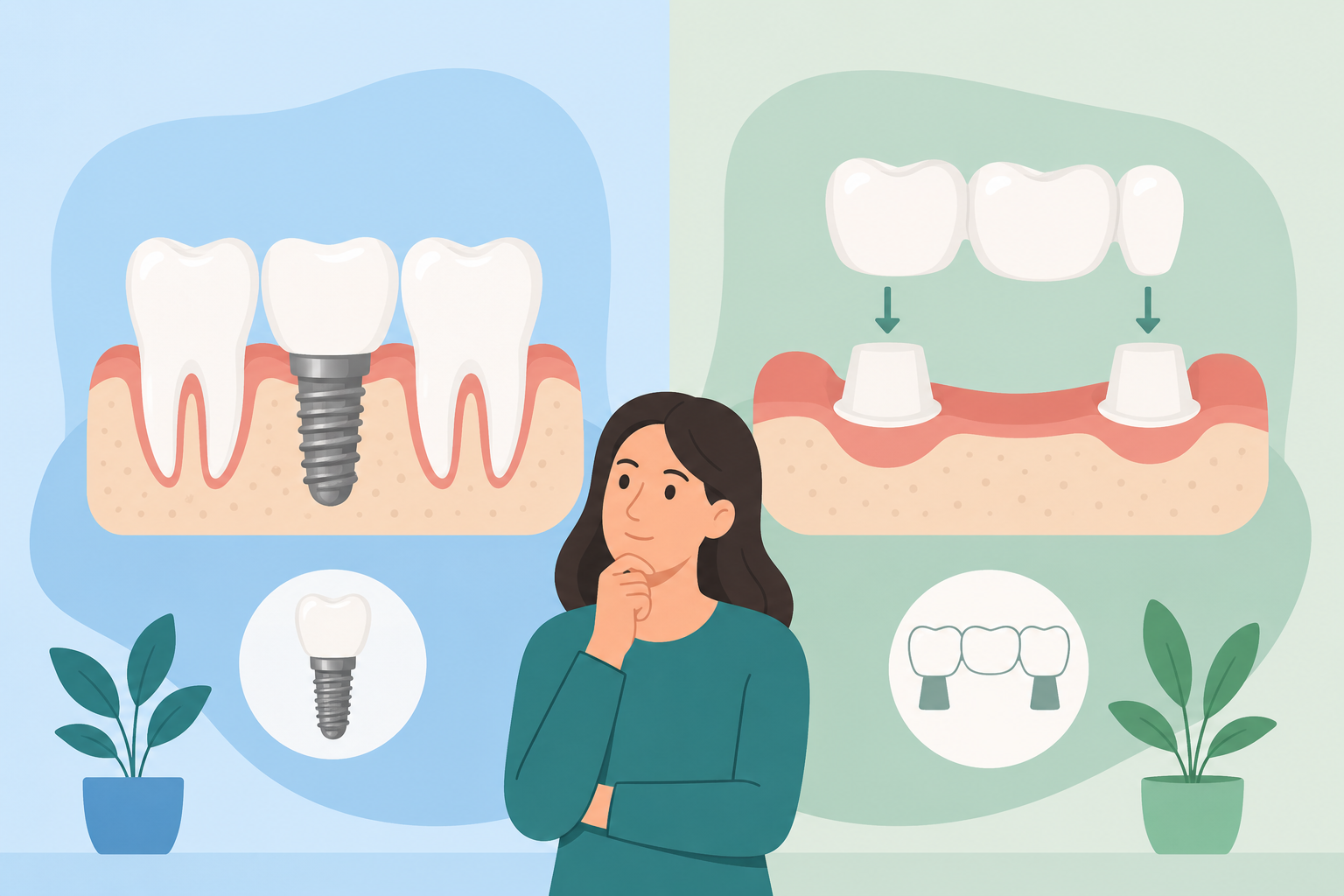
Dental Implants vs Bridges: Which Is Right for You?
June 17, 2026

Is It Safe to Fly After Wisdom Tooth Removal?
March 12, 2026
How Long Do Dental Implants Really Last?
February 9, 2026

Is It Wisdom Tooth Pain or Just a Toothache? Here’s How to Know
March 23, 2026

How to Choose a Wisdom Tooth Clinic
June 19, 2026