Laser Oral Surgery: Is It Right for You?
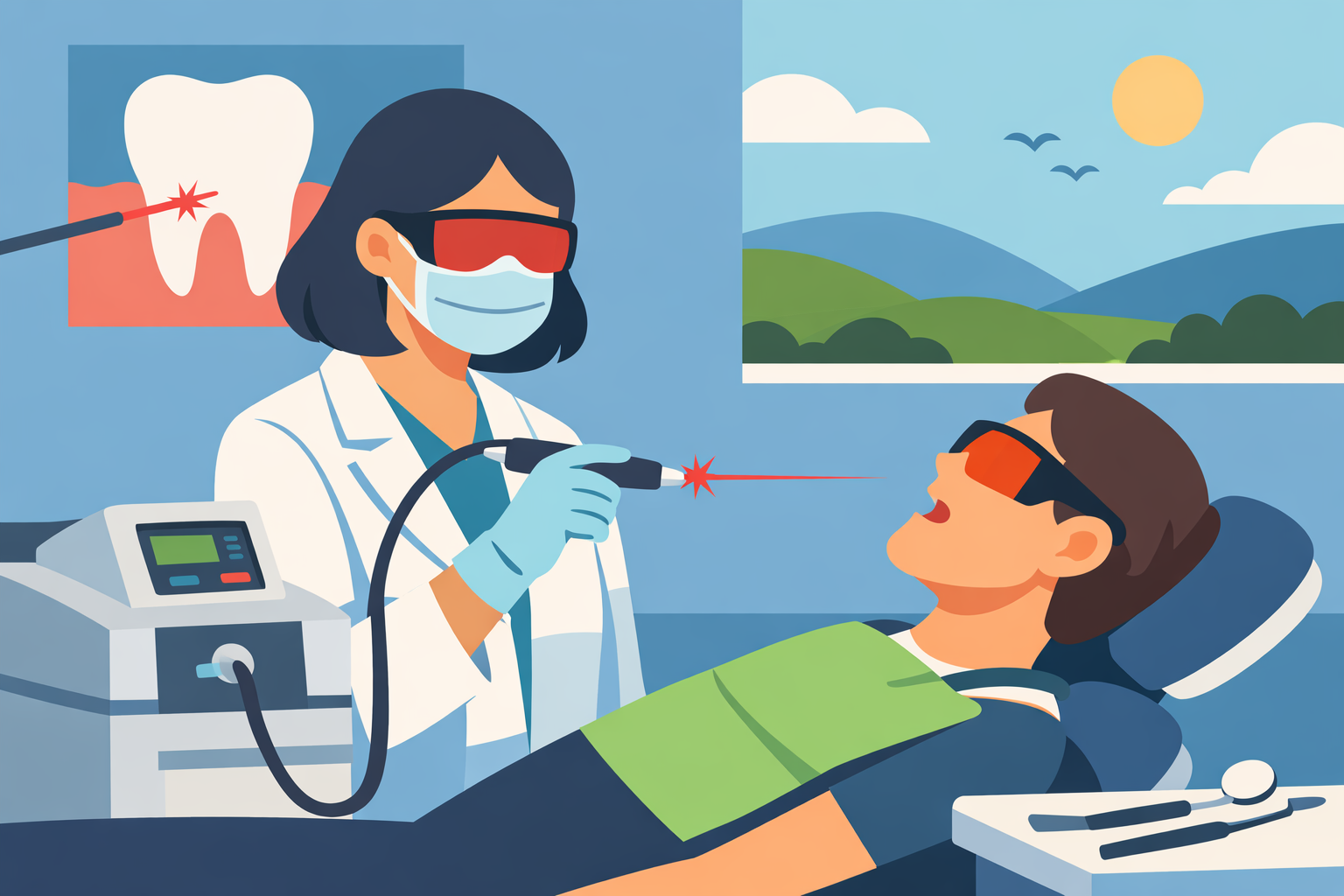
Advancements in technology have transformed oral surgery, offering patients alternatives that are less invasive, more precise, and often come with faster recovery times. One of the most talked-about innovations is laser oral surgery. But is it the right choice for everyone? Understanding the benefits, limitations, and suitability of laser procedures can help you make an informed decision about your oral health.
In this comprehensive guide, we’ll explore how laser oral surgery works, the procedures it’s used for, potential advantages over traditional methods, and what to consider before choosing this modern technique.
What Is Laser Oral Surgery?
Laser oral surgery uses focused light beams to perform soft tissue or hard tissue procedures in the mouth. Unlike traditional scalpel-based surgery, lasers allow for precise cutting, shaping, and removal of tissue with minimal bleeding.
This technology is increasingly used for procedures ranging from gum reshaping to treating oral lesions, and even in some wisdom teeth procedures. For patients considering extractions, understanding the cost implications is important.
Common Procedures Using Laser Technology
Laser oral surgery is versatile and can be applied to multiple types of dental and oral procedures:
Gum Surgery
Lasers can remove diseased gum tissue, reshape gums for cosmetic purposes, or treat periodontal pockets. Compared to traditional gum surgery, lasers reduce trauma, bleeding, and swelling.
Oral Lesion Removal
For patients with benign oral lesions or small tumors, lasers can precisely remove tissue while minimizing damage to surrounding areas.
Frenectomy
Laser frenectomy involves releasing a tight or restrictive frenulum in infants, children, or adults, improving tongue mobility, speech, and oral function.
Biopsies
Lasers allow for clean and precise tissue removal for biopsies with reduced risk of contamination and faster healing times.
Advantages of Laser Oral Surgery
Laser oral surgery offers several benefits compared to traditional methods:
Precision
Lasers allow surgeons to target specific tissues without affecting surrounding areas, reducing trauma and preserving healthy tissue.
Reduced Bleeding
The laser cauterizes blood vessels as it cuts, minimizing bleeding during surgery. This is particularly advantageous for patients with clotting concerns.
Faster Healing
Patients often experience quicker recovery times due to reduced tissue trauma and inflammation.
Less Pain and Swelling
Many patients report less post-operative discomfort and swelling compared to conventional surgery, reducing the need for pain medication.
Lower Risk of Infection
The laser sterilizes the surgical area as it works, lowering the risk of bacterial contamination.
Minimal Scarring
Laser procedures tend to leave less noticeable scarring, which can be important for cosmetic oral procedures.
Limitations and Considerations
Despite its advantages, laser oral surgery may not be suitable for every patient or procedure. Consider the following:
Not Suitable for All Procedures
Some complex oral surgeries, particularly those involving extensive bone removal or major wisdom teeth extractions, still require traditional surgical methods.
Cost
Laser procedures can be more expensive due to advanced equipment and training. Schedule a consultation can help you understand the potential financial impact.
Training and Experience
The effectiveness of laser surgery depends on the skill of the oral surgeon. Not all practitioners are trained in laser technology, so it’s essential to verify credentials and experience.
Healing Time Variability
While lasers generally reduce recovery time, healing can still vary based on patient health, age, and complexity of the procedure.
Is Laser Oral Surgery Right for You?
Deciding whether laser oral surgery is appropriate involves several factors:
Type of Procedure
Certain procedures, such as soft tissue treatments, biopsies, and minor cosmetic corrections, are ideal for laser use. In contrast, extensive bone work may still require traditional techniques.
Personal Health
Patients with specific medical conditions, medications, or immune system concerns should discuss risks and benefits with their oral surgeon.
Comfort with Technology
Some patients prefer newer, minimally invasive approaches, while others feel more comfortable with conventional surgery.
Surgeon Expertise
The surgeon’s experience with laser technology is crucial. A qualified oral surgeon can advise on the best approach based on your unique needs.
Preparing for Laser Oral Surgery
Preparation for laser oral surgery mirrors that of traditional procedures:
- Medical History: Provide a comprehensive list of medications, allergies, and past surgical history.
- Pre-Operative Instructions: Follow any guidelines regarding fasting, medications, or oral hygiene.
- Support System: Arrange transportation if sedation is involved and ensure someone can assist with post-operative care.
- Questions: Prepare questions regarding recovery, pain management, and potential complications.
Being well-prepared enhances comfort, reduces anxiety, and improves recovery outcomes.
Recovery and Aftercare
Laser oral surgery generally involves faster healing and less post-operative discomfort, but proper aftercare is still essential:
- Follow your surgeon’s instructions regarding diet, oral hygiene, and medications.
- Avoid strenuous activities immediately after surgery.
- Monitor for unusual symptoms such as excessive bleeding, swelling, or infection.
- Attend follow-up appointments to ensure proper healing and to address any concerns.
Recovery can vary depending on the procedure, patient health, and adherence to aftercare instructions.
Key Takeaways
Laser oral surgery is an innovative option that offers precision, reduced pain, faster healing, and lower risk of complications. However, it may not be suitable for all procedures or patients. Factors such as the type of surgery, personal health, and surgeon expertise are essential when deciding whether laser technology is right for you.
Laser oral surgery is not a one-size-fits-all solution, but when used appropriately, it can provide a safer, more comfortable, and efficient alternative to traditional surgical methods.
Is Oral Surgery Safe? Risks, Recovery, and What to Expect
February 10, 2026

Is Jaw Surgery Covered by Insurance?
January 5, 2026
Foods That Strengthen Teeth and What Harms Them
May 6, 2026
Is Wisdom Tooth Removal Painful? Real Patient Guide
February 13, 2026
Cavities Explained: Causes, Prevention, and Treatment
January 14, 2026