Wisdom Tooth Surgery Mistakes That Slow Your Healing

Wisdom tooth surgery can feel like a big deal, but recovery is usually manageable when you know what to avoid. The biggest problems often come from small mistakes: using a straw too soon, eating the wrong foods, skipping gentle rinses, or assuming pain and swelling will fix themselves.
The good news is that most wisdom tooth removal complications are preventable with the right aftercare. Here are the worst mistakes people make after wisdom tooth surgery, why they matter, and how to recover more comfortably.
Ignoring Your Dentist’s Aftercare Instructions
One of the biggest mistakes after wisdom tooth extraction is treating the instructions like general advice instead of a recovery plan.
Your oral surgeon gives instructions based on your case, including how many teeth were removed, whether they were impacted, what type of anesthesia was used, and whether stitches were placed.
Even if a friend recovered quickly, your situation may be different. Some people heal in a few days, while others need more time because the extraction was more complex.
Follow the instructions closely for medication timing, rinsing, eating, brushing, activity, and follow-up care. If something feels unclear, call the office instead of guessing.
Using a Straw Too Soon
Using a straw after wisdom tooth surgery is one of the most common ways people accidentally cause problems.
The suction can disturb the blood clot that forms over the extraction site. That clot is essential because it protects the bone and nerves while the area heals.
If the clot becomes dislodged, you may develop dry socket, which can cause intense pain and delay healing.
Avoid straws until your dentist or oral surgeon says they are safe. Drink slowly from a cup instead.
Eating Crunchy, Spicy, or Hard Foods
Food choices matter more than many patients realize. Crunchy snacks, chips, nuts, seeds, popcorn, rice, and hard bread can get stuck in the extraction sites or irritate healing tissue.
Spicy and acidic foods can also sting the area and make inflammation worse.
Stick with soft foods during the early recovery period. Good options include yogurt, mashed potatoes, smoothies without a straw, scrambled eggs, applesauce, oatmeal, soup that is not too hot, and soft pasta.
If you are unsure what to drink during recovery, this helpful breakdown of safe drinks after wisdom tooth removal can make the first few days easier.
Rinsing Too Aggressively
Keeping your mouth clean is important, but rinsing too hard can do more harm than good.
During the first 24 hours, many patients are told to avoid rinsing completely. After that, gentle saltwater rinses may be recommended.
The keyword is gentle. Do not swish forcefully. Instead, let the water move around your mouth slowly, then let it fall out into the sink.
Spitting hard can also create pressure that disturbs the clot, so avoid forceful spitting in the early healing stage.
Brushing Carelessly Around the Surgical Area
Some people avoid brushing altogether after surgery because they are afraid of hurting the extraction site. Others brush too aggressively and irritate the area.
Both approaches can cause problems.
You still need to keep your mouth clean, but you should be careful near the surgical sites. Brush the rest of your teeth normally, and follow your oral surgeon’s instructions for cleaning near the extraction area.
Good oral hygiene helps reduce bacteria and supports smoother healing.
Smoking or Vaping During Recovery
Smoking and vaping are major risk factors after wisdom tooth removal.
The suction motion can disturb the clot, while nicotine may reduce blood flow and slow healing. Smoke can also irritate the surgical sites and increase the risk of infection.
If you smoke or vape, talk to your oral surgeon before surgery about how long you should stop. The longer you can avoid it during recovery, the better your healing environment will be.
Going Back to Intense Exercise Too Soon
Feeling better does not always mean your mouth is fully healed.
Exercise increases blood pressure and circulation, which may trigger bleeding, throbbing, or swelling shortly after surgery. Heavy lifting, running, intense workouts, and contact sports should usually be avoided early on.
Light walking may be fine for many people, but strenuous activity should wait until your oral surgeon clears you.
Returning too soon can turn a smooth recovery into a frustrating setback.
Not Managing Swelling Early
Swelling is normal after wisdom tooth surgery, especially during the first few days. But ignoring it can make you more uncomfortable.
Cold compresses are often recommended during the early recovery window to help reduce swelling. Use them as directed, usually in short intervals.
After the first couple of days, your provider may recommend switching to warm compresses depending on your healing stage.
Swelling should gradually improve. If it suddenly gets worse, becomes one-sided, or comes with fever, pus, or worsening pain, contact your oral surgeon.
Taking Pain Medication Incorrectly
Pain control works best when you follow your provider’s instructions.
Some patients wait until pain becomes severe before taking medication. Others take more than directed, combine medications incorrectly, or stop too early without a plan.
Always follow the dosage instructions provided by your oral surgeon. If medication does not seem to help, do not increase the dose on your own.
For patients who prefer non-drug support when appropriate, techniques for managing dental pain may help alongside professional guidance.
Touching the Extraction Site
It can be tempting to check the area with your tongue, finger, or a cotton swab. Avoid doing this.
Touching the surgical site can introduce bacteria, irritate the tissue, or disturb the clot.
You may notice a hole where the tooth was removed. That is normal. It gradually fills in as the area heals.
Let your mouth recover without poking, pressing, or over-checking the site.
Drinking Alcohol Too Soon
Alcohol can interfere with healing and may interact with prescribed or over-the-counter medications.
It can also contribute to dehydration, irritation, and bleeding risk in the early recovery period.
Avoid alcohol until your oral surgeon says it is safe, especially if you are taking pain medication or antibiotics.
This is one of those small choices that can make recovery easier and safer.
Skipping Hydration
After surgery, some people drink less because opening the mouth feels uncomfortable. But dehydration can make recovery harder.
Staying hydrated supports healing and helps you feel better overall.
Choose water and other approved drinks. Avoid straws, alcohol, and very hot beverages in the early stage.
Sip slowly and consistently throughout the day.
Assuming All Pain Is Normal
Some discomfort is expected after wisdom tooth surgery. Pain often peaks within the first few days and then improves.
But pain that gets worse instead of better may be a warning sign.
Call your oral surgeon if you experience severe throbbing pain, bad taste, foul odor, fever, swelling that worsens, pus, difficulty breathing, or difficulty swallowing.
Dry socket, infection, or other complications need professional care. Waiting too long can make the issue harder to manage.
Missing Your Follow-Up Appointment
If your oral surgeon schedules a follow-up visit, keep it.
Follow-up appointments help confirm that healing is on track. They also give your provider a chance to remove stitches if needed, check for infection, and answer recovery questions.
Even if you feel fine, your mouth may still be healing beneath the surface.
Removing Gauze Too Early or Leaving It Too Long
Gauze helps control bleeding immediately after surgery, but it needs to be used properly.
Biting down with gentle pressure helps a clot form. However, constantly changing gauze or leaving old gauze in place too long can irritate the area.
Follow the instructions given by your surgical team. If bleeding seems heavy or does not slow down, contact the office.
Some light oozing can be normal, but persistent bleeding deserves attention.
Sleeping Flat Right After Surgery
Lying completely flat may increase swelling or throbbing for some patients.
Many people feel better sleeping with their head slightly elevated during the first night or two. Use pillows to support yourself comfortably.
Also avoid sleeping on the side of your face where surgery was performed if it increases pressure or discomfort.
Rest is one of the most underrated parts of wisdom tooth recovery.
Eating Too Little
While you should be careful with food choices, you still need nutrition.
Skipping meals can make you feel weak, dizzy, or nauseated, especially if you are taking medication.
Soft, nourishing foods help your body recover. Think protein, hydration, and calories that are easy to consume.
Smooth soups, Greek yogurt, eggs, protein smoothies without a straw, and mashed vegetables are all useful options.
Not Planning Ahead Before Surgery
Many recovery mistakes happen because patients are unprepared.
Before surgery, stock up on soft foods, approved drinks, ice packs, gauze if recommended, and any prescribed medications. Arrange a ride if sedation is involved.
Create a comfortable recovery space at home with pillows, water, entertainment, and your aftercare instructions nearby.
If you have not scheduled your procedure yet, you can schedule your consultation to get personalized guidance before moving forward.
Comparing Your Recovery to Everyone Else’s
It is easy to search online and wonder why your recovery looks different from someone else’s.
But healing depends on age, tooth position, impaction, surgical complexity, health history, and how closely aftercare instructions are followed.
Some people have minimal swelling. Others need several days before they feel normal.
A better question is not, “Am I healing as fast as someone else?” It is, “Are my symptoms improving day by day?”
Forgetting Why Wisdom Teeth Can Cause Problems
Some patients underestimate recovery because they assume wisdom teeth are simple extractions. But wisdom teeth can be impacted, partially erupted, infected, or positioned close to nerves and neighboring teeth.
Understanding why they are removed can help you take aftercare more seriously.
For a deeper look at whether wisdom teeth is useful or simply evolutionary leftovers, it helps to understand how modern jaws and dental needs have changed.
Thinking Oral Care Ends After Recovery
Wisdom tooth removal is one part of long-term oral health, not the finish line.
Once healing is complete, regular dental visits, good brushing habits, flossing, and preventive care still matter. Healthy habits protect the rest of your teeth and gums.
If you ever need restorative treatment later, knowing how to maintain dental implants long-term can also help you understand the value of consistent oral care.
How to Recover the Right Way
The best wisdom tooth recovery plan is simple: protect the clot, keep the area clean, eat soft foods, rest, stay hydrated, and follow your oral surgeon’s instructions.
Avoid straws, smoking, hard foods, forceful rinsing, and intense exercise too soon.
Most importantly, listen to your body. If your pain, swelling, or bleeding seems unusual, reach out for professional help.
A smooth recovery is not about doing everything perfectly. It is about avoiding the mistakes that create setbacks.
FAQ
How long does wisdom tooth surgery recovery take?
Many people feel better within a few days, but full healing takes longer. Recovery time depends on how many teeth were removed, whether they were impacted, and how well aftercare instructions are followed.
What is the most common mistake after wisdom tooth removal?
Using a straw too soon is one of the most common mistakes. The suction can disturb the blood clot and increase the risk of dry socket.
When can I eat normal food again?
Most patients gradually return to normal foods as tenderness improves. Start with soft foods, then slowly add firmer foods when chewing feels comfortable and your provider says it is safe.
How do I know if I have dry socket?
Dry socket may cause severe throbbing pain, often a few days after surgery. You may also notice a bad taste, bad smell, or pain that radiates toward the ear. Contact your oral surgeon if this happens.
Is swelling normal after wisdom tooth surgery?
Yes, swelling is common. It often peaks within the first few days, then gradually improves. Worsening swelling, fever, or pus may indicate a problem.
Can I brush my teeth after wisdom tooth removal?
Yes, but be gentle. Brush the rest of your teeth carefully and avoid disturbing the surgical sites. Follow your oral surgeon’s cleaning instructions.
When should I call my oral surgeon?
Call if you have severe pain, heavy bleeding, fever, pus, worsening swelling, trouble breathing, trouble swallowing, or symptoms that are not improving as expected.
Conclusion
The worst mistakes after wisdom tooth surgery are usually avoidable. Using a straw, smoking, eating crunchy foods, rinsing too hard, exercising too soon, or ignoring warning signs can slow healing and increase discomfort.
With the right aftercare, most patients recover well and return to normal routines without major issues. Follow your oral surgeon’s instructions, protect the healing area, and ask for help if something does not feel right.
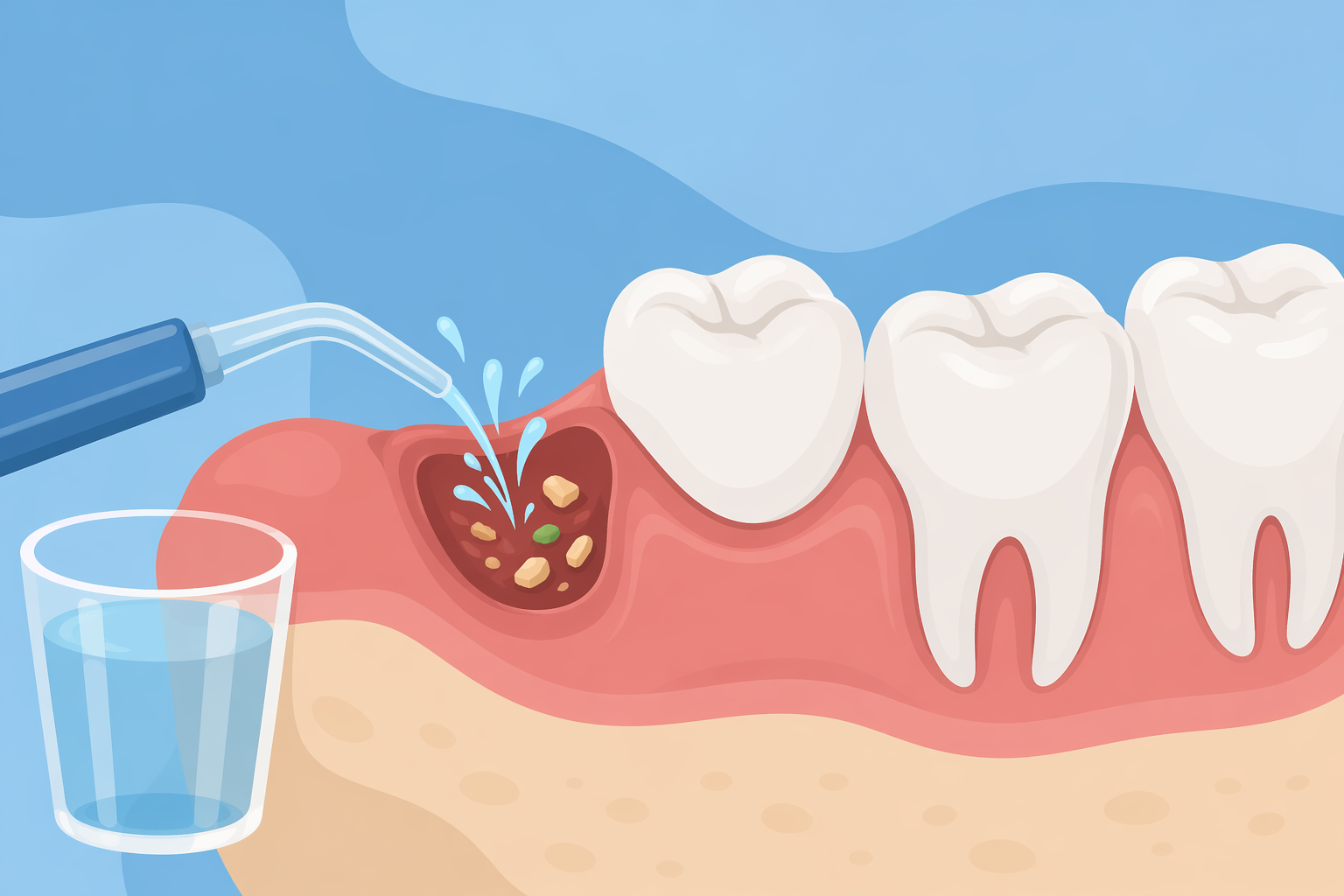
Food Stuck in Wisdom Tooth Hole? What You Should Do
April 23, 2026
Questions to Ask Before Wisdom Tooth Extraction
December 23, 2025
How Long Do Dental Implants Really Last?
February 9, 2026
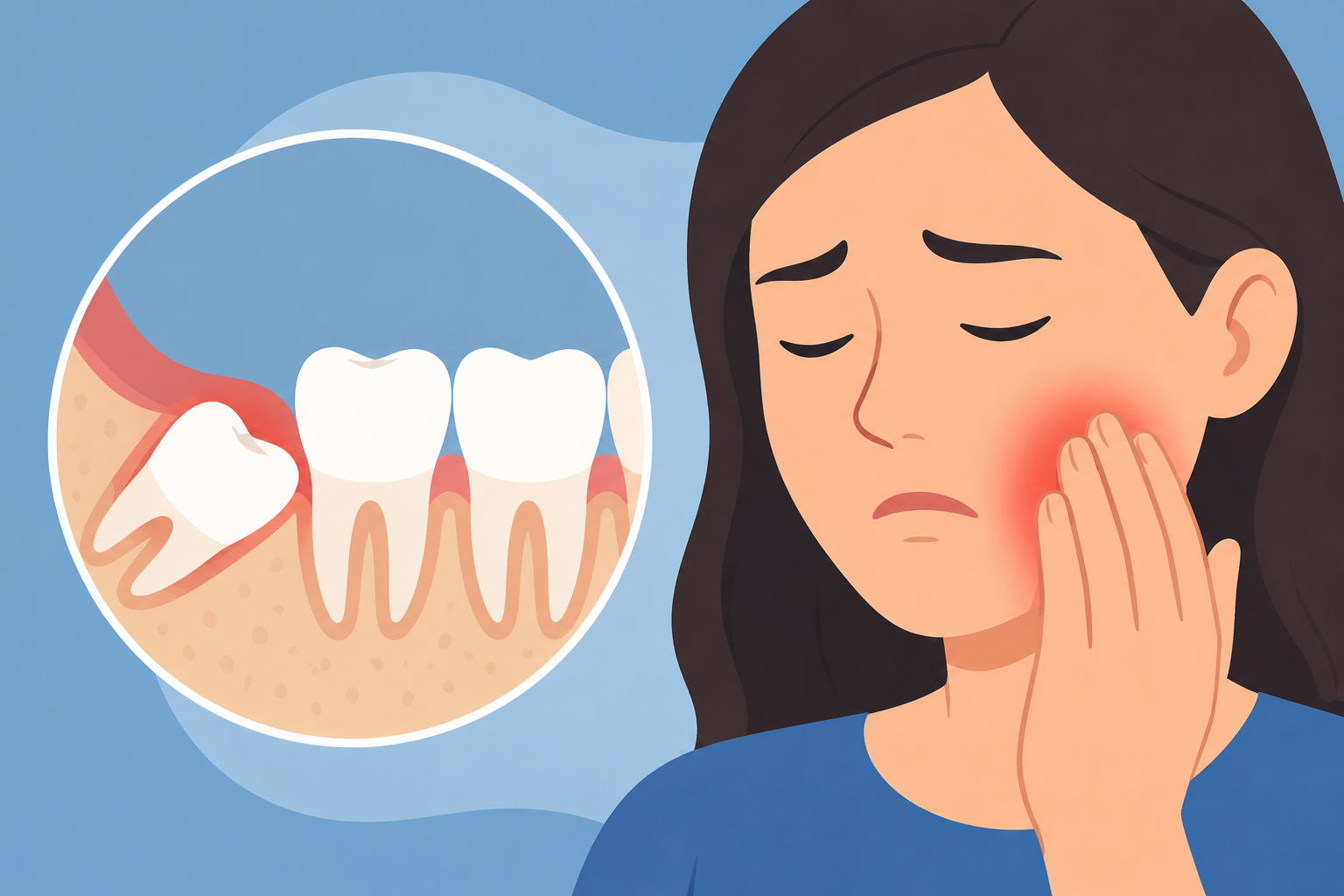
Can Impacted Wisdom Teeth Cause Front Teeth Discomfort?
June 4, 2026
Do Seniors Need Wisdom Tooth Removal Later in Life?
March 19, 2026