When Dentists Refer You to an Oral Surgeon: What to Expect

Many patients are surprised when their dentist recommends seeing an oral surgeon. After all, if you already visit your dentist regularly, why would you need another dental specialist?
The truth is that dentists and oral surgeons work closely together to provide the best care for complex dental conditions. While dentists handle routine treatments like cleanings, fillings, and crowns, oral surgeons specialize in advanced procedures involving the mouth, jaw, and facial structures.
If your dentist has referred you to an oral surgeon, it’s usually because a procedure requires additional training, specialized tools, or surgical expertise. Understanding why these referrals happen and what to expect can make the experience much less intimidating.
This guide explains when dentists refer patients to oral surgeons, what procedures oral surgeons perform, and how the referral process works.
Understanding the Difference Between Dentists and Oral Surgeons
Both dentists and oral surgeons are trained to treat oral health issues, but their roles are different.
What General Dentists Do
A general dentist focuses on preventive and restorative dental care. This includes:
- Dental exams and cleanings
- Fillings and crowns
- Root canal treatments
- Gum disease management
- Preventive oral care
Dentists are your first line of defense for maintaining healthy teeth and gums.
However, certain procedures involve complex surgery or specialized training beyond the scope of general dentistry.
What Oral Surgeons Specialize In
Oral and maxillofacial surgeons receive years of additional surgical training after dental school. Their expertise covers procedures involving:
- Tooth extractions
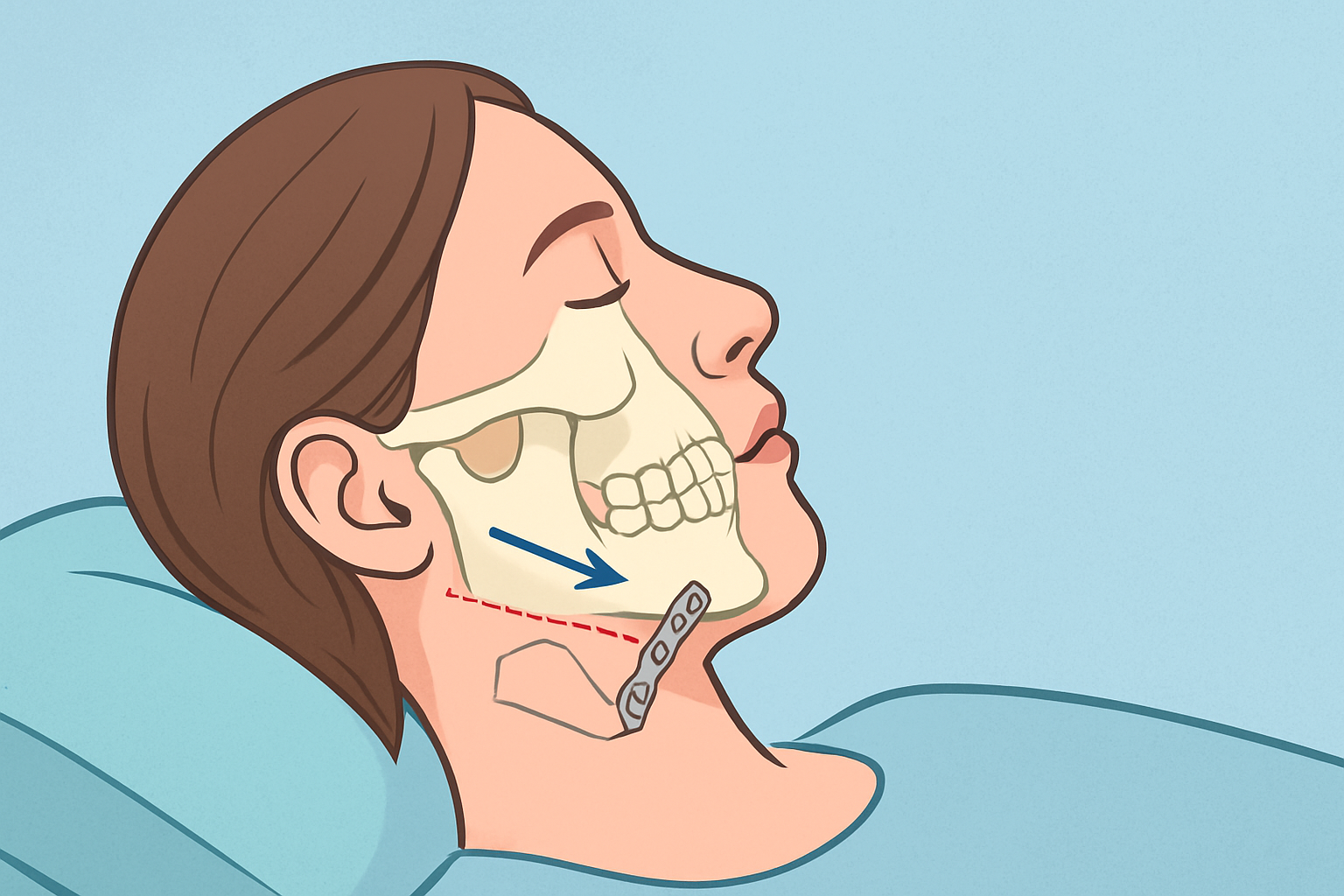
- Jaw surgery
- Dental implants
- Bone grafting
- Facial trauma repair
- Oral pathology
This advanced training allows them to handle complex procedures that require surgical precision.
Common Reasons Dentists Refer Patients to Oral Surgeons
Dentists don’t make referrals lightly. If your dentist suggests seeing an oral surgeon, it’s usually the safest and most effective option for treating your condition.
Here are the most common reasons for these referrals.
Impacted Wisdom Teeth
Wisdom teeth are one of the most common reasons patients are referred to oral surgeons.
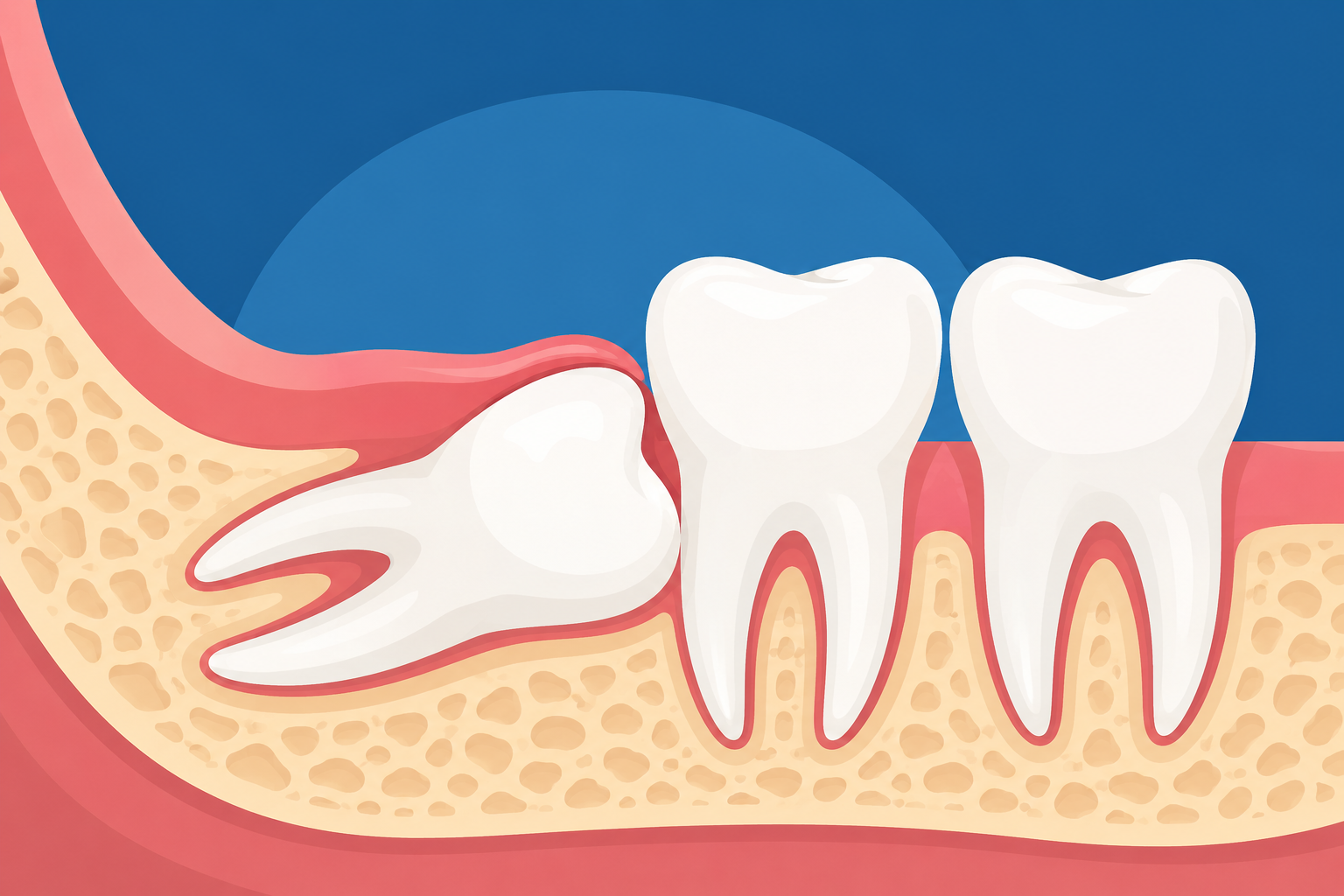
These third molars often become impacted, meaning they grow at an angle or remain trapped beneath the gums. This can cause pain, swelling, infections, and damage to nearby teeth.
In these situations, dentists typically recommend surgical extraction performed by an oral surgeon. Lean more If you’re curious about how the procedure works and what patients can expect.
Complex Tooth Extractions
Not all extractions are straightforward. Some teeth require surgical removal because they are:
- Broken below the gum line
- Severely decayed
- Positioned near sensitive nerves
- Fused to surrounding bone
An oral surgeon has specialized tools and training to safely perform these procedures while minimizing complications.
Dental Implant Placement
Dental implants are widely considered the most durable and natural-looking solution for missing teeth. However, placing implants requires precise surgical placement into the jawbone.
Many dentists partner with oral surgeons for this part of the treatment.
The oral surgeon handles the implant placement, while the dentist restores the tooth afterward with a crown. This collaborative approach ensures both surgical accuracy and cosmetic results.
Bone Grafting Procedures
In some cases, patients lose bone in the jaw due to tooth loss, gum disease, or injury. When this happens, there may not be enough bone to support dental implants.
Bone grafting is a surgical procedure that rebuilds lost bone structure. Because it requires advanced surgical skill, dentists often refer these procedures to oral surgeons.
Jaw Alignment Problems
Oral surgeons also treat structural problems involving the jaw.
These issues can cause:
- Difficulty chewing
- Chronic jaw pain
- Speech problems
- Facial imbalance
Corrective jaw surgery, also known as orthognathic surgery, helps realign the jaw to improve both function and appearance.
Oral Infections or Cysts
Some dental conditions require surgical removal of infected tissue, cysts, or abnormal growths in the mouth.
These procedures help prevent the spread of infection and protect surrounding teeth, nerves, and bone structures.
If your dentist identifies something unusual during an exam, they may refer you to an oral surgeon for evaluation and treatment.
What Happens After a Referral to an Oral Surgeon?
Being referred to a specialist can feel overwhelming, but the process is typically straightforward.
Here’s what usually happens next.
Consultation and Evaluation
Your oral surgeon will begin with a comprehensive consultation.
This appointment often includes:
- Reviewing your dental records
- Taking detailed imaging such as X-rays or 3D scans
- Discussing symptoms and concerns
- Creating a treatment plan
The goal is to fully understand your condition and determine the safest surgical approach.
Treatment Planning
After reviewing your case, the oral surgeon will explain your treatment options.
You’ll discuss:
- The procedure itself
- Recovery expectations
- Sedation or anesthesia options
- Estimated treatment timeline
This is also the perfect time to ask questions or express any concerns.
Scheduling the Procedure
Depending on the complexity of the procedure, surgery may be scheduled the same day or at a later appointment.
Your oral surgeon will provide pre-operative instructions to ensure everything goes smoothly.
Are Oral Surgery Procedures Safe?
One of the biggest concerns patients have is safety.
Oral surgery procedures are extremely common and are performed every day with a high success rate. Modern techniques, imaging technology, and anesthesia options make procedures safer and more comfortable than ever.
Oral surgeons also receive extensive training in managing complications, sedation, and surgical precision.
Following your surgeon’s instructions before and after surgery greatly improves recovery outcomes.
Preparing for Your Oral Surgery Appointment
Preparation can make the entire process easier and less stressful.
Follow Pre-Surgery Instructions
Your surgeon may give instructions such as:
- Avoid eating before surgery if sedation is used
- Arrange transportation home
- Stop certain medications temporarily
These steps help ensure your procedure goes smoothly.
Plan Your Recovery Time
Most oral surgery procedures require some recovery time.
For example:
- Wisdom tooth removal usually requires several days of rest
- Dental implant surgery may require a short healing period
- Bone grafting may take several weeks to fully heal
Preparing ahead of time allows you to focus on healing after the procedure.
Prepare Soft Foods
After many oral surgery procedures, you’ll need to stick to soft foods temporarily.
Common options include:
- Smoothies
- Yogurt
- Mashed potatoes
- Soup
- Scrambled eggs
These foods help avoid irritation while your mouth heals.
Why Early Dental Care Helps Prevent Surgery
While oral surgeons play an important role in dental care, prevention is always the goal.
Routine dental visits allow dentists to catch problems early before they require surgical treatment.
For example, cavities and gum disease are easier to treat when detected early. Ignoring routine dental care can allow problems to worsen over time.
This is why experts warn about the long-term consequences and how skipping regular exams can increase the risk of more serious dental problems.
Regular dental checkups remain one of the most effective ways to protect your oral health.
When Should You See an Oral Surgeon Immediately?
Some dental symptoms require prompt attention from a specialist.
Contact your dentist or oral surgeon if you experience:
- Severe tooth pain
- Swelling in the jaw or face
- Difficulty opening your mouth
- Persistent bleeding after dental procedures
- Signs of infection
Early treatment prevents complications and ensures faster recovery.
If your dentist recommends surgical care, scheduling an appointment promptly is the best step toward resolving the issue.
Patients who need expert surgical care can easily schedule a consultation to discuss their treatment options.
The Collaborative Role Between Dentists and Oral Surgeons
It’s important to understand that referrals don’t mean your dentist can’t treat your condition.
Instead, referrals reflect a collaborative approach to dental care.
Dentists and oral surgeons often work together to ensure patients receive the most appropriate treatment. Each specialist contributes their expertise to achieve the best results.
For example:
- Dentists diagnose issues and manage long-term oral health
- Oral surgeons perform specialized procedures
- Dentists complete restorative treatments afterward
This teamwork provides patients with comprehensive care.
Final Thoughts
Being referred to an oral surgeon is more common than many patients realize. In most cases, it simply means your dentist wants a specialist to handle a procedure that requires advanced surgical expertise.
Oral surgeons are trained to perform complex procedures safely and efficiently, from wisdom tooth removal to dental implants and jaw surgery.
If you’ve received a referral, the best step is to schedule a consultation, ask questions, and understand your treatment options. With the right specialist and proper care, most oral surgery procedures are straightforward and highly successful.
Jaw Surgery Risks and Benefits: What You Should Know Before Going Under
November 24, 2025

How Often Should You Really Replace Your Toothbrush?
February 17, 2026

Are Dental Implants Worth It?
January 21, 2026

What Happens When You Skip Regular Dental Checkups?
March 5, 2026
Sideways Wisdom Teeth? What Patients Should Expect
May 20, 2026