Can You Smoke or Vape After Wisdom Tooth Removal?

Wisdom tooth removal is one of the most common oral surgery procedures, and for many patients, the recovery is usually smooth—unless smoking or vaping gets in the way. Whether you use cigarettes, e-cigarettes, or other forms of nicotine, understanding how these habits affect healing is essential. Nicotine, smoke, and suction can lead to complications that extend recovery time, increase pain, and potentially cause infections that require additional treatment.
As many patients learn from early third molar symptoms, wisdom teeth already create enough discomfort on their own. Adding smoke or vapor right after extraction can turn a minor issue into a major setback. This guide explains what really happens if you smoke or vape after wisdom tooth surgery, why the risks are higher than most people expect, and when it’s finally safe to resume.
Why Smoking Is a Serious Risk After Tooth Extraction
Smoking is known to delay healing in almost every type of surgical procedure, but the mouth is especially vulnerable. After a tooth is removed, a blood clot forms inside the socket to protect the bone and nerves while the tissue regenerates. This clot is delicate, and smoking introduces two major problems.
First: Suction Can Dislodge the Clot
Every time a patient inhales from a cigarette, vape, or device that requires pulling air into the mouth, they generate suction. Even light suction can disturb the clot. When the clot is lost, healing becomes extremely painful—and begins the process known as dry socket.
The early warning signs of impacted wisdom issues already cause inflammation in the jaw. Adding suction from smoking only increases that pressure.
Second: Chemicals Slow Tissue Repair
Nicotine reduces blood flow, which is essential for healing. Reduced circulation means less oxygen, fewer nutrients, and slower formation of new tissue. Carbon monoxide and other fuels in cigarette smoke further impair recovery.
The combination of irritation, heat, and chemicals creates the perfect environment for infection inside the surgical area.
What Happens If You Vape After Wisdom Tooth Removal?
Many patients assume vaping is safer because it does not involve smoke, but the risks are very similar.
Nicotine Interferes With Healing
Regardless of whether it comes from cigarettes, vape pens, or e-liquids, nicotine restricts blood vessels, slowing the recovery process and raising the risk of infection or complication.
Vapor Still Requires Suction
Inhaling from a vape device pulls air through the mouth the same way smoking does. Even small inhales can disturb the surgical site.
Heat and Chemicals Irritate the Wound
While vapor may be cooler than smoke, it still exposes the extraction site to heated aerosols. This irritates soft tissue and delays the normal healing cycle.
Patients already familiar with wisdom tooth problems often find that vaping triggers throbbing, pressure, or sensitivity around the extraction area.
Understanding the Real Risk: Dry Socket
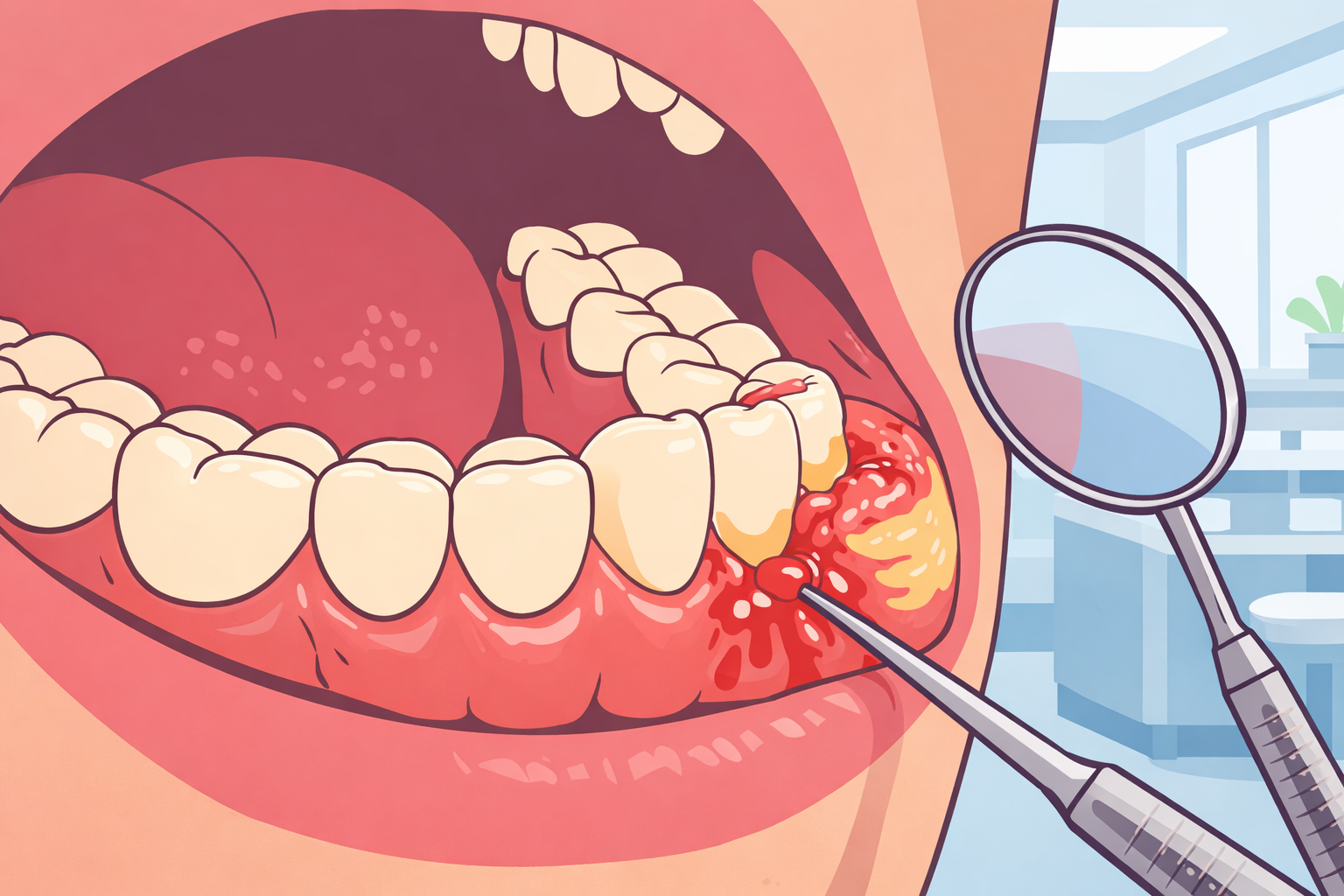
Dry socket is the most painful and most common complication linked to smoking or vaping after extractions. It occurs when the protective blood clot dissolves or becomes dislodged, exposing the jawbone and nerves underneath. Not only is recovery longer, but the pain can radiate through the ear, jaw, and head.
Many patients discover the signs of dry socket only after they develop a foul taste, persistent throbbing pain, or visible bone in the socket. Smoking or vaping within the first few days significantly increases the chances of this happening.
How Long Should You Avoid Smoking or Vaping?
The general recommendation is a minimum of 72 hours without smoking or vaping. However, most oral surgeons encourage waiting at least a full week, especially for lower wisdom teeth, which are more prone to complications.
Healing times vary depending on the complexity of the surgery. A simple procedure heals faster, while more complex removal similar to surgical extractions typically requires longer downtime.
To give the extraction site the best chance to heal properly:
- Avoid cigarettes for as long as possible
- Avoid vape devices entirely during the first week
- Keep nicotine out of the bloodstream to reduce clotting issues
Healing progresses rapidly during the first few days, but full tissue recovery continues for several weeks. Smoking during this period risks inflammation, infection, and prolonged soreness.
Why Nicotine Replacement Can Still Be a Problem
Some patients switch to nicotine patches or gum to avoid smoking. While these alternatives remove suction from the equation, they do not eliminate nicotine.
Because tissue healing depends on healthy circulation, nicotine in any form still slows recovery. However, nicotine patches are generally considered less risky because they do not create suction or introduce chemicals directly into the mouth.
If you must use nicotine during recovery, patches remain the least disruptive option—but still not ideal.
What Happens When You Smoke Too Soon?
Patients who resume smoking or vaping before the extraction site stabilizes often experience complications such as:
Increased Pain
Smoking irritates the exposed tissue, making soreness worse. This discomfort can feel like pressure, stinging, or throbbing that radiates to the ear or jaw.
Delayed Healing
Nicotine restricts blood flow, leaving the surgical site vulnerable. This slows the entire healing process and increases the risk of chronic inflammation. Early issues related to wisdom growth become more noticeable during this stage.
Risk of Infection
Bacteria and toxins from smoke can enter the wound easily. Even if the extraction was simple, infection can develop quickly and may require antibiotics or additional visits.
Dry Socket
This remains the biggest risk, and often results in extended healing time and significant discomfort.
When dry socket develops, recovery typically extends by several days to a week, and professional treatment becomes necessary.
When You Can Smoke Again Safely
While “safe” is subjective, most oral surgeons consider the following guidelines:
First 48–72 Hours
Absolutely no smoking or vaping. The blood clot is fragile, and the risk of dry socket is at its peak.
Day 4–7
Risk remains high but gradually decreases. If you must smoke, take extreme caution.
After One Week
The clot is usually stable, but tissue is still healing. Smoking can still slow progress or cause irritation.
After Two Weeks
Most soft tissue healing is complete. Complications become less likely, but risks remain.
Patients managing costs similar to those described in Florida insurance situations often prefer avoiding additional visits caused by complications.
Tips to Reduce Damage If You Decide to Smoke
While not recommended medically, some patients choose to smoke or vape despite the risks. If you do, consider the following strategies to reduce potential harm:
Use Gauze as a Barrier
Placing damp gauze gently over the extraction site may reduce suction pressure, though this isn’t fully protective.
Take Very Light Inhales
Short, shallow inhales reduce strain on the clot.
Avoid Direct Heat
Stay away from high-heat devices or deep smoking sessions.
Rinse Gently Afterward
Warm saltwater can keep the area clean, similar to general recovery tips, but avoid strong swishing.
Limit Nicotine
Lower nicotine levels may reduce circulation issues, but not eliminate them.
These methods won’t fully prevent complications, but may reduce severity.
How to Know If Smoking Has Caused a Problem
If smoking or vaping disrupts your recovery, symptoms tend to appear within the first 2–4 days:
- Sharp pain that worsens instead of improving
- Pain radiating to the ear, temple, or neck
- Foul odor or taste
- Visible bone or empty socket
- No improvement from over-the-counter medication
These symptoms often match the issues typically associated with dry socket and require attention.
When to Contact Your Oral Surgeon
You should reach out to your surgeon if:
- Pain increases after day three
- You notice swelling that worsens
- You feel a bad smell or taste coming from the area
- You suspect the blood clot has dissolved
- You see signs connected to wisdom myths or other complications
Extracted teeth heal best when early symptoms are monitored and professional care is available when needed.
Final Thoughts
Smoking or vaping after wisdom tooth removal puts your recovery at risk—and in many cases, causes complications that are entirely avoidable. While it can be challenging to stop nicotine use temporarily, the short-term sacrifice prevents long-term pain and slow healing. Whether your extraction was simple or more complex like a surgical extraction, recovery depends on protecting the clot, preventing irritation, and allowing tissues to regenerate.
Even if you’ve experienced wisdom growth pressure or discomfort from impacted wisdom teeth before your procedure, smoking right after surgery increases the chance of serious issues. Giving your mouth time to heal is the best choice for comfort and long-term oral health.

Wisdom Tooth Removal Aftercare: How to Sleep Better
May 1, 2026

Is It Safe to Fly After Wisdom Tooth Removal?
March 12, 2026
Warning Signs of a Serious Wisdom Tooth Infection You Shouldn’t Ignore
December 22, 2025
Signs You May Need a Deep Dental Cleaning
May 7, 2026
How Much Does Wisdom Teeth Removal Really Cost?
November 19, 2025