Signs Your Wisdom Teeth Are Coming In
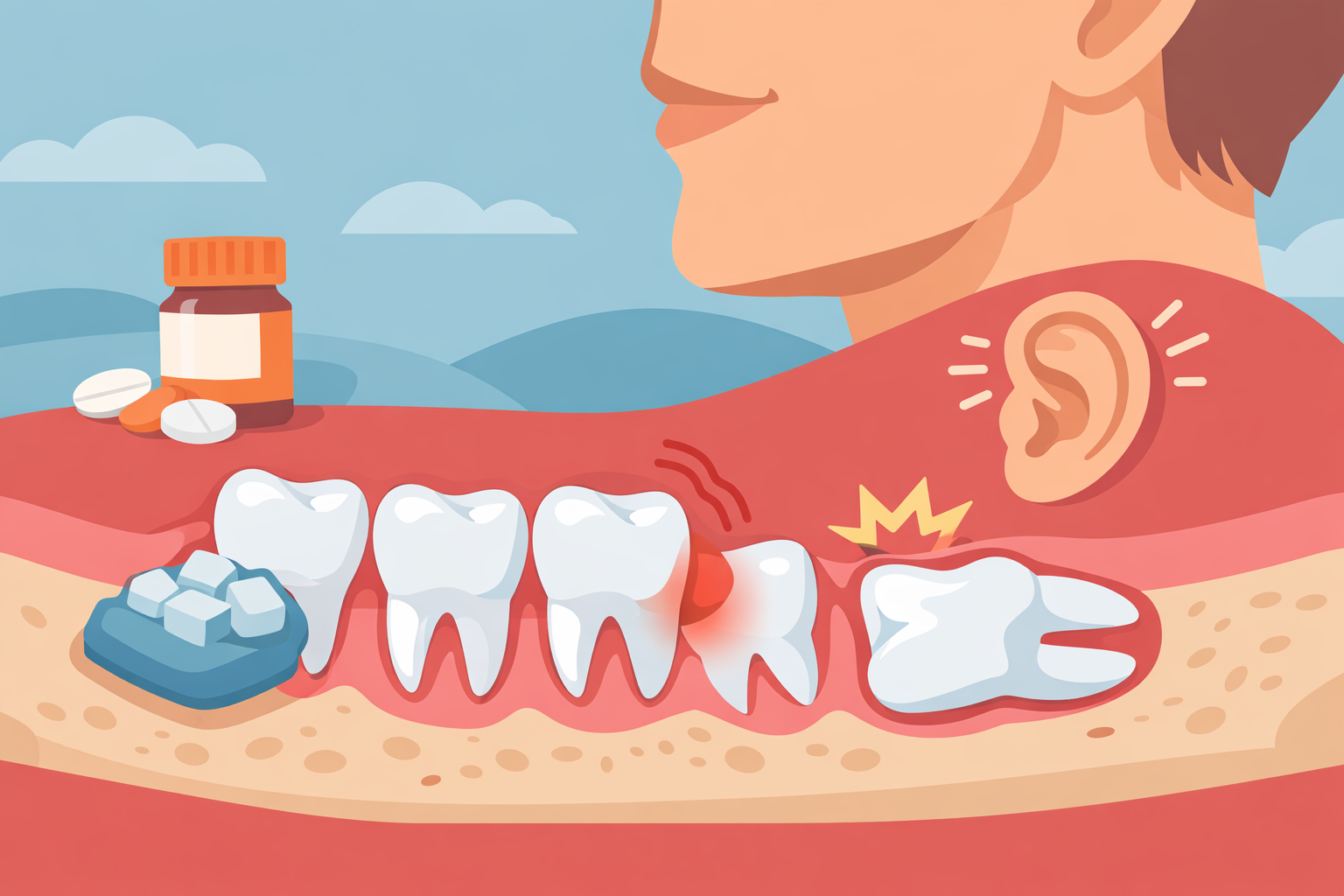
Wisdom teeth are the final set of molars most people develop, typically appearing in the late teens or early twenties. While some individuals never experience issues, many people notice discomfort or unusual symptoms as these teeth begin to emerge.
Recognizing the early signs that your wisdom teeth are coming in can help you avoid complications and seek professional care before problems worsen. In many cases, early evaluation by an oral surgeon can prevent infections, misalignment, and damage to nearby teeth.
This guide explains the most common symptoms of emerging wisdom teeth, why they occur, and when it’s time to consider treatment.
What Are Wisdom Teeth?
Wisdom teeth are the third molars located at the very back of your mouth. Most adults develop four wisdom teeth—two on the top and two on the bottom.
Historically, these teeth helped our ancestors chew tough foods like roots and raw meat. Today, however, human jaws are typically too small to accommodate them properly.
As a result, wisdom teeth often grow in:
- At an angle
- Partially through the gums
- Impacted beneath the gum line
- Crowded against nearby teeth
When this happens, symptoms often appear as the teeth begin to push through the gums.
If you’re experiencing these symptoms, understanding your options for wisdom teeth removal procedure can help you plan the next steps.
When Do Wisdom Teeth Usually Come In?
Wisdom teeth usually erupt between ages 17 and 25, though timing varies from person to person.
Some people never develop wisdom teeth at all, while others may experience them coming in earlier or later than expected.
Because the eruption process can take months or even years, symptoms may appear gradually and come and go.
Common Signs Your Wisdom Teeth Are Coming In
Several symptoms may indicate that your wisdom teeth are starting to emerge.
Jaw Pain or Pressure in the Back of the Mouth
One of the earliest signs is persistent pressure near the back molars.
As wisdom teeth push upward through the gums, they can place stress on surrounding tissues and bone. This often causes:
- Dull aching pain
- Tightness in the jaw
- Sensitivity when chewing
The discomfort may feel like it’s coming from deep within the jaw rather than from the surface of the gums.
Swollen or Tender Gums
Inflamed gums around the back molars are another common indicator.
As wisdom teeth push through the gum tissue, the area may become:
- Red
- Puffy
- Sensitive to touch
Swelling may also make it harder to brush or floss comfortably in that area.
In some cases, the gums form a flap over the emerging tooth, which can trap bacteria and lead to infection.
Persistent Headaches
Some patients notice headaches that coincide with wisdom tooth eruption.
This occurs because the pressure created by emerging molars can affect nearby nerves and jaw muscles. As tension builds in the jaw, it can radiate toward the temples and sides of the head.
If you’re experiencing recurring headaches along with jaw discomfort, understanding the possible connection between wisdom teeth and headache may provide useful insight.
Difficulty Opening Your Mouth
As wisdom teeth emerge, surrounding tissues can become inflamed, causing stiffness in the jaw.
This may make it harder to:
- Open your mouth fully
- Chew certain foods
- Yawn comfortably
This condition, known as trismus, often occurs when inflammation spreads to nearby jaw muscles.
Bad Breath or Unpleasant Taste
Emerging wisdom teeth can create pockets where food particles and bacteria collect.
When bacteria accumulate beneath gum flaps, they may cause:
- Persistent bad breath
- A foul taste in the mouth
- Gum irritation
These symptoms often signal early infection around partially erupted teeth.
Ear Pain or Pressure
Although it may seem unrelated, ear discomfort can sometimes accompany wisdom tooth eruption.
The jaw joint sits close to the ear canal, so inflammation in the surrounding tissues can create sensations such as:
- Earaches
- Pressure around the ear
- Mild ringing sensations
This discomfort typically improves once the underlying dental issue is treated.
Signs of Impacted Wisdom Teeth
Not all wisdom teeth emerge properly. When there isn’t enough room in the jaw, they can become impacted, meaning they remain trapped beneath the gum or bone.
Impacted wisdom teeth can cause more serious symptoms.
Severe Jaw Pain
Impacted teeth often create significant pressure against surrounding teeth and bone.
Pain may radiate along the jaw or into the face and neck.
Swelling in the Face or Jaw
Infection or inflammation caused by impacted wisdom teeth may lead to visible swelling.
This swelling can affect:
- The cheeks
- The jawline
- The area near the back molars
Damage to Nearby Teeth
When wisdom teeth grow sideways or push against adjacent molars, they may cause:
- Tooth crowding
- Enamel damage
- Increased risk of cavities
This is one reason dentists often recommend removal before complications occur.
Why Wisdom Teeth Often Cause Problems
Modern human jaws are generally smaller than those of our ancestors.
As a result, wisdom teeth often lack sufficient space to erupt properly. When this happens, they may grow:
- At an angle
- Partially through the gums
- Completely trapped in bone
These growth patterns increase the risk of infection, gum disease, and tooth damage.
Regular dental imaging helps oral surgeons determine whether removal is necessary.
What Happens During a Wisdom Tooth Evaluation?
If you suspect your wisdom teeth are coming in, an oral surgeon will typically perform a thorough evaluation.
This process usually includes:
- A dental exam
- X-rays to assess tooth positioning
- Review of symptoms
- Evaluation of potential complications
Based on these findings, the surgeon may recommend monitoring the teeth or scheduling removal.
When Wisdom Teeth Removal May Be Recommended
Not everyone needs wisdom teeth removed immediately. However, removal may be advised if the teeth cause:
- Persistent pain
- Recurrent infections
- Damage to neighboring teeth
- Gum disease
- Impacted growth patterns
Early removal often reduces the risk of complications and typically allows for easier recovery.
Many patients have questions about what happens after surgery. If you’re concerned about recovery symptoms, understanding post-surgery healing signs can help you know what to expect.
Can Wisdom Teeth Symptoms Come and Go?
Yes. Wisdom teeth symptoms often appear intermittently.
Because eruption can occur gradually over time, inflammation may flare up periodically and then subside.
However, recurring symptoms usually indicate that the teeth are struggling to emerge properly.
Ignoring these signs can allow problems to worsen over time.
Tips for Managing Early Wisdom Tooth Discomfort
While waiting for a dental evaluation, a few simple measures may help reduce temporary discomfort.
Maintain Careful Oral Hygiene
Keeping the back of the mouth clean can help prevent infection.
Brush gently around the molars and rinse with warm saltwater to reduce inflammation.
Use Cold Compresses
Applying a cold compress to the outside of the jaw may help reduce swelling and discomfort.
Avoid Hard or Sticky Foods
Foods that require heavy chewing can aggravate sensitive gums.
Stick with softer foods when irritation occurs.
When to See an Oral Surgeon
Although mild symptoms are common during eruption, certain signs require professional evaluation.
Seek care if you experience:
- Severe or persistent pain
- Swelling in the jaw or face
- Difficulty opening your mouth
- Fever or signs of infection
- Bad taste that won’t go away
Prompt treatment can prevent complications and protect surrounding teeth.
If you’re experiencing any of these symptoms, scheduling a consultation can help determine whether your wisdom teeth need attention.
The Importance of Early Evaluation
Wisdom teeth problems rarely resolve on their own once symptoms begin.
Early evaluation allows oral surgeons to:
- Monitor tooth development
- Prevent infections
- Protect nearby teeth
- Plan removal before complications arise
Addressing the issue early often leads to a smoother recovery and better long-term oral health.
Final Thoughts
Wisdom teeth are a normal part of dental development, but they often bring challenges as they begin to emerge.
Symptoms such as jaw pain, gum swelling, headaches, and bad breath may indicate that these molars are pushing through the gums or becoming impacted.
Recognizing these signs early allows you to take proactive steps toward treatment and avoid more serious dental problems.
If you suspect your wisdom teeth are coming in, a professional evaluation can provide clarity and peace of mind.
How Bone Density Affects Wisdom Tooth Removal Surgery
April 30, 2026

Are Cavities Contagious? What You Need to Know
February 2, 2026
Can Wisdom Teeth Cause Fever or Chills?
January 12, 2026
How Long Do Dental Implants Really Last?
February 9, 2026
Smoking and Wisdom Tooth Recovery: Risks Explained
March 31, 2026