Daily Habits That Keep Your Teeth Healthy for Life

A healthy smile isn’t built overnight. It’s the result of small, consistent daily habits that protect your teeth, strengthen your gums, and prevent costly dental problems down the road. While genetics and access to care matter, what you do every single day plays the biggest role in long-term oral health.
From the way you brush in the morning to the foods you choose and how you respond to dental discomfort, daily routines quietly shape the future of your teeth. Over time, these habits can mean the difference between keeping your natural smile for life or dealing with complex dental procedures later on.
This article breaks down the most important daily habits that keep your teeth healthy for decades. These aren’t extreme measures or complicated routines. They’re practical, realistic actions you can build into your day and maintain for the long run.
Why Daily Oral Habits Matter More Than You Think
Teeth are strong, but they’re not indestructible. Enamel does not regenerate, gum tissue can recede, and untreated inflammation can progress silently. Cavities and gum disease don’t happen all at once—they develop gradually from repeated daily neglect.
Daily habits influence plaque buildup, gum inflammation, tooth sensitivity, and even jawbone health. When oral care slips, problems often grow beneath the surface until treatment becomes unavoidable.
Consistent routines help reduce the likelihood of advanced dental concerns that may eventually require oral surgery or restorative procedures.
Brush Properly Twice a Day—Not Aggressively
Brushing twice daily is essential, but brushing harder doesn’t mean brushing better. Using a soft-bristled toothbrush, brush gently for two full minutes using small circular motions. Aggressive brushing can wear down enamel and irritate gums, increasing the risk of recession and sensitivity over time.
Morning brushing removes overnight bacteria, while nighttime brushing prevents plaque from sitting on your teeth for hours while you sleep. Skipping either allows bacteria to thrive and acids to weaken enamel.
A consistent brushing routine remains one of the simplest ways to protect your smile long term.
Floss Daily to Protect What Brushing Misses
No matter how thorough your brushing is, it cannot reach between teeth. Daily flossing removes plaque and food particles from these tight spaces, helping prevent cavities and gum disease from developing unnoticed.
Flossing also supports gum health by reducing inflammation and bleeding over time. When done consistently, it strengthens the tissues that keep teeth stable and secure.
Making flossing part of your nightly routine significantly lowers the risk of future dental complications.
Rinse With Purpose, Not Just Freshness
Mouthwash can support daily oral care when used correctly. An alcohol-free rinse helps avoid dry mouth while delivering fluoride or antibacterial protection where brushing and flossing can’t fully reach.
Rinsing at night is especially helpful, allowing protective ingredients to work while saliva production slows during sleep. Over time, this habit reinforces enamel and supports long-term gum health.
Drink Water Throughout the Day
Water plays a critical role in maintaining oral health. It washes away food debris, dilutes acids, and supports saliva production—your body’s natural defense against tooth decay.
Frequent hydration becomes even more important if you drink coffee, soda, or acidic beverages. Rinsing with water afterward helps reduce their impact on enamel and gums.
Staying hydrated daily protects both teeth and soft tissues from unnecessary stress.
Choose Tooth-Friendly Foods Daily
Your diet directly affects the strength of your teeth. Calcium-rich foods help maintain enamel density, while crunchy fruits and vegetables stimulate saliva flow and naturally clean tooth surfaces.
Sugary and sticky foods feed harmful bacteria, especially when consumed frequently. It’s not just about how much sugar you eat, but how often you expose your teeth to it throughout the day.
Choosing balanced meals and limiting snacking supports a healthier oral environment.
Pay Attention to Early Warning Signs
One of the most overlooked habits is simply paying attention to how your mouth feels.
Bleeding gums, lingering sensitivity, swelling, or discomfort should never be ignored. Facial inflammation combined with tooth pain can indicate an emergency that needs prompt care related to dental pain.
Recognizing symptoms early often prevents infections from worsening and reduces the need for invasive treatment.
Avoid Using Your Teeth as Tools
Teeth are meant for chewing—not opening packages, biting nails, or tearing plastic. Using teeth as tools increases the risk of cracks, chips, and fractures.
Even small damage can expose inner tooth layers, allowing bacteria to enter and cause infection. Protecting your teeth from unnecessary stress helps preserve their strength for life.
Manage Stress to Prevent Grinding
Stress often shows up in the jaw. Teeth grinding or clenching, especially during sleep, wears down enamel and strains jaw muscles over time.
Managing daily stress helps reduce this habit. When grinding persists, protective solutions can prevent long-term damage and discomfort.
Addressing this early protects both teeth and jaw joints.
Don’t Delay Professional Dental Care
Daily habits are most effective when paired with regular professional care. Routine exams allow dentists to identify issues early, often before pain or visible damage appears.
Many people postpone care due to cost concerns, but understanding dental insurance coverage options can make necessary treatment more accessible and prevent problems from escalating.
Preventive visits save time, money, and discomfort in the long run.
How Oral Surgery Often Connects Back to Daily Habits
Advanced dental procedures are often the result of years of untreated issues. Gum disease and tooth loss can lead to bone deterioration that eventually requires procedures like a sinus lift to rebuild jaw structure for dental implants.
Daily oral care helps protect bone health and reduces the likelihood of reaching this stage. When treatment is needed, modern techniques make procedures safer and more comfortable than many people expect.
Comfort Matters When Treatment Is Needed
Fear or anxiety about dental procedures often causes people to delay care. Knowing that options like IV sedation are available helps patients feel more at ease when treatment becomes necessary.
Early intervention combined with comfort-focused care leads to better outcomes and faster recovery.
Take Wisdom Tooth Symptoms Seriously
Wisdom teeth issues don’t always start with severe pain. Symptoms like fever, chills, or jaw discomfort can signal infection complications.
Paying attention to these signs and acting early can prevent swelling, infection, and damage to surrounding teeth.
Build Habits That Protect Your Smile for Life
Long-term oral health isn’t about perfection—it’s about consistency. Small daily habits, repeated over years, protect your teeth, gums, and jaw from unnecessary damage.
Brushing correctly, flossing daily, staying hydrated, eating mindfully, and responding quickly to discomfort work together to preserve your natural smile and reduce the need for complex dental treatments.
Your future oral health starts with what you do today.
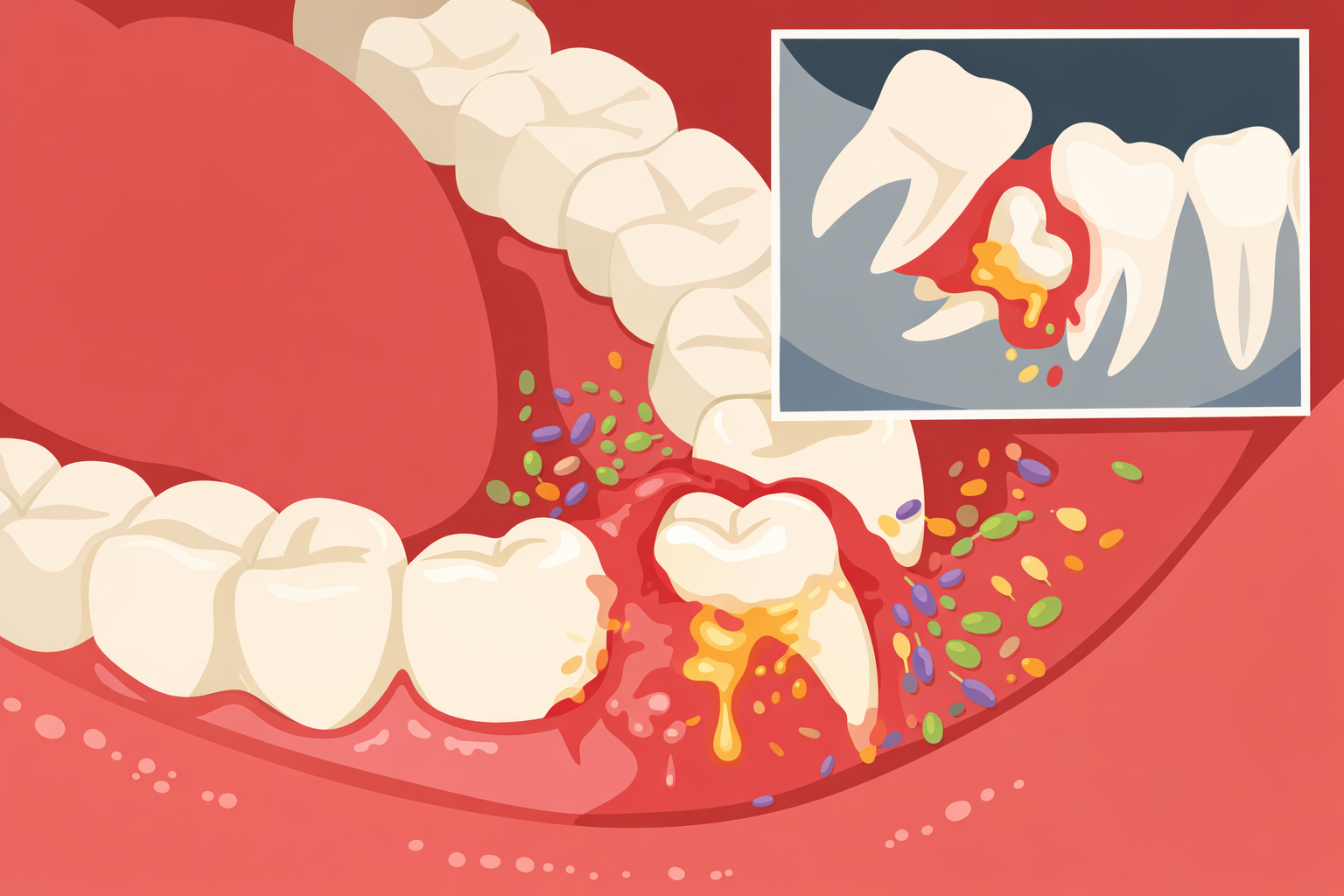
Gum Flap Infection Around Wisdom Teeth: Causes & Care
February 12, 2026
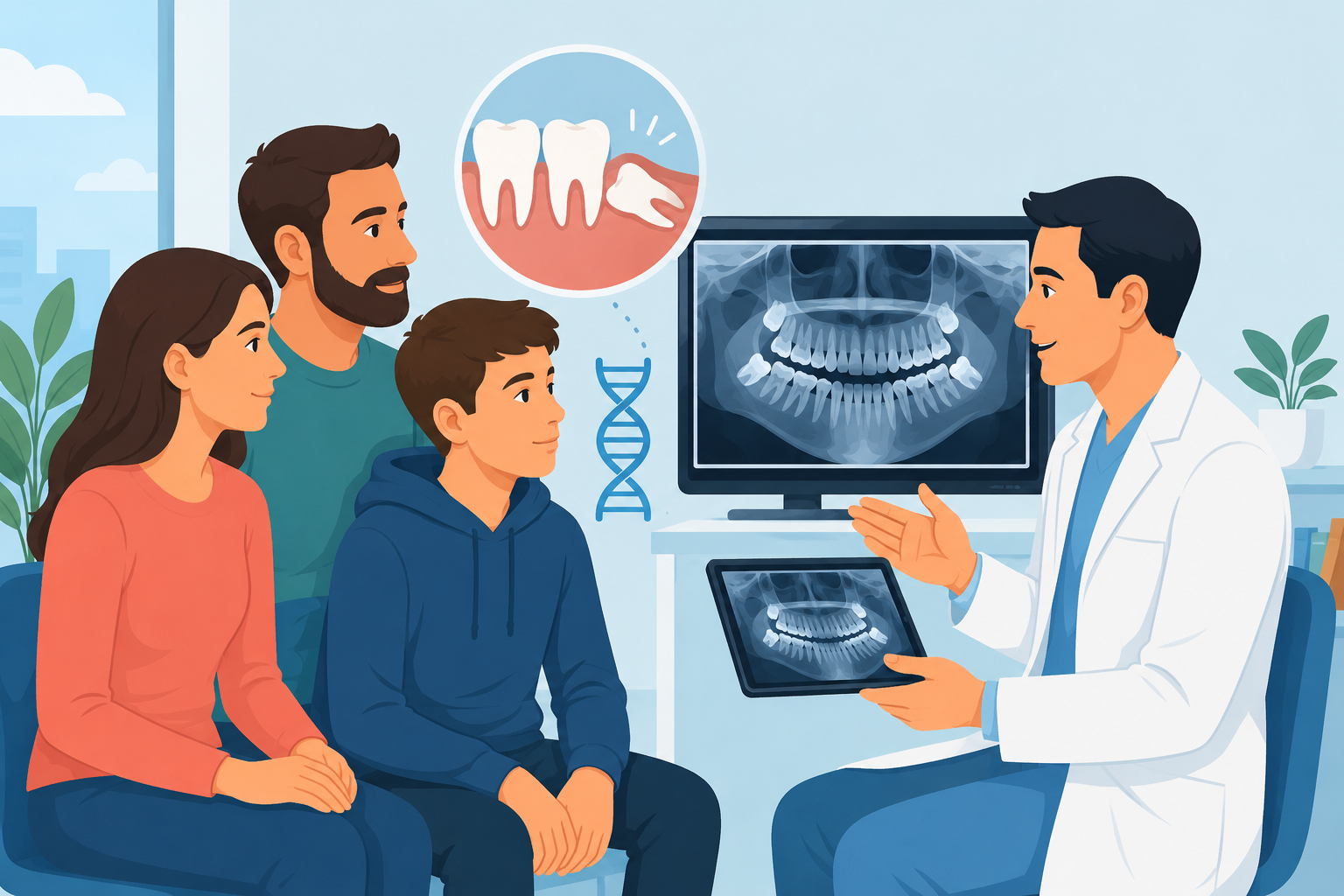
Are Wisdom Teeth Genetic? What Families Should Know
May 11, 2026
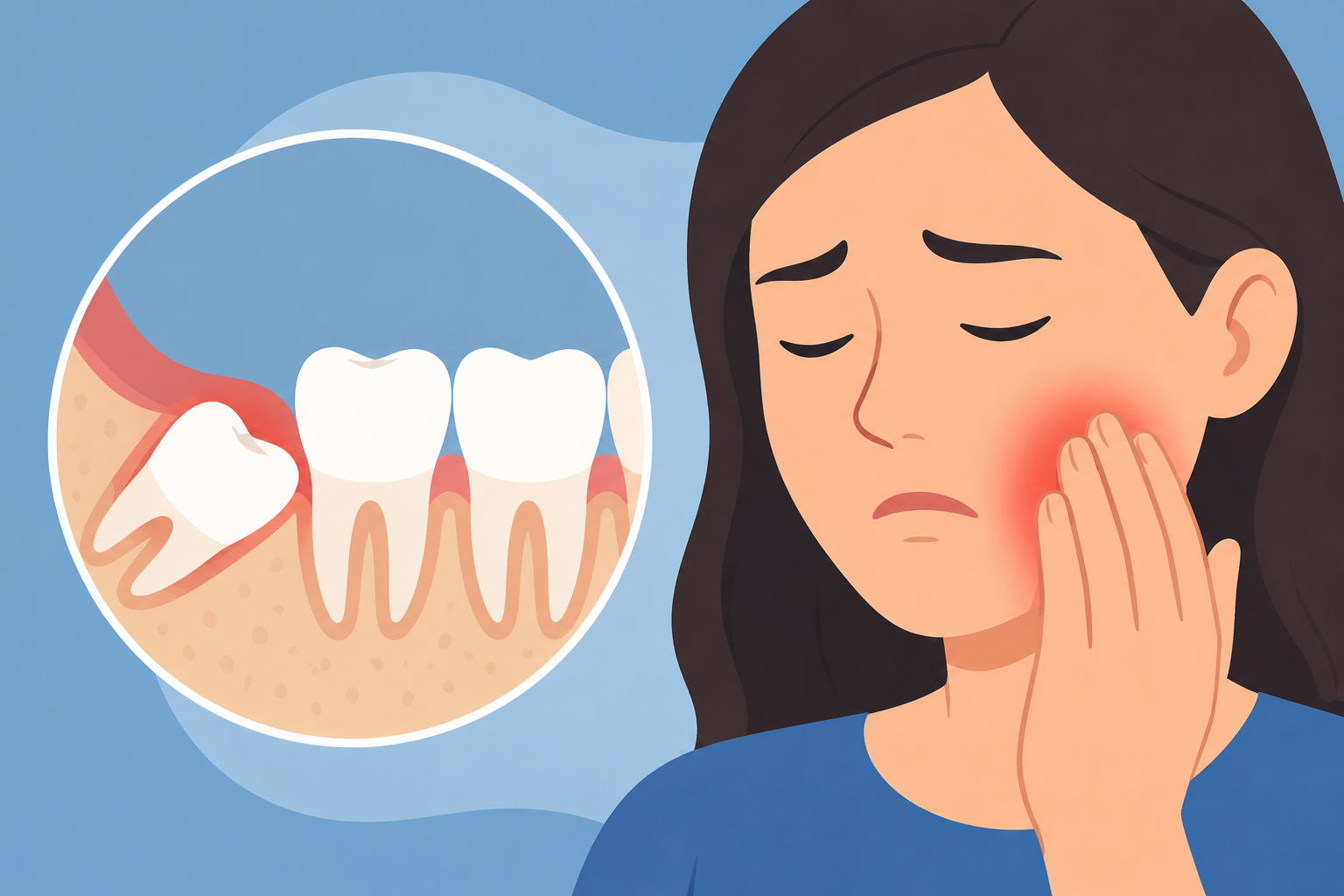
Can Impacted Wisdom Teeth Cause Front Teeth Discomfort?
June 4, 2026

Can You Go to Work or School After Wisdom Tooth Removal?
June 9, 2026
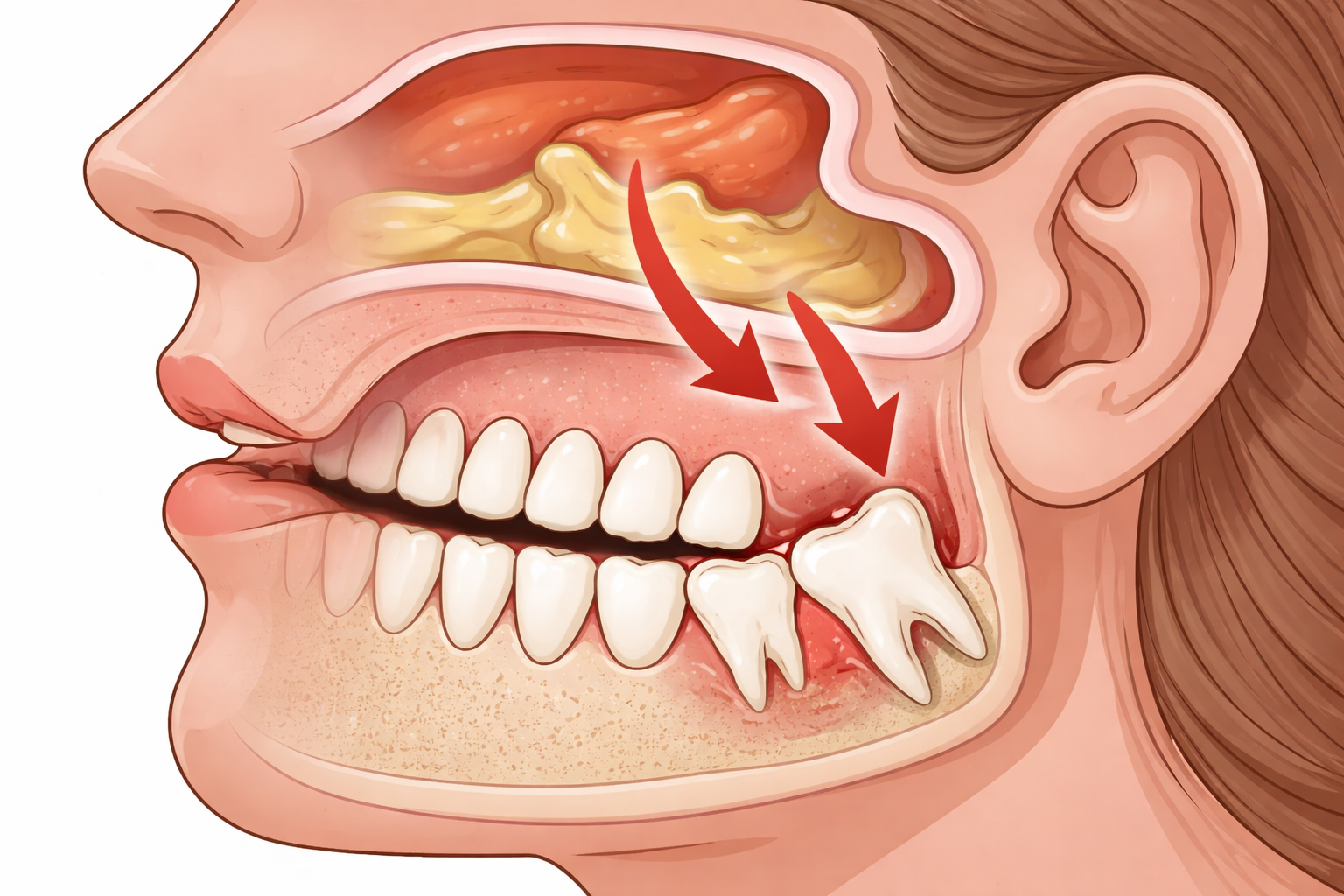
How Wisdom Teeth Can Cause Sinus Problems
February 2, 2026