Getting Your Wisdom Teeth Removed With Braces: What to Expect
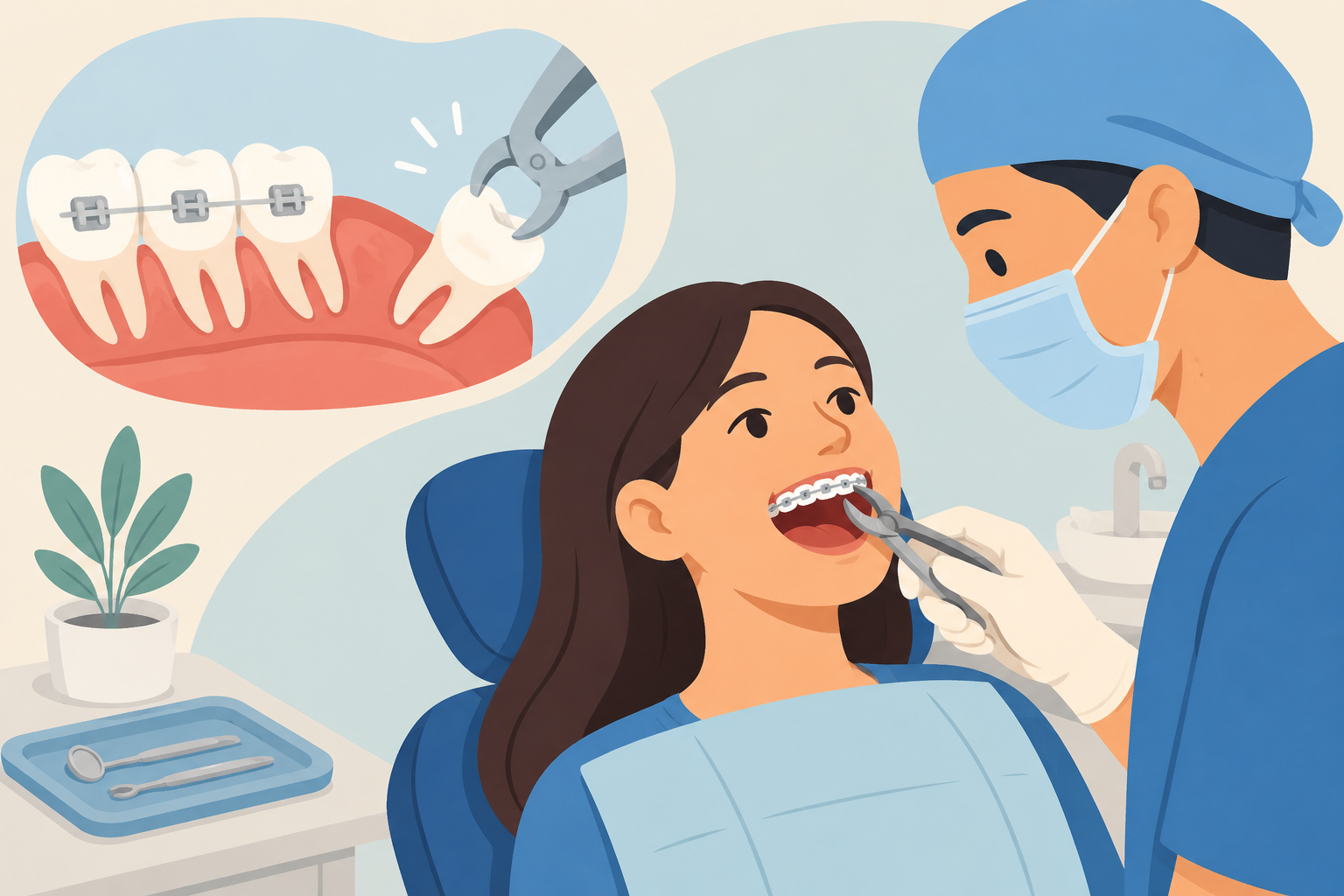
Wisdom tooth removal for patients with braces is a common part of orthodontic care. Because braces work by carefully moving teeth into proper alignment, erupting or impacted wisdom teeth can raise concerns about space, pressure, and long-term results. Many patients worry that extraction might interfere with their braces, but with proper planning, the process is usually smooth and well-coordinated.
This article explains how wisdom tooth removal fits into orthodontic treatment, when it’s recommended, how timing affects braces, and what recovery looks like when both treatments overlap.
Why Wisdom Teeth Matter During Orthodontic Treatment
Wisdom teeth usually emerge in the late teens or early twenties, often after braces are already in place. At this stage, the jaw typically has limited room, increasing the risk that third molars will erupt at an angle or remain impacted.
Orthodontic treatment depends on controlled tooth movement. When wisdom teeth push against existing teeth, they may contribute to spacing concerns or discomfort. Discussions around alignment often reference wisdom teeth when orthodontic corrections are already underway.
Even when wisdom teeth are not visibly erupting, pressure beneath the gums can still affect comfort and oral health during braces treatment.
Do Patients With Braces Always Need Wisdom Teeth Removed?
Not every braces patient requires wisdom tooth extraction. The decision depends on jaw space, tooth position, and whether the wisdom teeth are causing or likely to cause problems.
Common Reasons for Removal During Braces
Wisdom teeth are often removed during orthodontic treatment when they are impacted, difficult to clean, or causing inflammation. Patients with braces may experience increased sensitivity if food and bacteria collect near erupting wisdom teeth. In many cases, irritation linked to swollen gums becomes harder to manage with brackets and wires in place.
Removing problematic wisdom teeth can reduce inflammation and make daily oral hygiene more manageable.
When Wisdom Tooth Removal Happens During Braces
Timing plays an important role in coordinating extraction with orthodontic treatment.
Before Braces Begin
Some patients have wisdom teeth removed before starting braces. This allows full healing and helps orthodontists plan treatment without potential interference from erupting third molars.
During Braces Treatment
Wisdom tooth removal while braces are on is very common. Braces usually stay in place during the procedure, and orthodontic treatment can continue after a short healing period. Careful coordination ensures brackets and wires are protected during surgery.
After Braces Are Removed
In some cases, wisdom teeth are addressed after braces come off. While this approach can work, orthodontists still evaluate whether wisdom teeth could affect long-term stability if left untreated.
What the Extraction Process Is Like With Braces
The procedure itself is similar whether or not you have braces, but planning is adjusted to account for orthodontic appliances.
Evaluation and Imaging
Detailed imaging helps determine the position of the wisdom teeth and their proximity to nerves and surrounding structures. This ensures safe access without disturbing orthodontic hardware.
During the Procedure
Wisdom tooth removal may involve local anesthesia, sedation, or general anesthesia. Oral surgeons work carefully around braces to avoid unnecessary pressure on brackets or wires.
After the Procedure
Orthodontic adjustments may be briefly delayed to allow initial healing. This short pause helps protect comfort while keeping treatment on track.
Recovery Tips for Patients With Braces
Healing after wisdom tooth removal while wearing braces requires careful hygiene and patience, but most patients recover without complications.
Managing Swelling and Discomfort
Swelling and soreness are common for several days. Cold compresses and prescribed medications help manage discomfort. Because braces can trap food, maintaining cleanliness is essential during recovery.
Gentle rinsing supports healing once approved by your surgeon. Many patients follow guidance related to mouthwash care to keep the mouth clean without irritating extraction sites or orthodontic hardware.
Eating After Surgery
Soft foods such as yogurt, smoothies, mashed vegetables, and soups are ideal during early recovery. Hard or sticky foods should be avoided to protect both the surgical area and braces.
Traveling and Daily Activities After Wisdom Tooth Removal
Some patients need to travel shortly after extraction, even while wearing braces. Planning ahead helps minimize discomfort.
Short trips are usually manageable within a few days, while longer travel may require additional preparation. Practical considerations related to travel pain can help patients stay comfortable and prepared while away from home.
Most patients return to school or work within a few days, depending on healing and the complexity of the extraction.
Oral Hygiene Challenges With Braces and Healing Sites
Keeping the mouth clean is especially important after wisdom tooth removal. Braces create more surfaces where plaque and food particles can collect, increasing the risk of irritation or infection.
Gentle brushing around brackets, careful flossing, and approved rinsing routines help maintain oral health during healing. Patients should avoid aggressive cleaning near extraction sites until cleared by their oral surgeon.
Potential Complications to Be Aware Of
While complications are uncommon, knowing what to watch for allows prompt care.
Dry Socket
Dry socket occurs when the protective blood clot at the extraction site is lost, exposing bone and nerves. This can cause significant pain and delay healing. Awareness of dry socket symptoms helps patients seek treatment quickly if discomfort worsens after initial improvement.
Infection or Prolonged Swelling
Persistent swelling, fever, or increasing pain should be evaluated promptly. Because braces can make visual inspection more difficult, changes in sensation should not be ignored.
Does Wisdom Tooth Removal Affect Orthodontic Results?
In most cases, wisdom tooth removal does not negatively impact braces progress. Some orthodontists find that removing problematic wisdom teeth supports long-term alignment by eliminating sources of pressure and inflammation.
Any brief pause in adjustments is usually outweighed by the long-term benefits of improved comfort and stability.
Benefits of Coordinated Orthodontic and Surgical Care
When orthodontists and oral surgeons work together, patients experience smoother treatment. Coordinated care ensures wisdom tooth removal supports orthodontic goals rather than interrupting them.
This approach is especially helpful for teens and young adults, helping maintain healthier gums, easier hygiene, and more predictable orthodontic outcomes.
Final Thoughts
Wisdom tooth removal for patients with braces is a routine and well-managed part of orthodontic care. With proper timing, coordination, and aftercare, extraction can protect alignment, reduce discomfort, and support long-term oral health.
Discussing wisdom teeth early allows your care team to plan effectively and keep your orthodontic treatment moving forward with confiden

Why Summer Is Perfect for Wisdom Tooth Removal
May 25, 2026
When to See an Oral Surgeon in Coral Gables
March 18, 2026

Speed Up Your Wisdom Teeth Recovery with These Practical Tips
June 8, 2026

7 Signs You Need Your Wisdom Teeth Removed
May 27, 2025

Wisdom Teeth Surgery Under Sedation: What You Need to Know
May 21, 2025