Cavities Explained: Causes, Prevention, and Treatment
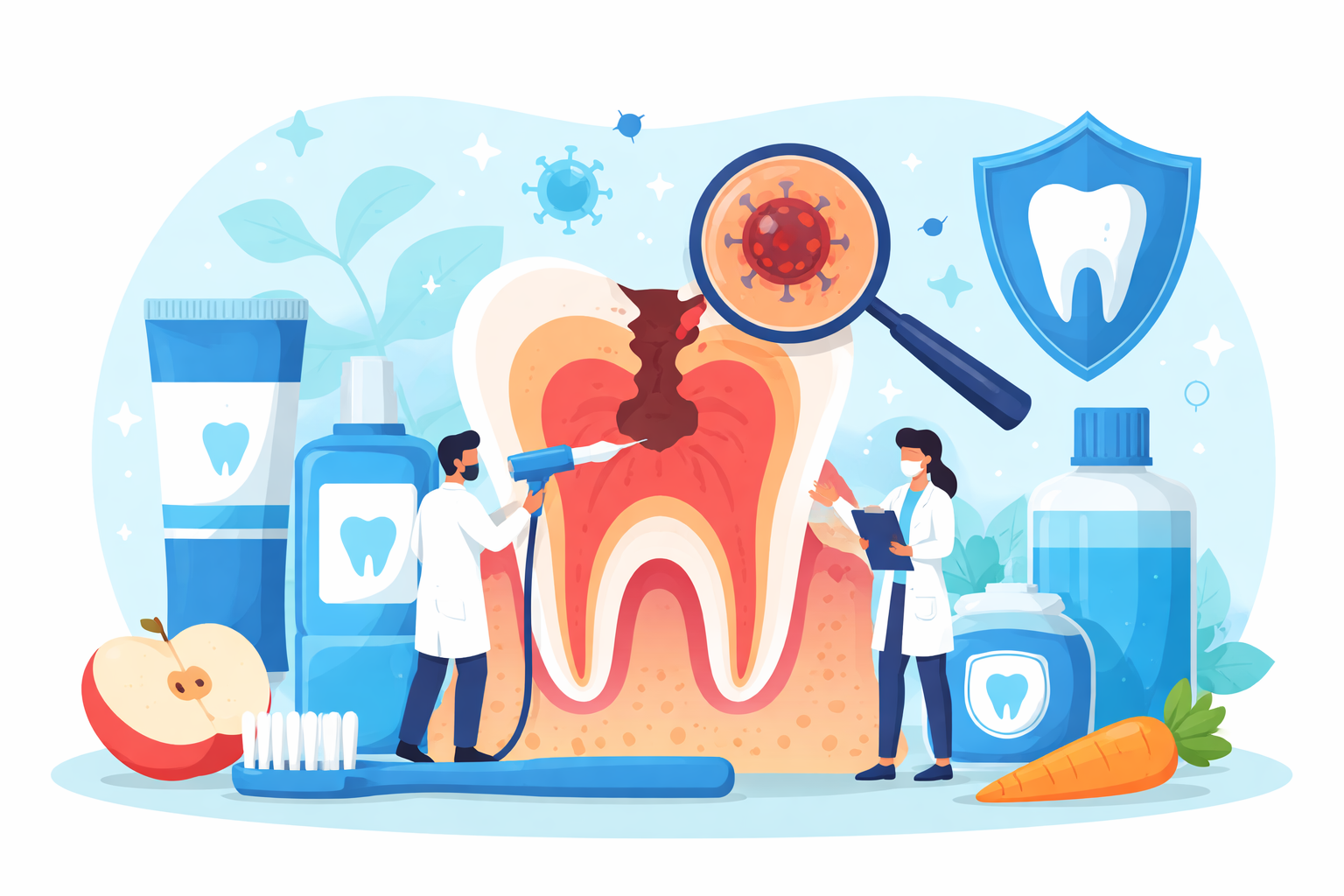
Cavities are one of the most common dental issues, yet many people do not fully understand what causes them or how to prevent them effectively. Understanding cavities, their development, and the best approaches to treatment can help you maintain a healthy smile and avoid unnecessary dental problems. This article dives deep into everything you need to know about cavities, from causes to preventive measures, and the latest treatments available.
What Are Cavities?
A cavity, also known as dental caries, is a permanently damaged area in the hard surface of your teeth that develops into tiny holes. Cavities often result from a combination of bacteria in your mouth, frequent snacking, sugary drinks, and inadequate cleaning. When left untreated, cavities can lead to severe tooth pain, infection, and even tooth loss.
Cavities can affect anyone, regardless of age. Children, teens, and adults are all susceptible. Understanding how cavities form and how to spot the early signs is crucial for maintaining long-term oral health.
Causes of Cavities
Bacteria and Plaque Formation
The primary cause of cavities is bacteria that naturally live in your mouth. These bacteria feed on sugars and starches left on your teeth after meals and snacks. As they digest these foods, they produce acids that erode tooth enamel. Over time, this erosion creates cavities.
Regular plaque buildup can worsen the problem. Plaque is a sticky film of bacteria that forms on teeth. If plaque is not removed through brushing and flossing, it can harden into tartar, making it even harder to clean your teeth and increasing the risk of cavities.
Diet and Sugar Intake
Frequent consumption of sugary foods and drinks is one of the biggest contributors to cavities. Every time you consume sugar, your teeth are exposed to acid attacks for at least 20 minutes. Continuous snacking or sipping sugary drinks throughout the day can make teeth highly vulnerable to decay.
Acidic foods and beverages, including sodas, citrus fruits, and wine, also weaken enamel and make teeth more prone to cavities. Maintaining a balanced diet and reducing sugar intake is critical to protecting your teeth.
Dry Mouth and Saliva Deficiency
Saliva plays a vital role in keeping teeth healthy. It helps neutralize acids produced by bacteria, washes away food particles, and supplies essential minerals for tooth repair. Conditions that reduce saliva production, such as dry mouth or certain medications, can significantly increase cavity risk.
Common Signs of Cavities
Identifying cavities early can prevent more extensive dental work later. Common symptoms include:
- Tooth sensitivity, especially when consuming hot, cold, or sweet foods
- Visible pits or holes in your teeth
- Tooth pain that worsens when biting or chewing
- Dark spots or staining on the surface of a tooth
If you notice any of these signs, it is important to schedule a dental checkup promptly. Untreated cavities can lead to infections, abscesses, and the need for complex procedures like root canals.
Preventing Cavities
Prevention is always better than treatment. Adopting a consistent oral care routine can protect your teeth from decay and reduce the likelihood of developing cavities.
Proper Brushing and Flossing
Brushing your teeth at least twice a day and flossing daily are essential habits for cavity prevention. Use fluoride toothpaste, as fluoride helps strengthen tooth enamel and makes it more resistant to decay. Pay special attention to areas that are prone to plaque buildup, such as the back molars.
Healthy Diet Choices
Limiting sugary snacks and beverages, especially between meals, reduces the frequency of acid attacks on your teeth. Foods rich in calcium and phosphorus, like cheese, yogurt, and nuts, help rebuild enamel. Drinking plenty of water throughout the day also aids in rinsing away food particles and acids.
Regular Dental Checkups
Routine dental visits allow your dentist to identify early signs of cavities and apply preventive treatments like fluoride varnishes or sealants. Regular professional cleanings remove plaque and tartar that brushing and flossing alone cannot eliminate.
Treatment Options for Cavities
The treatment approach for cavities depends on the severity and location of the decay.
Fillings
For small to moderate cavities, fillings are the most common solution. The dentist removes the decayed portion of the tooth and fills the space with a material like composite resin, amalgam, or porcelain. Fillings restore the tooth’s function and prevent further decay.
Crowns
When cavities are extensive and weaken the tooth structure, a dental crown may be necessary. Crowns cover the entire tooth, providing strength and protection while restoring appearance and function.
Root Canal Therapy
If the decay reaches the inner pulp of the tooth, causing infection, a root canal may be required. During this procedure, the infected pulp is removed, the root canal is cleaned, and the tooth is sealed. In some cases, a crown is placed afterward for additional protection.
Tooth Extraction
In severe cases where the tooth cannot be saved, extraction may be the only option. After extraction, your dentist may discuss options like dental implants or bridges to replace the missing tooth.
Special Considerations for Wisdom Teeth
Cavities can also develop on wisdom teeth, which are harder to clean due to their location at the back of the mouth. Pain or discomfort from wisdom teeth can sometimes mimic cavity symptoms.
Maintaining Long-Term Oral Health
Even after cavities are treated, maintaining healthy oral habits is crucial to prevent new decay. Regular brushing, flossing, and dental visits remain the foundation of strong teeth. Limiting sugary foods and staying hydrated are simple but effective strategies. Consider discussing personalized care plans with your dentist, especially if you have a history of frequent cavities.
Key Takeaways
- Cavities are caused by bacteria, sugar consumption, and weakened enamel.
- Early detection through symptoms like sensitivity and visible pits can prevent complications.
- Preventive care includes proper brushing, flossing, diet management, and regular dental checkups.
- Treatment options vary from fillings and crowns to root canals and extractions.
- Wisdom teeth require extra attention due to their position and susceptibility to decay.
A proactive approach to oral health not only prevents cavities but also supports overall well-being. Maintaining consistent dental habits ensures your smile stays healthy for years to come.
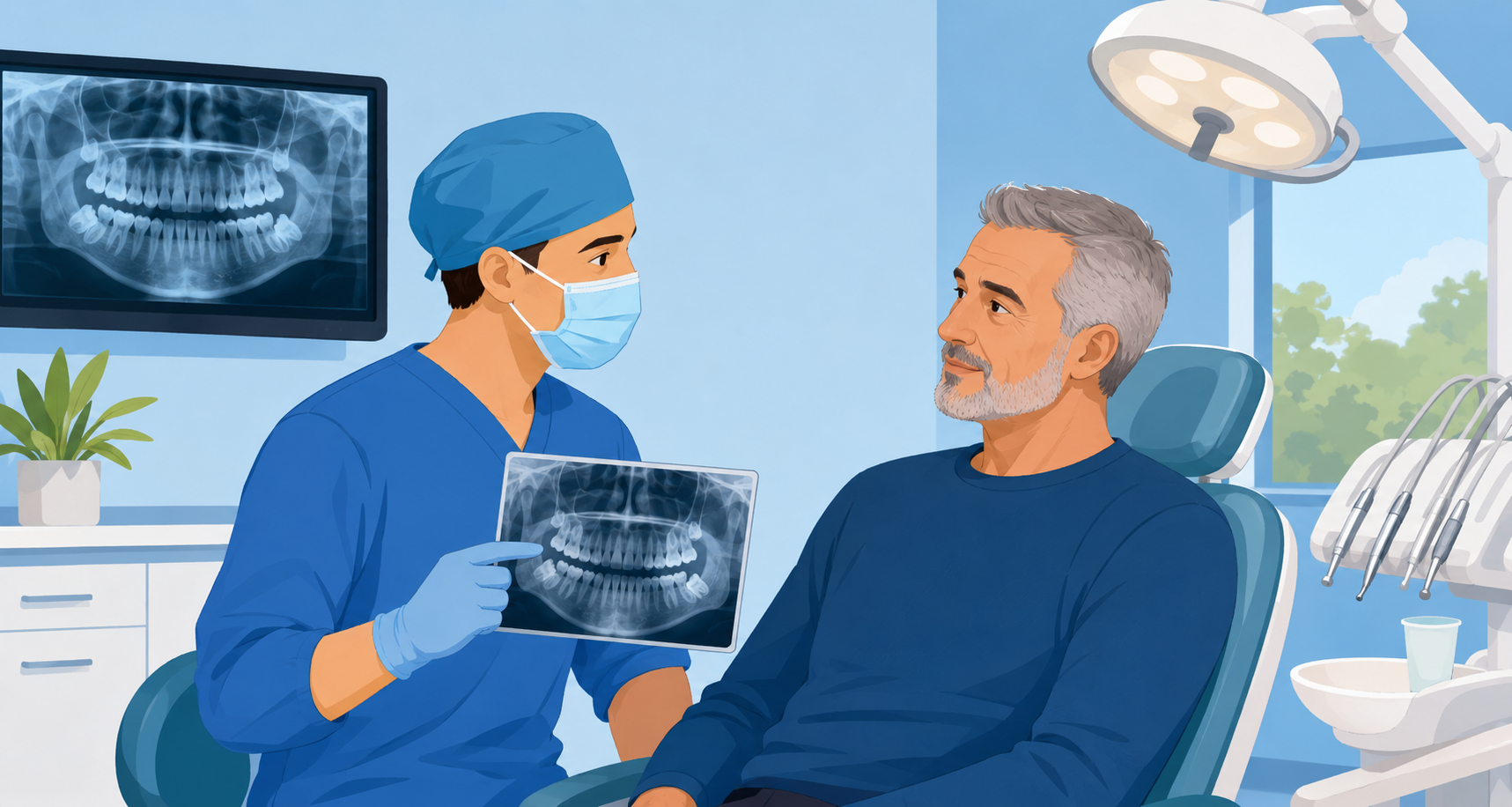
Can You Be Too Old for Wisdom Teeth Surgery?
May 18, 2026
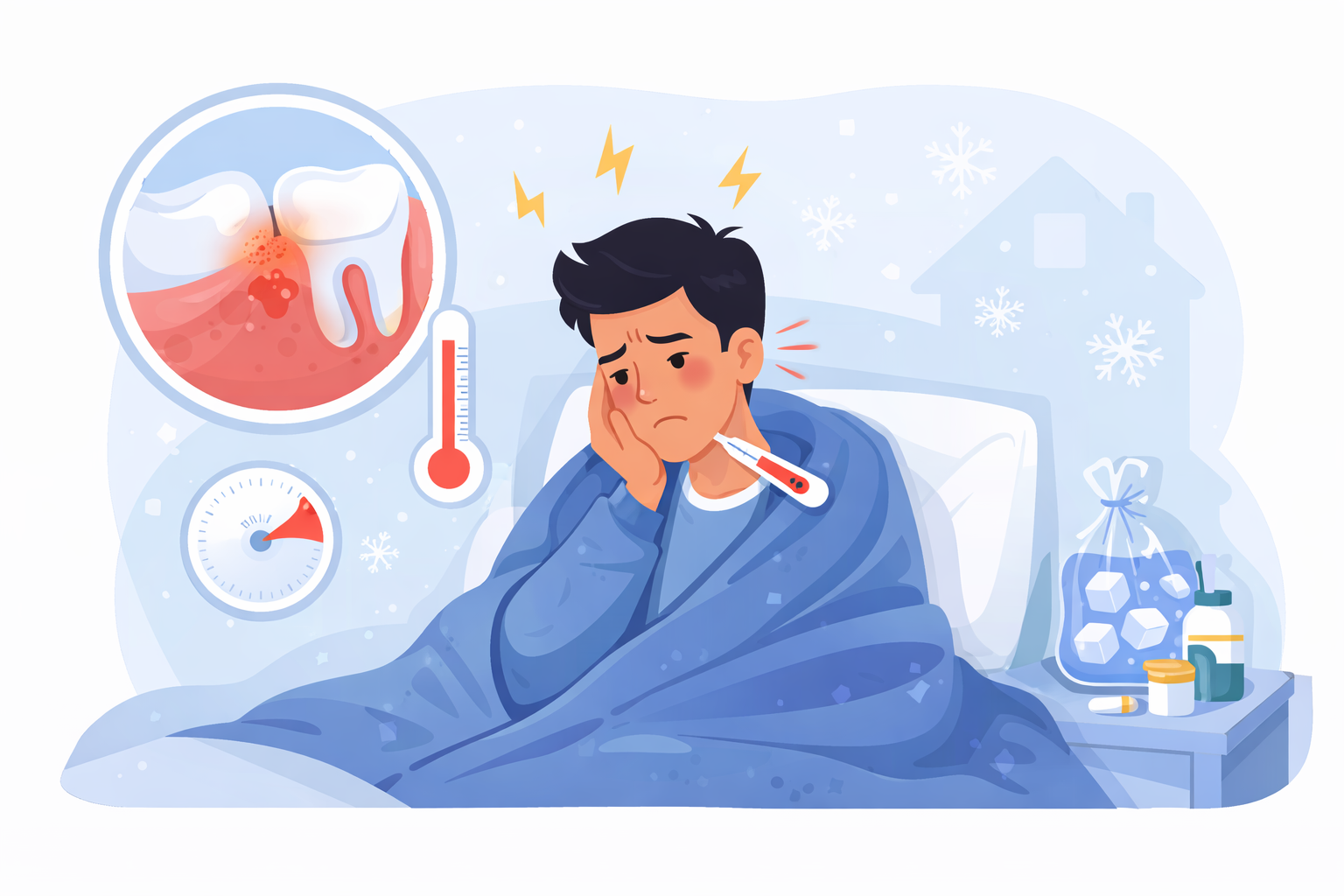
Can Wisdom Teeth Cause Fever or Chills?
January 12, 2026
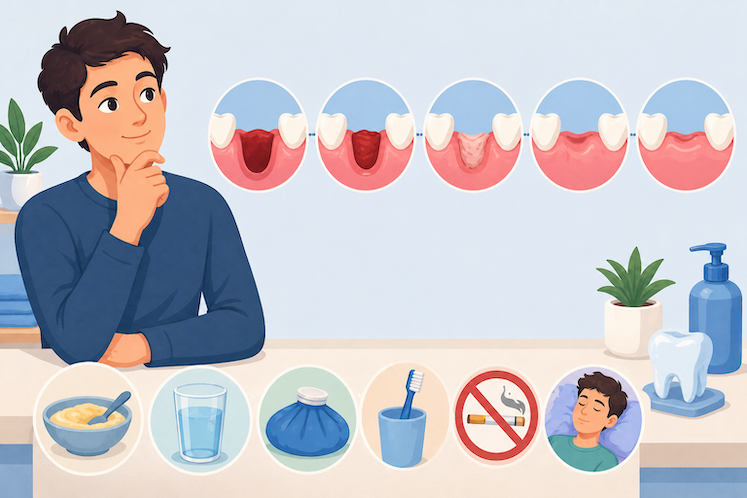
How Long Do Gums Take to Fully Heal After Surgery?
April 28, 2026
Why Wisdom Tooth Pain Gets Worse at Night
March 30, 2026
How Oral Health Directly Impacts Your Overall Health
February 12, 2026