Can Wisdom Teeth Trigger Chronic Headaches?
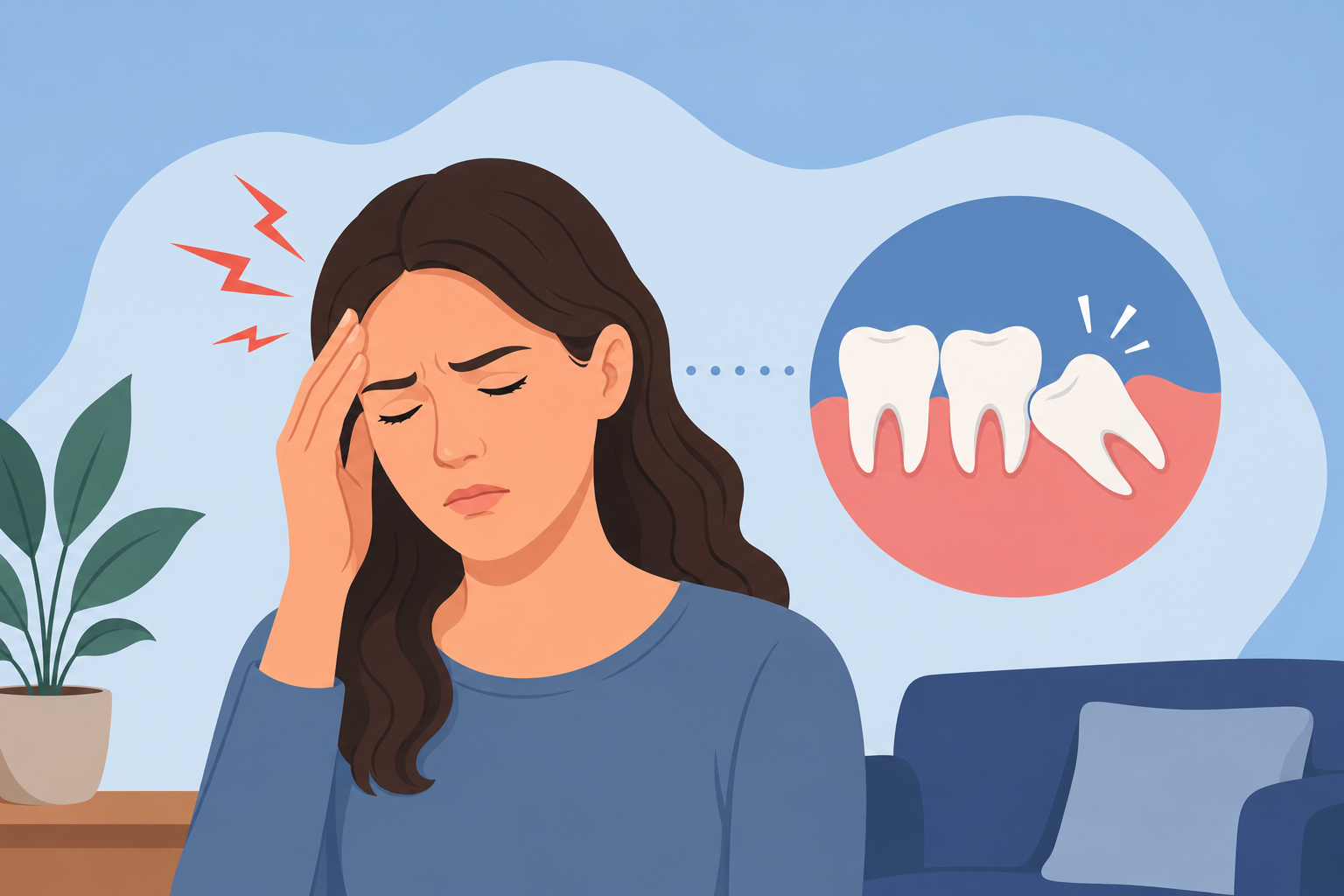
Wisdom teeth are already known for causing jaw pain, swelling, and dental discomfort. But what many people do not realize is that impacted or problematic wisdom teeth may also contribute to recurring headaches. If you have been dealing with unexplained tension headaches, pressure near the temples, or pain that seems connected to your jaw, your wisdom teeth could be playing a role.
In some cases, wisdom teeth create pressure in the surrounding nerves, muscles, and joints inside the mouth and jaw. That tension can radiate upward into the head, leading to persistent discomfort that feels more like a chronic headache than a dental issue.
Understanding the connection between wisdom teeth and headaches can help you recognize when it may be time to seek professional evaluation before the pain worsens.
How Wisdom Teeth Can Lead to Headaches
Wisdom teeth usually erupt between the late teens and early 30s. While some people never experience problems, many develop issues because there is not enough room in the mouth for these molars to grow properly.
When wisdom teeth become impacted, partially erupted, or infected, they can create pressure and inflammation that affect nearby structures.
Jaw Tension and Muscle Strain
One of the most common reasons wisdom teeth contribute to headaches is muscle tension.
When wisdom teeth push against nearby teeth or irritate the jaw, the muscles around the temporomandibular joint (TMJ) can become strained. Over time, that strain may spread to the temples, forehead, neck, and scalp.
This often results in:
- Tension headaches
- Jaw soreness
- Facial pressure
- Earaches
- Pain while chewing
- Neck stiffness
Many patients mistake these symptoms for stress-related headaches without realizing the underlying dental cause.
Impacted Wisdom Teeth and Nerve Pressure
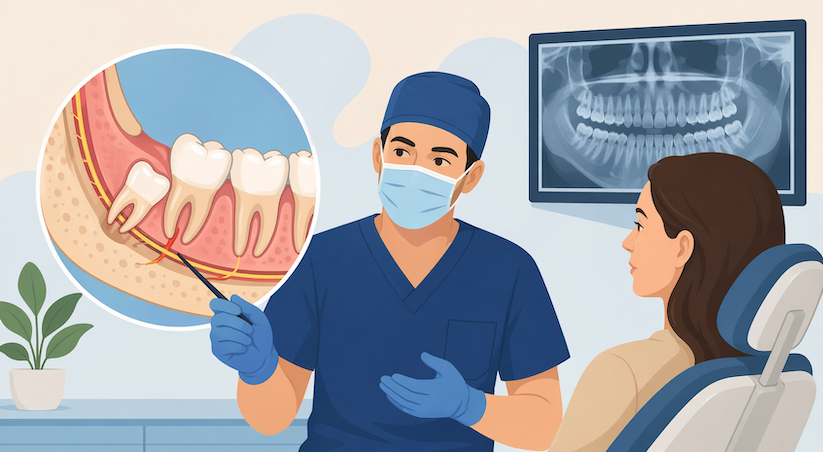
Impacted wisdom teeth are teeth trapped beneath the gums or bone. These teeth may grow sideways, angle toward neighboring molars, or remain partially stuck under the gums.
When this happens, pressure can build around the surrounding nerves and tissues. That irritation may create referred pain, meaning the discomfort is felt in another area of the body — including the head.
If you are unsure how wisdom teeth differ from the rest of your molars, this breakdown of wisdom teeth versus regular molars explains why third molars often create unique complications.
Infection and Inflammation
Partially erupted wisdom teeth create openings where bacteria can become trapped. Once bacteria build up beneath the gums, infection and inflammation may develop.
This can cause:
- Throbbing pain
- Swollen gums
- Facial tenderness
- Pressure headaches
- Bad taste in the mouth
- Difficulty opening the jaw
Dental infections sometimes create pain patterns that extend into the head and sinus area, especially in upper wisdom teeth.
What Wisdom Teeth Headaches Usually Feel Like
Not all headaches are connected to wisdom teeth, but certain symptoms may suggest a dental source.
Common Signs to Watch For
Headaches related to wisdom teeth often occur alongside other oral symptoms.
You may notice:
- Pain near the back of the jaw
- Headaches that worsen while chewing
- Pressure near the temples
- Facial soreness
- Tender gums behind the molars
- Clicking or stiffness in the jaw
- Headaches that come and go with jaw pain
Some people also experience headaches primarily in the morning because nighttime teeth grinding and jaw clenching worsen the tension.
Tension Headaches vs Migraines
Wisdom teeth are more commonly associated with tension-type headaches rather than true migraines.
Tension headaches usually feel like:
- A dull ache
- Pressure around the forehead
- Tightness near the temples
- Pain extending into the neck or jaw
Migraines, on the other hand, often involve nausea, sensitivity to light, and visual disturbances.
Still, severe dental pain can sometimes trigger migraine episodes in individuals already prone to them.
Can Wisdom Teeth Cause Headaches Years Later?
Yes, they can.
Some wisdom teeth remain dormant for years before becoming problematic. Others partially erupt later in adulthood, leading to pressure, infections, or shifting discomfort.
It is actually more common than many people think for wisdom teeth issues to appear in the late 30s, delayed eruption can still create symptoms years after adolescence.
In these situations, headaches may gradually develop as inflammation or jaw stress increases over time.
How Dentists Diagnose Wisdom Teeth-Related Headaches
Because headaches can come from many causes, proper diagnosis is important.
An oral surgeon or dentist will usually evaluate:
- Jaw alignment
- Gum inflammation
- Tooth positioning
- Signs of impaction
- Bite pressure
- X-rays of the wisdom teeth
Dental imaging helps determine whether the wisdom teeth are pressing against nerves, neighboring teeth, or jaw structures.
In many cases, patients only realize the connection after discovering impacted wisdom teeth during an exam.
When Wisdom Tooth Removal May Help
If wisdom teeth are contributing to chronic headaches, removal may reduce the pressure and inflammation causing the symptoms.
Removing the Source of Jaw Stress
Wisdom tooth extraction can help relieve:
- Chronic jaw tension
- Inflamed gum tissue
- Pressure from impacted teeth
- Crowding-related discomfort
- Referred pain into the head and neck
Many patients report fewer headaches after healing because the jaw muscles are no longer compensating for irritation or pressure.
Recovery and Headache Relief Timeline
Relief timelines vary depending on the individual and the severity of the problem.
Some people notice reduced tension within days after surgery, while others experience gradual improvement over several weeks as inflammation subsides and the jaw heals.
Do All Wisdom Teeth Need to Be Removed?
Not always.
Healthy wisdom teeth that fully erupt and remain easy to clean may not require extraction. However, many people develop complications because wisdom teeth often grow at awkward angles or become difficult to maintain.
Removal may be recommended if wisdom teeth are causing:
- Headaches
- Jaw pain
- Gum infections
- Tooth crowding
- Damage to nearby teeth
- Chronic inflammation
- Bite problems
An oral surgeon can evaluate whether your symptoms are likely connected to your wisdom teeth.
Wisdom Teeth, Braces, and Headaches
People with braces or previous orthodontic work sometimes experience additional jaw pressure when wisdom teeth erupt.
The added force from impacted wisdom teeth may contribute to soreness, tension, or headaches as the jaw adjusts.
If you currently wear braces or recently completed orthodontic treatment, understanding how wisdom tooth removal works with braces can help you prepare for the process and recovery timeline.
Can You Stay Awake During Wisdom Tooth Removal?
Some patients avoid treatment because they are nervous about sedation or surgery.
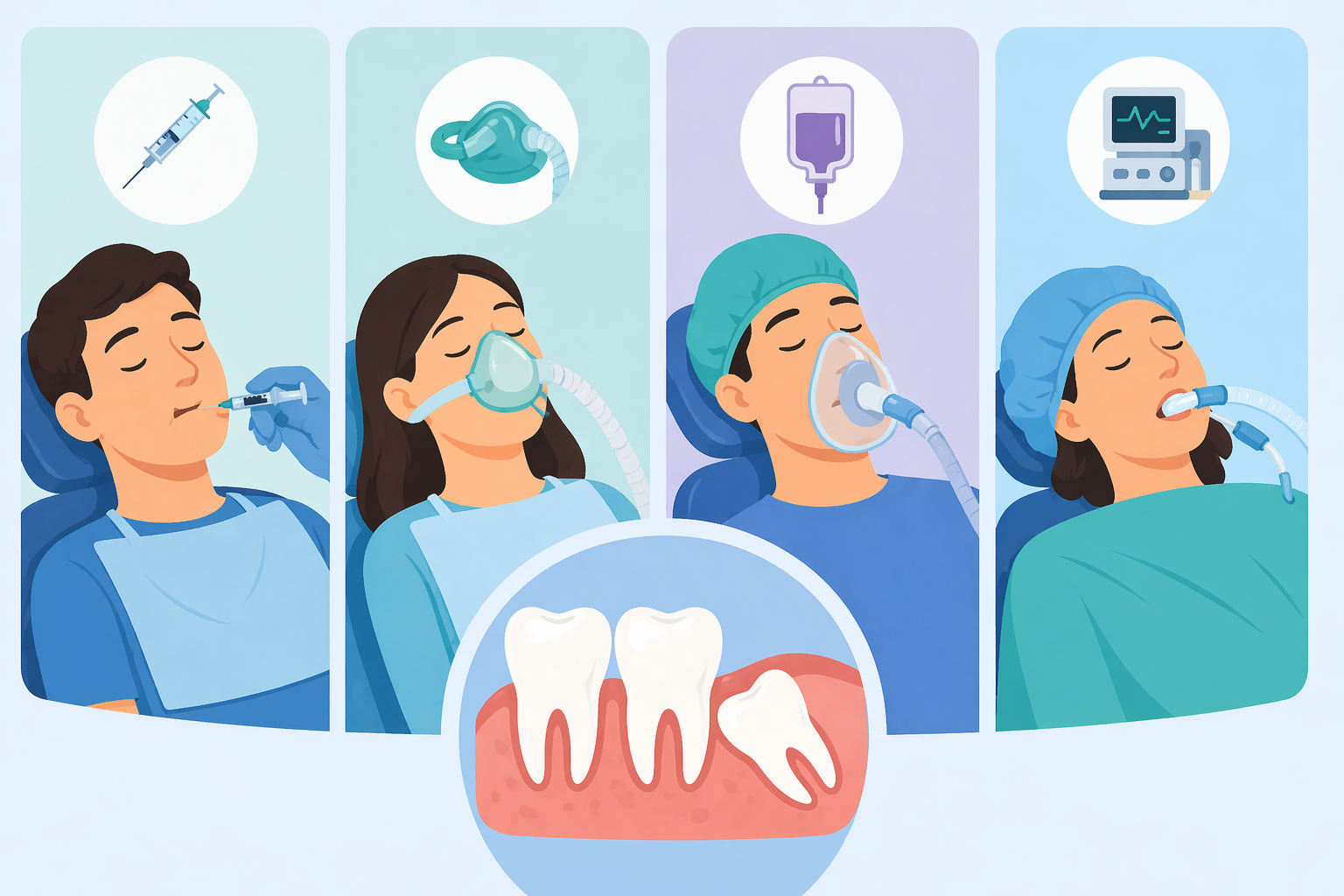
Fortunately, wisdom tooth removal does not always require full sedation. Depending on the complexity of the case, some patients choose local anesthesia or lighter sedation methods.
If you are concerned about the procedure itself, this article on whether you can stay awake during wisdom tooth removal walks through the available options and what patients typically experience.
Other Conditions That May Mimic Wisdom Teeth Headaches
Although wisdom teeth can contribute to headaches, other issues may produce similar symptoms.
These include:
- TMJ disorders
- Teeth grinding
- Sinus infections
- Migraines
- Stress-related tension
- Gum disease
- Tooth infections
- Neck strain
This is why a professional evaluation matters. Treating the wrong source may only prolong the discomfort.
When to See an Oral Surgeon
You should schedule an evaluation if you experience recurring headaches along with:
- Jaw pain
- Swollen gums
- Difficulty chewing
- Tooth sensitivity
- Facial pressure
- Ear pain
- Limited jaw movement
- Pain near the back molars
Persistent headaches should never be ignored, especially when accompanied by oral discomfort.
Book an Appointment
If your headaches may be connected to impacted or painful wisdom teeth, professional evaluation can help identify the cause and recommend the right treatment plan.
FAQ About Wisdom Teeth and Chronic Headaches
Can wisdom teeth directly cause headaches?
Yes. Impacted or infected wisdom teeth can create jaw tension, inflammation, and nerve pressure that contribute to headaches.
What kind of headaches do wisdom teeth usually cause?
Wisdom teeth are most commonly linked to tension headaches, facial pressure, temple pain, and jaw-related discomfort.
Can removing wisdom teeth stop chronic headaches?
If the headaches are connected to jaw pressure or impacted teeth, removal may significantly reduce symptoms after healing.
How do I know if my headache is related to wisdom teeth?
Headaches accompanied by jaw pain, swollen gums, chewing discomfort, or pressure near the back molars may indicate a dental connection.
Can wisdom teeth cause headaches in your 30s?
Yes. Some wisdom teeth erupt or become problematic later in adulthood, especially if they remain partially impacted for years.
Are upper or lower wisdom teeth more likely to cause headaches?
Both can contribute to headaches, but impacted lower wisdom teeth often create significant jaw tension and pressure.
Is wisdom tooth removal painful?
Modern anesthesia and sedation techniques make the procedure much more comfortable than many patients expect. Most discomfort occurs during recovery and improves gradually.
How Rare Are Serious Wisdom Tooth Complications?
June 12, 2026
Anesthesia Options for Wisdom Tooth Extraction
April 24, 2026
Is Jaw Surgery Covered by Insurance?
January 5, 2026
Wisdom Tooth Nerve Damage: How Rare Is It, Really?
April 22, 2026
Do Seniors Need Wisdom Tooth Removal Later in Life?
March 19, 2026