Do Seniors Need Wisdom Tooth Removal Later in Life?
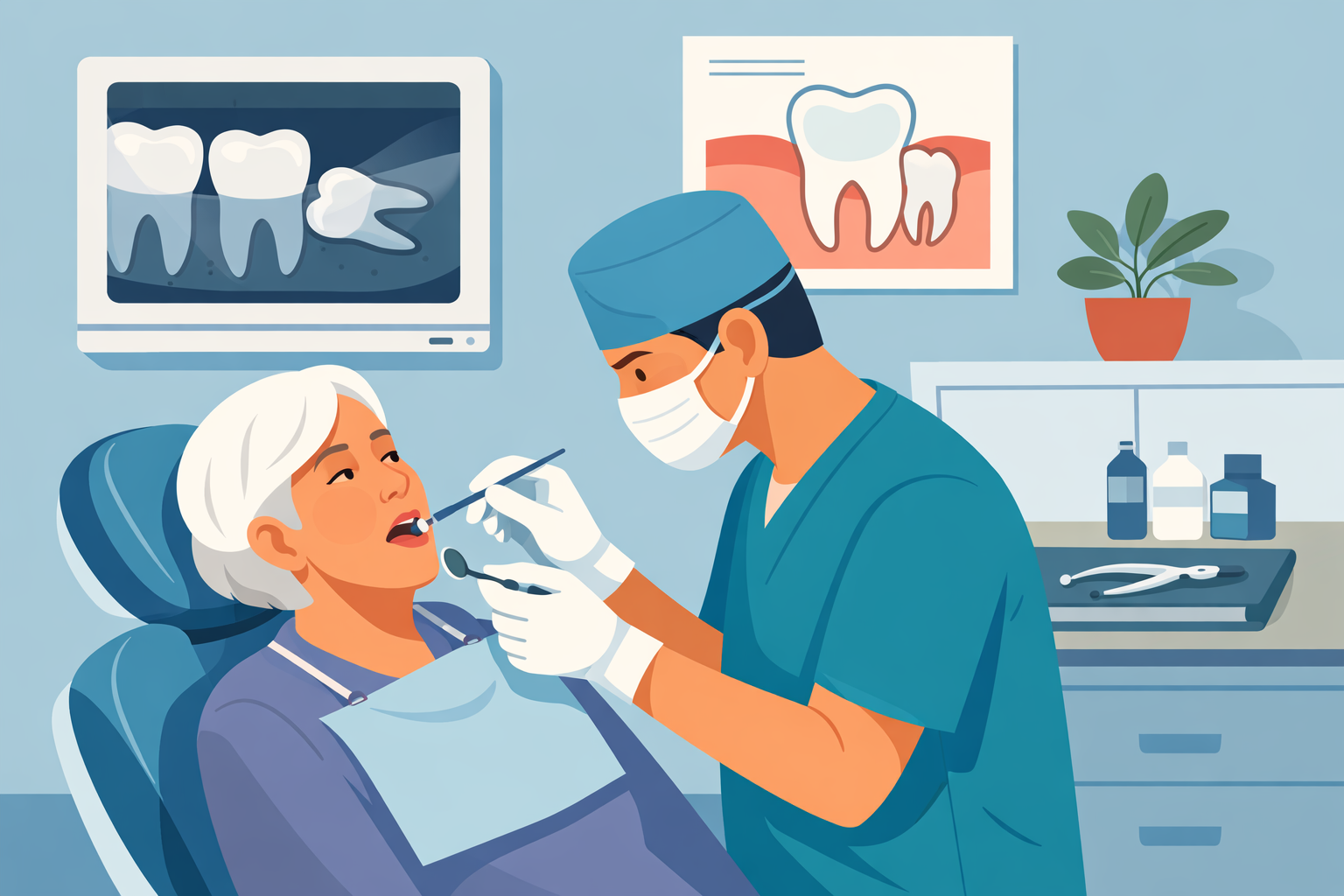
Wisdom teeth are often associated with teenagers and young adults, but what happens if they’re still present later in life? Many older adults assume that if their wisdom teeth haven’t caused problems yet, they never will. In reality, that’s not always the case.
As we age, our oral health needs change, and wisdom teeth can become a hidden source of discomfort, infection, or even long-term dental complications. This guide breaks down whether seniors need wisdom tooth removal, when it becomes necessary, and what to expect if treatment is recommended.
Understanding Wisdom Teeth in Older Adults
Wisdom teeth, also known as third molars, typically emerge between the ages of 17 and 25. However, not everyone has them removed during that period. Some people reach their 50s, 60s, or beyond with their wisdom teeth still intact.
Why Some Seniors Still Have Wisdom Teeth
There are several reasons why wisdom teeth remain in place later in life:
- They erupted properly and aligned with other teeth
- They never caused noticeable pain or issues
- A dentist previously advised leaving them alone
- Limited access to dental care earlier in life
While these scenarios may seem harmless, wisdom teeth can still develop complications over time—even after decades without symptoms.
Do Seniors Really Need Wisdom Tooth Removal?
The short answer is: it depends. Not all seniors require removal, but in many cases, extraction becomes necessary due to new or worsening dental concerns.
When Removal Is Necessary
Wisdom tooth removal may be recommended for seniors if they experience:
- Persistent pain or pressure in the back of the mouth
- Gum infections or swelling around the tooth
- Tooth decay in hard-to-clean areas
- Damage to nearby molars
- Cysts or bone damage
In many cases, these issues develop gradually, making them easy to overlook until they become more serious.
When It May Not Be Needed
If wisdom teeth are:
- Fully erupted
- Properly aligned
- Easy to clean
- Free of decay or infection
Then removal might not be necessary. Regular monitoring by a dental professional is still essential.
Common Problems Caused by Wisdom Teeth in Seniors
Even if wisdom teeth have been stable for years, aging can increase the risk of complications.
Increased Risk of Infection
As gums recede with age, bacteria can accumulate around partially erupted wisdom teeth. This can lead to infections such as pericoronitis, which causes swelling, pain, and difficulty chewing.
Tooth Decay and Gum Disease
Wisdom teeth are located at the back of the mouth, making them difficult to clean properly. Over time, plaque buildup can lead to cavities or periodontal disease, especially in older adults with reduced dexterity.
Damage to Adjacent Teeth
Impacted or misaligned wisdom teeth can push against neighboring molars, causing crowding, enamel wear, or structural damage.
Cysts and Bone Issues
In some cases, untreated wisdom teeth can lead to cyst formation, which may damage surrounding bone and require more complex surgical treatment.
Is Wisdom Tooth Removal Safe for Seniors?
One of the most common concerns is whether the procedure is safe for older adults. The good news is that wisdom tooth extraction can be performed safely at almost any age—with proper planning.
Factors That Affect Safety
Dentists and oral surgeons consider several factors before recommending surgery:
- Overall health and medical conditions
- Bone density and healing ability
- Medications (such as blood thinners)
- Complexity of the tooth’s position
If your general dentist believes the case requires specialized care, they may recommend a consultation through a dentist referral process to ensure the safest approach.
What Makes Wisdom Tooth Removal More Complex in Seniors?
While the procedure is safe, it can be more complex compared to younger patients.
Denser Bone Structure
As we age, jawbones become denser and less flexible, which can make extraction more technically challenging.
Slower Healing Time
Healing may take longer in older adults due to reduced blood flow and natural aging processes.
Higher Risk of Complications
There may be an increased risk of:
- Infection
- Dry socket
- Delayed healing
However, with proper care and professional guidance, these risks can be effectively managed.
Benefits of Removing Wisdom Teeth Later in Life
Even though surgery may seem daunting, there are clear benefits when removal is necessary.
Relief from Chronic Pain
Ongoing discomfort or pressure can significantly affect quality of life. Removing the problem tooth can bring immediate relief.
Prevention of Serious Dental Issues
Addressing wisdom teeth early can prevent complications such as infections, bone loss, or damage to surrounding teeth.
Improved Oral Hygiene
Removing hard-to-reach wisdom teeth makes it easier to maintain proper oral hygiene, reducing the risk of future dental problems.
What to Expect During the Procedure
The process for seniors is similar to that of younger patients, but with additional precautions.
Consultation and Evaluation
Your dentist or oral surgeon will perform:
- X-rays or 3D imaging
- A full medical history review
- A customized treatment plan
Some clinics even offer efficient options like same day removal, depending on the complexity of the case.
The Extraction Process
The procedure may involve:
- Local anesthesia, sedation, or general anesthesia
- Removal of the tooth (sometimes in sections)
- Suturing the area if needed
Most procedures are completed within an hour, depending on complexity.
Recovery Tips for Seniors After Wisdom Tooth Removal
Recovery plays a crucial role in preventing complications and ensuring a smooth healing process.
First 24–48 Hours
- Rest and avoid physical activity
- Use cold compresses to reduce swelling
- Stick to soft foods like soup, yogurt, or mashed potatoes
Ongoing Care
- Keep the area clean but avoid aggressive rinsing
- Follow all medication instructions
- Avoid smoking or using straws
Watch for Warning Signs
Contact your dentist if you experience:
- Severe pain after a few days
- Persistent swelling
- Signs of infection such as fever or discharge
How Wisdom Tooth Health Connects to Overall Dental Care
Wisdom teeth don’t exist in isolation—they can affect your entire oral health.
For example, untreated infections can compromise nearby teeth or even impact procedures like implants. If you’re considering restorative treatments, understanding implant failure causes can help you see why maintaining a healthy foundation is so important.
Cost Considerations for Seniors
The cost of wisdom tooth removal can vary depending on:
- Number of teeth removed
- Complexity of the extraction
- Type of anesthesia used
- Location of the dental clinic
Some insurance plans may cover part of the procedure, especially if it’s medically necessary.
If you’re unsure about your options, it’s worth reaching out for a personalized consultation to better understand your treatment plan and costs.
Should You Remove Wisdom Teeth as a Senior?
Ultimately, the decision depends on your specific situation.
Consider Removal If:
- You’re experiencing pain or discomfort
- There are signs of infection or decay
- Your dentist identifies potential risks
Consider Monitoring If:
- Your wisdom teeth are healthy and stable
- There are no symptoms or complications
- Your dentist recommends observation
Regular dental check-ups are key to making the right decision at the right time.
Final Thoughts
Wisdom tooth removal isn’t just a concern for younger people. Seniors can—and often do—benefit from evaluation and treatment when issues arise. Ignoring potential problems may lead to more serious complications down the line.
The best approach is proactive care. If you’re experiencing symptoms or simply want peace of mind, consulting with a dental professional can help you make an informed decision tailored to your health and comfort.

What’s Normal vs. Not Normal After Wisdom Tooth Surgery
December 25, 2025
Are Wisdom Teeth Removal Complications Common?
February 5, 2026
Can You Drink Coffee After Wisdom Tooth Removal?
February 24, 2026
Do Wisdom Teeth Cause Crooked Teeth?
January 5, 2026
Oral Health and Heart Disease: What to Know
May 6, 2026