Can Wisdom Teeth Grow in Your 30s? Here’s Why
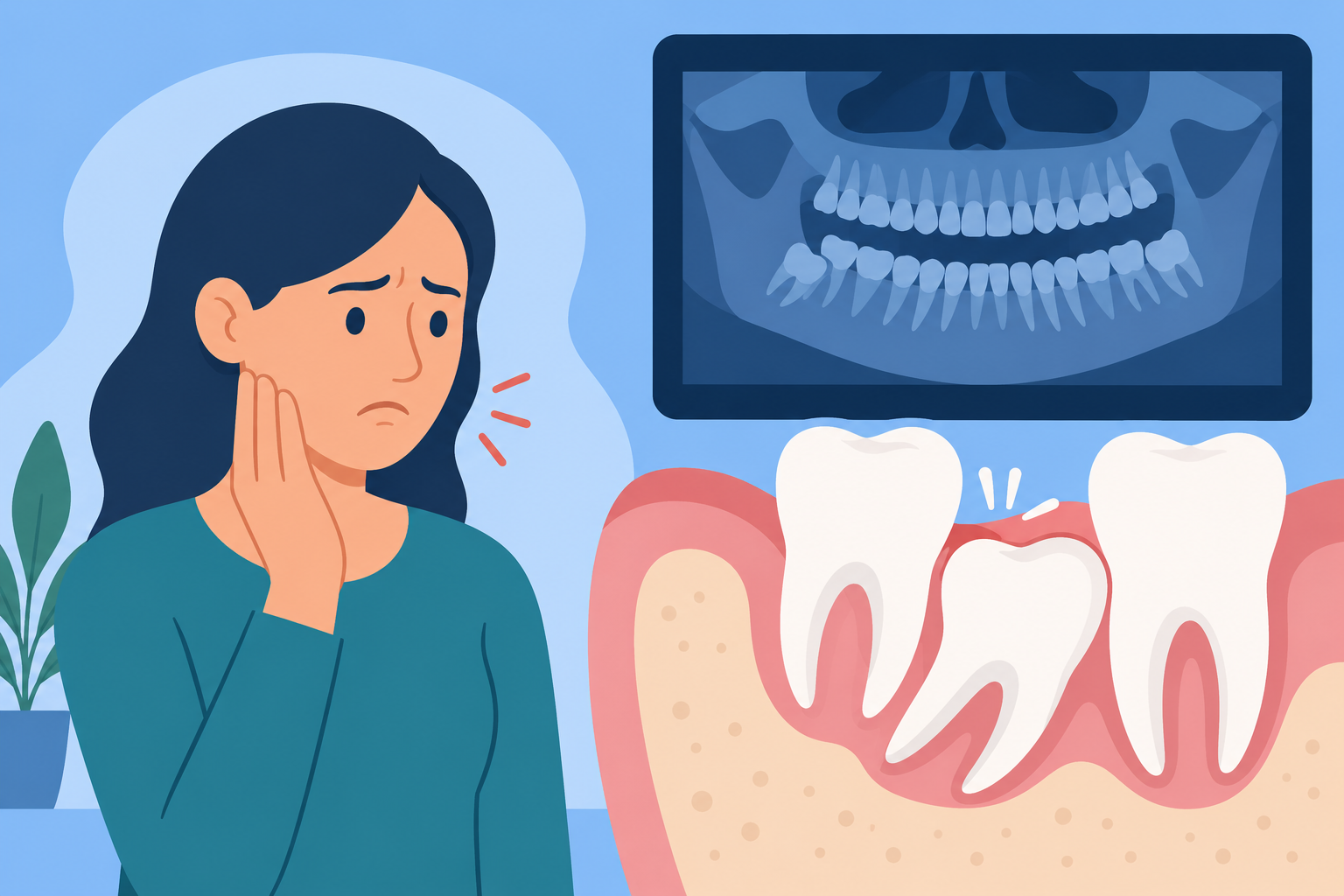
Most people expect wisdom teeth to emerge in their late teens or early twenties, but sometimes these molars appear much later—even in your 30s. While this is less common, late-blooming wisdom teeth can present unique challenges for adults who may not anticipate them. Understanding why they erupt later, the potential complications, and how to manage them can help protect your oral health.
How Wisdom Teeth Develop
Wisdom teeth, or third molars, are the last teeth to develop. For many, they appear between ages 17 and 25. However, genetics, jaw structure, and overall dental health can affect the timing. Some adults notice wisdom teeth gradually emerging in their late twenties or even thirties.
Jaw size plays a major role. Smaller jaws may not have enough space, which can lead to impacted teeth. Larger jaws, on the other hand, may allow late eruptions without immediate problems. In some cases, third molars develop slowly and only become visible once fully matured.
Recognizing the Signs
Late-blooming wisdom teeth often present familiar symptoms, including:
- Pain or discomfort at the back of the mouth
- Redness and swelling around the gums
- Stiffness in the jaw that can affect speaking or chewing
- Ear discomfort, caused by pressure on nearby nerves, which is sometimes mistaken for an ear infection.
The severity of these symptoms depends on whether the teeth are partially impacted or fully erupted.
Why Some Teeth Erupt Later
Several factors influence delayed eruption:
- Slow Development: Some wisdom teeth naturally take longer to emerge.
- Genetics: Family history can impact timing.
- Jaw Space: Adults with larger jaws may experience late eruptions with minimal complications.
- Orthodontic History: Previous braces or dental interventions can affect eruption timing.
Recognizing these factors helps adults anticipate potential issues and make informed decisions about preventive care.
Complications That Can Arise
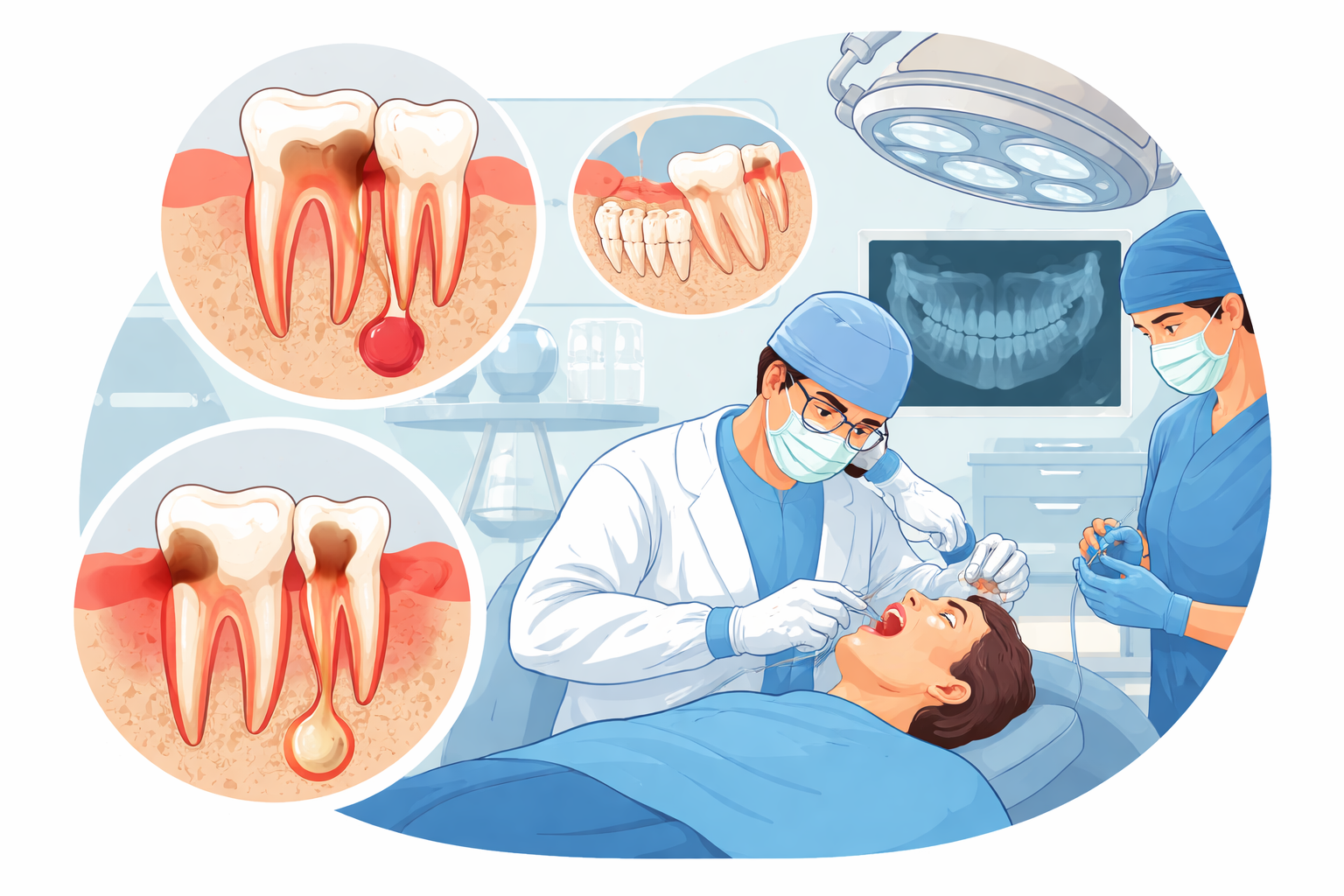
Adults may face higher risks from late-blooming wisdom teeth because the jaw is less adaptable. Common complications include:
- Impaction: Teeth trapped under the gum line can cause pain, infection, or misalignment.
- Crowding: Erupting molars may push other teeth out of alignment.
- Gum Infections: Partially erupted teeth create spaces for bacteria to accumulate.
- Jaw Stress: Adults may experience discomfort due to reduced elasticity in the jawbone.
Surgical removal is often necessary when these issues arise, with sedation and other comfort options available.
Managing Late Eruptions
Even in your 30s, wisdom teeth can be managed effectively.
Monitoring Development
Regular dental visits and X-rays help track tooth development, ensuring any problems are addressed early.
Maintaining Oral Hygiene
Brushing and flossing around erupting teeth is essential. Antibacterial rinses can also reduce the risk of infection.
Pain Relief
Over-the-counter medications, topical gels, or warm saltwater rinses may provide temporary relief for mild discomfort.
Considering Extraction
Extraction may be recommended for impacted teeth or if they interfere with surrounding teeth. Adults can recover effectively, though healing times may vary. Determining the ideal age for removal is important.
Recovery Care
After extraction, rest, dietary adjustments, and monitoring for swelling are crucial. Proper sleep supports healing. Smoking can slow recovery and increase the risk of complications.
Long-Term Impacts
Late-blooming wisdom teeth may affect long-term oral health if left unmanaged. Adults face slightly higher risks of complications, especially with impacted teeth or misalignment. With timely care, however, most adults maintain healthy teeth and gums. Jaw surgery or extraction often leads to improved alignment and reduced risk of infection.
Preventive Measures
Even if your wisdom teeth emerge later, you can take steps to minimize issues:
- Keep regular dental appointments
- Maintain thorough oral hygiene
- Address discomfort early to prevent infections
- Consult an oral surgeon if X-rays show potential impaction
Proactive care ensures that late-blooming teeth do not compromise your oral health.
When to Seek Professional Care
Persistent pain, swelling, or difficulty opening your mouth are signs that professional evaluation is needed. Early intervention can prevent more complex procedures later and preserve the alignment of your other teeth.
Conclusion
Late-blooming wisdom teeth are not unusual and don’t always cause serious problems. Recognizing the signs, understanding the causes, and managing complications proactively allow adults to maintain optimal oral health. With proper monitoring, hygiene, and timely intervention, late wisdom teeth can be managed effectively, ensuring a healthy smile well into adulthood.
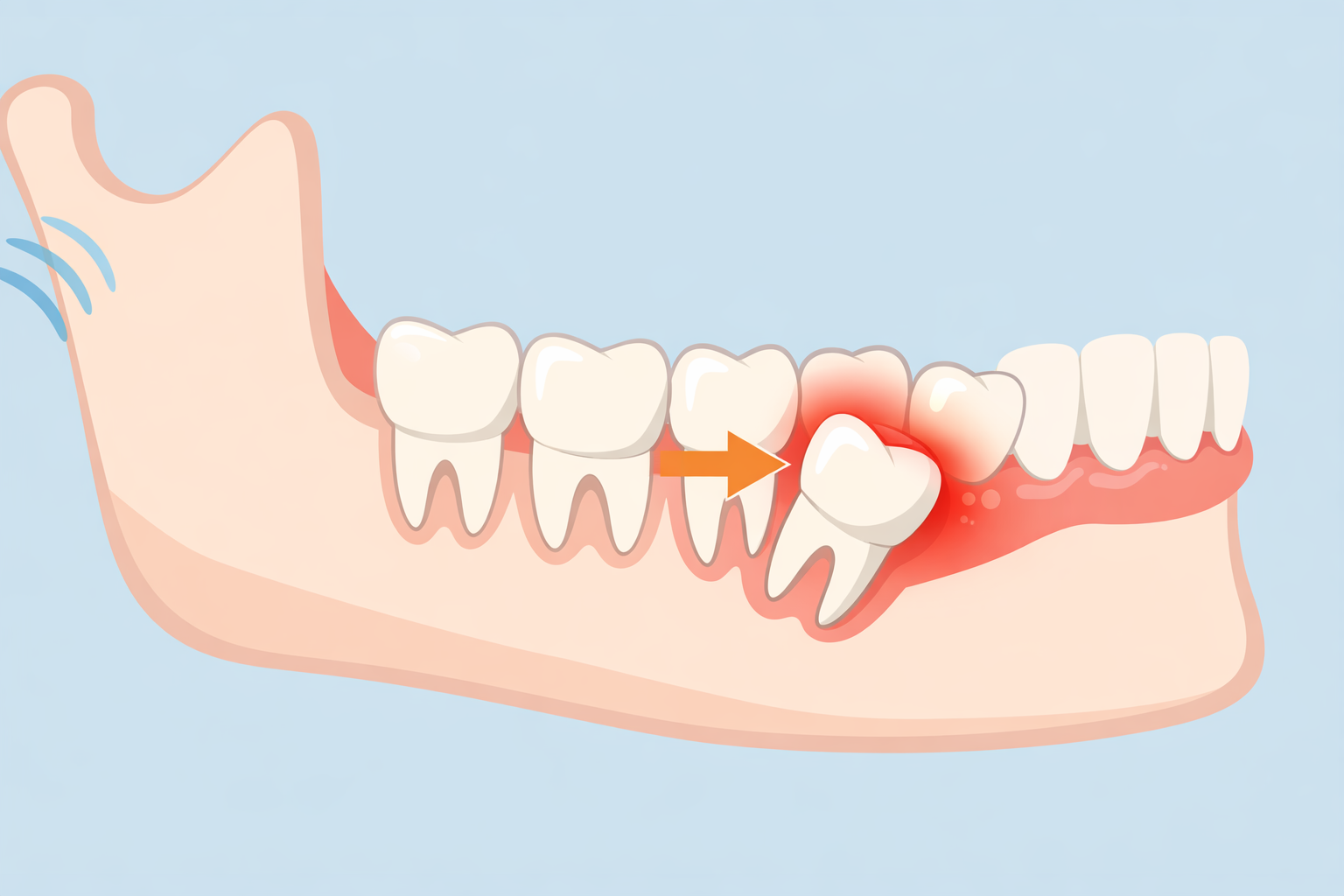
What Really Happens If You Don’t Remove Problem Wisdom Teeth
January 16, 2026
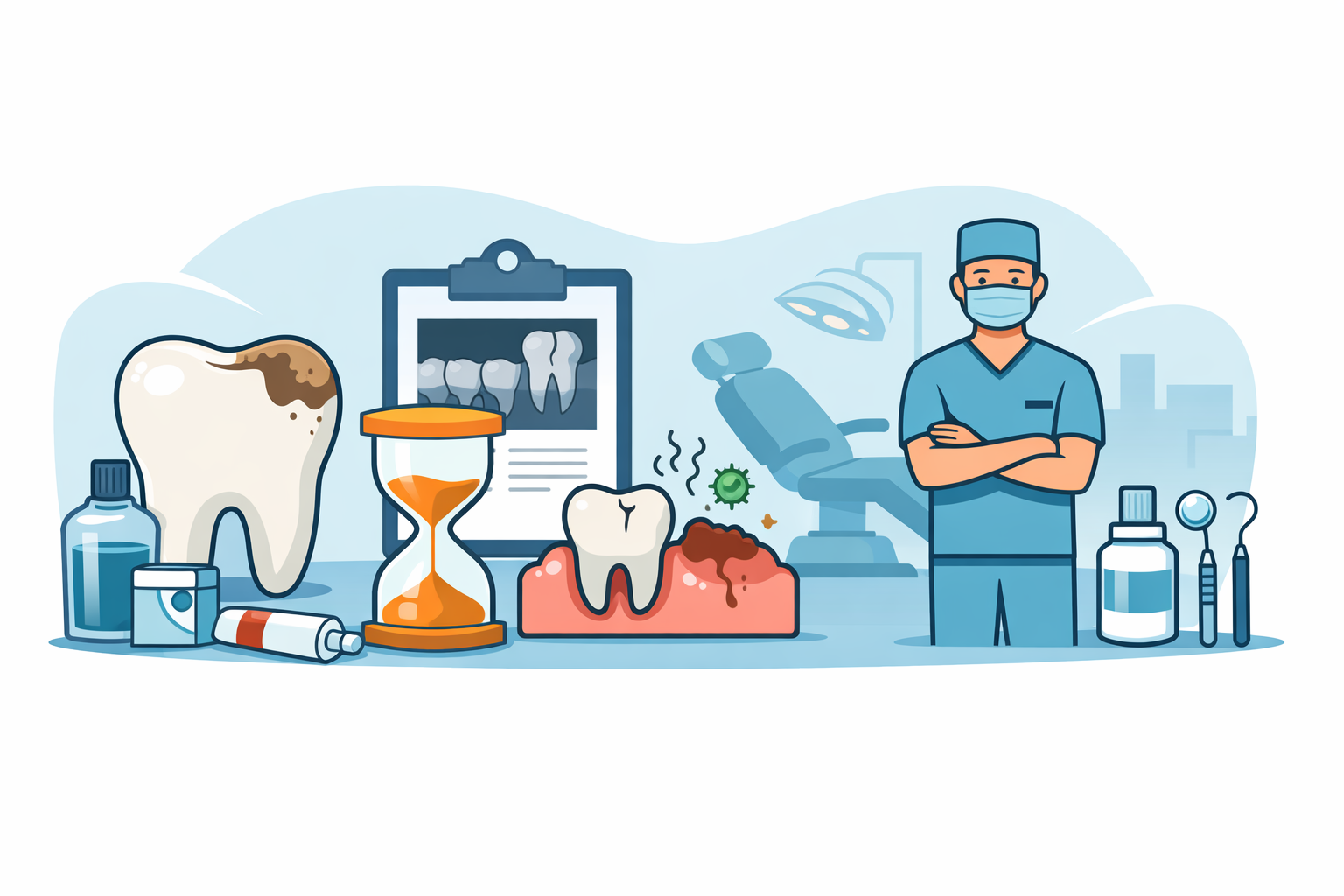
What Happens When You Skip Regular Dental Checkups?
March 5, 2026
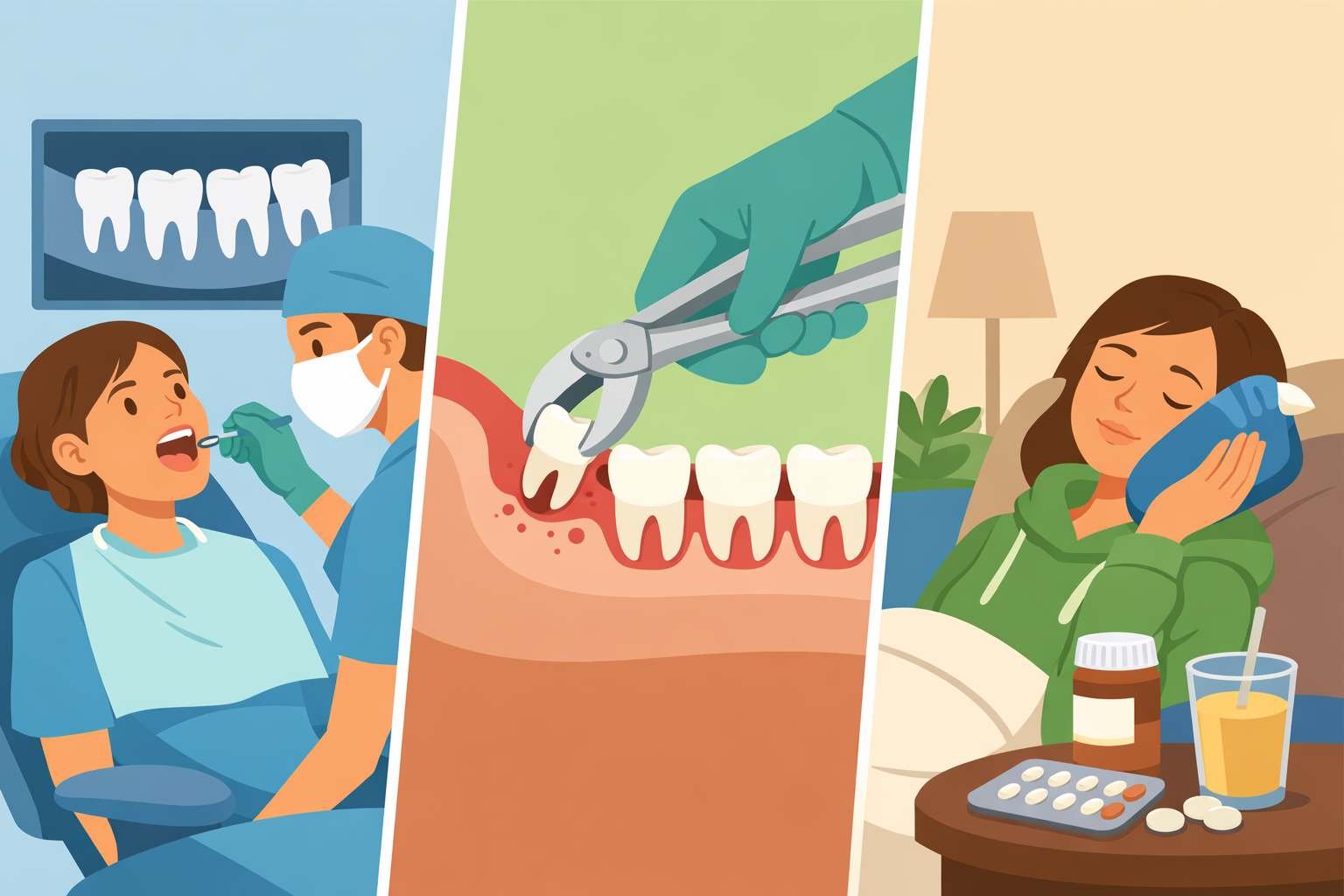
Wisdom Teeth Extraction: A Step-by-Step Patient Guide
February 6, 2026

Oral Surgery vs. General Dentistry: What Patients Should Really Know
January 8, 2026
How Untreated Dental Problems Can Turn Into Major Oral Surgery
January 26, 2026