Can You Stay Awake During Wisdom Tooth Removal? Here’s the Honest Answer
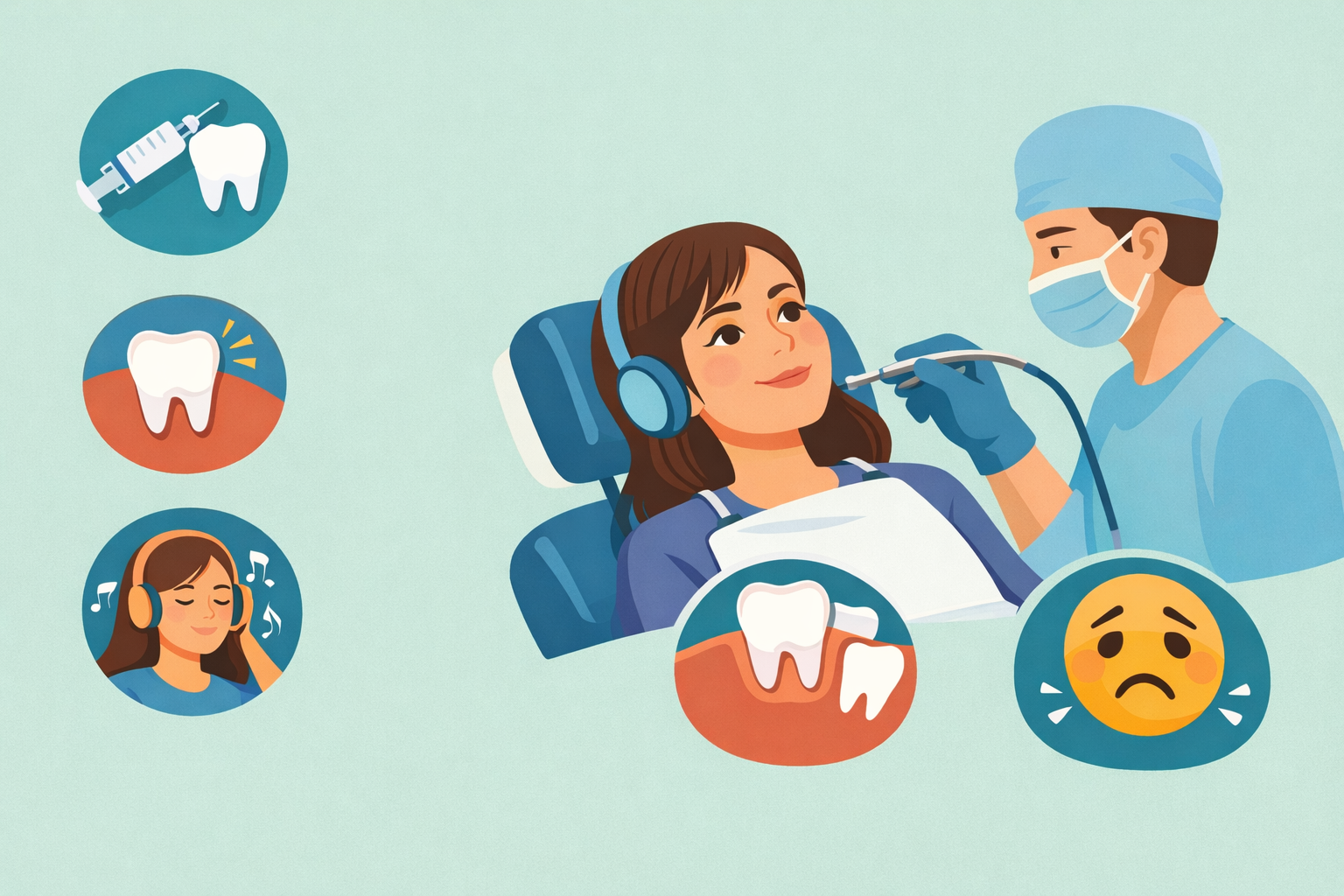
If you’ve been told you need your wisdom teeth removed, one of the first questions that comes up is whether you’ll be awake during the procedure. For many patients, uncertainty around anesthesia causes more stress than the surgery itself.
The reality is that wisdom tooth removal is highly customizable. Some patients remain fully awake, others are deeply relaxed but responsive, and some sleep through the entire procedure. The right approach depends on your comfort level, the condition of your wisdom teeth, and the complexity of the extraction.
Understanding your options makes the process far less intimidating. Let’s break down what staying awake really means, how anesthesia works, and how oral surgeons ensure a safe and comfortable experience from start to finish.
What Staying Awake Actually Means
Staying awake during wisdom tooth removal doesn’t mean feeling pain or enduring discomfort. It simply means you’re conscious while the surgical area is completely numb.
Awake Doesn’t Mean Painful
With local anesthesia, nerves around the tooth are blocked, preventing pain signals from reaching your brain. You may notice pressure or movement, but pain should not be present at any point.
Many patients who expect the worst are surprised by how manageable the experience feels once the procedure begins. Clear communication from the surgical team helps keep anxiety low and expectations realistic.
Why Some Patients Prefer Staying Awake
Some patients choose to stay awake to avoid deeper sedation, reduce recovery time, or because their extraction is straightforward. When wisdom teeth are not severely impacted and show no signs of complications, staying awake can be a practical and comfortable option.
Anesthesia Options for Wisdom Tooth Removal
Anesthesia is tailored to the patient, not the other way around. Oral surgeons evaluate each case carefully before recommending the most appropriate method.
Local Anesthesia
Local anesthesia numbs the surgical area while you remain fully alert. This approach works well for erupted or mildly impacted wisdom teeth and allows for a faster recovery.
Dentists often recommend early intervention when subtle symptoms appear, similar to those outlined in early signs that indicate changes around third molars before they become more serious.
Oral Sedation
Oral sedation helps patients relax while remaining conscious. Many people feel drowsy and remember little of the procedure afterward, making it a good balance between awareness and comfort.
IV Sedation
IV sedation places you in a deeply relaxed state. While you’re technically awake, most patients have little to no memory of the procedure. This option is commonly used for patients with anxiety or multiple extractions.
General Anesthesia
General anesthesia is reserved for complex cases where full unconsciousness is necessary. While effective, it’s not required for most wisdom tooth removals.
What You’ll Feel If You Stay Awake
Knowing what sensations to expect helps reduce fear and tension before surgery.
Pressure Is Normal
You may feel pressure, movement, or vibration as the tooth is removed. These sensations are not painful and are a normal part of the process.
If discomfort occurs, oral surgeons can immediately administer additional anesthesia to keep you comfortable.
Awareness Without Distress
Some patients are concerned about sounds or awareness during surgery. Simple measures like calming music or focused breathing can make the experience feel shorter and less intense.
When Staying Awake May Not Be Ideal
Although staying awake works well for many patients, certain situations call for deeper sedation.
Impacted or Complicated Teeth
Wisdom teeth that are fully impacted or positioned near nerves require more extensive surgical work. In these cases, sedation helps maintain comfort and precision.
Signs of Infection
If a wisdom tooth shows swelling, persistent pain, or drainage, it may indicate infection. Conditions similar to those described in infected wisdom teeth cases often benefit from sedation to manage inflammation and discomfort effectively.
High Dental Anxiety
For patients with severe anxiety or past dental trauma, staying awake may increase stress rather than reduce it. Sedation creates a calmer experience and allows the surgeon to work efficiently.
How Oral Surgeons Choose the Right Approach
Anesthesia decisions are based on a combination of clinical evaluation and patient preference.
Medical and Dental History
Health conditions, medications, and previous anesthesia experiences are reviewed carefully to ensure safety.
Tooth Position and Quantity
Removing a single erupted tooth is very different from extracting four impacted wisdom teeth. The complexity of the procedure directly influences anesthesia recommendations.
Patient Comfort Level
Your comfort matters. Even simple extractions may involve sedation if anxiety levels are high.
Recovery Differences Based on Anesthesia
Recovery expectations vary depending on whether you stay awake or receive sedation.
Local Anesthesia Recovery
Patients who stay awake often recover more quickly. There’s no grogginess, and normal activities can usually resume sooner with proper aftercare.
Sedation Recovery
Sedation requires additional rest and transportation home. Full alertness may take several hours, and post-operative instructions must be followed carefully.
Cost Considerations and Anesthesia Choices
Cost is another factor patients often consider.
Anesthesia and Procedure Costs
Local anesthesia is generally the most affordable option, while IV sedation and general anesthesia increase overall expenses. Many patients review wisdom tooth costs ahead of time to understand how anesthesia choices affect total pricing.
Insurance Coverage Questions
Coverage varies depending on medical necessity and plan details. Similar questions arise when patients explore insurance coverage for other oral surgery procedures.
Common Myths About Staying Awake
Misinformation often fuels fear around wisdom tooth surgery.
Myth: Staying Awake Means Pain
Pain control is effective regardless of anesthesia type. Staying awake does not mean enduring discomfort.
Myth: Everyone Needs Sedation
Many wisdom tooth removals are safely and comfortably completed using only local anesthesia.
Preparing for a Comfortable Experience
Preparation plays a big role in how smooth the procedure feels.
Ask the Right Questions
Understanding the process helps reduce anxiety and sets clear expectations.
Follow Pre-Op Instructions
Even with local anesthesia, proper preparation supports smoother healing and reduces complications.
Plan Your Recovery
Soft foods, proper hygiene, and rest help ensure a faster and more comfortable recovery.
Final Thoughts
Staying awake during wisdom tooth removal is not only possible—it’s often a comfortable and efficient option. The best choice depends on your specific situation, including tooth position, anxiety level, and overall health.
An experienced oral surgeon will guide you toward the safest and most comfortable approach, ensuring that your experience is far easier than you might expect.

7-Day Meal Plan After Wisdom Tooth Surgery Recovery
April 23, 2026
Why Wisdom Teeth Removal Costs Vary
May 21, 2026

How to Choose a Trusted Wisdom Tooth Removal Clinic
April 20, 2026

When Dentists Refer You to an Oral Surgeon: What to Expect
March 17, 2026
10 Common Myths About Wisdom Tooth Removal
November 12, 2025