Mouthwash and Wisdom Teeth: What Really Works
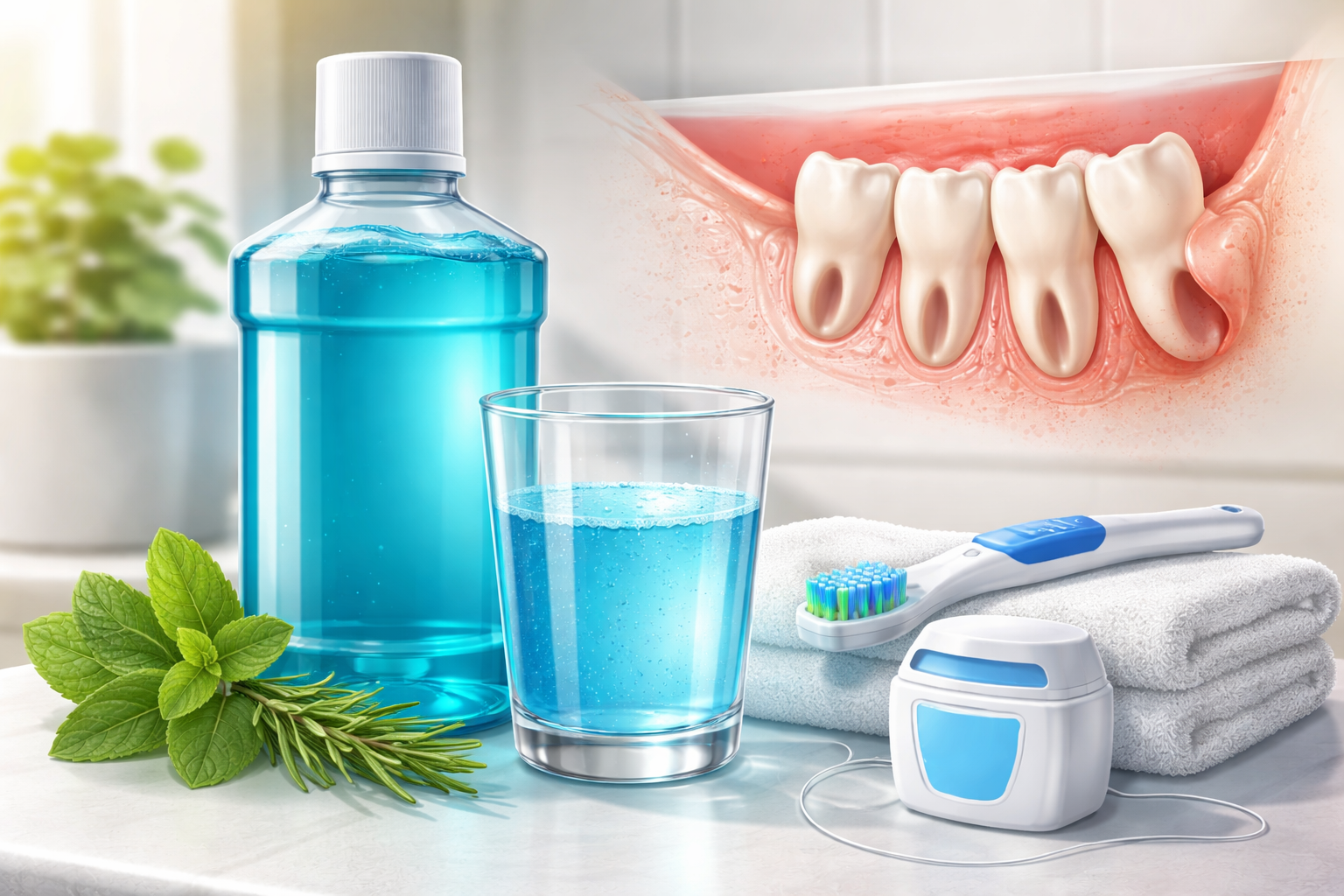
When it comes to caring for your wisdom teeth, many people underestimate the power of a good oral hygiene routine. While brushing and flossing are essential, incorporating the right mouthwash can make a significant difference in preventing infections, reducing inflammation, and promoting healing after extraction. Understanding which types of mouthwash work best—and when to use them—can save you from long-term complications like misalignment, swollen gums, or even dry socket.
In this article, we’ll explore how mouthwash interacts with wisdom teeth, the best products to consider, and practical tips to maintain oral health. We’ll also naturally reference important resources on common wisdom tooth issues for a comprehensive understanding.
Why Mouthwash Matters for Wisdom Teeth
Wisdom teeth are notorious for creating dental challenges. Their position at the back of the mouth makes them difficult to clean properly, often leading to trapped food particles and bacterial buildup. Using mouthwash can provide an additional layer of protection, reaching areas that brushing and flossing may miss.
Mouthwash serves multiple purposes: it reduces bacteria, soothes inflammation, and promotes faster healing. For example, patients who experience swollen gums around their wisdom teeth often notice improved comfort when incorporating an antimicrobial rinse into their routine.
Types of Mouthwash and Their Benefits
Not all mouthwashes are created equal. Choosing the right type depends on your oral health needs and whether your wisdom teeth are fully erupted, partially impacted, or recently extracted.
Antimicrobial Mouthwash
Antimicrobial mouthwashes, often containing chlorhexidine, help reduce bacterial growth. These are particularly useful for patients recovering from extraction or dealing with gum irritation. If you’ve recently experienced dry socket after wisdom teeth removal, using a chlorhexidine rinse as prescribed by your dentist can prevent infection and support healing.
Fluoride Mouthwash
Fluoride rinses strengthen enamel and help prevent cavities, which is crucial for wisdom teeth that are hard to reach with a toothbrush. While they don’t directly address inflammation, fluoride mouthwashes are a strong preventative measure for long-term dental health.
Saltwater Rinse
A simple saltwater rinse can be surprisingly effective. It’s gentle, inexpensive, and excellent for reducing minor swelling or discomfort around wisdom teeth. Patients with mild gum soreness often find saltwater rinses helpful before transitioning to stronger, medicated mouthwashes.
Timing and Technique for Using Mouthwash
Using mouthwash correctly is just as important as choosing the right type. Timing, frequency, and technique can influence effectiveness and safety.
- After Brushing: Always rinse after brushing, not before. This ensures that fluoride from toothpaste remains on your teeth.
- Avoid Swallowing: Mouthwash is meant to rinse, not ingest. Swallowing can cause irritation or digestive discomfort.
- Frequency: Twice a day is generally sufficient unless otherwise recommended by your dentist. Overuse can disrupt the natural balance of oral bacteria.
- Gentle Swishing: Aggressive swishing can irritate sensitive areas, especially after extraction. A gentle, thorough rinse is more effective and safer.
Special Considerations After Extraction
If your wisdom teeth have been removed, mouthwash use requires careful attention. Immediately after surgery, it’s best to avoid strong or alcohol-based rinses to prevent disturbing the blood clot that forms in the socket. Disturbing this clot can lead to dry socket, a painful condition that delays healing. Once your dentist gives the go-ahead, incorporating an antimicrobial or saltwater rinse can support recovery and reduce the risk of infection.
Addressing Common Wisdom Teeth Issues with Mouthwash
Swollen Gums
Swollen gums around wisdom teeth can be painful and prone to infection. Using an antimicrobial mouthwash helps reduce bacteria and soothe irritation, complementing gentle brushing and flossing.
Misalignment
While mouthwash cannot correct misaligned wisdom teeth, it can help prevent infections and inflammation that might exacerbate misalignment issues. Regular oral hygiene reduces the likelihood of needing complex dental procedures later. For more insight, you can read about how wisdom teeth cause misalignment.
Retained Teeth
Long-term problems with retained wisdom teeth often involve chronic discomfort or infection. Incorporating mouthwash as part of a consistent oral care routine can reduce bacteria and minimize complications, ensuring retained teeth are less likely to cause severe issues over time.
Choosing the Right Mouthwash for You
Selecting the best mouthwash requires considering your current dental health, whether you have active gum issues, and if you’re recovering from extraction.
- For Prevention: A fluoride rinse protects enamel and reduces decay risks.
- For Healing: Chlorhexidine or antimicrobial rinses help fight infection after surgery.
- For Comfort: Saltwater rinses reduce swelling and soothe irritated tissue.
Always consult your dentist before making significant changes to your oral care routine, especially if you’ve had recent wisdom teeth surgery or have underlying dental concerns.
Additional Tips for Optimal Wisdom Teeth Care
Mouthwash is only one part of a comprehensive oral hygiene strategy. For best results:
- Brush twice daily with a soft-bristled toothbrush.
- Floss carefully to remove trapped food particles.
- Schedule regular dental checkups to monitor wisdom teeth.
- Avoid smoking or consuming alcohol immediately after extraction, as these can delay healing.
In combination with proper brushing and flossing, mouthwash is a powerful tool in preventing complications such as dry socket, swollen gums, or long-term issues with retained teeth.
Final Thoughts
Wisdom teeth require diligent care, and mouthwash can play an important role in maintaining oral health. By selecting the right type and using it correctly, you can reduce pain, prevent infection, and support long-term dental health. Whether dealing with swelling, misalignment, or post-extraction recovery, incorporating mouthwash into your routine is a simple yet effective strategy to keep your mouth healthy and comfortable.
Taking care of your wisdom teeth with thoughtful oral hygiene habits not only helps prevent common problems but also ensures a smoother recovery and a healthier smile for years to come.
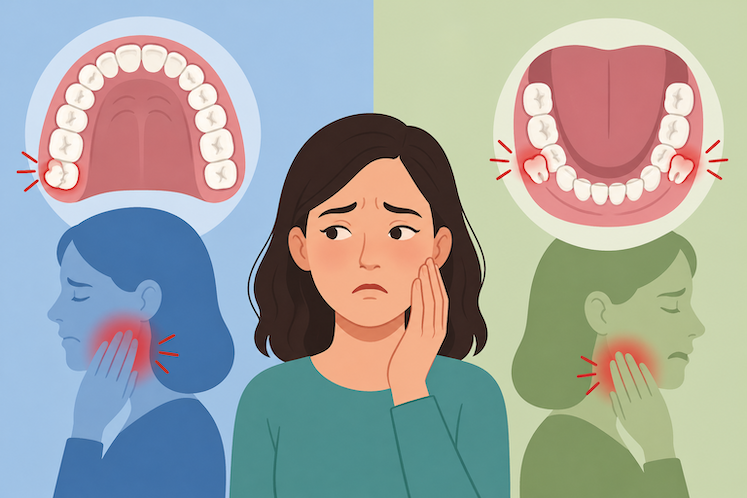
Upper vs. Lower Wisdom Teeth: Why the Pain Feels Different
April 29, 2026
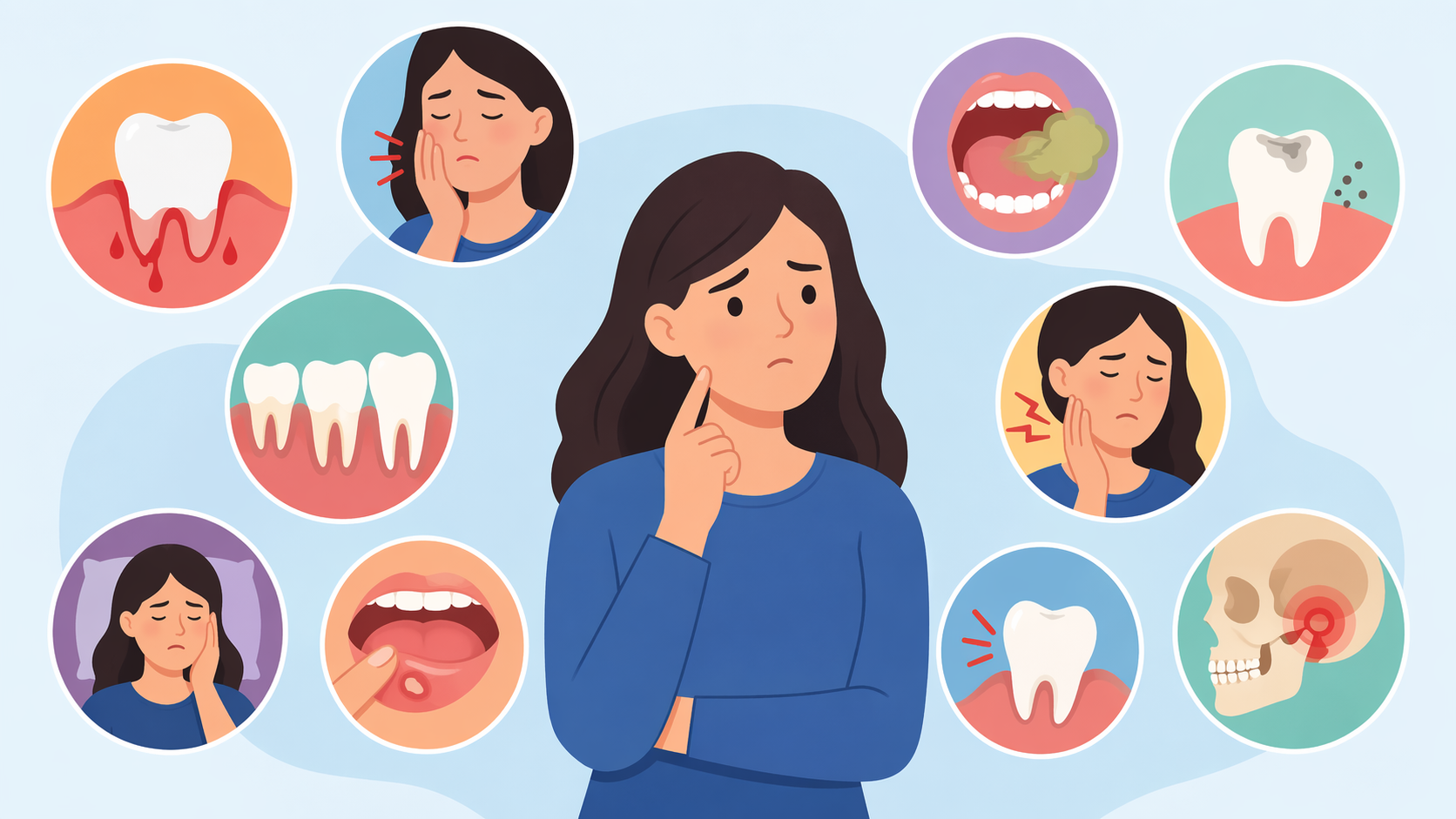
Early Warning Signs of Poor Oral Health You Should Know
April 21, 2026
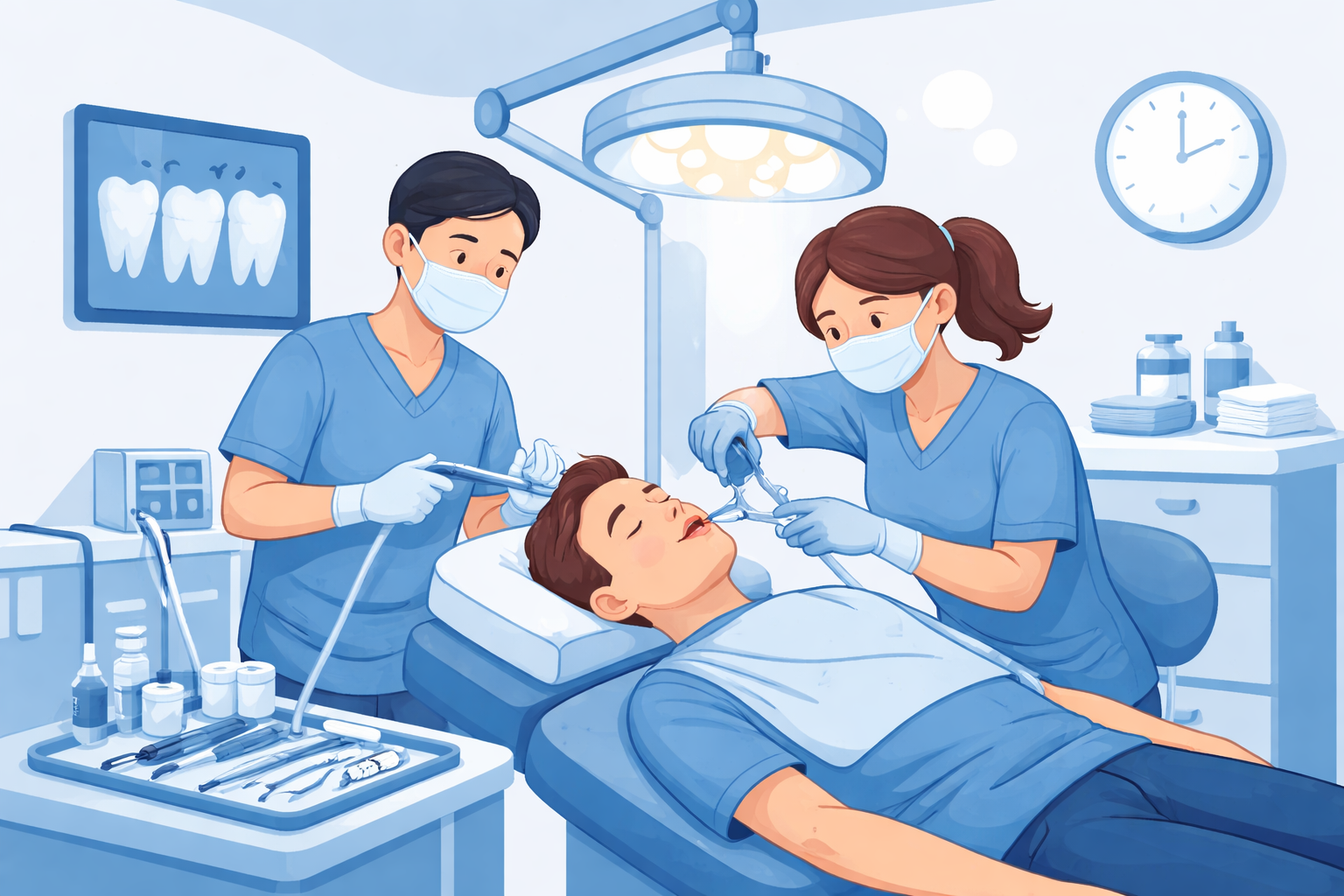
How Long Does Wisdom Tooth Surgery Really Take?
February 20, 2026
Signs You May Need a Deep Dental Cleaning
May 7, 2026

How to Sleep After Wisdom Tooth Surgery Fast
February 25, 2026