How to Choose a Wisdom Tooth Clinic
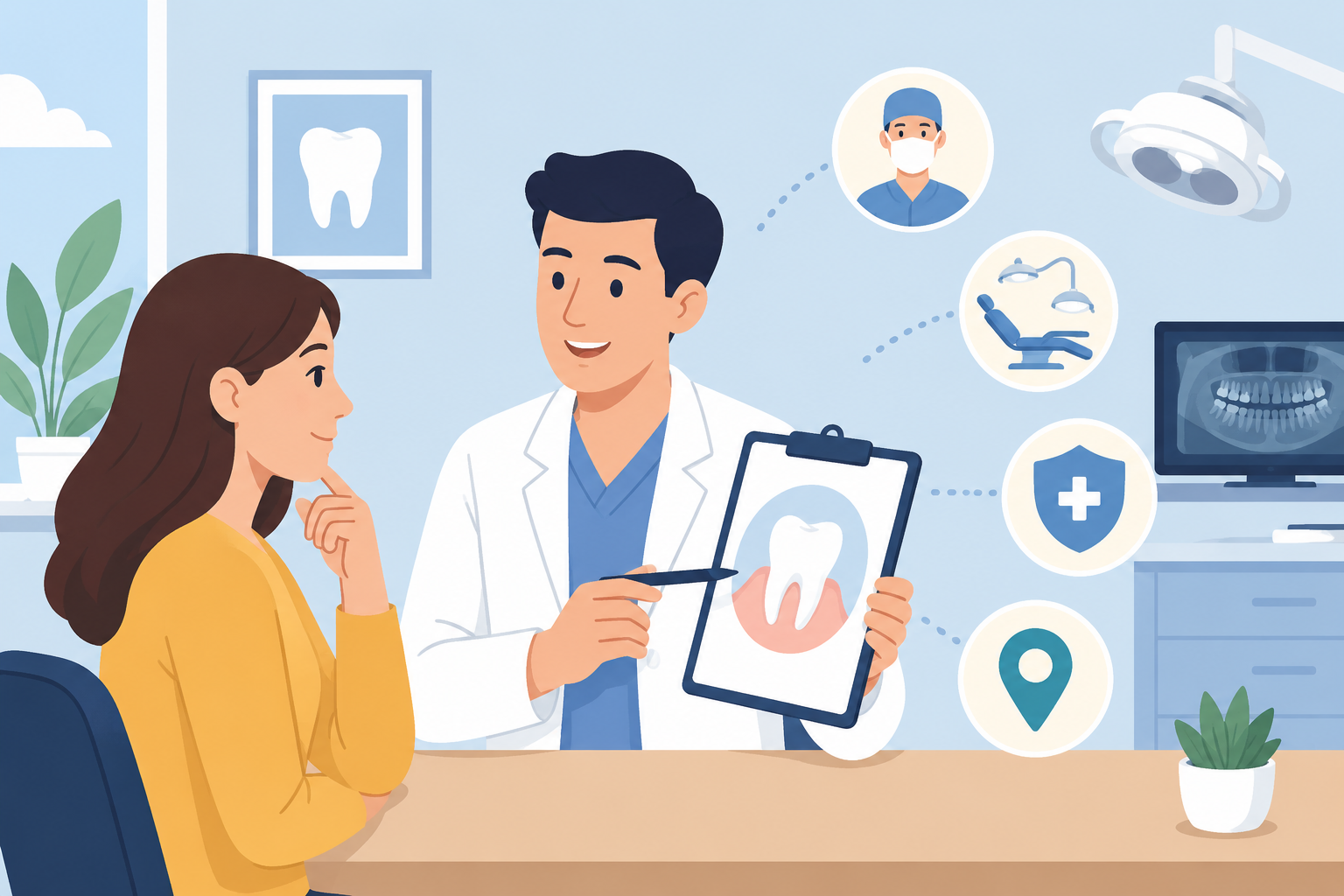
Choosing where to have your wisdom teeth removed is not a decision most people take lightly—and for good reason. Wisdom tooth removal is one of the most common oral surgical procedures, yet the quality of care can vary significantly from one clinic to another. The right clinic does more than remove teeth; it minimizes risk, manages pain effectively, and supports proper healing from start to finish.
Whether you are dealing with impacted teeth, recurring pain, or preventive removal, selecting the right clinic can make the difference between a smooth recovery and unnecessary complications. Understanding what truly matters—beyond price or proximity—helps you move forward with confidence and clarity.
This article walks through the most important factors to consider when choosing a clinic for wisdom tooth removal, explained in a practical, patient-focused way.
Why Choosing the Right Clinic Matters More Than You Think
Wisdom teeth are unlike other teeth. They often grow at odd angles, remain partially erupted, or become trapped beneath the gums or jawbone. These factors increase the complexity of removal and elevate the risk of complications when not handled properly.
A qualified clinic evaluates more than just the tooth itself. The dentist or oral surgeon considers nerve positioning, jaw structure, sinus proximity, and overall oral health. Procedures involving impacted teeth are often classified as an odontectomy, a surgical approach that requires advanced training and precision.
Choosing a clinic equipped to manage these complexities reduces pain, shortens recovery time, and protects your long-term oral health.
Credentials and Experience Should Be Non-Negotiable
Oral Surgeon vs. General Dentist
Not all wisdom tooth removals are the same. While some fully erupted teeth can be removed by a general dentist, impacted or partially erupted wisdom teeth often require an oral and maxillofacial surgeon.
A reputable clinic clearly communicates who performs the procedure and their qualifications. Board certification, hospital affiliations, and years of surgical experience all matter—especially when nerves and jawbone are involved.
Experience With Complex Cases
Ask whether the clinic regularly handles complex extractions. Clinics that also perform procedures such as jaw surgery typically have a deeper understanding of facial anatomy, anesthesia management, and post-operative care. This experience translates into safer wisdom tooth removals, even when complications arise.
Technology and Imaging Capabilities Make a Real Difference
Advanced Diagnostics Improve Outcomes
Modern wisdom tooth removal relies heavily on diagnostic imaging. Clinics that use 3D cone beam CT scans can precisely map tooth position, nerve pathways, and bone density. This reduces surgical guesswork and lowers the risk of nerve injury or incomplete removal.
If a clinic relies only on basic X-rays for complex extractions, that is a red flag. High-quality imaging supports better planning and more predictable results.
Sterilization and Surgical Standards
A professional clinic maintains hospital-grade sterilization protocols, surgical rooms, and monitoring equipment. These standards are not just about cleanliness; they directly affect infection rates and patient safety.
Anesthesia Options and Patient Comfort
Understanding Sedation Choices
Wisdom tooth removal can be performed different types of anesthesia under local anesthesia, IV sedation, or general anesthesia. The right option depends on your anxiety level, pain tolerance, and the complexity of the extraction.
A trustworthy clinic explains each option clearly, including benefits, risks, and recovery expectations. Clinics experienced in sedation dentistry are better equipped to manage patient comfort and safety throughout the procedure.
Monitoring and Emergency Preparedness
Sedation requires proper monitoring. Clinics should have trained staff, oxygen systems, and emergency protocols in place. These measures are standard in clinics that also manage advanced procedures such as bite correction, where anesthesia safety is critical.
Clear Treatment Planning and Transparent Communication
Personalized Evaluations Matter
Avoid clinics that offer a one-size-fits-all approach. A quality clinic performs a comprehensive evaluation, discusses whether removal is necessary now or later, and explains the reasoning behind the recommendation.
You should understand:
- Why removal is needed
- What type of extraction is planned
- Expected recovery time
- Possible risks and how they are managed
Written Instructions and Follow-Up Care
Post-operative care plays a major role in healing. Clinics should provide clear, written aftercare instructions and be available to address concerns during recovery. Patients often confuse normal healing symptoms with complications, especially when dealing with swelling or bleeding gums, making access to professional guidance essential.
Reviews, Reputation, and Patient Feedback
Look Beyond Star Ratings
Online reviews offer insight, but focus on patterns rather than isolated comments. Consistent praise for professionalism, cleanliness, pain management, and communication is a positive sign.
Pay attention to how clinics respond to negative feedback. Professional, solution-oriented responses indicate accountability and patient care commitment.
Referrals From Dental Professionals
Referrals from your general dentist or orthodontist often point to clinics with proven outcomes. Dental professionals typically refer patients only to surgeons they trust with complex cases.
Cost Transparency and Insurance Support
Clear Pricing Builds Trust
Wisdom tooth removal costs vary based on complexity, sedation, and imaging needs. Reputable clinics provide detailed estimates upfront, explaining what is included and what may be billed separately.
Avoid clinics that are vague about pricing or unwilling to discuss costs until after the procedure.
Insurance Coordination Saves Time
Experienced clinics assist with insurance verification and claims. They understand how dental and medical insurance overlap for surgical extractions and help patients maximize benefits without confusion.
Location, Accessibility, and Emergency Availability
Convenience Still Matters
While expertise should come first, location plays a role—especially when follow-up visits or post-operative concerns arise. A clinic that is easy to reach reduces stress during recovery.
After-Hours Support
Complications are rare, but when they occur, timely support matters. Clinics that offer emergency contact options or extended availability demonstrate a commitment to patient safety beyond business hours.
Signs You’ve Found the Right Clinic
When you find the right clinic, you will notice:
- Clear explanations without pressure
- Transparent pricing and insurance guidance
- Advanced imaging and modern facilities
- Experienced surgical providers
- Responsive follow-up care
Most importantly, you will feel informed and respected throughout the process.
Final Thoughts
Wisdom tooth removal is a common procedure, but it should never feel routine or rushed. Choosing the right clinic means choosing safety, comfort, and long-term oral health. By focusing on credentials, technology, communication, and patient-centered care, you can move forward with confidence and avoid unnecessary complications.
A well-chosen clinic does more than remove teeth—it supports your recovery, protects your smile, and ensures the experience is as smooth as possible.
Impacted Wisdom Teeth: Symptoms You Shouldn’t Ignore
February 27, 2026
How Long Do Gums Take to Fully Heal After Surgery?
April 28, 2026
Wisdom Tooth Removal Cost Guide: 2026 Price Breakdown
February 17, 2026

Book Your Dental Implant Consultation: What to Expect & How to Prepare
April 13, 2026
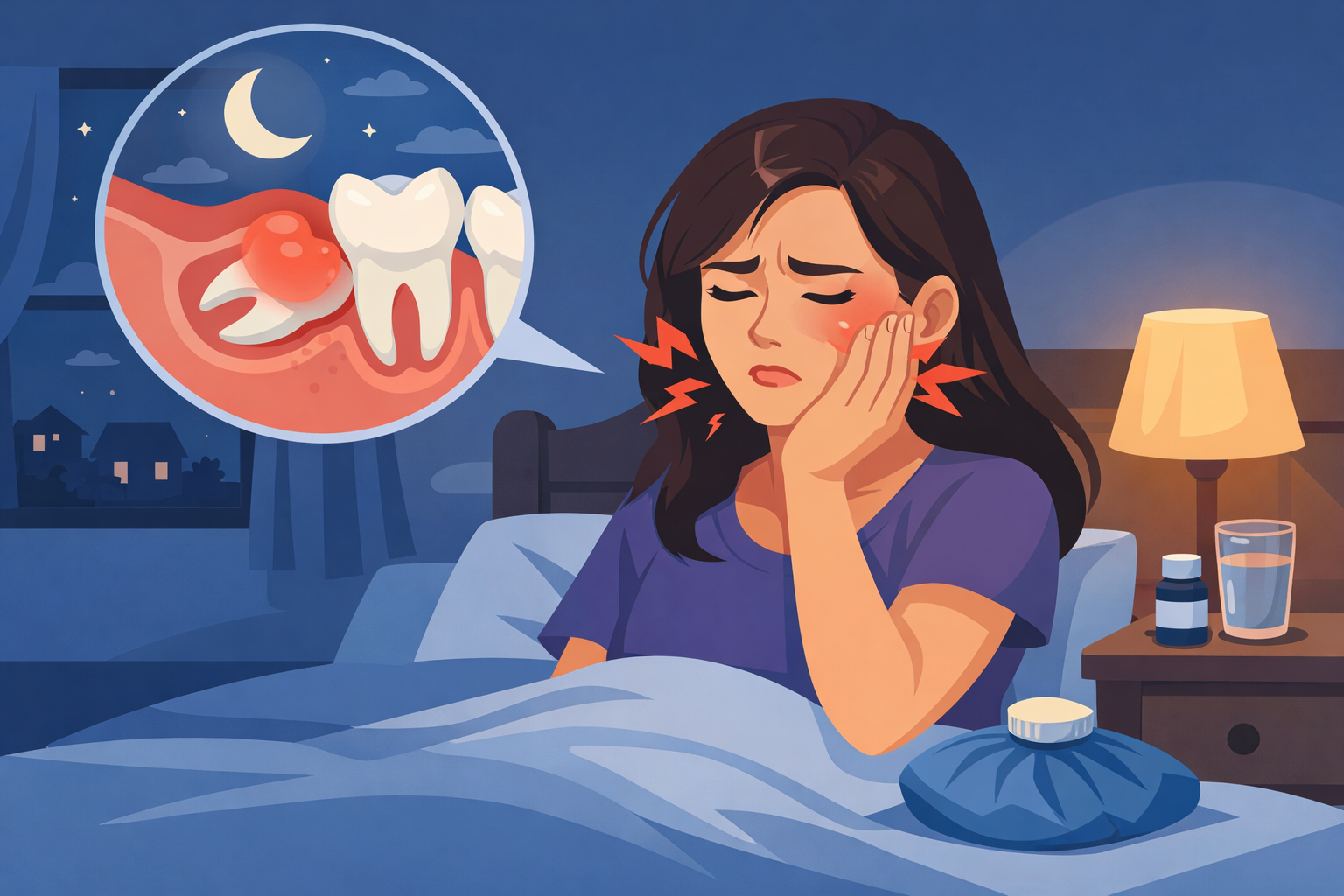
Why Wisdom Tooth Pain Gets Worse at Night
March 30, 2026