Hospital vs. Private Clinics: Choosing the Right Oral Surgery Setting
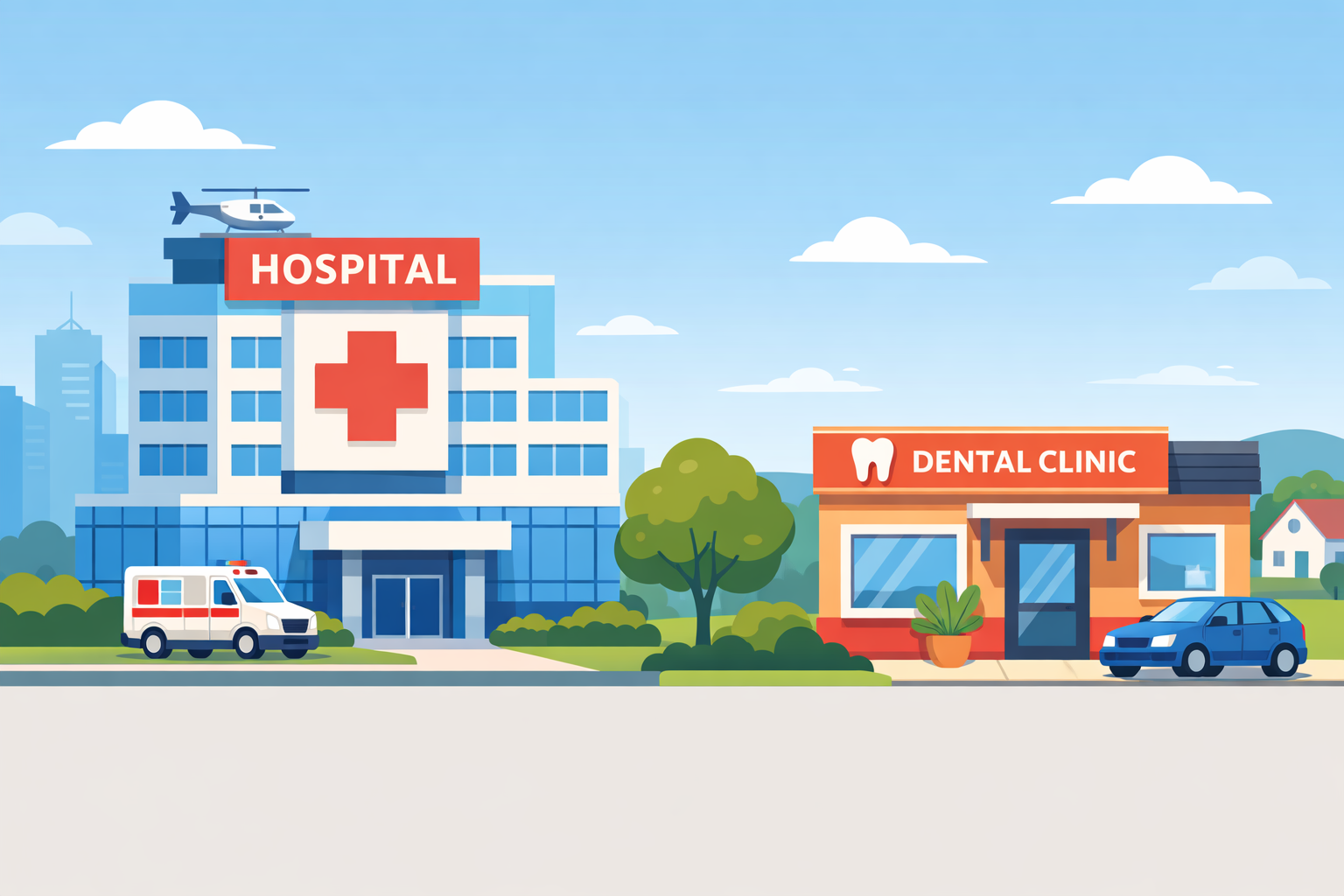
When it comes to oral surgery, patients often face a critical decision: should they have their procedure done in a hospital or a private clinic? Both settings offer professional care, but there are important differences that can impact your safety, comfort, and overall experience. Understanding these differences can help you make a confident decision for your oral health.
This article will break down the pros and cons of each option, the types of procedures best suited for each, and what you should consider before scheduling oral surgery.
Understanding the Two Settings
Oral surgery can be performed in several types of facilities, but the most common are hospitals and private clinics. While both are equipped to handle surgical procedures, the environment, resources, and approach can vary significantly.
Hospitals
Hospitals are large healthcare facilities that offer comprehensive medical support. They are equipped to manage complex cases and emergencies. Hospitals often have specialized departments, including anesthesia, imaging, and emergency care, which makes them ideal for procedures that carry higher risks.
Private Clinics
Private clinics, on the other hand, tend to be smaller and more specialized. They focus on outpatient procedures and are often led by board-certified oral surgeons. The environment is usually more personal, with shorter waiting times and a more relaxed atmosphere.
Comparing Key Factors
When deciding between a hospital and a private clinic, several factors should guide your choice.
Safety and Emergency Readiness
Hospitals excel in handling emergencies. If your procedure involves general anesthesia or has a higher risk of complications, a hospital setting provides immediate access to medical support.
Private clinics are generally safe for routine procedures such as tooth extractions or dental implants. However, for patients with underlying health conditions, hospitals might be the safer choice due to their full-scale emergency capabilities.
Expertise and Specialization
Both hospitals and private clinics employ skilled oral surgeons. However, private clinics often focus exclusively on oral and maxillofacial procedures, which can translate to more specialized care and advanced techniques.
Hospitals may offer a broader range of expertise, including connections to other specialists, which is useful if your procedure is part of a larger treatment plan involving your health beyond dentistry.
Comfort and Convenience
Private clinics typically provide a more personalized patient experience, with shorter appointment times and direct interaction with your surgeon. Hospitals, while comprehensive, can sometimes feel impersonal due to their size and volume of patients.
For patients who prioritize convenience and a calm environment, a private clinic may offer the most comfortable experience.
Cost Considerations
Cost is a significant factor in many patients’ decisions. Procedures in hospitals often come with higher fees due to facility charges and extended support services. Private clinics usually offer more transparent pricing and lower overall costs, particularly for routine oral surgeries.
Recovery and Follow-Up Care
Recovery protocols are similar in both settings, but private clinics often provide more personalized follow-up care. Smaller patient loads allow surgeons to monitor progress closely and adjust recovery plans as needed. Hospitals may schedule follow-ups through larger departments, which can feel less personal.
Types of Procedures Suitable for Each Setting
Hospital-Based Procedures
Certain oral surgeries are best performed in a hospital setting, especially those that require extensive anesthesia or complex medical monitoring. Examples include:
- Corrective jaw surgery (orthognathic surgery)
- Surgical removal of impacted teeth in complicated cases
- Oral cancer removal
- Facial trauma surgery
- Procedures for patients with complex medical conditions
Private Clinic Procedures
Private clinics handle a wide range of outpatient oral surgeries effectively, including:
- Wisdom teeth extraction
- Dental implant placement
- Tooth extractions
- Minor cyst or tumor removal
- TMJ disorder surgery
Choosing the right setting depends on the complexity of the procedure, your medical history, and your comfort level with the facility.
Factors to Consider Before Making a Decision
Choosing the right setting for oral surgery involves more than just cost or convenience. Consider the following:
Your Health Status
If you have underlying conditions such as diabetes, heart disease, or bleeding disorders, a hospital may offer more security. Discuss your medical history with your oral surgeon before deciding.
Type of Procedure
Routine procedures often do well in private clinics, while complex or high-risk surgeries are safer in hospitals. Ask your surgeon which environment they recommend for your specific case.
Surgeon Credentials
Verify that your oral surgeon is board-certified and experienced in the procedure you need. Both hospitals and private clinics can have highly qualified surgeons, but private clinics often emphasize specialization.
Insurance Coverage
Check with your insurance provider to understand coverage differences. Some plans may favor hospital-based surgeries for certain procedures, while others reimburse private clinic visits more easily.
Patient Experience
Consider factors such as waiting times, staff attention, and overall comfort. For many patients, the environment can significantly impact the stress and anxiety associated with surgery.
Making the Decision
Ultimately, the choice between a hospital and a private clinic should be based on safety, procedure complexity, surgeon expertise, and personal preference.
For high-risk or medically complex cases, hospitals provide the necessary support and emergency resources.
For routine outpatient procedures where comfort, convenience, and cost are priorities, private clinics often offer the best experience without compromising quality of care.
A conversation with your oral surgeon can help clarify the right setting. They can assess your health, explain procedural risks, and recommend a facility that balances safety and comfort.
Preparing for Your Surgery
Regardless of your choice, preparation is key for a smooth surgery and recovery:
- Medical Evaluation: Provide a complete medical history, including medications and allergies.
- Follow Pre-Op Instructions: Fasting requirements or medication adjustments may be necessary.
- Arrange Transportation: Especially important if sedation or general anesthesia is used.
- Plan Recovery: Set up a comfortable space at home and stock soft foods for post-surgery healing.
Following these steps ensures your procedure goes smoothly, whether in a hospital or private clinic.
Conclusion
Choosing between a hospital and a private clinic for oral surgery doesn’t have to be stressful. By weighing factors like safety, procedure type, surgeon expertise, cost, and comfort, you can make an informed decision that supports your oral health and peace of mind.
Remember, the best choice is the one that meets your medical needs while keeping you comfortable and confident throughout the procedure. Always discuss options thoroughly with your oral surgeon and consider your personal preferences when selecting the ideal setting.
How to Prevent Cavities Naturally (Simple & Effective Guide)
April 16, 2026

How to Prevent Infection After Wisdom Tooth Extraction
January 29, 2026
Swollen Gums Around Wisdom Teeth: Is This Normal or a Problem?
December 15, 2025
Why Do We Have Wisdom Teeth? The Real Reason Behind Them
June 15, 2026

Nervous About Oral Surgery? Here's How to Prepare Mentally
June 11, 2026