Why Wisdom Teeth Removal Costs Vary
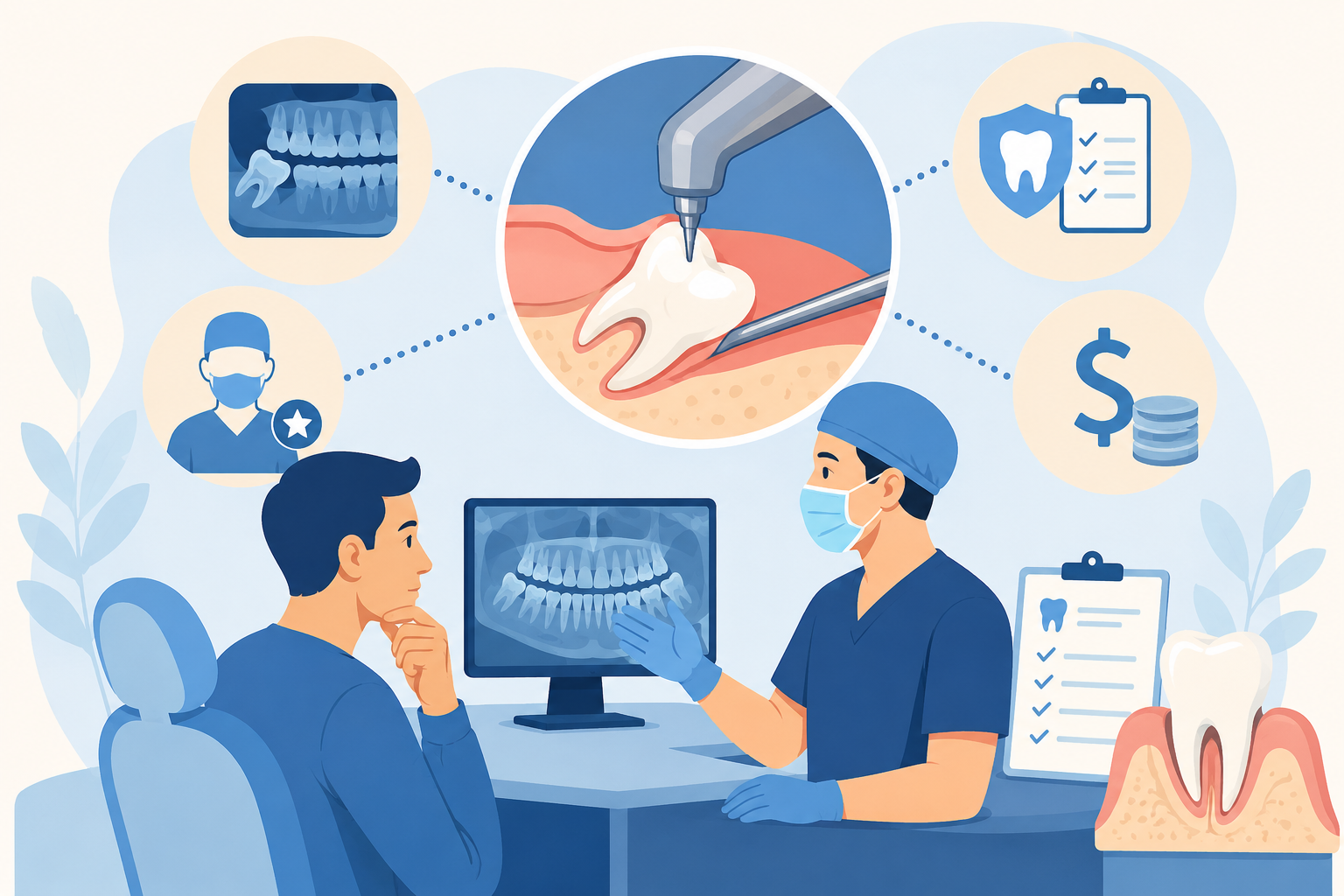
Wisdom teeth removal is one of the most common oral surgery procedures, but many patients are surprised when they discover that pricing can vary significantly from one case to another. Some people may only need a simple extraction, while others require a more complex surgical procedure involving impacted teeth, sedation, or advanced imaging.
If you have been researching wisdom teeth removal costs, you have probably noticed a wide range of prices online. That is because there is no one-size-fits-all cost for treatment. Several factors influence the total price, including the position of the teeth, the difficulty of the extraction, anesthesia options, insurance coverage, and the experience of the oral surgeon.
Understanding why wisdom teeth removal costs vary can help you make a more informed decision and avoid unexpected surprises before treatment.
Why Wisdom Teeth Removal Is Sometimes Necessary
Wisdom teeth are the third set of molars that usually appear during the late teens or early adulthood. While some people never experience problems, many patients develop issues because there is not enough room in the mouth for these teeth to erupt properly.
Wisdom teeth can become trapped under the gums, grow sideways, crowd nearby teeth, or create pockets where bacteria collect. In some cases, they can even lead to infections, cysts, and long-term oral health complications.
Before scheduling a consultation, patients want to better understand timing and treatment about when wisdom teeth should be removed .
The Biggest Factors That Affect Wisdom Teeth Removal Costs
Several important details determine how much a patient may pay for wisdom teeth extraction. Some procedures are straightforward and quick, while others require surgical expertise and additional resources.
Simple vs Surgical Extractions
One of the biggest cost differences comes down to whether the tooth is fully erupted or impacted.
A simple extraction is usually less expensive because the tooth is visible above the gum line and easier to remove. These procedures typically require less surgical time and fewer specialized tools.
Surgical extractions are more complex. If the wisdom tooth is trapped under the gums or inside the jawbone, the oral surgeon may need to make an incision or remove surrounding bone to safely extract the tooth.
Impacted teeth almost always increase the total treatment cost due to the added complexity.
Number of Wisdom Teeth Being Removed
Some patients only need one wisdom tooth removed, while others need all four extracted during the same appointment.
Removing multiple teeth increases the overall cost, but it may reduce the average cost per tooth compared to scheduling separate procedures over time.
Many oral surgeons recommend removing all problematic wisdom teeth together to reduce recovery time and prevent future complications.
Type of Sedation or Anesthesia Used
Sedation options can significantly affect pricing.
Local anesthesia is generally the most affordable option and is commonly used for simpler extractions. However, patients with impacted teeth, severe anxiety, or multiple extractions often choose deeper sedation for comfort.
Common sedation options include:
- Nitrous oxide
- IV sedation
- General anesthesia
The more advanced the sedation, the higher the overall treatment cost may be because additional monitoring, equipment, and specialized training are involved.
Impacted Wisdom Teeth Usually Cost More
Impacted wisdom teeth are one of the most common reasons extraction costs increase.
An impacted tooth is unable to fully emerge through the gums due to lack of space or improper positioning. Some wisdom teeth grow sideways, while others remain completely trapped inside the jawbone.
These situations require more advanced surgical techniques and careful planning.
Different Types of Impactions
Not all impacted wisdom teeth are equally difficult to remove.
Soft Tissue Impaction
This occurs when the tooth partially erupts but remains covered by gum tissue. These cases are usually less complicated than full bony impactions.
Partial Bony Impaction
Part of the tooth remains trapped inside the jawbone. Bone removal may be necessary during surgery.
Full Bony Impaction
This is often the most complex and expensive type of wisdom tooth extraction because the tooth is completely embedded within the jaw.
The position of the tooth and its proximity to nearby nerves can also influence surgical difficulty and cost.
Diagnostic Imaging and Evaluation Costs
Before surgery, oral surgeons often use advanced imaging to evaluate the position of the wisdom teeth.
Digital X-rays are commonly included in the diagnostic process. In more complicated cases, a 3D cone beam CT scan may be recommended to provide a detailed view of the teeth, nerves, and jaw structure.
These scans help improve safety and surgical planning, especially when wisdom teeth are located near important nerves or sinus cavities.
Although imaging adds to the total cost, it can reduce surgical risks and improve treatment outcomes.
Geographic Location Can Affect Pricing
Where you receive treatment also plays a role in pricing.
Dental and oral surgery costs can vary depending on the city, local demand, operating expenses, and regional healthcare pricing trends.
For example, wisdom teeth removal in major metropolitan areas like Miami may cost more than in smaller towns due to higher overhead costs and increased demand for specialized care.
However, patients often choose experienced oral surgeons because expertise, safety, and patient comfort matter more than simply finding the cheapest option.
Oral Surgeon Experience and Technology Matter
The experience level of the provider can influence pricing as well.
Board-certified oral surgeons who handle complex extractions daily may charge more than general dental offices performing occasional wisdom tooth procedures.
That higher cost often reflects:
- Advanced surgical training
- Modern technology
- Improved patient safety
- Better sedation options
- More efficient recovery support
Patients with complicated cases often prefer experienced specialists because difficult extractions require careful surgical planning and precision.
Insurance Coverage Can Change Out-of-Pocket Costs
Dental insurance can significantly reduce the total amount patients pay for wisdom teeth removal.
However, coverage varies widely between insurance providers and plans.
Some insurance plans may cover:
- Initial consultations
- X-rays
- Surgical extraction
- Sedation
- Follow-up care
Other plans may only partially cover treatment or exclude certain anesthesia options.
Patients should always verify:
- Deductibles
- Annual maximums
- Waiting periods
- In-network provider requirements
Understanding insurance details beforehand helps avoid unexpected bills after surgery.
Delaying Wisdom Teeth Removal Can Increase Costs Later
Some patients postpone treatment because their wisdom teeth are not currently painful. Unfortunately, waiting too long can sometimes lead to more serious problems.
As patients age, wisdom teeth roots become more developed and bone density increases, making extractions more difficult.
People in their 30s and beyond may experience more complicated surgeries and longer recovery times.
Ignoring wisdom teeth issues can also lead to infections, damage to neighboring teeth, and gum disease.
Infection-Related Wisdom Teeth Cases Can Become More Expensive
Wisdom teeth infections may increase treatment costs because patients sometimes require:
- Emergency appointments
- Antibiotics
- Additional imaging
- Surgical drainage
- More complex extractions
Untreated infections can spread into surrounding tissues and create serious health risks.
Addressing wisdom teeth problems early can often prevent more expensive and painful complications later.
Recovery Needs Can Influence Overall Expenses
The procedure itself is not always the only expense involved.
Some patients may also need:
- Prescription medications
- Ice packs
- Special recovery foods
- Additional follow-up visits
- Time away from work or school
Complex surgeries sometimes require longer recovery periods, especially when all four wisdom teeth are removed at once.
Planning ahead for recovery can help reduce stress after surgery.
Why Cheaper Is Not Always Better
When comparing wisdom teeth removal prices, it is important to look beyond the number alone.
Extremely low-cost treatment options may not include:
- Sedation
- Imaging
- Follow-up care
- Specialist expertise
- Emergency support
Choosing a qualified oral surgeon with experience in wisdom teeth extraction can improve both safety and comfort during the procedure.
A thorough consultation is often the best way to understand exactly what is included in your treatment plan.
Signs You May Need Wisdom Teeth Removal Soon
Even if your wisdom teeth are not currently painful, there are warning signs that should not be ignored.
Common symptoms include:
- Jaw pain
- Swollen gums
- Bad breath
- Difficulty opening the mouth
- Headaches
- Pressure in the back of the jaw
- Repeated infections
- Crowding of nearby teeth
Early evaluation can help identify potential issues before they become more serious or expensive to treat.
Book an Appointment
If you are experiencing wisdom tooth pain, swelling, or signs of impaction, scheduling an evaluation early can help prevent more serious complications and unexpected treatment costs.
FAQ About Wisdom Teeth Removal Costs
Why are wisdom teeth removal prices so different?
The total cost depends on several factors, including whether the teeth are impacted, the number of teeth being removed, sedation type, imaging requirements, and the complexity of the procedure.
Does insurance cover wisdom teeth removal?
Many dental insurance plans provide partial coverage for wisdom teeth extraction, but benefits vary depending on your provider and plan details.
Are impacted wisdom teeth more expensive to remove?
Yes. Impacted teeth often require surgical extraction, bone removal, and advanced imaging, which increases treatment complexity and cost.
Is wisdom teeth removal cheaper when done earlier?
In many cases, yes. Younger patients often experience simpler extractions and easier recovery compared to delaying treatment into later adulthood.
Does sedation increase the cost of wisdom teeth surgery?
Yes. IV sedation and general anesthesia typically cost more than local anesthesia because they require additional equipment, monitoring, and expertise.
Can infected wisdom teeth become dangerous?
Yes. Untreated wisdom tooth infections can spread into surrounding tissues and create serious oral health complications if not treated promptly.
Final Thoughts
Wisdom teeth removal costs can vary for many reasons, and understanding those factors helps patients make smarter decisions about their oral health.
The complexity of the extraction, sedation needs, imaging, insurance coverage, and the experience of the oral surgeon all play important roles in determining the final price.
While cost is important, choosing experienced care and addressing wisdom teeth issues early can often save patients from more serious complications later on.
Wisdom Tooth Removal Cost Guide: 2026 Price Breakdown
February 17, 2026

Signs Your Wisdom Tooth Needs to Come Out
January 19, 2026

What to Eat Before a Tooth Extraction to Reduce Inflammation
June 1, 2026
Single-Tooth vs. Full-Arch Dental Implants
January 7, 2026
Are Wisdom Teeth Useful or Evolutionary Leftovers?
March 10, 2026